
 4 hours ago
5
4 hours ago
5
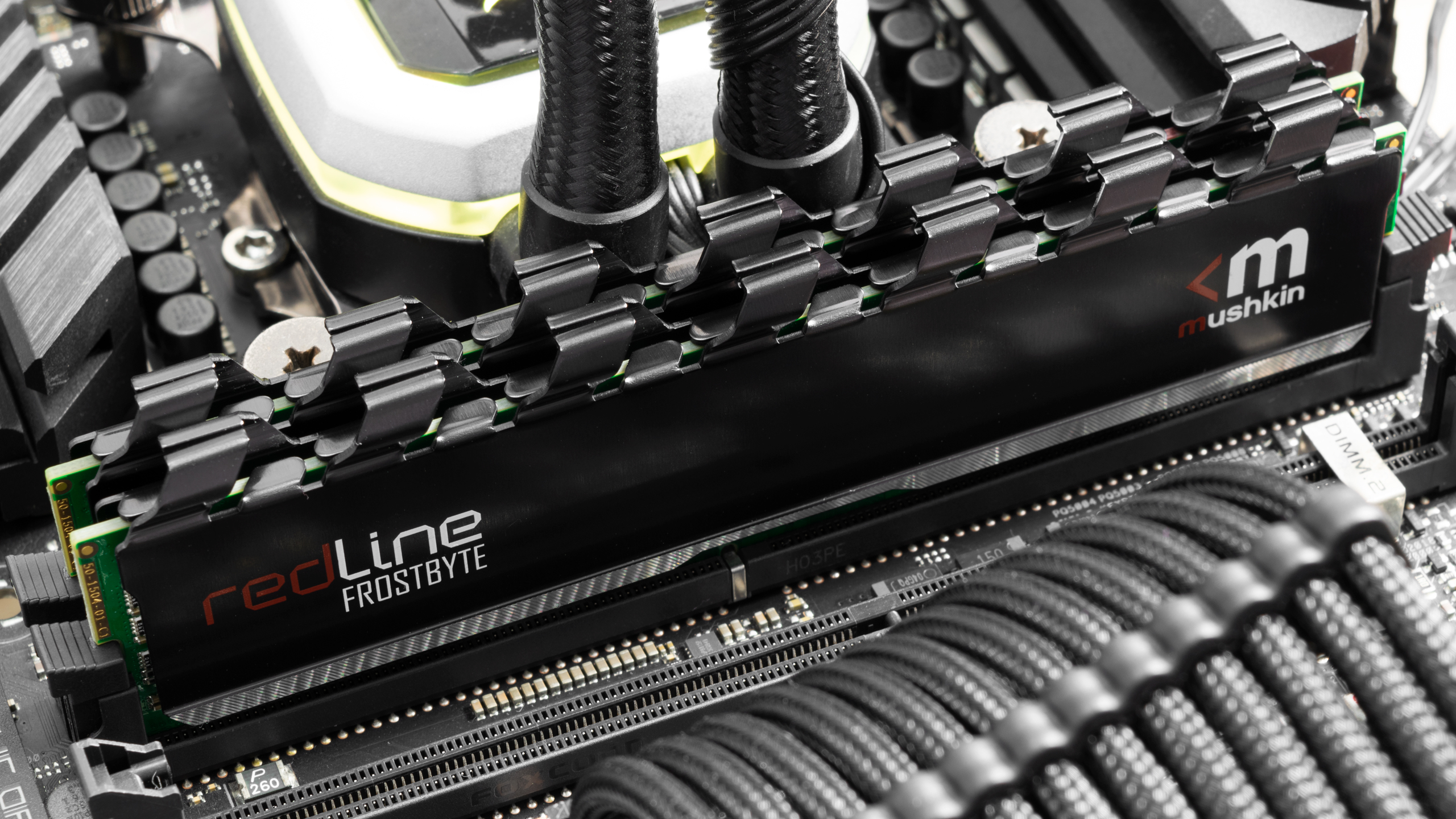
The PC industry is bracing for a slip back to DDR4 memory among enthusiasts. Tom’s Hardware has learned at Computex 2026 that both motherboard brands and many module houses — the companies that produce the DIMMs you can buy — are shifting their strategy toward a resurgence in DDR4 platforms as unprecedented memory shortages and price increases continue to raise the entry point into building a PC. Those pain points are particularly acute with DDR5 memory.
Go deeper with TH Premium: Memory
We confirmed with over half a dozen sources: motherboard manufacturers and module houses are seeing an increase in demand for DDR4 platforms and shifting production accordingly. This could create challenges, however, as high-performance DDR4 dies, such as the famous Samsung B-dies, are no longer in production. As such, most of the revamped DDR4 kits will top out at a rather pedestrian DDR4-3600.
On the motherboard side of things, at least two vendors confirmed to Tom’s Hardware that they are ramping production of DDR4-supporting motherboards for the second half of the year and into 2027, which makes sense, given that motherboard sales have seen a “collapse” this year, with sales declining by as much as 37% with some vendors. Others have confirmed that they plan to either refresh or re-release DDR4-supporting options later in the year. Many of these products had been in end-of-life (EOL) status, so production lines had long ago shifted to other products. Now new manufacturing capacity will be dedicated to restoring those product families.
This comes as demand for DDR4 platforms has increased. One motherboard brand cited a double-digit increase in sales over the last quarter, which Tom’s Hardware was unable to corroborate, while others simply said the demand has increased significantly.
AMD and Intel have geared up for a shift back to DDR4, as well. AMD launched the Ryzen 7 5800X3D 10th Anniversary Edition at Computex, which the company says it will continue to sell as long as it makes sense; in other words, it’s not a limited edition run. AMD has also shifted the hybrid bonding process of the 5800X3D, setting it up for a more long-term production run. It joins AMD’s Zen 3 XT chips, which it released in 2024 and continues to sell.
Intel continues to sell its Raptor Lake and Raptor Lake Refresh CPUs, as well, and the company told Tom’s Hardware it “will continue to make sure that there are products which can take care of older memory technologies.” One motherboard vendor said it was specifically ramping production of LGA 1700 motherboards with DDR4 support, as options have slowly dried up in the market.
Although there is already DDR4 in the market, it’s also easier to produce, which would help elevate some of the bottlenecks in the current memory supply chain. One of the key shortages right now is advanced packaging, which DDR5 requires with an integrated PMIC. DDR4, by comparison, is much simpler to package and sell, which should help keep prices from climbing into the DDR5 range.
The major chokepoint for DDR4 is wafer allocation, which is a bottleneck that one memory manufacturer (not a module house) pointed to as a potential issue with a shift back to DDR4 platforms. Wafer allocation is a broader bottleneck within the PC industry, however, with Intel even shifting allocation toward the data center as an unprecedented demand for data center CPUs takes hold.
Unfortunately, there appears to be no end in sight. If there’s one thing that nearly all of our sources agreed on, it is that DRAM and NAND shortages will continue throughout all of 2027.

Follow Tom's Hardware on Google News, or add us as a preferred source, to get our latest news, analysis, & reviews in your feeds.






 English (US) ·