

Published Apr 29, 2026, 5:47 PM EDT
Tom is a Senior Staff Writer at Screen Rant, with expertise covering everything from hilarious sitcoms to jaw-dropping sci-fi epics.
Initially he was an Updates writer, though before long he found his way to the TV and movies team. He now spends his days keeping Screen Rant readers informed about the TV shows of yesteryear, whether it's recommending hidden gems that may have been missed by genre fans or deep diving into ways your favorite shows have (or haven't) stood the test of time.
Tom is based in the UK and when he's not writing about TV shows, he's watching them. He's also an avid horror fiction writer, gamer, and has a Dungeons and Dragons habit that he tries (and fails) to keep in check.
There’s no shortage of gripping psychological thriller miniseries on Amazon Prime Video. From twist-heavy mysteries to deeply unsettling character studies, the platform has carved out a strong reputation for bold, original storytelling. However, when it comes to single-season stories that feel almost engineered for binge-watching, one series rises above the rest.
2023’s Swarm needs to be binged to be fully appreciated. Created by Donald Glover and Janine Nabers, the shocking Prime Video miniseries focuses on Dre (Dominique Fishback), a deeply isolated young woman whose life revolves around her obsession with a global pop superstar named Ni’Jah. The cast list also includes the likes of Paris Jackson and Billie Eilish, with the series gaining an impressive 87% on Rotten Tomatoes, but these aren’t the reasons it’s a must-binge show.
As a viewing experience, Swarm is sleek, stylized, and often surreal, anchored by Dominique Fishback’s Primetime Emmy-nominated performance. However, what truly sets the narrative apart is how relentlessly it unfolds. The reason the show should be considered essential binge viewing is its unflinching exploration of toxic fandom and the emotional voids that can fuel it. This is a story that doesn’t pause, reflect, or reset, and because of that, it practically demands to be consumed in one sitting to fully grasp its intensity and meaning.
Across its seven installments, Swarm charts a continuous and escalating descent into chaos. Each episode peels back another layer of Dre’s psyche, and watching her unravel is as disturbing as it is captivating. Watching the series with minimal breaks allows the tension to accumulate in a way that feels intentional, almost suffocating.
A key strength of Swarm is that it’s a meticulous character study. Dre isn’t simply reacting to events, she’s psychologically collapsing in real time. Her grief over the loss of her sister Marissa (Chloe Bailey) becomes the catalyst for a psychological spiral that the show refuses to soften or interrupt. Watching multiple episodes back-to-back mirrors Dre’s own inability to process what’s happening to her, making the experience far more immersive.
This doesn’t mean Swarm loses all of its impact when watched more slowly. However, the way the show traps viewers in Dre’s increasingly distorted reality is undeniably stronger when there’s little time to step away and reflect. Binge-watching Swarm aligns the viewing experience with Dre’s emotional state, making it immersive in a way few other shows have match.
Why Swarm Didn't Need A Second Season
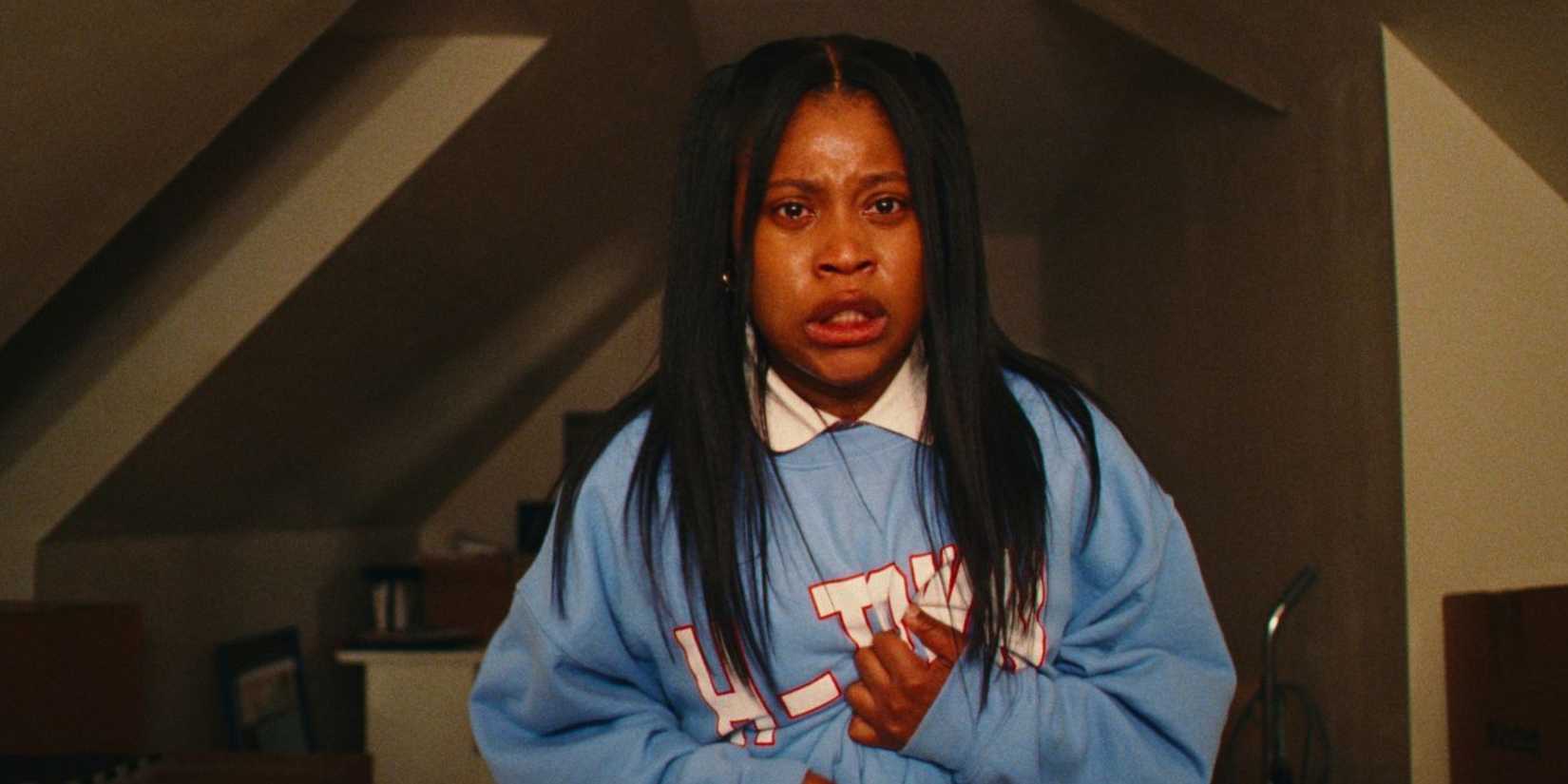
Swarm was always conceived as a limited series, and that intention is key to why it works so well. While some miniseries are expanded after gaining popularity, Swarm benefits from being a complete, self-contained story. Its seven episodes tell a tightly controlled narrative that doesn’t leave room for unnecessary continuation. Extending the story beyond its original scope would risk undermining what makes it so effective.
One of the defining elements of Swarm is its use of shock. The series constantly subverts expectations, delivering moments that are as unpredictable as they are unsettling. This sense of unpredictability is difficult to sustain over multiple seasons without becoming repetitive or losing its edge.
The show’s ending is another reason it works best as a standalone story. Swarm concludes on an ambiguous note that leaves viewers questioning what is real and what isn’t, and it’s incredibly effective. Providing concrete answers with a season 2 would strip away that uncertainty, diminishing the power of the finale and reducing its lasting impact.
What’s more, Swarm is so good because it’s a character study of Dre during a very specific and volatile period in her life. Revisiting her story would shift the focus away from these themes or attempt to revisit them in a way that feels redundant. Swarm doesn’t need a second season because its impact comes from its precision, its restraint, and its willingness to leave certain questions unanswered, qualities that would be difficult to preserve if it were to continue.

Release Date 2023 - 2023-00-00








 English (US) ·