
 Image via Peacock

Published Jan 28, 2026, 6:20 PM EST
Dyah (pronounced Dee-yah) is a Senior Author at Collider, responsible for both writing and transcription duties. She joined the website in 2022 as a Resource Writer before stepping into her current role in April 2023. As a Senior Author, she writes Features and Lists covering TV, music, and movies, making her a true Jill of all trades. In addition to her writing, Dyah also serves as an interview transcriber, primarily for events such as San Diego Comic-Con, the Toronto International Film Festival, and the Sundance Film Festival.
Dyah graduated from Satya Wacana Christian University in October 2019 with a Bachelor's degree in English Literature, concentrating on Creative Writing. She is currently completing her Master's degree in English Literature Studies, with a thesis on intersectionality in postcolonial-feminist studies in Asian literary works, and is expected to graduate in 2026.
Born and raised between Indonesia and Singapore, Dyah is no stranger to different cultures. She now resides in the small town of Kendal with her husband and four cats, where she spends her free time cooking or cycling.
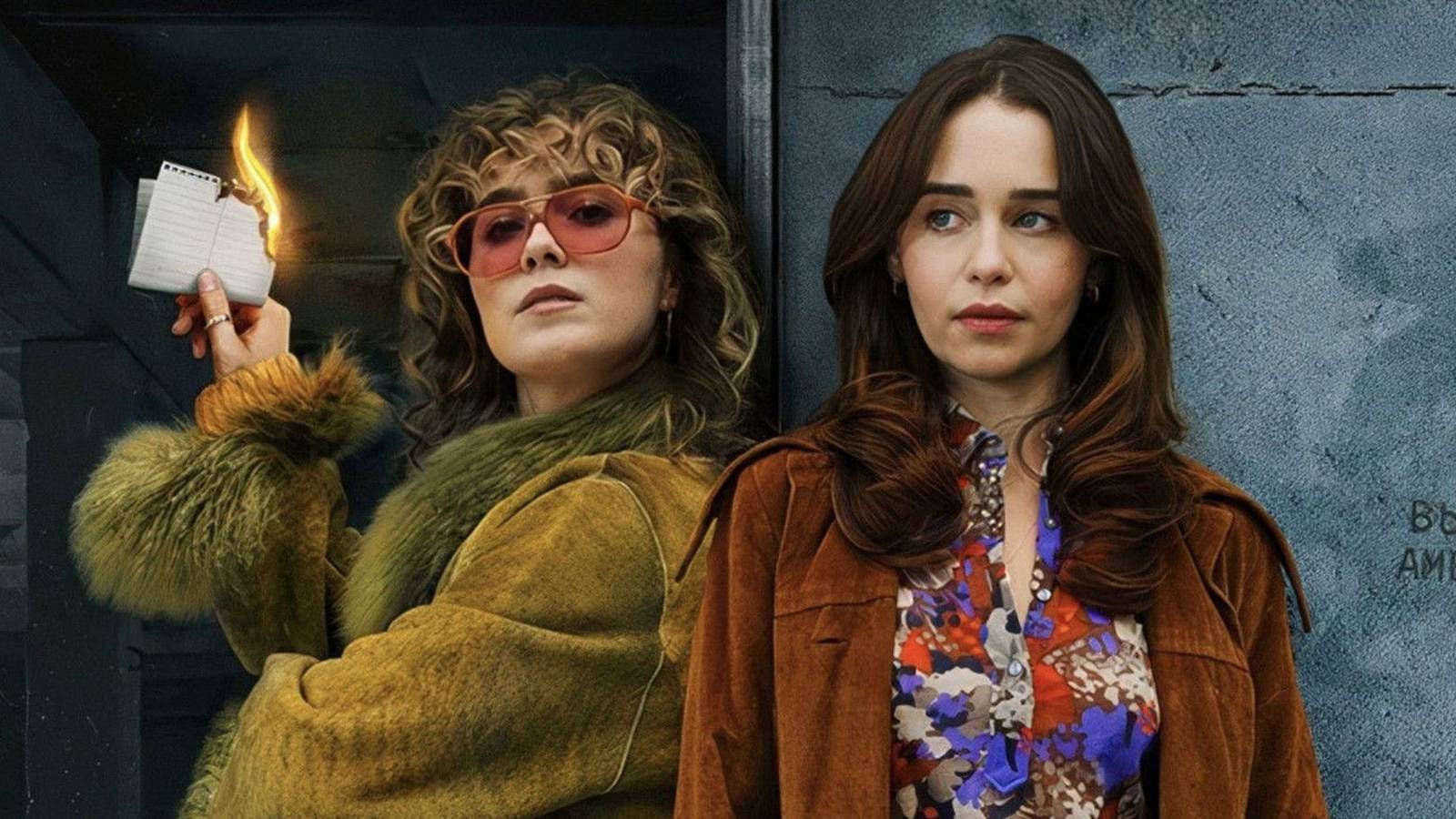
It's always the people we least expect who end up saving one of America's largest institutions. Peacock's latest spy thriller, Ponies, has all the makings of a good old-fashioned espionage watch: the passive-aggressive CIA, the no-nonsense KGB, and the perpetual gloom of the Cold War. Set in 1976 Russia, Bea Grant (Emilia Clarke) and Twila Hasbeck (Haley Lu Richardson) are just two ordinary women who have lost their CIA agent husbands in action. When the two refuse to accept the CIA's explanation behind their presumed "deaths," Bea and Twila return to Moscow and offer themselves up as covert agents, despite having no experience whatsoever. While the story of Ponies is entirely fictional, it draws strong inspiration from a very real — and often underappreciated — espionage tactic: housewives.
The CIA Recruited "Housewife Spies" During the Cold War
 Image via Katalin Vermes © 2025 Peacock TV LLC. All Rights Reserved.
Spanning from 1947 to 1991, the Cold War began after World War II and the defeat of the Axis powers. With both the United States and the Soviet Union vying for global control, tensions immediately broke out between the two nations. This race for superiority, largely driven by the development of nuclear weapons, led to an era defined by espionage. As a result, both the United States and the Soviet Union planted spies within each other's borders. During this period, the CIA was at the center of these operations, but women were also deeply involved. Typically, they were the wives of male agents who would work with their husbands on cases.
Moreover, these "housewife spies" were actually trusted with intelligence duties themselves. Because espionage in the Cold War was discreet and far removed from the explosiveness seen in James Bond or Jason Bourne films, most of their work involved sending messages in unnoticed ways. Guns were rarely involved. Instead, much of the activity focused on surveillance and "dead drops," a method of passing items or information between a spy and a handler without meeting in person. These are the same activities that Bea and Twila participate in during their early days as covert agents in Ponies, with much of their time spent delivering messages to CIA contacts.
Why Were Housewives Recruited by the CIA as Seen in 'Ponies'?
Ponies introduces the concept of the PONI, or "Person of No Interest," a term used for individuals considered insignificant to a mission. However, this perceived insignificance became the housewife spies' greatest advantage. In Hollywood, the explosive femme fatale versions of spies, such as Angelina Jolie's Evelyn Salt or Anne Parillaud in La Femme Nikita, are more common, but during the Cold War, "ordinary" housewives often made more effective spies. Because they were typically seen as preoccupied with domestic tasks like cleaning or shopping, rival agents — blinded by patriarchal views of women — failed to notice how easily these women could pass messages or make dead drops in broad daylight.
Related
In Ponies, the reason Bea and Twila are even considered for covert work, despite their lack of training, is their invisibility. The KGB knew of their late CIA husbands, but not their marriages. This allows Bea to get close to KGB agent Andrei Vasiliev (Artjom Gilz) by pretending to be interested in him so that she can plant a bug in his car. Ponies also extends this theme of female insignificance beyond its two leading ladies. In a darker plot, Twila discovers numerous news clippings about Russian sex workers who were found dead. The CIA refuses to investigate these crimes because it isn’t their jurisdiction, but the real reason is because of their profession. It's only when Twila refuses to let these women die as nobodies that their deaths are taken seriously, leading to the uncovering of a major KGB operation.
The CIA's "Housewife Spies" Were Unpaid and Unrecognized
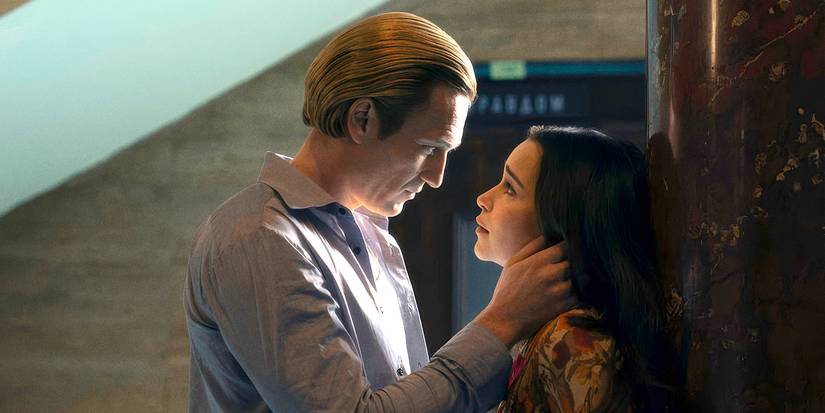 Image via Peacock
Unfortunately, the KGB was not the only one to underestimate housewife spies. The same anonymity that gave these women an advantage in spycraft also led to their erasure within the CIA. Many were unpaid and unranked rather than recognized as active contributors. Although they served as valuable and discreet assets, they rarely received the same recognition as male agents. Most dependent CIA spouses — who were largely women — spent years supporting missions at home and abroad. Without pay, they handled clerical and operational tasks tied to their husbands' cover roles, often working full-time hours. Their unpaid labor helped reduce staffing needs overseas, yet their contributions remained largely invisible.
Even before Bea and Twila become covert agents in Ponies, the two are already part of the CIA's plot. The two work at the U.S. Embassy in secretarial roles as part of their husbands' cover stories. That setup, however, doesn't mean they are happy about it. Life under CIA service means that secrecy often pushes women to the sidelines. Although Bea appears supportive of her husband's career, she quietly wishes she could pursue her own goals. Unfortunately, embassy rules prevent foreign nationals from holding certain positions, forcing Bea to wait until returning to the United States. Meanwhile, Twila, who is anti-bureaucracy, is frustrated with her role, as she is expected to attend embassy functions to keep up appearances, reinforcing the idea that wives are treated as extensions of their husbands, rather than individuals in their own right.

Release Date January 15, 2026
Network Peacock
-

-

Haley Lu Richardson
Twila







 English (US) ·