
 4 hours ago
20

Published Oct 25, 2026, 8:00 PM EDT
S-Game translates the Wuxia mythology and visual experience into a great action game
 Image: S-Game
With games like Pragmata, 007 First Light, Beast of Reincarnation, and Onimusha: Way of the Sword, I’ve spent much of 2026 thinking about what makes a good action game. Is it about the challenge of performing extraordinary feats on the screen? Is it about fighting, and winning, excruciating battles against enemies that feel mathematically impossible to beat? Is it just about power fantasy?
There's merit in difficult games that push us to master combos and boss fights, but in recent years, these sorts of games have become hegemonic. That's why developer S-Game's Phantom Blade Zero surprised me. Unlike many of its contemporaries, Phantom Blade Zero is not more interested in requiring players to achieve the martial prowess of kung-fu masters with their controllers than it is in celebrating martial arts as a spectacle. Unfortunately, the game pushes this desire too far for its own good.
A tale as old as time
At the center of Phantom Blade Zero, out Oct. 29 for PlayStation 5 and Windows PC, there's Soul, the somber and mysterious protagonist, whose main goal is to find a way to survive before his magically inserted artificial heart stops working. He has only 66 days to accomplish this goal. The protagonist is a legendary swordmaster and a former member of the Order, an organization that is influential in the Wilun. Like many other warriors, he uses and manipulates Sha-Chi, and has continuously fought the Maskwalkers.
That all sounds cool, right? Did I understand what all these terms meant when I started playing the game? Nope! Did I feel overwhelmed? Sure did!
The Order, Wilun, Sha-Chi, and Maskwalkers were just some of the terms I encountered in the first hours of the game, with little context to give them color or shape. At first, I felt frustrated that I didn't really understand what was happening and why the cool-looking edgelord warrior (I mean, his name is "Soul!") was doing whatever he was doing. But then I gave in, and just let the game guide me.
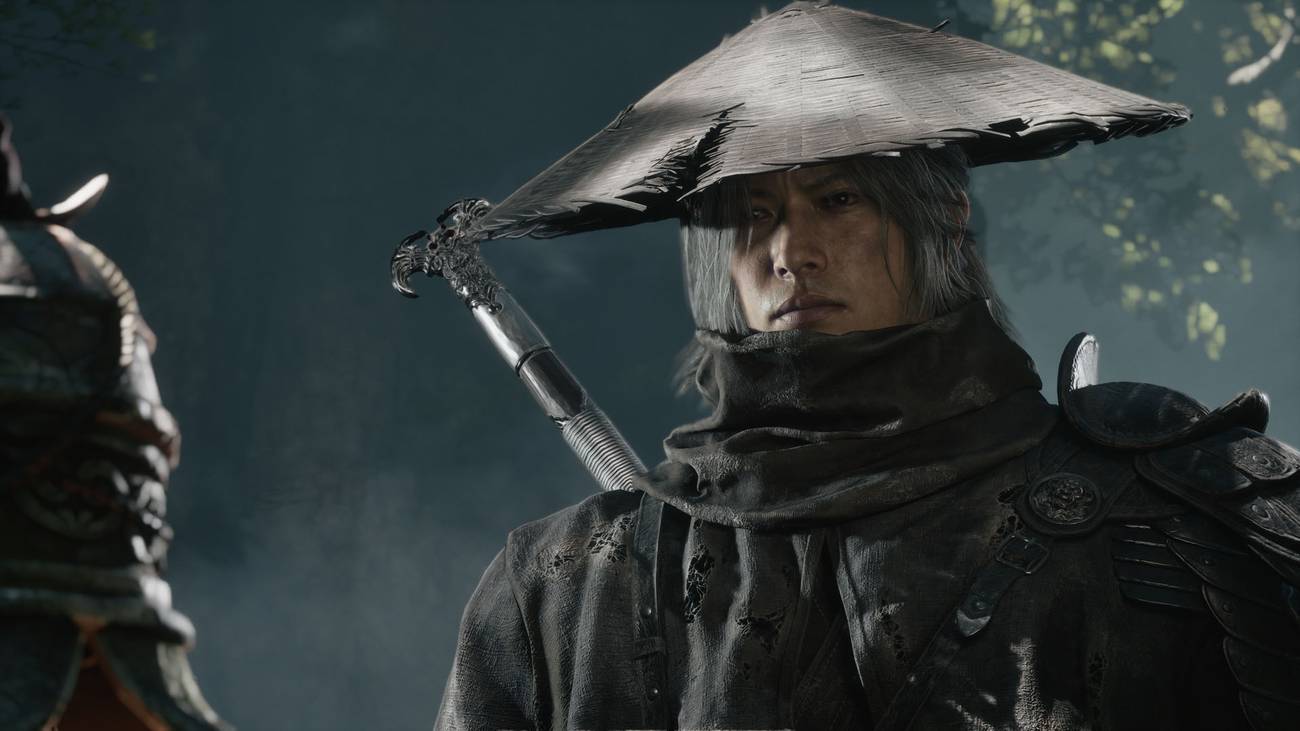 Image: S-Game via Polygon
You see, Phantom Blade Zero presents a narrative structure that I have seen in other Chinese productions, from donghuas like Lord of Mysteries to novels like Mo Dao Zu Shi. As with these, in Phantom Blade Zero, there is little to no exposition. Scenes aren't created with the sole purpose of introducing concepts or character backstories, nor is dialogue structured to teach us key words. Our understanding about the world and characters is meant to gradually develop as the story unfolds. To enjoy a story like Phantom Blade Zero's is to trust the process and resist the desire to have every element thoroughly explained beforehand.
Although Phantom Blade Zero does start focusing on Soul's journey of survival, the story expands to become a larger and more complex tale of world-changing conspiracies. Despite its epic proportions, though, the story only had one or two moments that emotionally affected me. Most of the time, I was struck more by what was happening to the regular people living in it world — like the everyday soldiers trying to survive in an outpost who, later on, you must kill, since they have turned into monsters.
On the other hand, learning more about Soul's story made the reason behind his journey clear to me, but didn't necessarily make him more interesting. He's a character chasing revenge and redemption, bound by his loyalty and honor, yet can't escape his own two-dimensional identity. But if there’s a silver lining to the blandness of Soul’s personality, it’s that it gives more room for Phantom Blade Zero’s enticing worldbuilding to shine through.
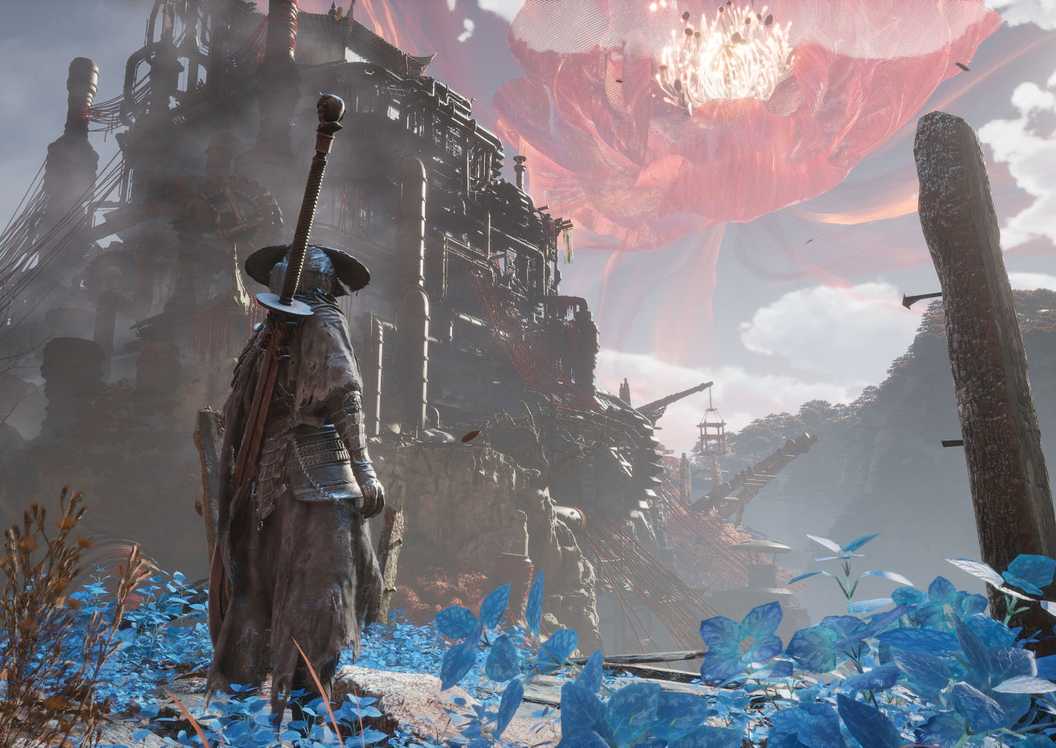
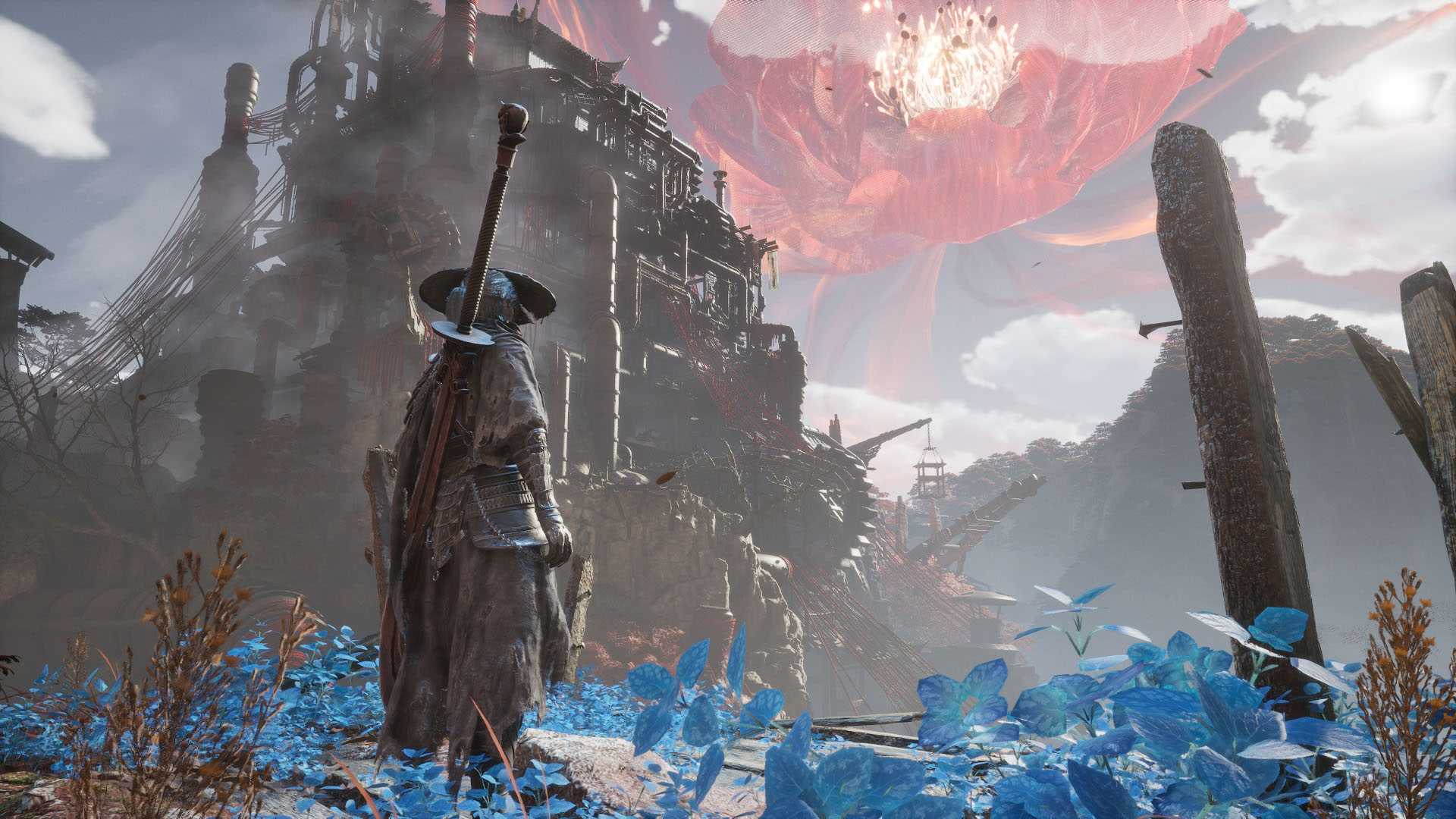
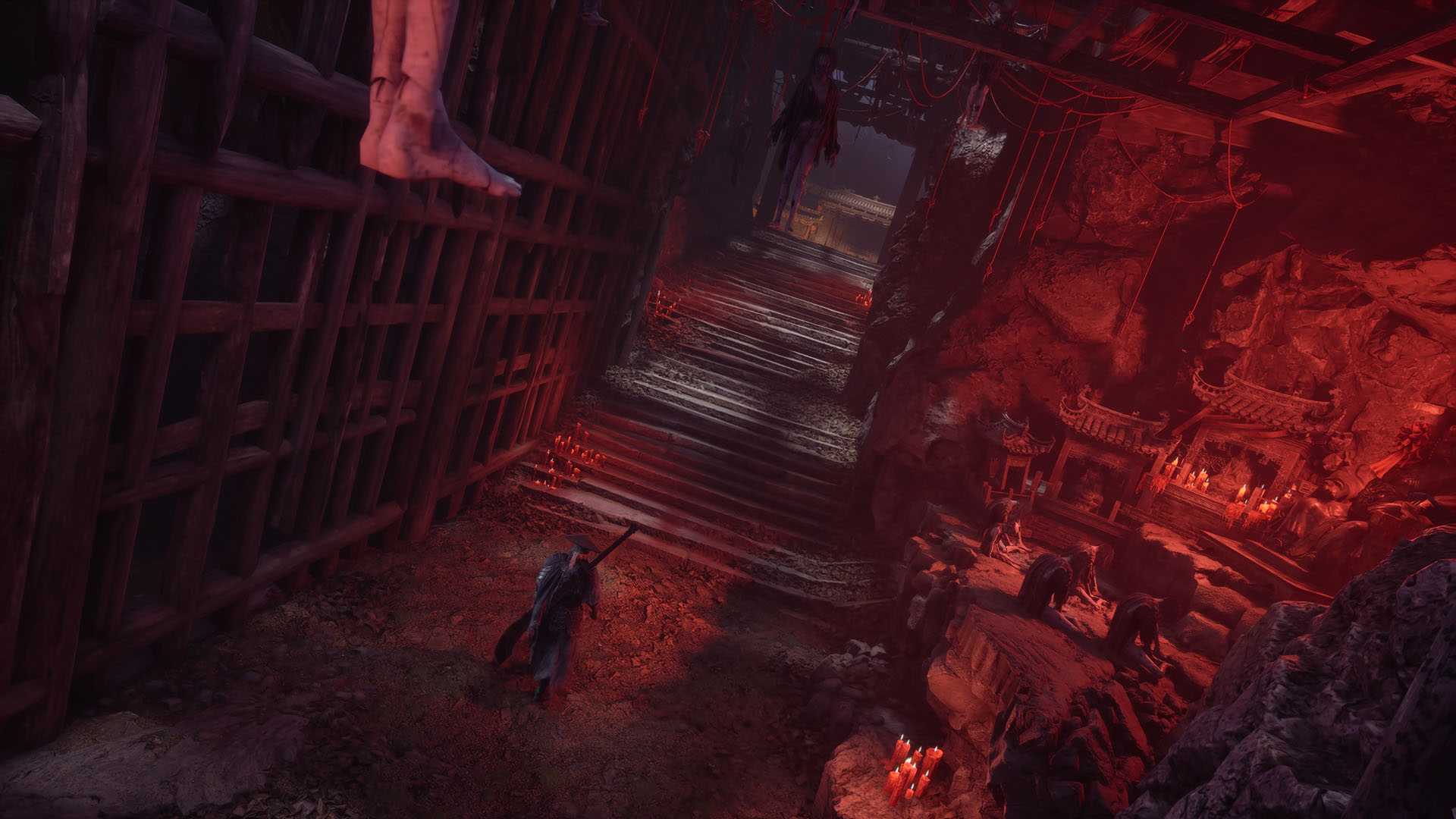 Image: S-Game via Polygon
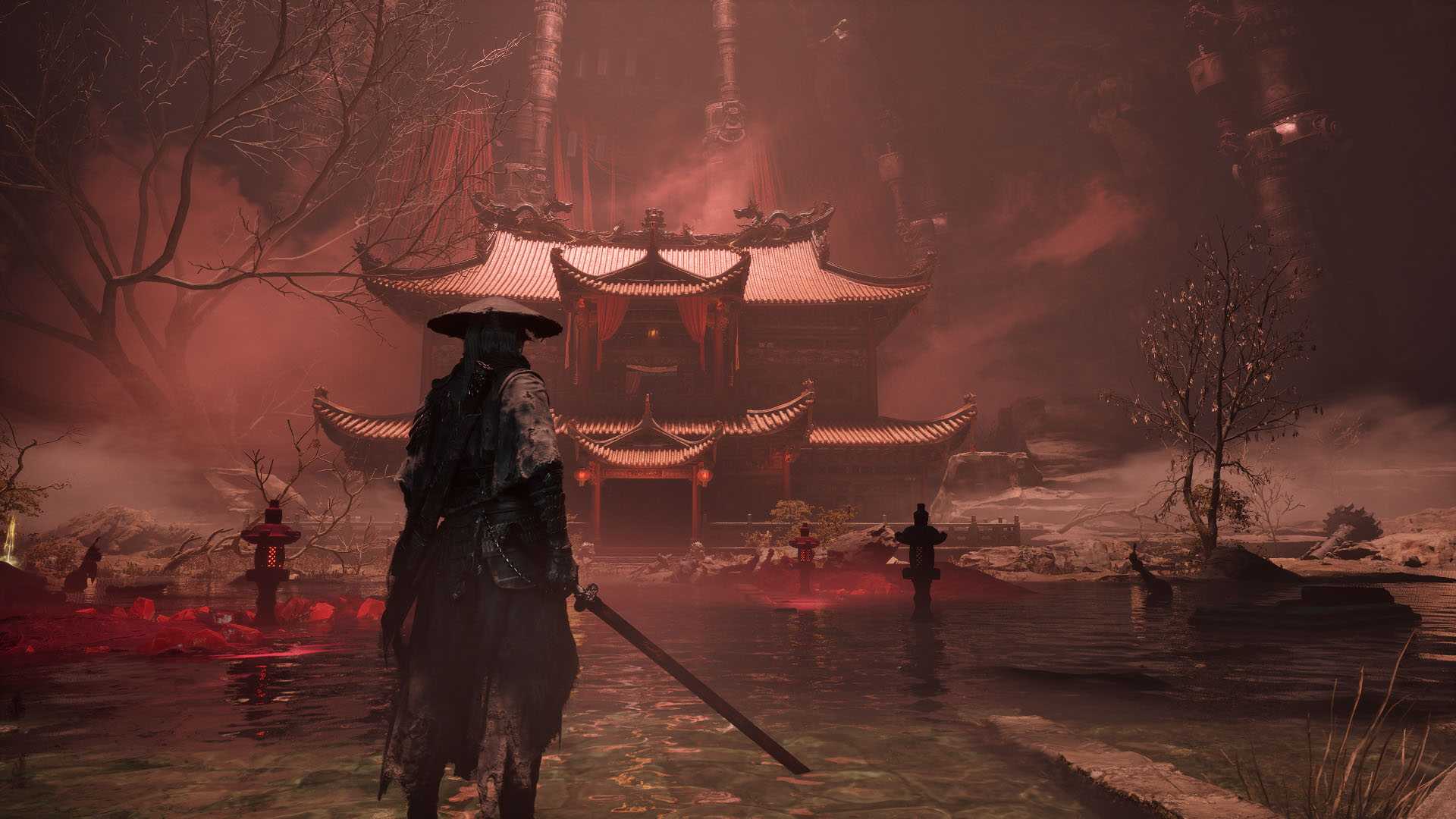
As I navigated the game's maps and completed the quests, I had to control my own anxiety whenever a new term was tossed at me with no explanation, and instead let each dialogue with NPCs, notes left by long-dead characters, and flashbacks weave a coherent story. Eventually, I understood the captivating mix of traditional Chinese fantasy elements with steampunk that S-Game created. Beautiful maps where nature and towers exhaling streams of scalding steam coexist.
Phantom Blade Zero's world is a place where you fight warriors turned into cyborgs who have undergone procedures to improve their skills and their ability to manipulate the mystical energy Sha-Chi. It’s a place where power, honor, and treachery are intertwined. And ultimately, it’s a place where, regardless of the degree of widespread suffering, there are good people trying to do good things.
During my time with Phantom Blade Zero, I didn't experience a mindblowing story. However, by giving it the chance to tell its story on its own terms, I did find a sincere game with a fascinating, unique fiction. That’s all S-Game needed as the backdrop for the main attraction.
A true martial arts game
Phantom Blade Zero is aiming for the stars when it comes to being an action game. When the game was revealed, S-Game founder Soulframe Liang explained that the team wanted to make a game about "the sleek, breathtaking moves in kung fu movies back in the 1990s." To achieve that, S-Game made the decision to balance unrestrained attack sequences from hack-and-slash action games by adding stamina-dependent strong attacks and defensive moves.
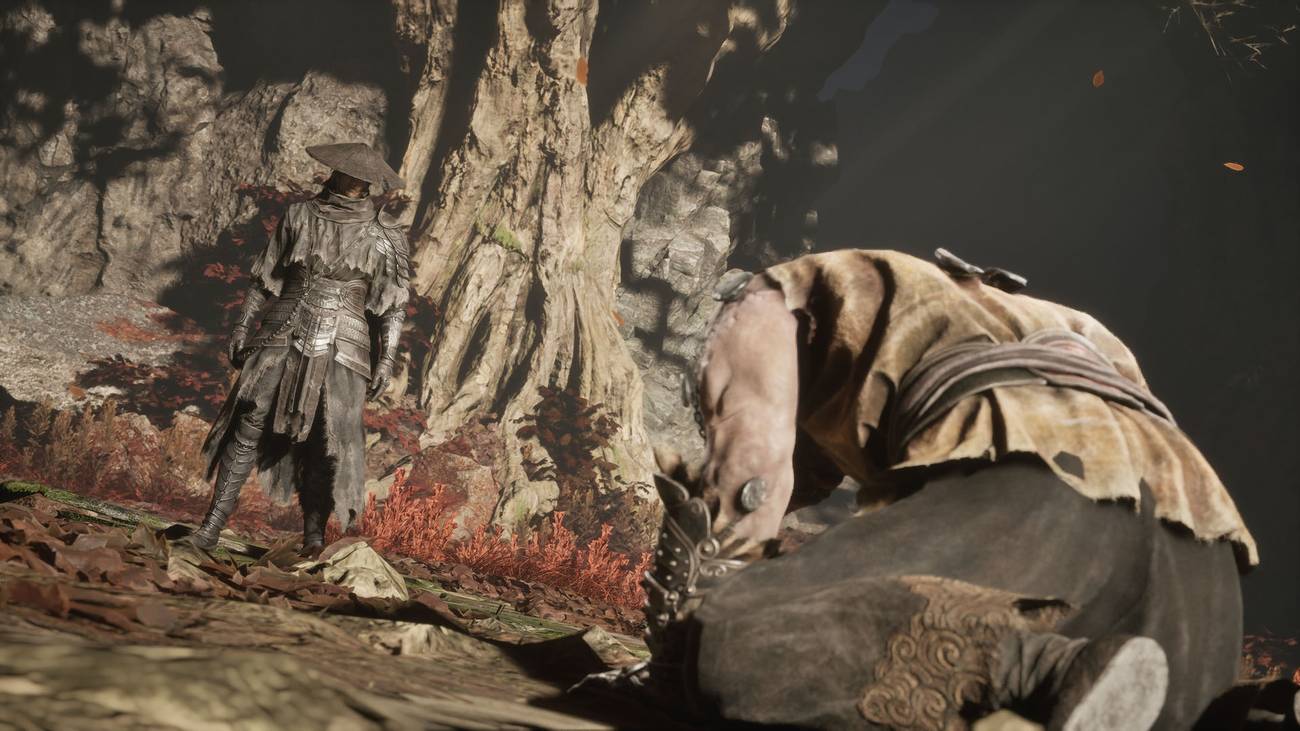 Image: S-Game via Polygon
During combat, you intertwine normal and heavy attacks, as only the latter cost stamina (which is represented in Soul's Sha-Chi bar). All weapons have combos that involve using a sequence of heavy attacks, forcing you to use stamina and slowing down the pace a bit. To defend yourself, you can dodge attacks, but parrying is your best defensive technique, as it depletes enemies' Sha-Chi bars. You can also use a weapon's special attack or unique moves of one of your equipped secondary weapons.
The Sha-Chi bar creates an interesting rhythm in battle, but ends up being contradictory to the idea of "sleek, breathtaking" action. In practice, it also feels pretty useless due to an important mechanic in the game: weapon swapping. You can equip two different primary weapons and you can swap them during the fight. You can't swap them at all the time, as there's a short cooldown (which you can reduce even further with skills), but when you do, you recover your entire Sha-Chi bar.
Besides, as you progress in the campaign and explore the maps, you will find special items that increase Soul's Sha-Chi in addition to talismans that also increase the bar's recharge rate. After the first ten hours, I entirely stopped paying attention to my stamina, focusing instead on overwhelming enemies with multiple attacks. The presence of Phantom Blade Zero's stamina bar feels almost as if S-Game added it simply to check off an item from the list of design elements that have become part of the genre in recent years.
Managing all these types of weapons and attacks alongside parrying and dodging might seem like too much to handle, but at the end of the day, it pretty much boils down to constantly pressing the same four buttons, with slight variations. The gameplay loop in Phantom Blade Zero is satisfying, but in practical terms, it is quite repetitive. There are no complex combinations of commands required to unleash a powerful combo, and all the cool-looking finishers are triggered by pressing a single button. Combat would become repetitive, frankly, if not for the gorgeous fighting moves that unfold whenever you press the right button, and for the speed at which everything happens.
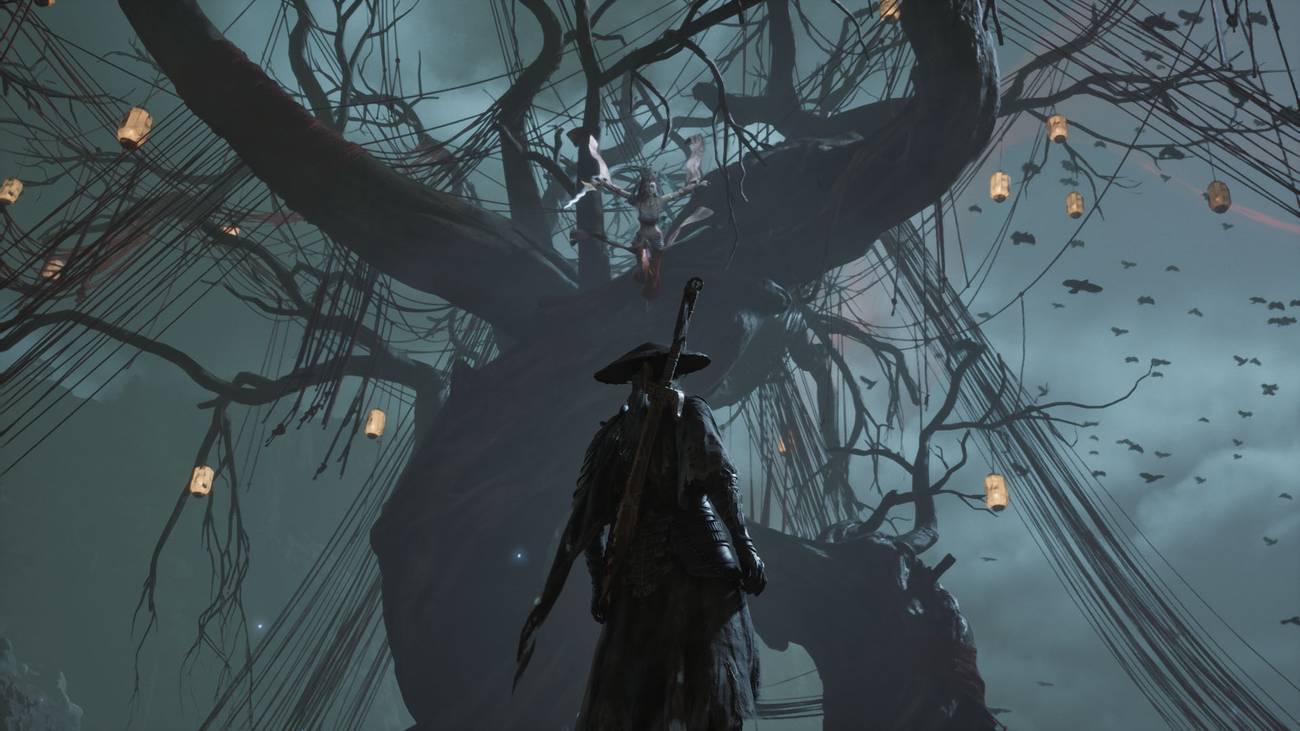 Image: S-Game via Polygon
From simple sequences with the sword to stylish moves where Soul stretches out an arm and a leg to hit two enemies simultaneously (love that one), the combat in Phantom Blade Zero is a feast for anyone who enjoys choreographed fights. S-Game's effort to make a top-tier Wuxia game is clear: actor Donnie Yen, known for his work in movies like Ip Man, is part of the project as a creative consultant and plays one of the game's characters, while Kenji Tanigaki, who directed this year’s best action movie, The Furious, also worked on the game. I grew up watching Crouching Tiger, Hidden Dragon and Jet Li's Hero, learning to love the contrasting fight scenes where the sound of heavy metal weapons contrasted feather-light movements of the fighter's bodies. This is exactly the kind of experience that S-Game achieved in Phantom Blade Zero.
Soul's body moves as if it has a script, a pre-determined sequence of steps to follow not only for the sake of performance but for expressing beauty too. He quickly slashes enemies with double swords, or rotates in the air while holding their arms to prepare for a final blow. The 30 different primary weapons and 25 secondary ones, ranging from long spears to a dragon head that releases a stream of water, offer a wide range of sequences to execute, creating new scenes that make fighting fresh, as if I was watching a new movie every time I tested out a different weapon. The simple normal-attack-plus-heavy-attack combos are transformed into a visual spectacle of martial arts — one that unfolds so quickly and seamlessly that I was always left wanting to fight the next enemy to see more of those moves.
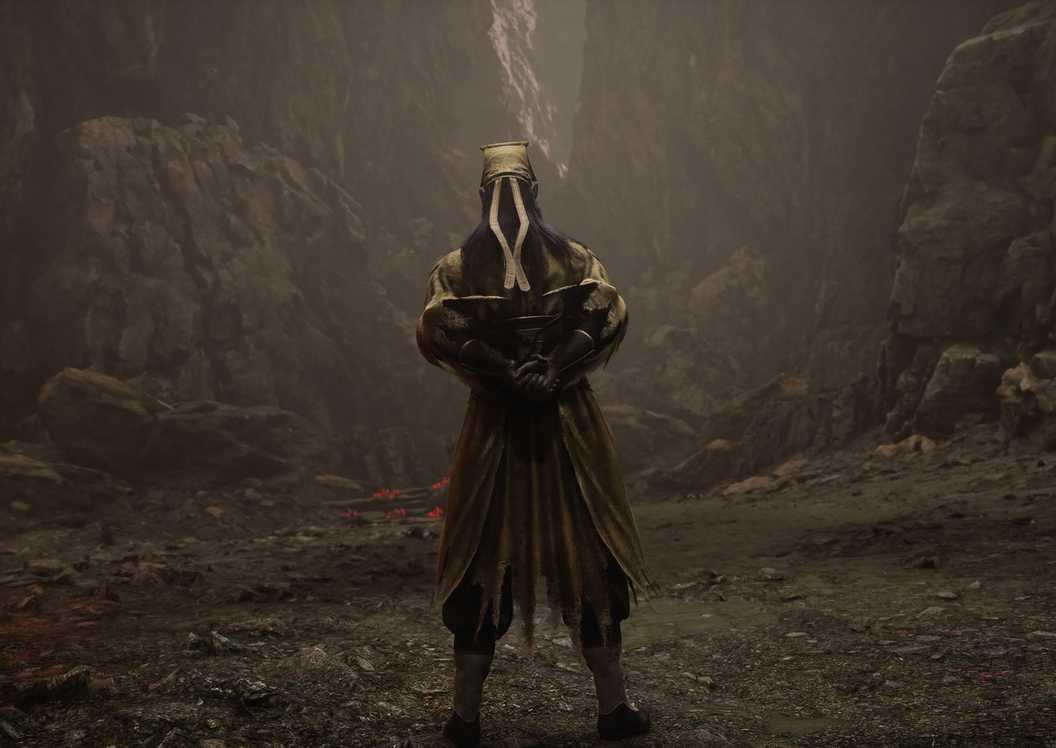
Phantom Blade Zero perfectly captures the meaning of martial arts by chasing more the artistic aspect of the fighting styles and visual poetry of the fantastical battles staged in Wuxia movies. Many recent action games, like Ninja Gaiden 4 and Onimusha: Way of the Sword, try to translate the action portrayed on the screen to the controllers in-hand, becoming games with high skill ceilings that require difficult and complex combinations of buttons, as well as quick reflexes to dodge and parry long sequences of attacks. Phantom Blade Zero is on the opposite side of the spectrum, where simple commands are prioritized in order to allow players to enjoy what is happening on the screen.
Let me help create the show
S-Game's ambition with Phantom Blade Zero's combat has led it to try making it accessible to everyone, which is admirable, but at the same time, it didn’t balance encounters to still feel challenging. While I never felt tired of fighting enemies, I rarely found myself in a position where I was about to cry for help, as I did with some bosses in Onimusha.
Phantom Blade Zero is far from an easy game, though. Its boss fights in particular can be hard and really frustrating, especially the early ones, before you get a full grasp on its controls and are still working with a limited gear kit. I remember fighting Jing Ye, the Outlaw, who seemed like a regular bandit but kicked my ass, making me bleed with a few strikes of his shield. I had to take a few minutes before giving that fight another try. Screw you, Jing Ye.
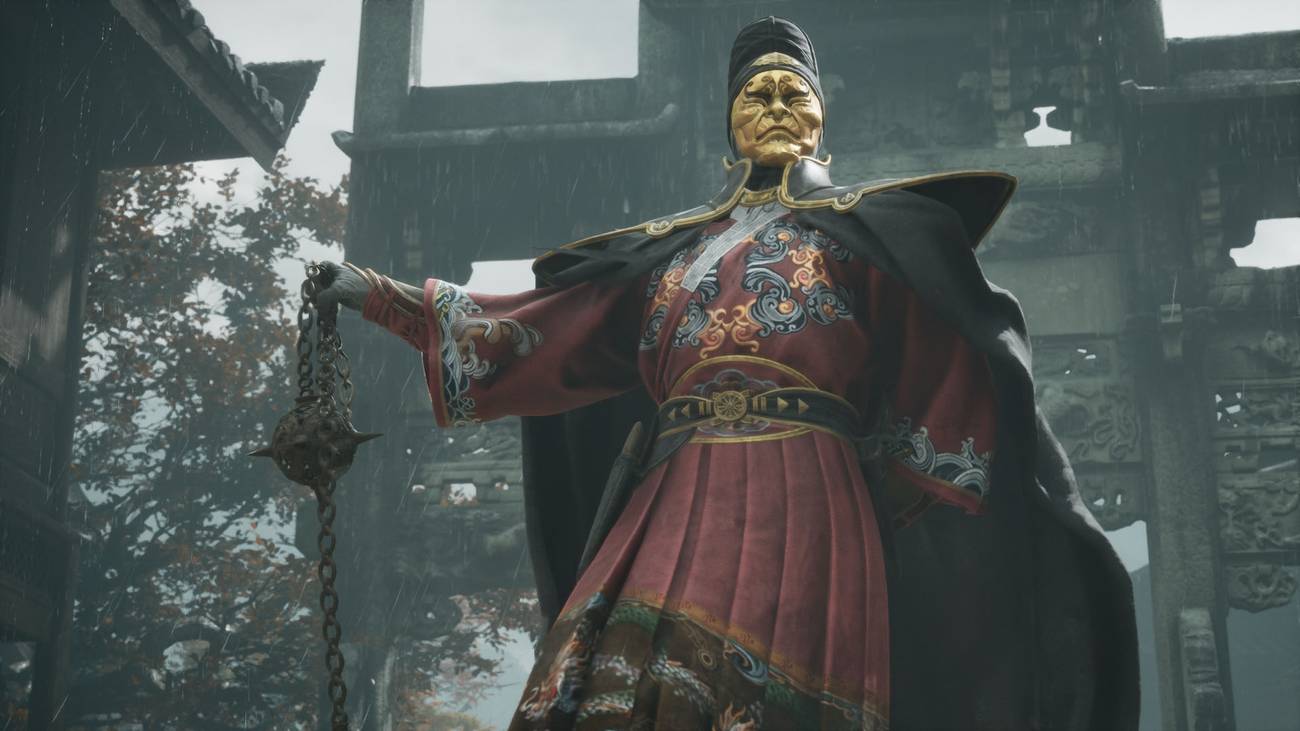 Image: S-Game via Polygon
Although S-Game designed strong and punitive bosses, it also made sure to offer enough tools to help players face them — so many that it undermined the game's most important fights. In Phantom Blade Zero, there are four difficulty options, but it doesn't take much to minimize the difficulty of a fight without changing the settings. As you explore its various maps, complete side quests, and open chests, you’ll find talismans that can either protect you from specific traits of certain bosses or outright exploit their weaknesses. At the same time, the sheer length of Phantom Blade’s weapons list makes it a fact that a few are simply stronger than the rest. I never found a good reason to stop using the Scarlet Wraithblade, which creates a field of lilies that drains enemies' HP and Sha-Chi, even though I got it in the first area.
Even the game's battle system allows room to reduce fights to simple commands, thanks to some clearly telegraphed signs of when you should defend an attack. You can either parry or dodge enemies' regular attacks, but they will often perform special attacks marked by red and blue flashes. The former indicates that your only option is to dodge, while the second signals that the attack should be parried. Landing the right defensive move at the right time rewards you with not only a cool animation but also with the removal of a considerable chunk of the enemy's Sha-Chi bar or an opportunity to slip behind the enemy.
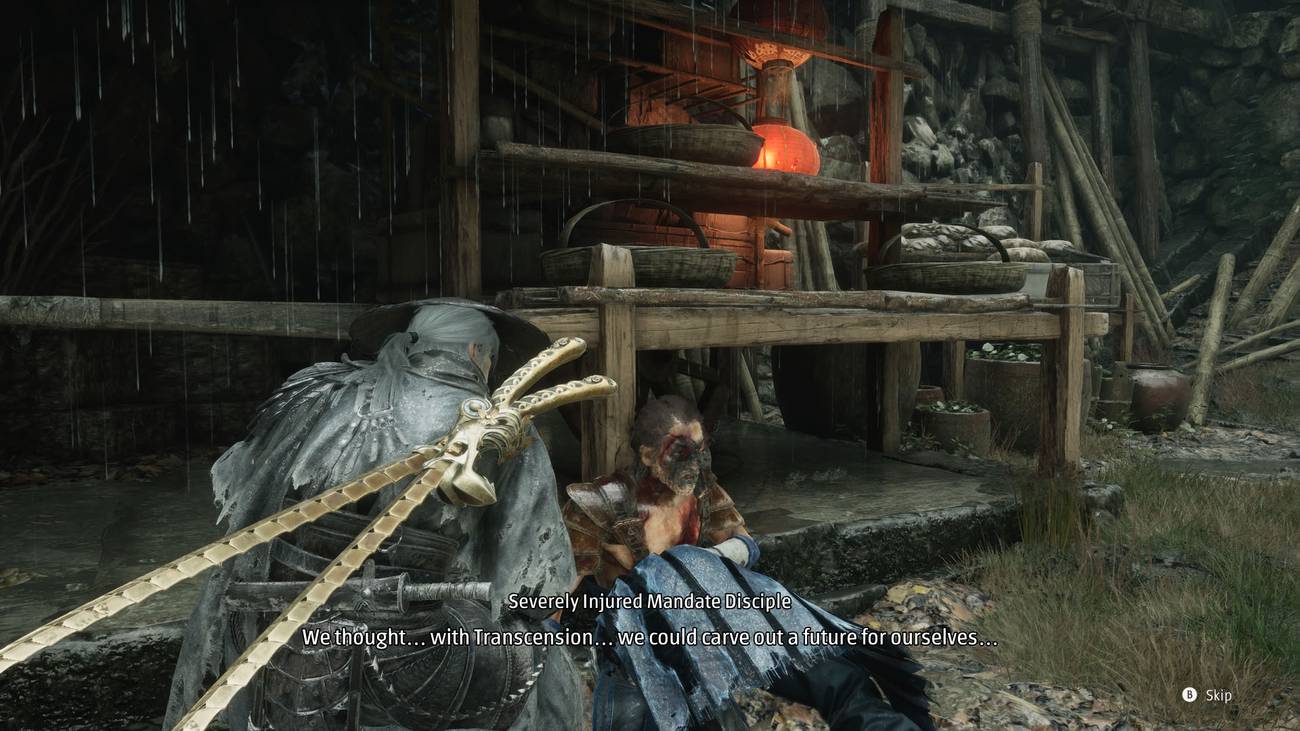 Image: S-Game via Polygon
While I understand how these visual cues make the game more accessible, they also condition players to wait for them and respond accordingly. They ensure that the spectacles continue, and that the flow of the fights never ceases. At the same time, this system shuts down the power fantasy I have when fighting epic enemies. On more than one occasion, I found myself just avoiding their attacks, leaving fields of lilies under them, and waiting for the colorful flashes to show up so I could score an easy kill. Boss fights end up feeling more like a staged play, one where I have a role to play of just pressing a button instead of being actively acting to make the show happen. Add talismans that can increase elemental defense to up to 60% or the parry and dodge windows, and a weapon that constantly reduces enemies' stamina to this questionably rigid battle design, and you have the recipe for a frustrating experience where what was already a straightforward fight becomes a bland sequence of instructions.
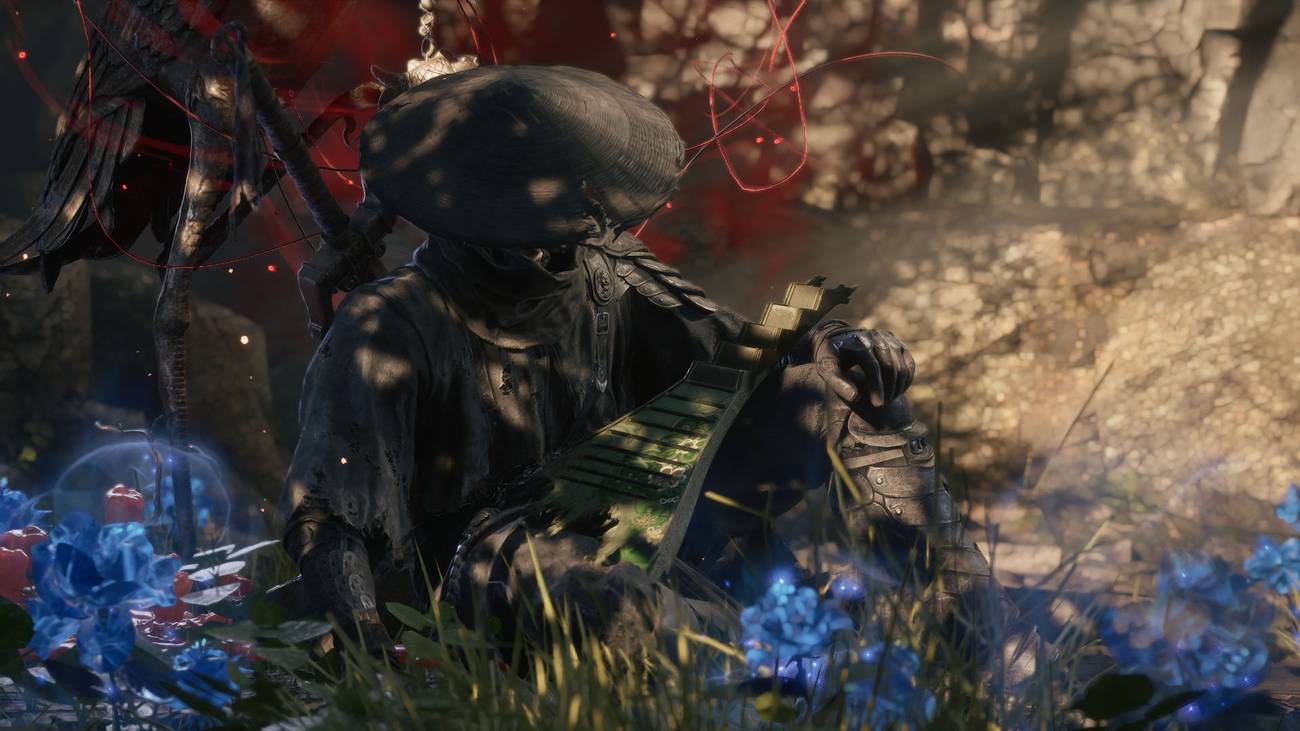 Image: S-Game via Polygon
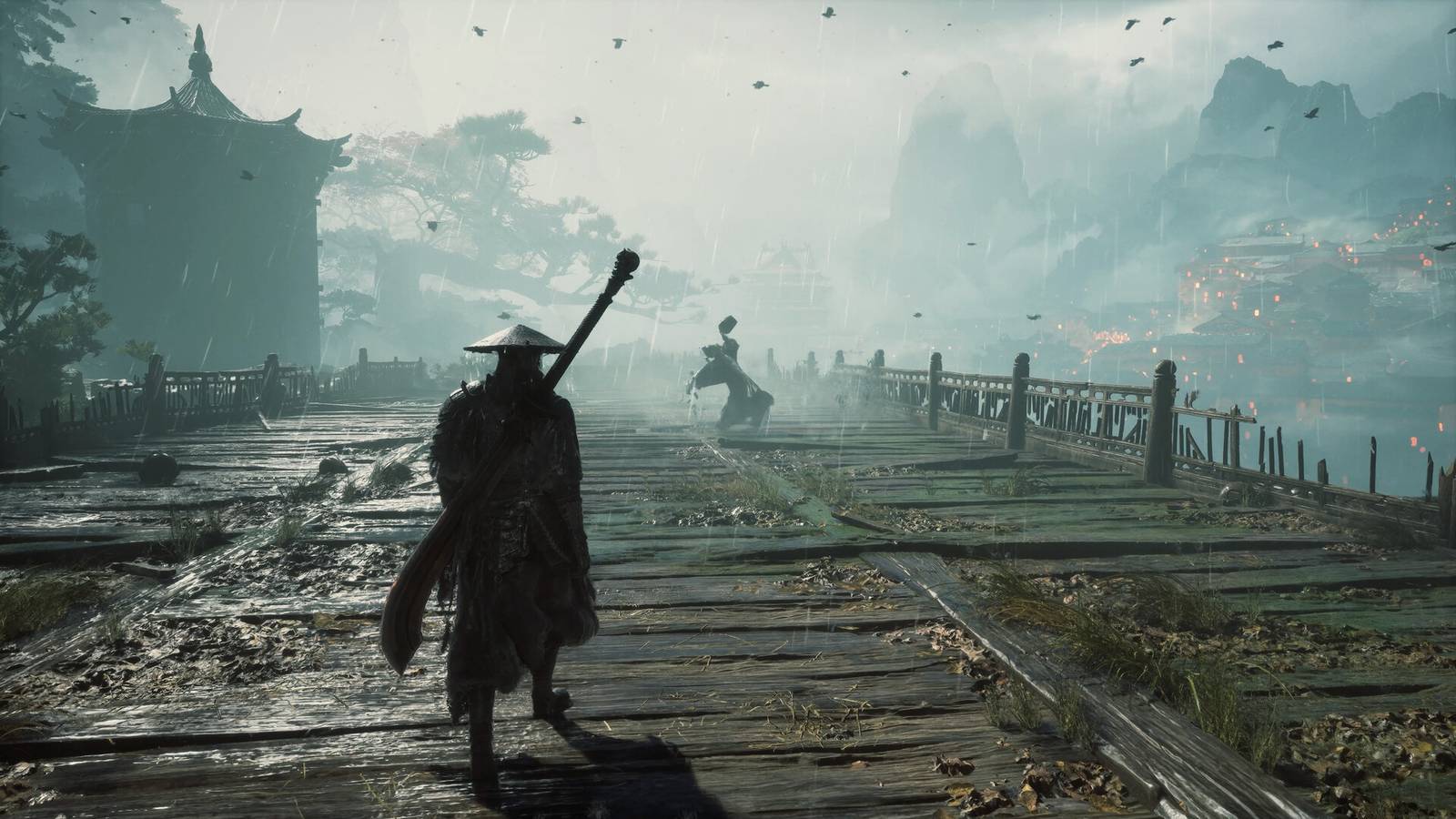
There are few joys like watching a good Wuxia movie play out on screen — an experience that S-Game recreated in Phantom Blade Zero by making every attack and dodge look like the kung-fu films of old. Even so, as dazzling as Phantom Blade Zero’s aesthetics are, it ultimately lacks putting trust in the player to act out these abilities, minimizing the active nature of the game. S-Game shows that action games can focus more on the arts, and less in the martial side of fighting sequences. It does, however, forget an important aspect of Wuxia movies. The idea is to convince the audience that those aren’t actually actors held in the air by wires, but rather that they are god-like beings doing impossible feats. For most of Phantom Blade Zero, I believed in its extraordinary tale — until the wires started to break, breaking the spell with them.



 English (US) ·