
 3 weeks ago
32
3 weeks ago
32
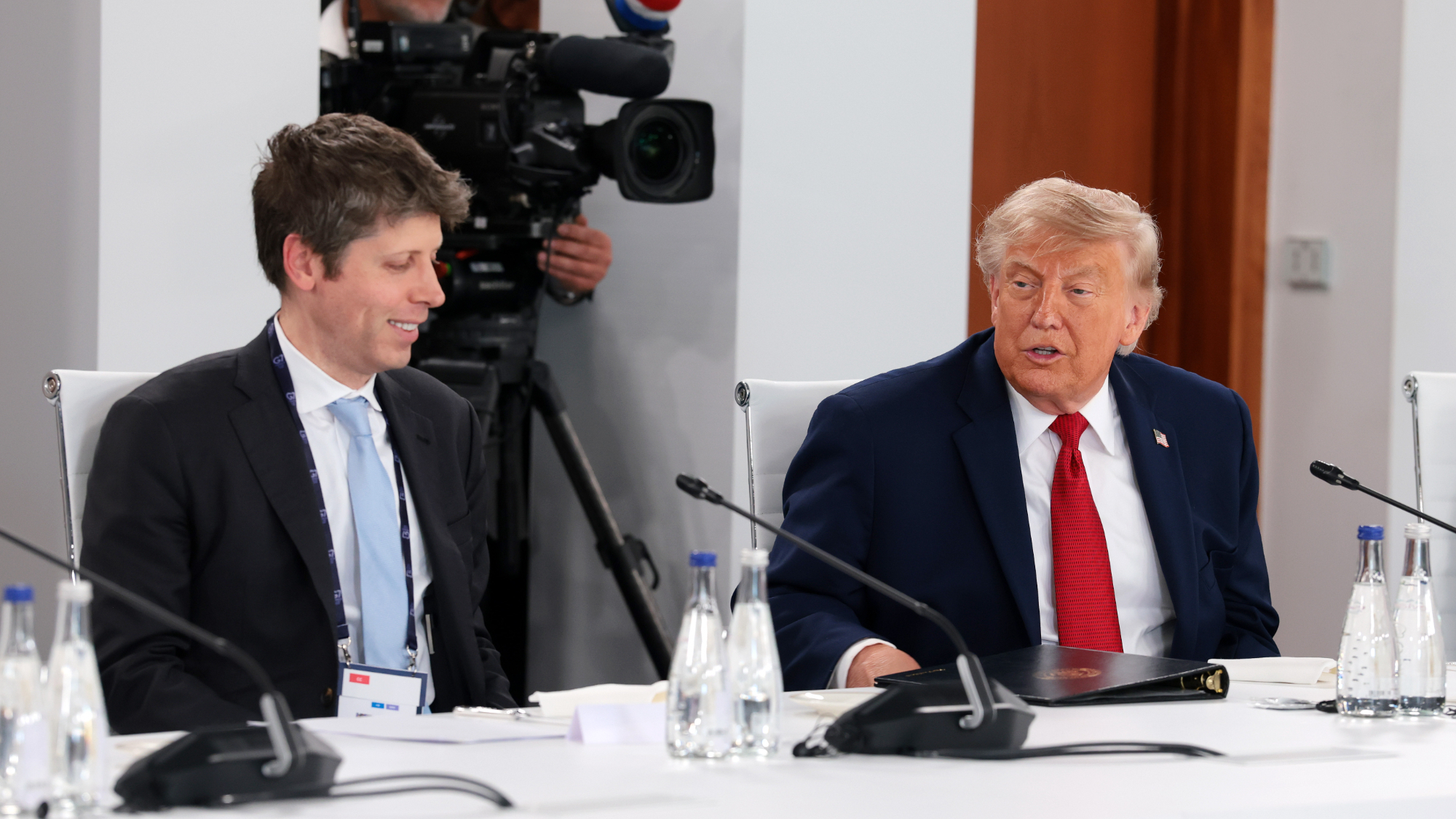
OpenAI has discussed handing the U.S. government a 5% ownership stake, the Financial Times has reported, citing two people familiar with the talks, with CEO Sam Altman proposing that every leading U.S. AI developer contribute the same share of its equity to a vehicle modeled on the Alaska Permanent Fund, which pays annual dividends to state residents from Alaska’s oil wealth. At the $852 billion valuation OpenAI set in its March funding round, a 5% stake is worth roughly $42.6 billion. The FT characterized the discussions as conceptual and early-stage, and reported that implementing any deal might require an act of Congress.
Altman is understood to have raised the idea with President Donald Trump, Commerce Secretary Howard Lutnick, and Treasury Secretary Scott Bessent, and has spoken with Senator Bernie Sanders (I-Vt.) in recent weeks. The all-labs structure would pull equity from companies, including Google, Meta, and Anthropic, none of which have indicated they would participate. OpenAI declined to comment to the FT, and the White House didn’t immediately respond.
Altman’s 5% is the smallest figure we’ve seen to date attached to public ownership of the AI sector. Sanders filed the American AI Sovereign Wealth Fund Act in June, seeking 50% of the voting shares of U.S. AI companies through a fund his office valued at $7 trillion, enough to pay every American a $1,000 annual dividend. Trump said last month that he was exploring options to give the public a stake in leading AI firms, and Vice President JD Vance said the president prefers equity over cash payouts.
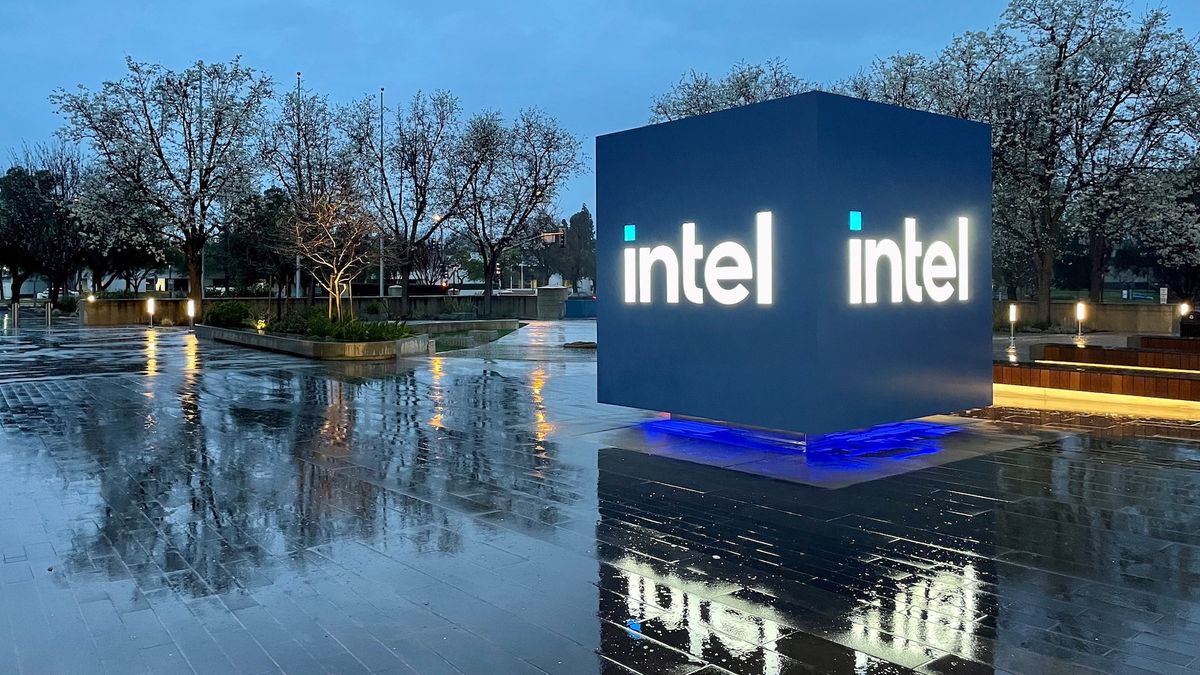
The administration has already run this playbook on chipmakers, with the federal government having taken a 9.9% stake in Intel last August by converting CHIPS Act grants into equity at $20.47 per share, and AMD and Nvidia agreed to hand over 15% of their China chip revenue in exchange for export licenses. OpenAI itself proposed a “public wealth fund” in an April policy paper, and Altman first pitched a government stake to the administration in early 2025, CNBC reported last month.
News of the talks comes just six days after OpenAI delayed the full public launch of GPT-5.6 at the government’s request, with Lutnick reportedly warning Altman against releasing the model without prior approval. Anthropic spent most of June with its Claude Fable 5 and Mythos 5 models disabled worldwide under the first U.S. export controls ever applied to an AI model rather than to hardware; access was restored yesterday.
Both OpenAI and Anthropic have confidentially filed for initial public offerings, and OpenAI faces a probe from a coalition of 42 state attorneys general. A government shareholding negotiated before a listing would lock in Washington’s position ahead of the ownership expansion that a full float brings, however.

Follow Tom's Hardware on Google News, or add us as a preferred source, to get our latest news, analysis, & reviews in your feeds.




 English (US) ·