Only 5 Sci-Fi Movies From the 2010s Can Be Considered True Masterpieces
1 week ago
7
Image via 20th Century Studios
Published May 21, 2026, 12:21 PM EDT
Michael Block is a 14 time GLAM Award nominated writer, producer, and host of the podcast Block Talk. Throughout his time in the entertainment industry, he has worked on and off Broadway as a stage manager, written several produced plays, critiqued hundreds of theatrical performances, drag and cabaret shows, and has produced events randing from drag competitoons to variety concerts!
On Block Talk, he interviews nightlife personalities, covers the wide world of entertainment through features, ranking episodes, and recaps ALL of Drag Race, as well as Dragula and Survivor. He has interviewed hundreds of RuGirls that span the globe at DragCon NYC, DragCon LA, and DragCon UK.
In his free time, he makes one-of-a-kind jewelry and gift baskets with his mom. He is a proud member of the LGBTQ+ community.
The ‘70s and ‘80s helped define science fiction, but the 2010s mastered it. As cinematic technology advanced, so did the ability to tell intricate sci-fi stories. Evolution on both sides truly benefited all. With that, the decade bore witness to some of the greatest and most impactful films in the genre. From mind-bending dreamscapes to revivals of iconic franchises, with megastars playing in the galaxy along the way, the 2010s pushed our imaginations to fascinating places.
We could easily sit here for hours and lovingly honor dozens of films, but for this debate, there are only five 2010s sci-fi flicks that are truly masterpieces. To be considered here, not only do they have to be rendered flawless, but they must have an incredible impact on the genre at large. Maybe it’s how they challenged our perception of AI or elevated CGI's ability to enhance key elements of filmmaking. Whatever it may be, these masterpieces are iconic and defined the decade in cinema.
The fear of the unknown is an easy draw for audiences, but tapping into fear is only one perspective on the story. What happens when you put a positive spin on the discussion of extraterrestrials and keep the action on Earth? You get the brilliant Denis Villeneuve masterpiece, Arrival. Based on the novella "Story of Your Life" by Ted Chiang, the film follows linguist Dr. Louise Banks (Amy Adams) as she is tasked with communicating with aliens after twelve spacecraft appear across the planet. Amidst the global panic, nations race to understand if the alien "heptapods" come in peace or arrive as a threat. Joined by physicist Ian Donnelly (Jeremy Renner), Banks begins to decipher their complex, non-linear language, discovering a form of time perception that is actually intertwined with her personal journey of love and loss.
A profound story about the power of communication, Arrival allows the story's rich themes, raw emotions, and innate intellect to stand out as a genuinely unique science fiction project. While many alien films tend to go straight to the alien invasion, where the characters attempt to prevent further damage, Arrival explores the power of prevention through peaceful measures, providing a glimpse into how languages of any kind are more connected than we might imagine. It transforms the "first contact" trope into a philosophical meditation on language through a realistic approach. Not only does it achieve that grounded feel through Villeneuve's approach, but through Adams' raw and rooted performance. In one of her strongest performances of her career, she balances the weight of being humanity's salvation and overcoming grief. Arrival is an optimistic, timely allegory about cooperation over fear. Even a decade later, it reminds us to take the time to learn and understand each other.
'Blade Runner 2049' (2017)
Image via Warner Bros. Pictures
There was much at stake when Denis Villeneuve took the helm for a Blade Runner sequel. Not only did the project have to be as good, if not better, but it needed to prevent itself from being a typical reboot sequel. Thankfully, Blade Runner 2049 expanded upon the original film's themes of humanity and artificial intelligence. The action, now set in 2049, follows LAPD Blade Runner K (Ryan Gosling), a Nexus-9 replicant who discovers that a replicant once gave birth and died in the process, a revelation that threatens to shatter the fragile order between humans and replicants. Tasked with hiding the truth, K searches for former Blade Runner Rick Deckard (Harrison Ford), uncovering deep personal secrets about his identity and humanity.
A brilliant dissertation on memory, AI, and the desire to discover what it means to be human, Blade Runner 2049 is as insightful as it is visually breathtaking. Villenueve built upon the foundation of the original to further the immersive world-building with thematic depth and a visually remarkable, neon-soaked dystopian landscape. Alongside its exuberant visual effects and Roger Deakins' cinematography, both of which walked away with Academy Awards, Blade Runner 2049's futuristic landscape felt tangible and closer to reality than ever before. Ultimately, it had all the right ingredients that made it a beloved masterpiece, resulting in a sequel with a distinct identity, inviting a new generation to the story. Now, we wait for Blade Runner 2099!
Collider Exclusive · Sci-Fi Survival QuizWhich Sci-Fi World Would You Survive?The Matrix · Mad Max · Blade Runner · Dune · Star Wars
Five universes. Five completely different ways the future went wrong — or sideways, or up in flames. Only one of them is the world your instincts were built for. Eight questions will figure out which dystopia, galaxy, or desert wasteland you'd actually make it out of alive.
💊The Matrix
🔥Mad Max
🌧️Blade Runner
🏜️Dune
🚀Star Wars
TEST YOUR SURVIVAL →
01
You sense something is deeply wrong with the world around you. What do you do?The first instinct is often the truest one.
APull on every thread until I understand the system — then figure out how to break it.
BStop asking questions and start stockpiling — food, fuel, weapons. Questions don't keep you alive.
CKeep my head down, observe carefully, and trust no one until I know who's pulling the strings.
DStudy the patterns. Every system has a rhythm — learn it, and you learn how to survive it.
EFind the people fighting back and join them. You can't fix a broken galaxy alone.
NEXT QUESTION →
02
In a world of scarcity, what resource do you guard most fiercely?What we protect reveals what we believe survival actually requires.
AKnowledge. If you understand the system, you don't need resources — you can generate them.
BFuel. Everything else — movement, power, escape — runs on it.
CTrust. In a world of fakes and informants, a truly reliable ally is rarer than any commodity.
DWater. And after water, information — the two things empires are truly built on.
EShips and credits. The galaxy is big — you survive it by being able to move through it freely.
NEXT QUESTION →
03
What kind of threat keeps you up at night?Fear is useful data — if you're honest about what you're actually afraid of.
AThat reality itself is a lie — that everything I experience has been constructed to keep me compliant.
BA raid. No warning, no mercy — just the roar of engines and then nothing left.
CBeing identified. Once someone with power decides you're a problem, you're already out of time.
DBeing outmanoeuvred — losing a political game I didn't even know I was playing.
EThe Empire tightening its grip until there's nowhere left to run.
NEXT QUESTION →
04
How do you deal with authority you don't trust?Every dystopia has a power structure. Your approach to it determines everything.
ASubvert it from the inside — learn its rules well enough to weaponise them against it.
BIgnore it and stay out of its reach. The further from any power structure, the better.
CAppear to comply while doing exactly what I need to do. Visibility is the enemy.
DManoeuvre within it carefully. You can't beat a system you refuse to understand.
EResist openly when I have to. Some things are worth the risk of being seen.
NEXT QUESTION →
05
Which environment could you actually endure long-term?Survival isn't just tactical — it's physical, psychological, and very much about where you are.
AUnderground bunkers and server rooms — cramped, artificial, but with access to everything that matters.
BOpen wasteland — brutal sun, no shelter, constant movement. At least the threat is honest.
CA dense, rain-soaked city where you can disappear into the crowd and nobody asks questions.
DMerciless desert — extreme heat, no water, and something enormous living beneath the sand.
EThe fringe — backwater planets and busy spaceports where the Empire's attention rarely reaches.
NEXT QUESTION →
06
Who do you want in your corner when things fall apart?The company you keep is the clearest signal of who you actually are.
AA tight crew of believers who've seen behind the curtain and have nothing left to lose.
BOne or two people I'd trust with my life. Any more than that and someone talks.
CNobody, ideally. Alliances are liabilities. I work alone unless I have no choice.
DA community bound by shared hardship and mutual survival — people who need each other to last.
EA ragtag team with wildly different skills and total commitment when it counts.
NEXT QUESTION →
07
Where do you draw the line — if you draw one at all?Every survivor eventually faces a moment that tests what they're actually made of.
AI won't harm the innocent — even the ones who'd report me without hesitation.
BI do what I have to to protect the people I've chosen. Everything else is negotiable.
CThe line shifts depending on who's asking and what's at stake.
DI draw a long-term line — nothing that compromises my people's future, even if it'd help now.
ESome lines, once crossed, can't be uncrossed. I know which ones they are.
NEXT QUESTION →
08
What would actually make survival worth it?Staying alive is one thing. Having a reason to is another.
AWaking others up — dismantling the illusion so no one else has to live inside it.
BFinding somewhere — or someone — worth protecting. A reason to keep moving.
CAnswers. Understanding what I am, what any of this means, before time runs out.
DLegacy — shaping the future in a way that outlasts me by generations.
EFreedom — for myself, for others, for every world still living under someone else's boot.
REVEAL MY WORLD →
Your Fate Has Been CalculatedYou'd Survive In…
Your answers point to the world your instincts were built for. This is the universe your temperament, your survival instincts, and your particular brand of stubbornness were made for.
The Matrix
You took the red pill a long time ago — probably before anyone offered it to you. You're a systems thinker who can't help but notice the seams in things.
You're drawn to understanding how the system works before figuring out how to break it.
You'd find the Resistance, or it would find you — your instinct for spotting constructed realities is the machines' worst nightmare.
You function best when you have access to information and the freedom to act on it.
The Matrix built an airtight prison. You'd be the one probing the walls for the door.
Mad Max
The wasteland doesn't reward the clever or the well-connected — it rewards those who are hard to kill and harder to break. That's you.
You don't need comfort, community, or a cause larger than the next horizon.
You need a vehicle, a clear threat, and enough fuel to outrun it — and you're good at all three.
You are unsentimental enough to survive that world, and decent enough — just barely — to be something more than another raider.
In the wasteland, that distinction is everything.
Blade Runner
You'd survive here because you know how to exist in moral grey areas without losing yourself completely.
You read people accurately, keep your circle small, and ask the questions others prefer not to answer.
In a city where humanity is a legal designation rather than a feeling, you hold onto something that keeps you functional.
You're not a hero. But you're not lost, either.
In Blade Runner's world, that distinction is everything.
Dune
Arrakis is the most hostile environment in the known universe — and you are precisely the kind of person it rewards.
Patience, discipline, and political awareness are your core strengths — and on Arrakis, they're survival tools.
You understand that the long game matters more than any single victory.
Others come to Dune and are consumed by it. You'd learn its logic and earn its respect.
In time, you wouldn't just survive Arrakis — you'd begin to reshape it.
Star Wars
The galaxy far, far away is vast, loud, and in a constant state of violent political upheaval — and you wouldn't have it any other way.
You find meaning in being part of something larger than yourself — a cause, a crew, a rebellion.
You'd gravitate toward the Rebellion, or the fringes, or whatever pocket of the galaxy still believes the Empire's grip can be broken.
You fight — not because you have to, but because standing aside isn't something you're capable of.
In Star Wars, that willingness is what makes all the difference.
↻ RETAKE THE QUIZ
'Dawn of the Planet of the Apes' (2014)
Image via 20th Century Studios
The original Planet of the Apes films hold a very special place in the history of science fiction. In 2011, the franchise was rebooted, but as brilliant as Rise of the Planet of the Apes was, the sequel stands out at the top of the pack. Directed by Matt Reeves, Dawn of the Planet of the Apes is set ten years after the Simian Flu pandemic decimated humanity. Caesar (Andy Serkis), the leader of an advanced ape community in Muir Woods, finds his peace threatened when they encounter human survivors, led by Malcolm (Jason Clarke), in San Francisco, leading to a betrayal by Koba (Toby Kebbell), a bonobo with a vendetta against humans, and a brutal war for dominance.
An almost Shakespearean-level tragedy set in a sci-fi dystopia, Dawn of the Planet of the Apes transcends the typical popcorn blockbuster for a substantial spectacle with rich themes, expanding upon the brilliance of its predecessor. The film truly is the "Apefather," not only in the way politics play into the story, but also in how it is stronger than its predecessor. Dawn of the Planet of the Apes is a brilliant exploration of how the need for peace is decimated by the desire for power and revenge. The story breaks away from the easy good-versus-evil narrative to tackle the complexity of war, the dangers of prejudice, and the struggle to maintain peace in a time of chaos. Though there are certainly shades of Animal Farm woven in, this sequel emerges as its own unique entity. The intensity of emotions stemming from the apes is, at times, more genuine than their human counterparts, thus increasing the tragedy at the center of the story.
'Her' (2013)
If there is one film that has aged quite perfectly, it's Her. Since its release in 2013, artificial intelligence has evolved, meaning the Spike Jonze sci-fi romantic drama still manages to pack a powerful punch. Her tells the story of Theodore Twombly (Joaquin Phoenix), a lonely, introverted, heartbroken letter writer who develops a deep, intimate romantic relationship with Samantha (Scarlett Johansson), an advanced AI-powered operating system designed to adapt and evolve to meet his every need. As their friendship evolves into a complex bond, Theodore is forced to confront the limitations of physical reality and human intimacy.
A breathtaking look at love, technology, and isolation, Her is a modern-day meditation on emotional expression and the buffer that builds against messy human interactions. It is a richly resonant masterpiece that tackles human connection, or lack thereof, in a tech-dominated world. The story may have seemed distant at the time of release, but Herrightly predicted the complicated paradox of being hyper-connected yet deeply isolated as a result of the surrounding technology. That said, Jonze's story doesn't demonize technology; instead, it serves as a cautionary tale for how we seek out the intimacy we desperately need. The film thrives through the beautiful aesthetic, using a soft, warm color palette that is a far cry from typical science fiction projects, with cinematographer Hoyte van Hoytema presenting this world as almost dream-like. Phoenix portrays Theodore as immensely vulnerable and lonely, someone you easily rally behind.
'Inception' (2010)
Image via Warner Bros. Pictures
Science fiction films often explore similar topics, like space, aliens, time travel, robots, and the like, but one topic that rarely gets deeply explored is dreams. It's something we all have and experience, so why not tap into the power, fear, and depths of dreams? Well, Christopher Nolan did so in the masterfully thrilling action masterpiece Inception. Dom Cobb (Leonardo DiCaprio) is a thief who steals corporate secrets by entertaining targets' subconscious minds through shared dream technology. To return home to his children, Dom takes on one final mission: not to steal an idea, but to plant one into the mind of Robert Fischer (Cillian Murphy), the heir to a business empire. Recruiting a team to navigate multiple, nested dream levels to plant the idea as the perfect crime, Dom must navigate his grief as he's haunted by his deceased wife, Mal (Marion Cotillard).
Inception is a genre-blending masterpiece that balances intellectual science fiction with a heist structure to create a story unlike very few before. Like many Nolan projects, Inception is remarkably good-looking; through the use of in-camera effects over CGI, scenes, including the rotating hallway fight and the folding cityscape, appear tactile and substantial. It alsoboasts a brilliant ensemble playing engaging characters that keep the narrative moving at a brisk pace. Inception dazzles on screen, but it also allows you to play along. The story may feel dense, but it's accessible. As viewers continue to debate the spinning top, it proves just how powerful this game-changing gem was.

 Image via 20th Century Studios
 Image via Jan Thijs / © Paramount Pictures / Courtesy Everett Collection
 Image via Warner Bros. Pictures
 Image via 20th Century Studios
 Image via Warner Bros. Pictures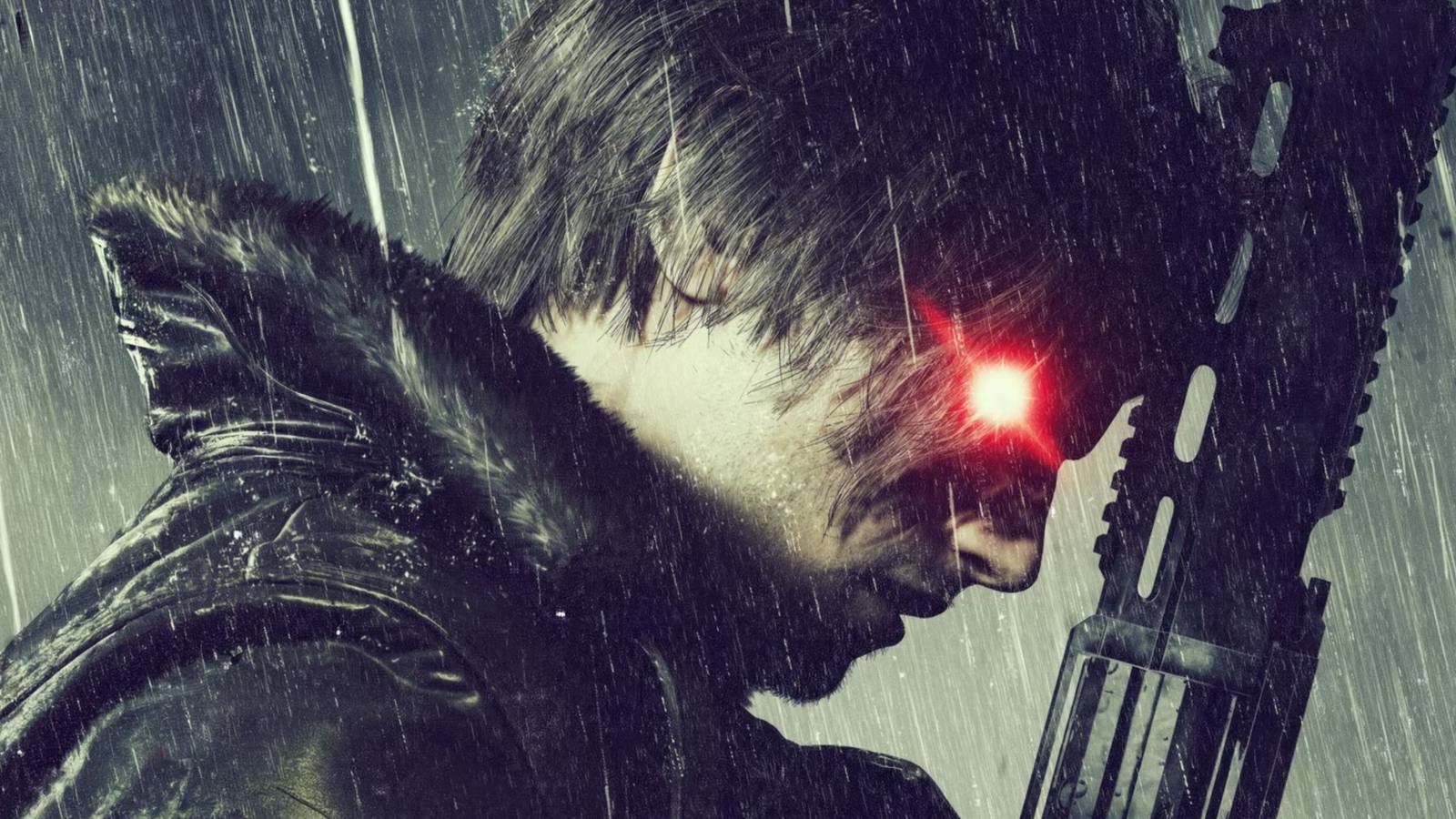





 English (US) ·