Dani Kessel Odom (they/them) is an autistic lead writer and TV critic who frequently covers sci-fi shows like Doctor Who and Pluribus, fantasy shows like The Magicians and Percy Jackson, horror,andsuperheroes. Their specialty is onscreen book adaptations. Their TV reviews can be found on Rotten Tomatoes.
They have covered events, such as the Denver Fan Expo. Professionals in the field, such as Damien Leone and Lucy Hale, have shared their articles. Their review for Ponies was quoted in the show's TV trailer.
In university, they majored in English Writing with a minor in psychology. They have always had a passion for analyzing TV and movies, even taking filmography and scriptwriting classes in university. They also studied and participated in onstage and onscreen acting extensively from the ages of 7 to 18.
Aside from working at Screen Rant, Dani has worked as a freelance editor and writer over the past decade, often in a ghostwriting capacity.
This article includes mentions of suicide and discussions of PTSD, as well as SPOILERS for Man on Fire.
Plus, the 2004 version of Man on Fire is beloved by audiences, even though it didn’t fare well with critics. Truly, the movie is great. That said, it isn’t infallible. The editing style is frenetic and really distracting. Similarly, the movie has one big narrative issue.
Denzel Washington’s Man on Fireminimizes John Creasy’s PTSD symptoms, focusing on his alcoholism and suicidality. As someone with a background in psychology and mental health journalism, I appreciated the way the TV show Man on Fire fixes this problem. Ultimately, the deeper exploration of John Creasy’s PTSD is one of the many things that make the series so fantastic.
If you or someone you love is experiencing suicidal ideation, there is hope. Suicide is never the answer. Please call 988 (US) or visit thehotline.org (US) or findahelpline.com (international) for help.
Netflix's Man On Fire Handles John Creasy's Trauma With More Care
From the start, Netflix’s Man on Fire team knew they wanted to handle John Creasy’s trauma in a different way than the 2004 Denzel Washington movie. When director/executive producer Steven Caple Jr. spoke with Comicbook.com about the show, this is what he said:
“Probably the traumatic tropes. I think we found our way with the sort of pillowcase over his head and, like, found a visual representation of this unique way of someone handling their dark past.
As much as he is drinking here and there, it wasn’t just a movie or a show solely about alcoholism or a drug or any kind of substance. And we were trying to both visually stay away from it, character-wise. And even Kyle in the writing was like, ‘How do we make sure that that’s not just the case?’ That is something much deeper.”
Alcohol abuse or co-occurring alcohol use disorder absolutely can absolutely be a part of PTSD. In the 2023 study using data from the National Epidemiological Survey on Alcohol and Related Conditions–III found that 46.4% of people with PTSD met the criteria for either Alcohol Use Disorder or Non-Alcohol Substance Use Disorder (from Social Psychiatry and Psychiatric Epidemiology via Springer Nature Link).
However, those symptoms alone aren’t enough for him to receive a PTSD diagnosis based on the DSM-IV-TR, which would have been used back in 2004, nor would they fit the current diagnostic criteria. There is so much more to PTSD. Luckily, the longer format of the Man on Fire TV show allowed them to devote more time and attention to John Creasy’s mental state.
Netflix's Man On Fire Shows The Complexity & Long-Term Impacts Of Trauma
Netflix’s Man on Fire shows trauma as more complex, and it doesn’t shy away from the painful symptoms of PTSD. Of course, Creasy still drinks and attempts suicide. Those are core parts of every single adaptation. However, Creasy is also shown having frequent flashbacks and nightmares that interrupt his daily life.
He avoids situations that would trigger him, isolating himself from everyone in his past life at the start of the show. He has trauma responses that go beyond fight or flight. Instead, he tends to freeze or faint with some of his triggers. These are important to see on TV because most people don't know all of the 6Fs: fight, flight, freeze, fawn, flop, and faint. This show widens the scope of trauma representation.
Yahya Abdul-Mateen II captures the terrifying experience of PTSD perfectly, from the muscle contractions to the panic and terror that come from the symptoms.
What's more, theMan on Fire TV show was also smart enough to contrast Creasy’s severe PTSD diagnosis with Poe’s acute trauma symptoms. They both experience the aftermath of trauma differently, with a few overlapping symptoms. It’s refreshing to see more than one representation of trauma symptoms in Man on Fire.
I also really loved seeing Creasy and Poe lean on each other and help one another heal, even if just a little bit. Not only is it endearing to watch, but it's also a great example of community-based healing, a cornerstone of many treatment philosophies.
Release Date
April 30, 2026
Network
Netflix
Showrunner
Kyle Killen
Directors
Steven Caple Jr., Vicente Amorim, Clare Kilner, Michael Cuesta

 Guilherme Leporace/Netflix © 2024
 Juan Rosas/Netflix © 2024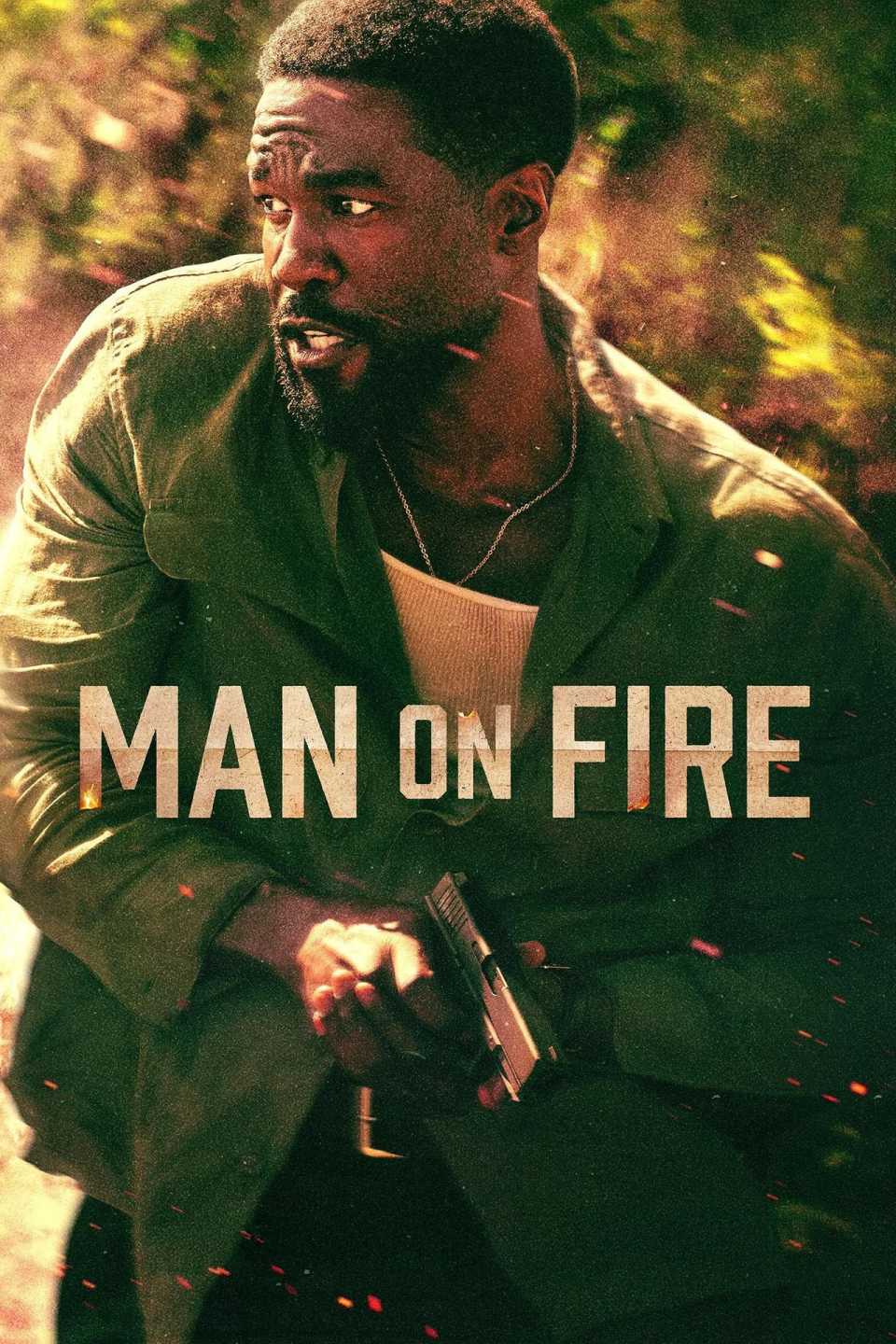






 English (US) ·