
 3 weeks ago
40
3 weeks ago
40
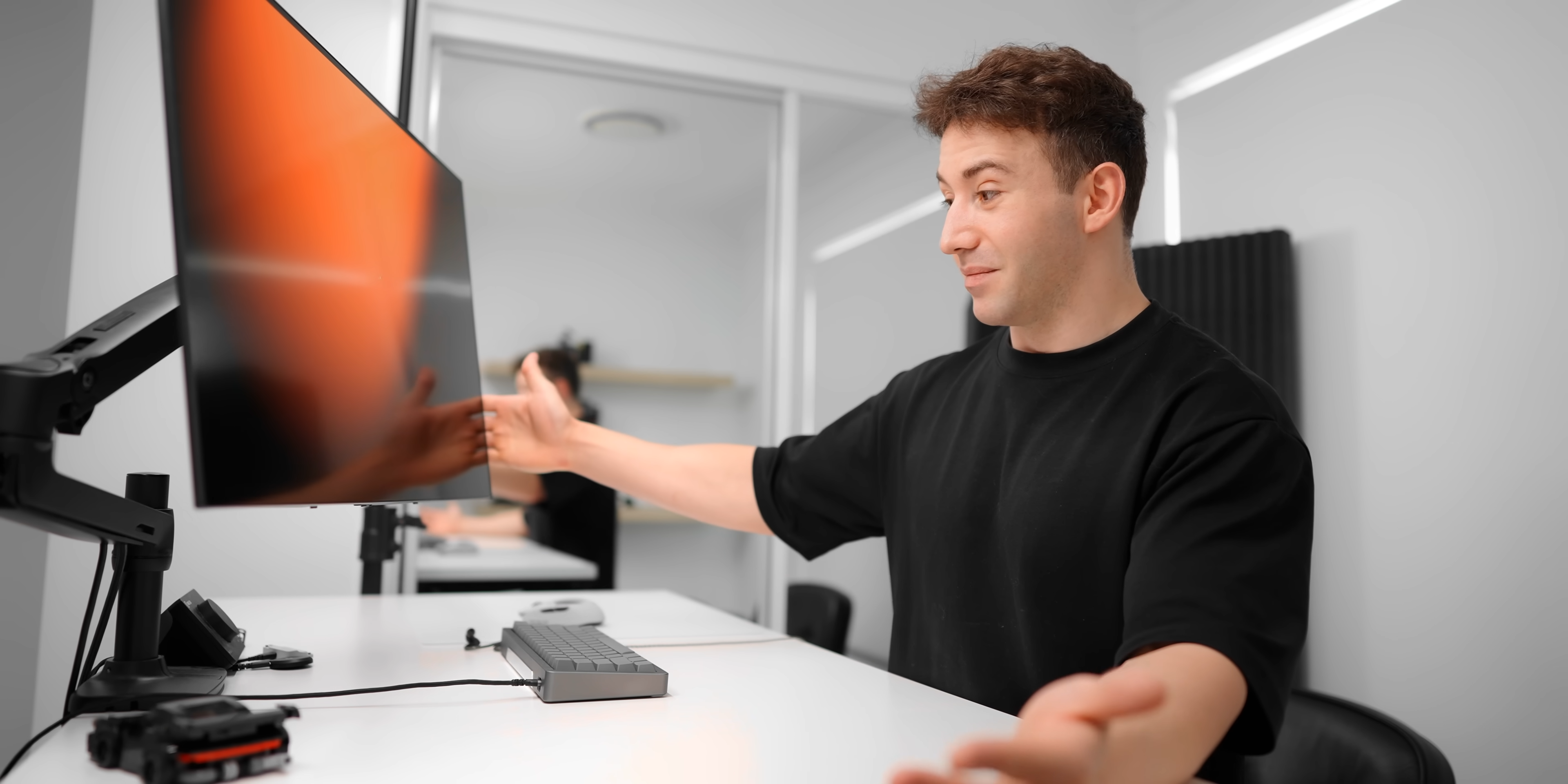
Image retention, commonly known as burn-in, remains a major concern for prospective OLED buyers despite advances in countermeasures. The various benefits of self-lit pixels, such as infinite contrast ratio and instantaneous response times, are often overshadowed by longevity woes. This latest burn-in test from YouTuber Optimum shows that unless you're abusing your display, there's little to worry about.
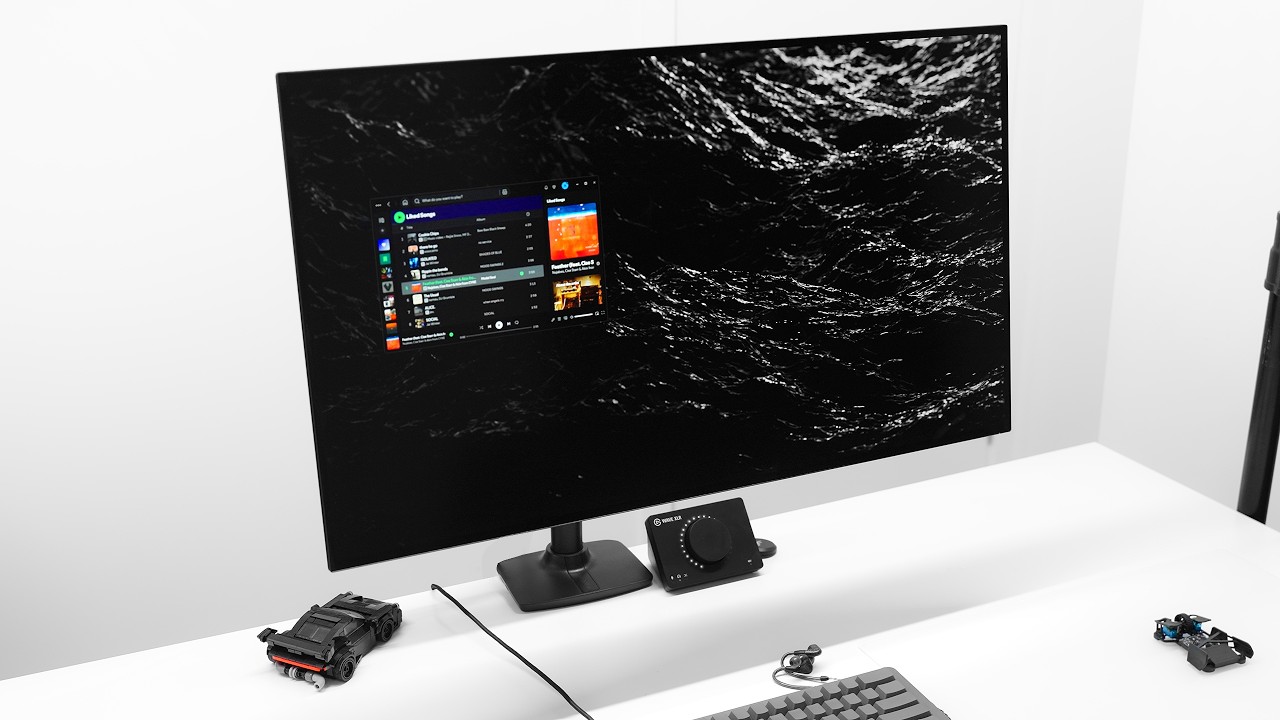
For two years, Optimum has been using an LG 32GS95UE-B dual-mode 32-inch OLED monitor with native 4K resolution at 240 Hz, which can be doubled to 480 Hz at 1080p. He's logged over 3,000 hours on this bad boy, mostly playing Overwatch (2) and working on DaVinci Resolve and Fusion 360. All three apps have many static elements, so this should be a solid real-world test.
My OLED burn-in after 3000hrs. - YouTube
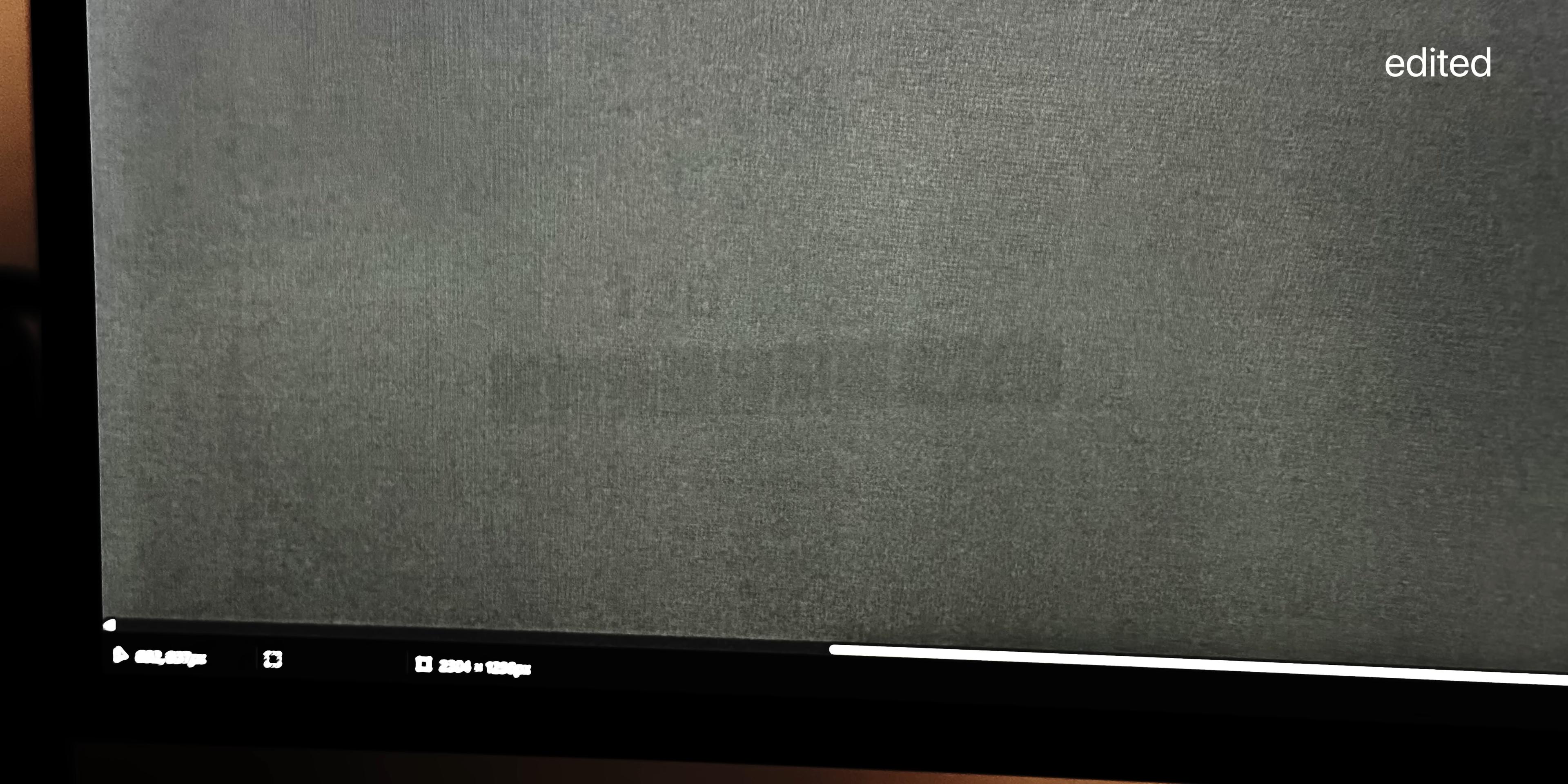
So, after all that wear, was there any burn in? The answer is yes, mainly from Overwatch, with close to 500 hours logged in the game. The health bar in the bottom-left corner was slightly retained and visible on a grey background, alongside the player card next to it. These dying pixels were very hard to notice, even on cherry-picked fullscreen colors, and Optimum had to edit the pictures to make them easier to see.
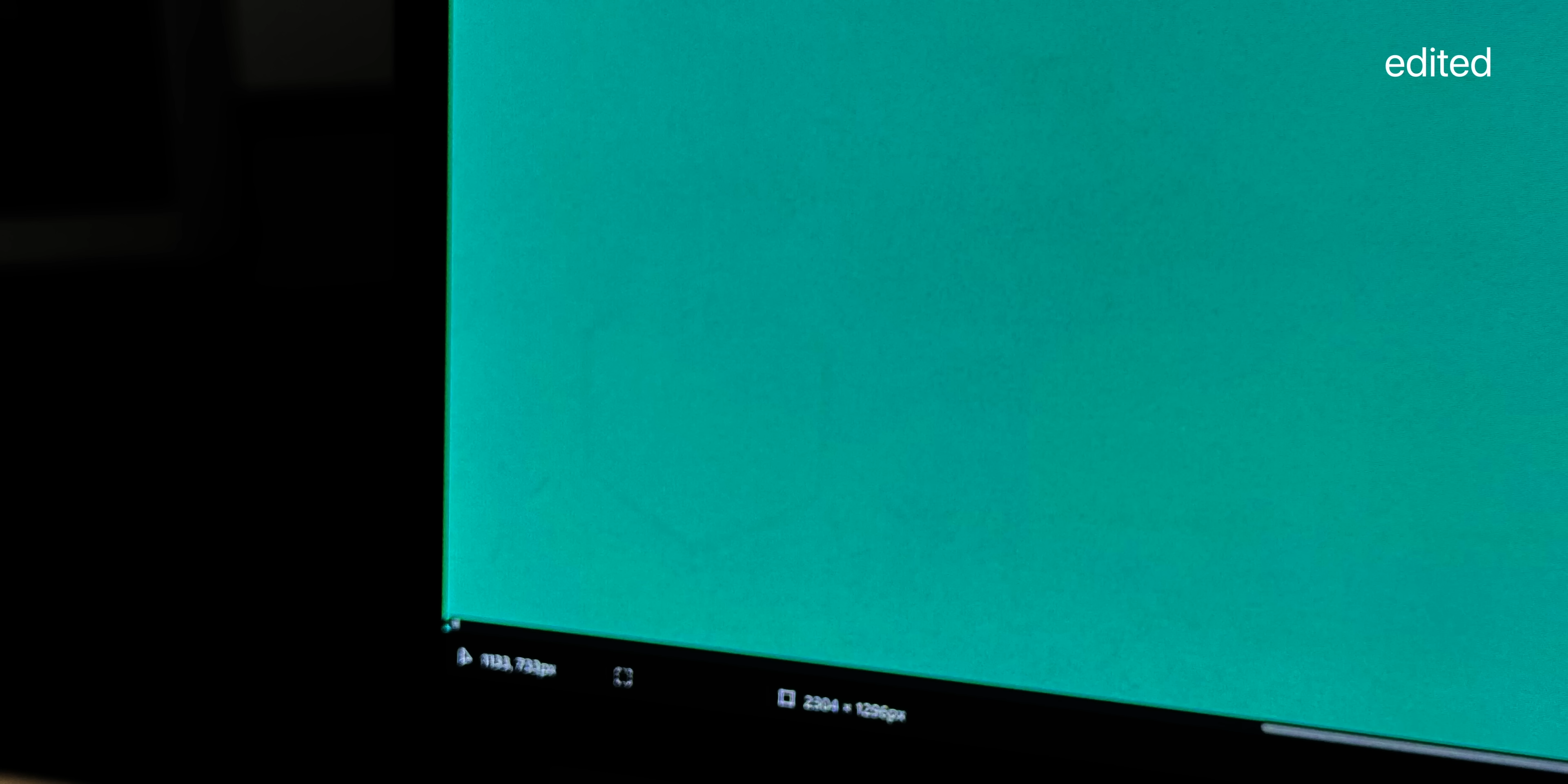
The only other burn-in was from DaVinci Resolve's scroll bars in the editing timeline, positioned at the bottom-right corner, but this was even less perceptible. There was no other sign of image retention across the screen, but the overall peak brightness dropped from 262 nits to 258 nits after 3,000 hours. That's still basically as good as new, a sentiment Optimum mirrored in his video.
This usage pattern was fairly realistic rather than the simulated stress applied to displays, as we've seen before with Rtings.com's testing. That's not to say those results aren't valid; if anything, roughing up these OLED screens better demonstrates how they'll hold up over time beyond their warranties. As such, Optimum even advises using the generous 3-year support window you get from most vendors these days if you notice burn-in.
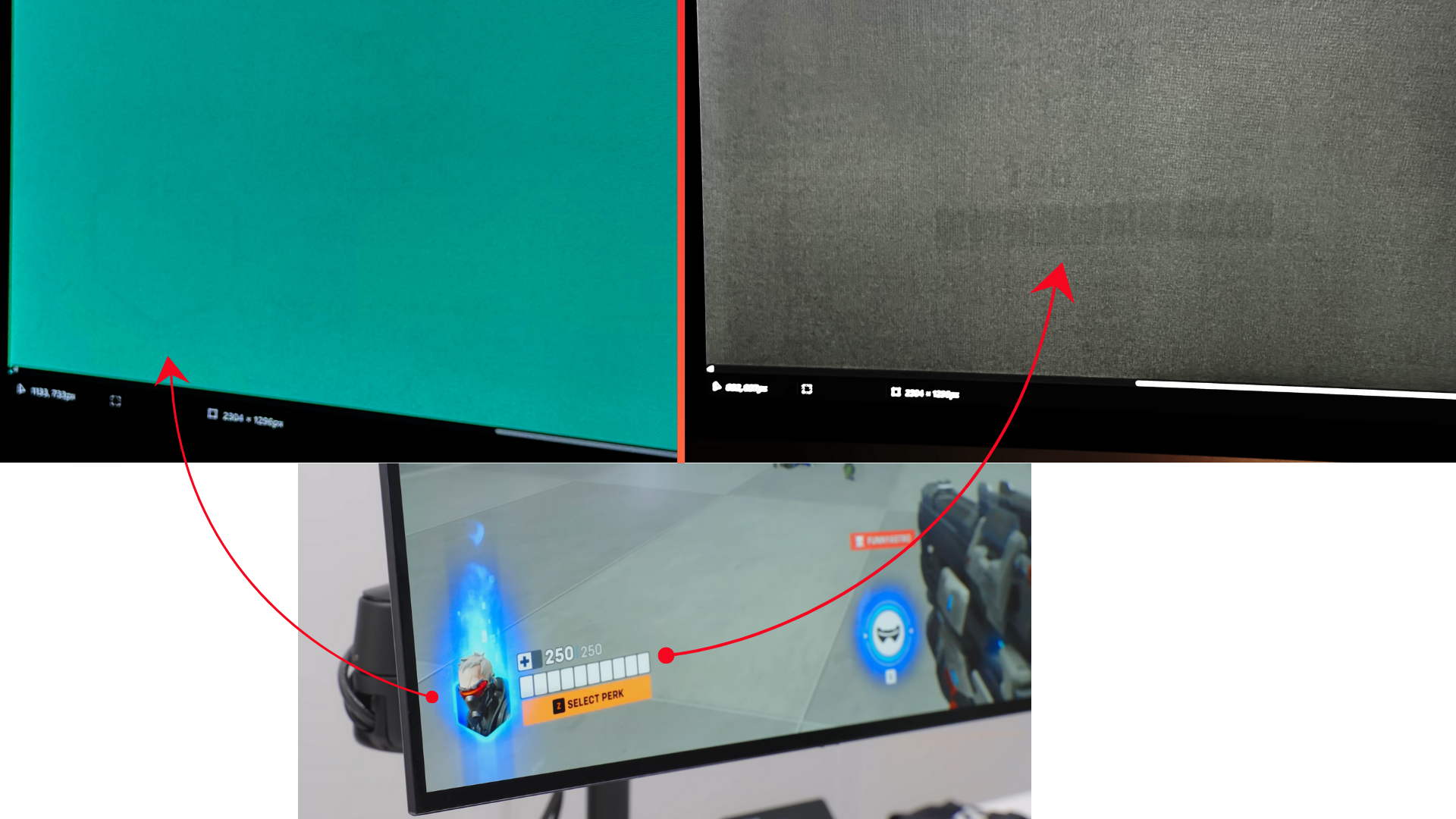
Moreover, his routine included just one game and two apps, which would be a sort of torture-test scenario. If you're switching between different games and changing what's on your screen frequently, you're likely to see better results. At the same time, if you use snapped windows and don't hide your taskbar, those will be the first areas affected by image retention, likely before any in-app elements.
The video repeatedly states that slight image retention is not noticeable in everyday use, even if you look for it. That being said, the Overwatch bits burned-in were caused by an average of 30 minutes played per day, so if your playtime is higher than that for one specific game, there will be a heightened chance of burn-in.
Optimum ends the video by recommending keeping all the panel care features enabled, which we concur with, especially pixel refresh, which shifts individual pixels to help them wear down less easily. OLED burn-in is something that can never honestly go away — it's a byproduct of the tech rather than something conventionally "solvable" — so the best we can do is to be just a bit more careful with our expensive gear.

Follow Tom's Hardware on Google News, or add us as a preferred source, to get our latest news, analysis, & reviews in your feeds.





 English (US) ·