
 3 hours ago
7
3 hours ago
7
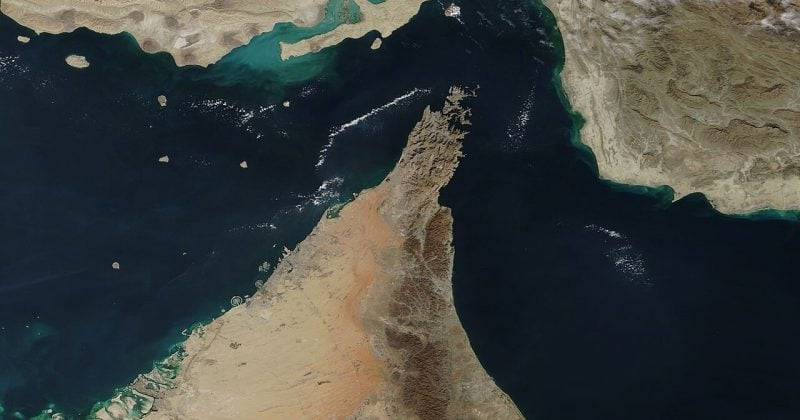
Oil prices have surged following new U.S. military strikes on Iran, as geopolitical tensions continue to escalate. Disputes between Tehran and Washington over the strategic Strait of Hormuz have further fueled market concerns. Jane Foley from Rabobank commented that markets seem to be interpreting the conflict with cautious optimism, viewing the situation through a “glass half-full” perspective. The Brent crude benchmark has reached approximately $76.80 per barrel amid fears of potential supply disruptions through the Strait, which is crucial for global oil transit. The ongoing U.S. naval blockade and the stalled reopening of the Strait have introduced a geopolitical risk premium into oil prices.
Key Takeaways
- Market behavior suggests an increased probability of oil prices reaching a new all-time high by September 30, consistent with ongoing geopolitical tensions.
- Current market pricing indicates participants see a higher likelihood of WTI crude oil reaching $130 in July, reflective of the heightened conflict.
- The situation in the Strait of Hormuz remains a critical factor, as its closure continues to impact global oil supply concerns.
What to Watch
Upcoming developments in U.S.-Iran relations will be crucial, particularly any announcements regarding the reopening of the Strait of Hormuz. Statements from key actors, such as OPEC and the International Energy Agency, may influence market perceptions and pricing. Observers should look for any shifts in U.S. foreign policy or military actions that could alter the current geopolitical landscape, potentially affecting crude oil supply and prices.
Get live prediction-market analysis, powered by Vera. Sign up for Vera.
Disclosure: This article was edited by Estefano Gomez. For more information on how we create and review content, see our Editorial Policy.







 English (US) ·