
 2 hours ago
3
2 hours ago
3
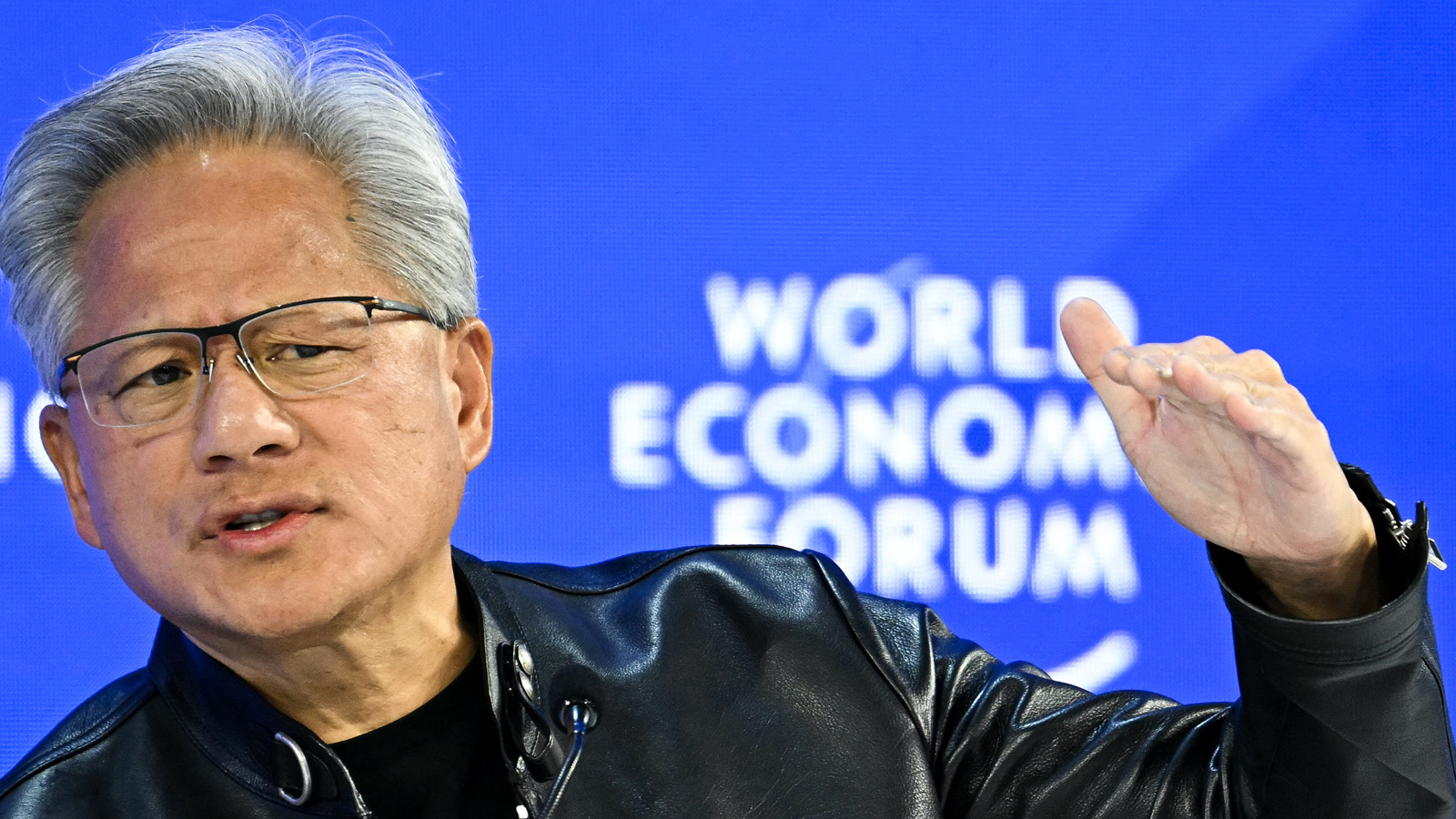
Nvidia has sold off the last of its shares in Arm Holdings, some six years after it attempted to buy the company outright for $40 billion, but was stopped by EU and UK regulators, as Bloomberg reports. This amounts to 1.1 million shares worth an estimated $140 million. Though this draws to a close Nvidia's ownership ambitions, it won't end the partnership, with Nvidia and ARM still set to work together on its Arm-based CPUs, including in its Vera Rubin platform.
The actual share disposal took place sometime in the last few months of 2025, with only the filing now revealing the divestment of Nvidia's ARM holdings. It feels a little anticlimactic after talk of such enormous deals not so long ago. But in 2026, that deal has in turn been dwarfed by the scale of investments among the major tech firms, often reaching into the hundreds of billions.
The deal that never was
Go deeper with TH Premium: Chipmaking
In September 2020, while the world was grappling with the global pandemic, Nvidia was making moves to purchase British software and semiconductor design firm, Arm Holdings. Its majority shareholder, Softbank - the same Japanese investment firm that has invested so heavily in OpenAI and many other AI players approved the deal, and the agreed figure was set at $40 billion. If it had been finalized, it would have been one of the largest semiconductor company acquisitions ever, falling just behind Dell's $64 billion purchase of EMC in 2016.
Nvidia pledged to maintain Arm's licensing model and would continue to work with major partners like Samsung, Qualcomm, and Apple, among others. But those same companies weren't so keen, and many raised concerns to regulators over anti-competitiveness.
Authorities in the UK and EU, which had already been scrutinizing such a large-scale deal, dived into the details and announced investigations in early 2021. They raised concerns that a deal of this magnitude between two key players in the technology hardware space could result in worse products for consumers, alongside higher prices. With Arm's hardware present in a range of components from different companies, it was felt that with ownership, Nvidia would have too much power over its competitors.
The back and forth went on for several more months before the deal ultimately started to fall apart in early 2022. Despite Nvidia's efforts, regulators finally put a halt to it, forcing Nvidia to pay a $1.25 billion exit fee.
Softbank ultimately took ARM into an initial public offering the next year, valuing the company at just under $55 billion. As of February 2026, ARM has a market cap of $133 billion.
Onwards and upwards
Nvidia continued to work with Arm on the CPU cores of its leading chips, and will continue to do so even after divesting itself of all remaining shares. Its Grace CPUs and Rubin CPUs are a major part of its AI hardware offerings, and that's unlikely to change in the future.
That deal arose in the wake of all the other major AI infrastructure deals of 2025, including a number of circular deals among the main players. Nvidia now holds stakes in many of the companies that are helping to make it the most valuable in the world. It has part stakes in Intel, CoreWeave, Nokia, and Synopsys. Its most recent deal saw it invest $20 billion in Groq to acquire both its inferencing hardware technology and some of its key staff members, who will now work for Nvidia to advance its various AI hardware efforts.
As one of the few companies making serious profit from the AI boom, Nvidia has used large portions of that funding to invest it back into the industry, as well as ensuring it has its fingers in as many pies as possible. Although it's claimed $100 billion deal with OpenAI may not pan out, it has pumped funds into many companies, which have helped maintain the AI rollout momentum over the past year.
GPU dominance
As much as the Arm Holdings deal would have given Nvidia a supreme position within the hardware space, it's made its way there anyway without them; it just did it with its GPUs instead. Now the world is on the AI hype train, its enterprise revenue has exploded, and it's become far and away the most valuable company in the world, with a current market cap of 4.5 trillion. That's 3,000% higher than it was when Nvidia tried to buy Arm way back when.
Today, Nvidia's throwing out tens of billion-dollar deals like they're pocket change, and at that kind of valuation, they almost are. After the Groq deal in December, it just struck a new deal with Meta to provide millions more GPUs and Spectrum-X Ethernet switches.
So, despite losing out on the overall Arm deal, Nvidia will continue to work with the company for its Rubin systems, DGX Spark CPUs, and presumably, we'll see the heavily rumored N1X chip rear its head around at some point soon.




 English (US) ·