
 1 day ago
18
1 day ago
18
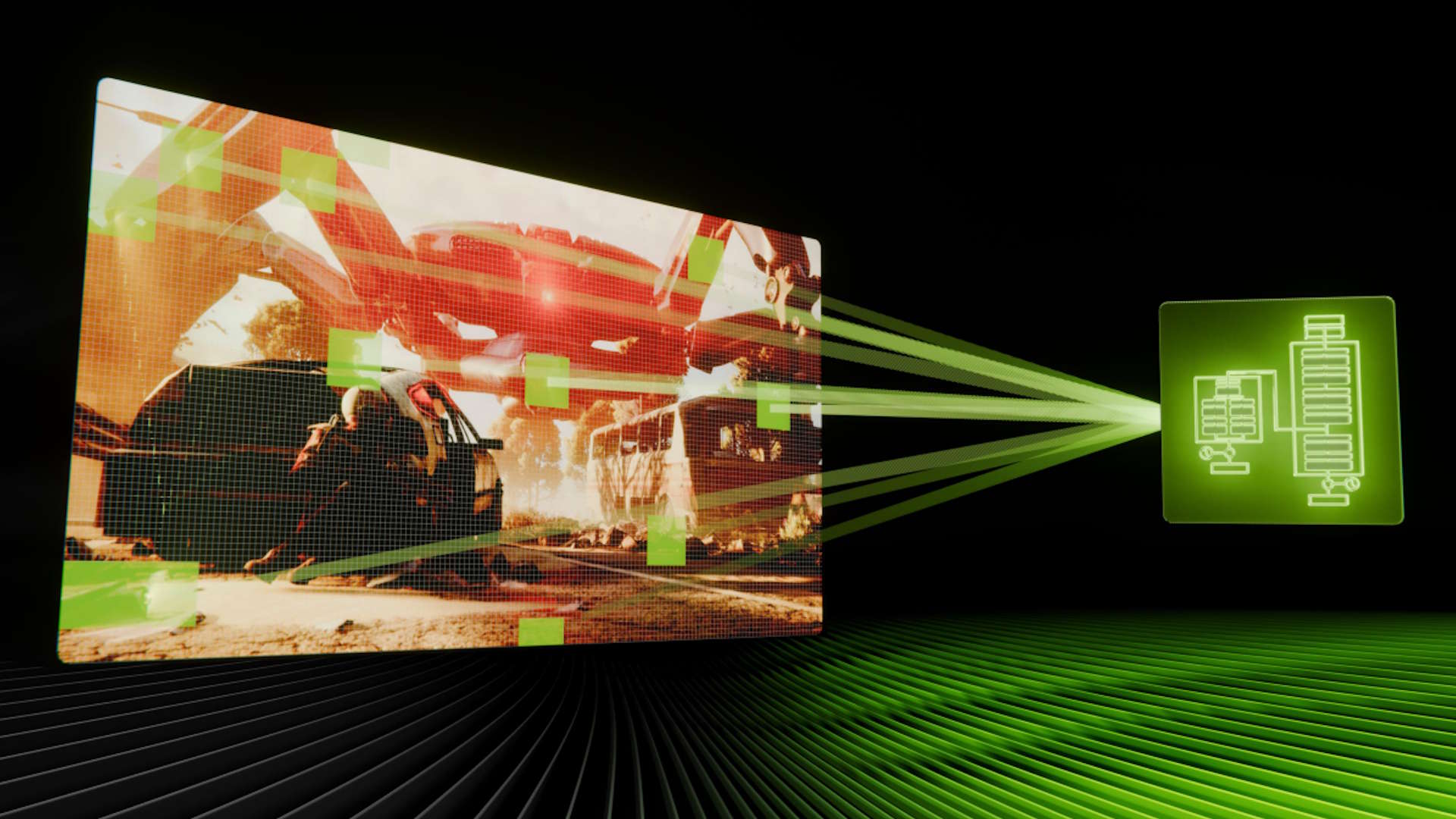
At CES 2026, Nvidia's gaming updates lean heavily on AI. The company is making its DLSS suite of tech even better with the new version 4.5 of its upscaling, or "Super Resolution" model, as well as an enhanced version of its Multi Frame Generation model that can support even more aggressive multipliers than the current 4x version.
The DLSS upscaler kicked off a revolution in gaming performance when its second version arrived in 2020, and the company has held a lead in upscaling quality ever since. In addition, Nvidia's introduction of Tensor Cores on RTX 20-series GPUs dating all the way back to 2018 means that the most recent DLSS 4 Super Resolution model, powered by a transformer architecture, still works with those products. At CES 2026, DLSS 4.5 marks the arrival of the second generation of the transformer architecture model.
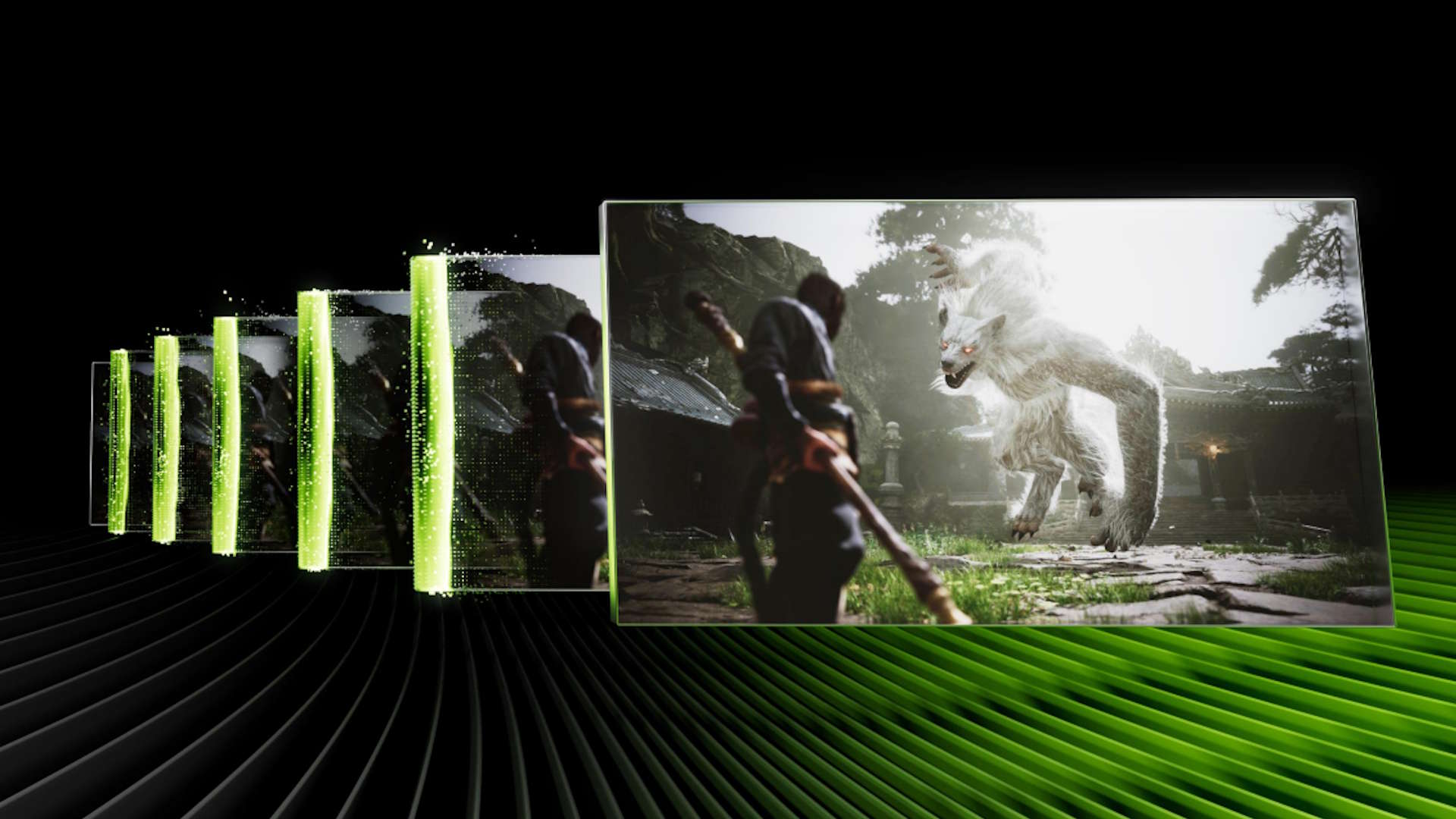
DLSS Multi-Frame Generation is also getting a couple of major improvements this year, although they're coming later than the updated Super Resolution model.
First off, DLSS MFG will now have multipliers ranging up to a whopping 6x, versus the current model's 4x. In part, Nvidia says this is possible thanks to the improved image quality provided by the DLSS 4.5 super resolution model, as well as the smooth frame pacing measures it's built into its hardware and software stack. Giving the MFG model better input data should in theory result in better image quality across generated frames, although we'll have to see how well stretching a single native frame out into 4 or 5 generated frames works in practice.
It's also worth remembering, as we've long cautioned and proven through dedicated testing, that DLSS MFG isn't a way of making unplayable frame rates into playable ones. If you're trying to boost average frame rates of just 30 FPS or below with MFG, your experience will still feel as laggy and unresponsive as it's likely to at 30 FPS.
Instead, MFG 5x and 6x will likely work best as tools for making the most of the ultra-high-refresh-rate monitors coming out this year and into the future. Frame rate isn't a perfect proxy for input lag, but if you have a solid 90 FPS to work with, MFG 5x and 6x could make it practical to use 360Hz or 480Hz+ monitors in tandem with DLSS Performance or Ultra Performance without crushing graphical fidelity in exchange.
Nvidia is also introducing a new dynamic mode for MFG that will automatically adjust the frame gen multiplier to maintain a target frame rate that's set in the Nvidia App. As long as the mode switch doesn't cause stutter or other perceptible issues in exchange for maintaining that target frame rate, a dynamic MFG could be a handy feature, but we'll need to try it out to see how quickly and smoothly it can handle the transitions between multipliers.
DLSS MFG with dynamic mode and extended multipliers will arrive in spring 2026, and as with the original MFG, it'll be an RTX 50-series exclusive.
For all that, some elements of DLSS 4 remain in the oven even a year after this family of features was first announced. Nvidia says that its Reflex 2 lag reduction technology with Frame Warp reprojection, which could further improve perceived responsiveness, remains targeted for a future release.

Follow Tom's Hardware on Google News, or add us as a preferred source, to get our latest news, analysis, & reviews in your feeds.

 English (US) ·