
 4 weeks ago
51
4 weeks ago
51
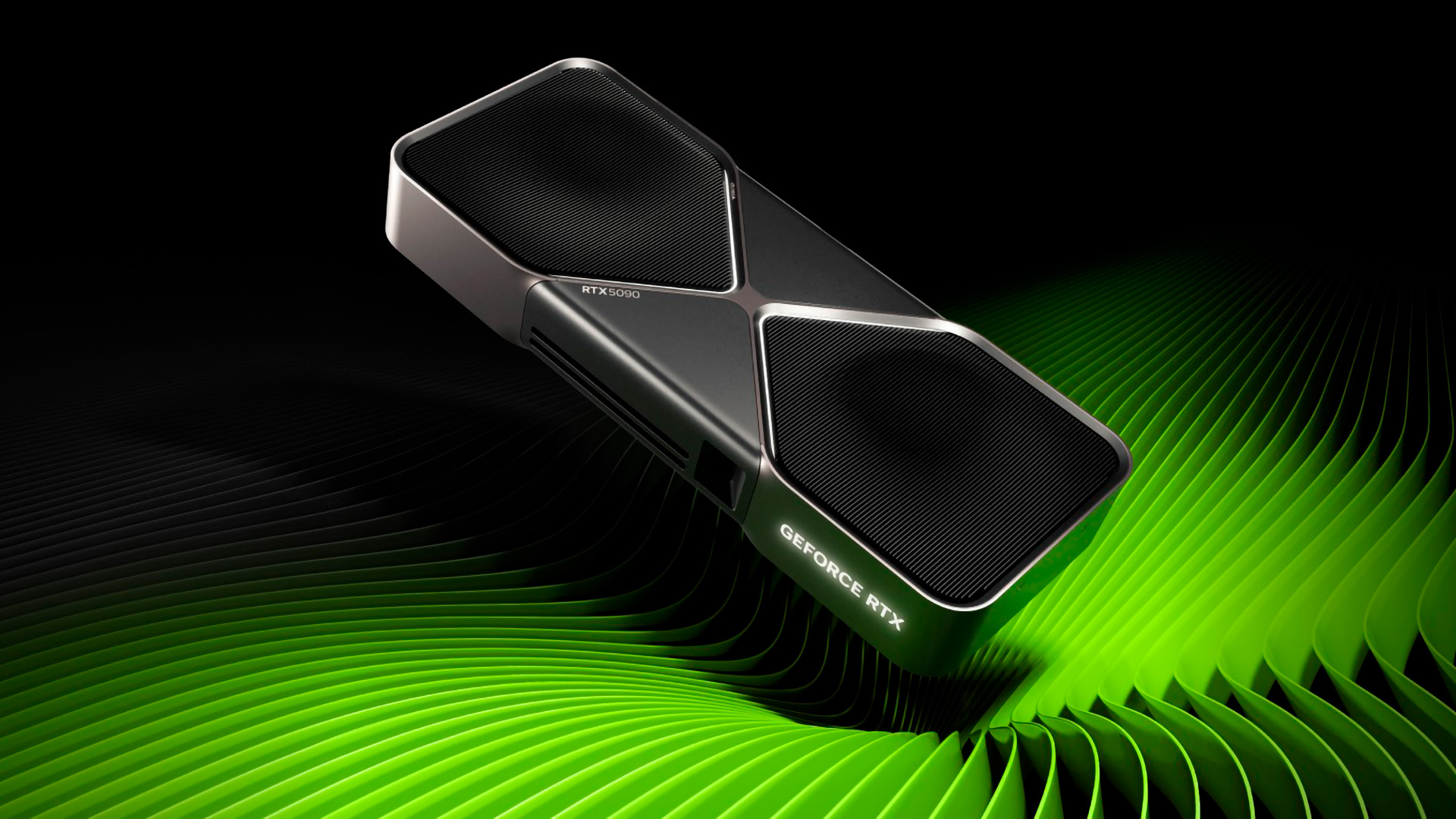
Nvidia's latest 595.71 driver release has reportedly introduced new problems not seen in last week's highly problematic 595.59 driver—a release so troubled that Nvidia had to pull it a few days ago. Several user reports, and at least one YouTuber, have discovered that release 595.71 is limiting GPU overclocking on many RTX 40- and 50-series graphics cards. The most highly impacted models are said to be losing around 200MHz of overclocking headroom compared to previous releases.
Go deeper with TH Premium: GPUs
NVIDIA Driver 595.71 Voltage Lock! Overclock Gimp! - YouTube
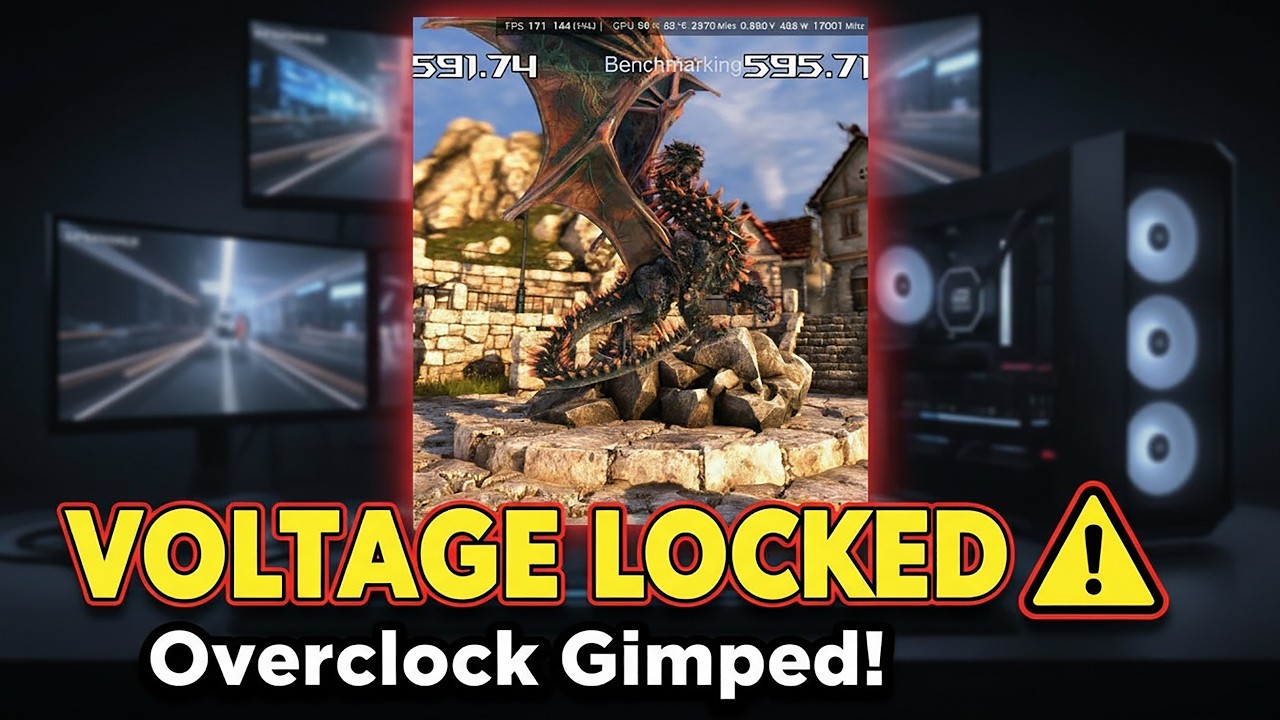
User reports with similar issues have also been shared on the Nvidia forums. One user with an RTX 5080 reported that their GPU used to hit 3,100 to 3,200MHz with previous drivers and now can only achieve 2,955MHz with 595.71. Another RTX 5080 owner published their own 3DMark scores with the previous 591.86 driver compared to 595.71, with a hefty 450MHz GPU overclock, and found the newer driver was running the GPU 300MHz lower and pulling 43 fewer watts, from 403W to 360W.
However, not all RTX 50 series GPUs appear to be affected. Curiously, three commenters on Bang4BuckPC Gamer's aforementioned YouTube video with Gigabyte Aorus Master RTX 5090 graphics cards report having no restrictions whatsoever. Another RTX 5090 owner with a PNY Epic OC variant reported no issues as well, reporting a max overclock of 3,157MHz with the latest driver. Two RTX 5070 owners, one with an Asus variant and the other a MSI Gaming Trio OC, also reported no issues.
It's possible, however, that those owners have had better luck in the silicon lottery such that their cards' dynamic voltage and frequency scaling curves aren't affected by this apparent bug. In any case, the new problem has generated a lot of angry comments from gaming enthusiasts, with several blaming AI code for ruining Nvidia's drivers.
Nvidia has not officially acknowledged the issue (yet), but the artificial voltage limits do appear to be a bug rather than an official change. The Nvidia patch notes don't mention any new voltage limits, and certain GeForce RTX GPU models apparently aren't subject to any limitations while running 595.71. We'll have to see whether the company issues another corrective release or hotfix driver in the near future, with any further explanation for the issue.

Follow Tom's Hardware on Google News, or add us as a preferred source, to get our latest news, analysis, & reviews in your feeds.





 English (US) ·