
 1 hour ago
5
1 hour ago
5
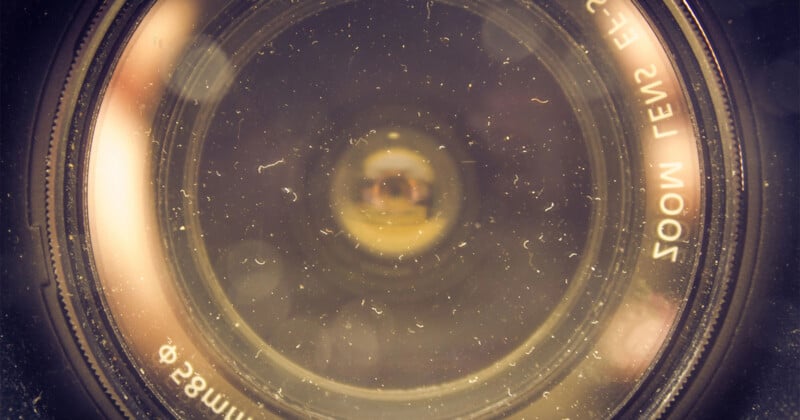
As Instagram user mrphotographerguy showed in a Reel with the aid of his friend, Alexander Nikolis, zoom lenses do some interesting things with camera ports, and more importantly, the inside of a camera.
The video below shows that when zooming an attached lens in and out on a Nikon Zf, air moves through the ports on the side of the camera. First off, this phenomenon is not unique to the Nikon Zf or any other Nikon camera. Secondly, it really isn’t a big deal.
“@nikoolis showing me the importance of covering up the ports,” mrphotographerguy writes on Instagram. “Imagine all the dust you are sucking in to your camera if you happen to have one that isn’t dust resistant or like this is how you get dust in your camera even though you never change lenses.
“This is a Nikon Zf, but you should definitely try on your camera to see how bad it is.”
Photographers are certainly welcome to try this little experiment for themselves, but the fact of the matter is that there is no such thing as a consumer interchangeable lens camera that is fully dust resistant, and yes, dust will get inside your camera. It will also get inside your zoom lens.
Even with an internally zooming lens, there are moving parts inside. Stuff physically moves, and lenses, even weather-sealed ones, are not perfectly sealed. There is no question that consumer-oriented, cheaper lenses that physically extend are more prone to getting dust inside, all else equal, but there will always be changes in pressure that mean that some air is “sucked” inside the lens.
This pressure affects the camera, too, as the lens is physically mounted and often sealed against the camera body. The pressure inside the camera changes, and air moves around, which is why you can feel air through the ports when you rapidly zoom a lens in and out.
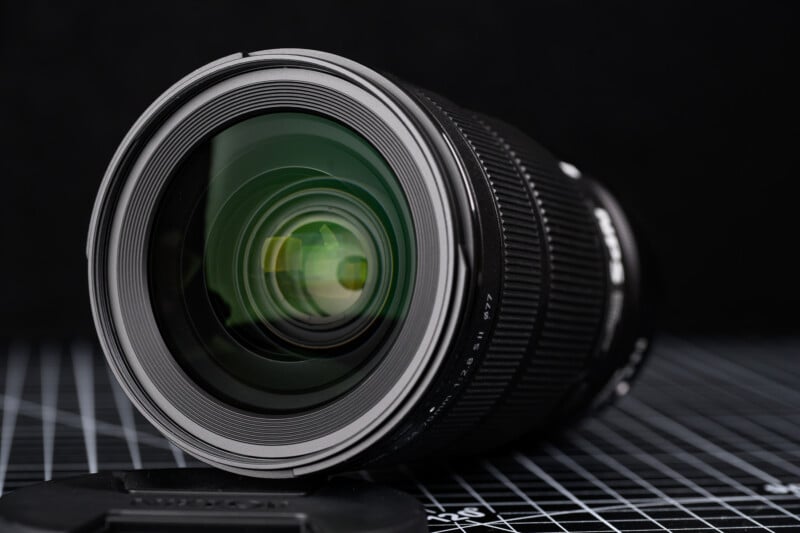 Even an internally-zooming, professional-grade, weather-sealed lens like this Nikkor Z 24-70mm f/2.8 S II will get dust inside of it. And it doesn’t matter. | Photo by Erin Thomson for PetaPixel
However, worrying about “how bad it is” or how much dust is being sucked into a camera is a fool’s errand. Say it with me now: if you use your camera in the real world, you will get dust inside it. It doesn’t matter what you do, how often you change lenses, how careful you are, or whether your gear is sealed against dust. Dust finds a way. It always finds a way.
I’m not saying throw caution to the wind, but I am saying that there are certain inevitabilities when you use camera gear, and dust particles getting into places that seem impossible is one of them. You can mitigate the risk by being careful with how and when you change your lenses, not subjecting your gear to dust storms and other inhospitable environments, and even taping your lens to your camera when conditions are bad, a la famous motorsports photographer Larry Chen.
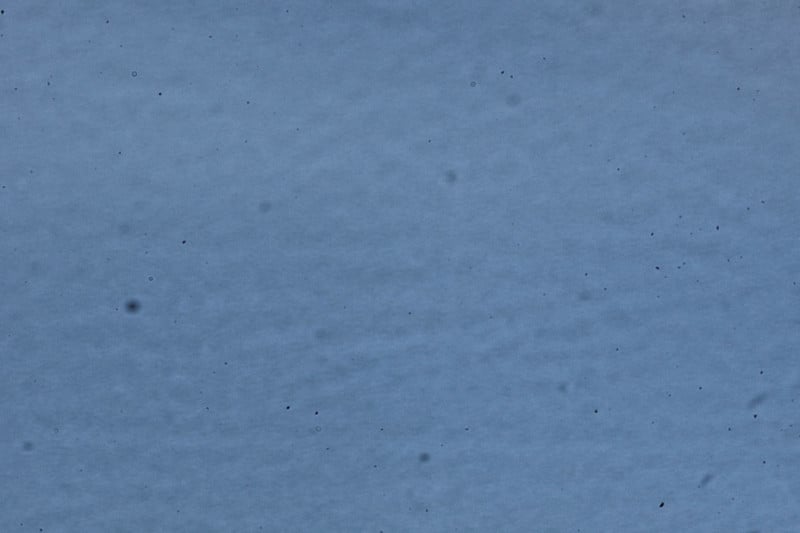 While this is an extreme example of image sensor dust, I promise you I have seen worse, and it’s extremely easy to address. | Photo by Ronald van der Graaf and licensed under CC BY 2.0.
But the more practical thing you can do is know how to clean your gear when life happens to it. Learn how to safely clean your image sensor at home and purchase the right tools for the job. They aren’t expensive, costing a fraction of what professional camera cleaning services typically cost.
As for the dust inside your lens, well, there’s not much you can do, but rest assured, it really doesn’t matter at all.
“How do I tell if my lens has dust inside? You don’t have to tell. It does. Every SLR lens does,” Lensrentals’ founder Roger Cicala wrote in 2011.
“How does it get there? What? You think the lens is assembled in a clean room and then hermetically sealed? Well, it is assembled in a clean room, but lenses aren’t sealed, air moves in and out… and air carries dust.”
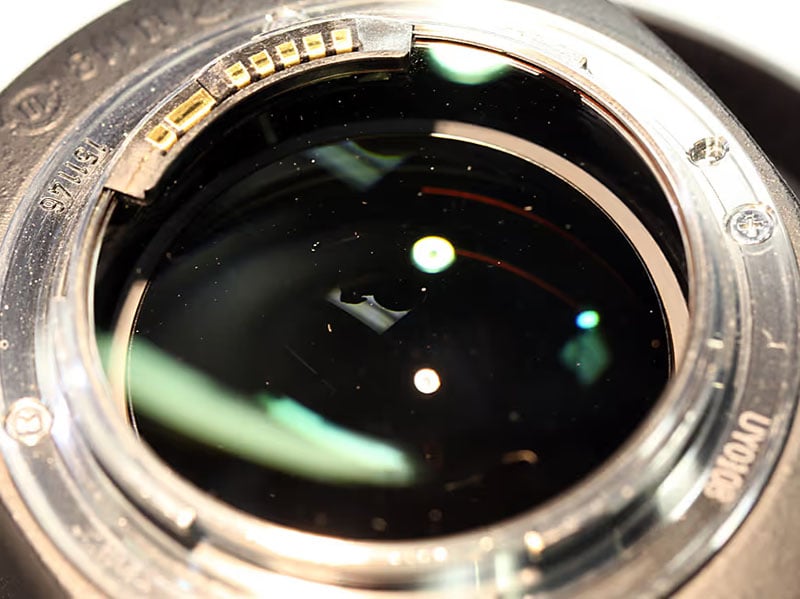 This is the dustiest lens Cicala could find in 2011, and even this super-dusty lens saw no change in performance. | Image credit: Lensrentals
And can you clean it? Not really, unless you feel like taking your lens apart and somehow putting it back together in a hermetically-sealed environment.
Cicala found the dustiest lens he could at Lensrentals’ headquarters, and lo and behold, test images showed next to nothing. Any practical, realistic amount of dust inside your lens doesn’t impact photos. It may bother you, and I understand that as I stare at a speck of dust that has been inside my go-to wide-angle zoom lens since the second I bought it brand-new in 2017. But that dust won’t ruin your shots. Heck, even scratched lenses don’t always matter.
The dust on your sensor can, though, so go ahead and clean that up. It’ll be back, though, so be ready.
Image credits: Header photo licensed via Depositphotos.com.







 English (US) ·