
 Image via Prime Video
Published May 29, 2026, 11:46 PM EDT
Jeremy has more than 2500 published articles on Collider to his name, and has been writing for the site since February 2022. He's an omnivore when it comes to his movie-watching diet, so will gladly watch and write about almost anything, from old Godzilla films to gangster flicks to samurai movies to classic musicals to the French New Wave to the MCU... well, maybe not the Disney+ shows.
His favorite directors include Martin Scorsese, Sergio Leone, Akira Kurosawa, Quentin Tarantino, Werner Herzog, John Woo, Bob Fosse, Fritz Lang, Guillermo del Toro, and Yoji Yamada. He's also very proud of the fact that he's seen every single Nicolas Cage movie released before 2022, even though doing so often felt like a tremendous waste of time. He's plagued by the question of whether or not The Room is genuinely terrible or some kind of accidental masterpiece, and has been for more than 12 years (and a similar number of viewings).
When he's not writing lists - and the occasional feature article - for Collider, he also likes to upload film reviews to his Letterboxd profile (username: Jeremy Urquhart) and Instagram account.
He has achieved his 2025 goal of reading all 13,467 novels written by Stephen King, and plans to spend the next year or two getting through the author's 82,756 short stories and 105,433 novellas.
Sign in to your Collider account
No one will ever say Nicolas Cage is the kind of actor who can literally do no wrong, since he has been in his fair share of less-than-great movies over the years, but to his credit, he is also often the best part of those not-great movies. See Deadfall, which is unwatchable whenever Cage isn't on-screen, hamming it up, and Vampire’s Kiss, which is a cult classic for Cage’s performance alone. And then, of course, there are the good movies he’s been in, and some of the time, his good movies even let him ham it up (see Face/Off). But all his roles, until Spider-Noir, were in movies, so it’s kind of interesting that he’s been acting for so long without any television roles.
Spider-Noir has him reprising a role he did in Spider-Man: Into the Spider-Verse, but in live-action this time, since Into the Spider-Verse was a voice-only role in an animated movie. That makes it even more of a curiosity, but, like, when has Nicolas Cage not been one of Hollywood’s most curiosity-worthy actors? Anyway, he recently stated that Breaking Bad helped convince him television was worth tackling, and so that’s another reason to be thankful for what is – it’s hopefully not controversial to say – one of the greatest TV shows of the 21st century so far.
What Happens Throughout 'Breaking Bad'
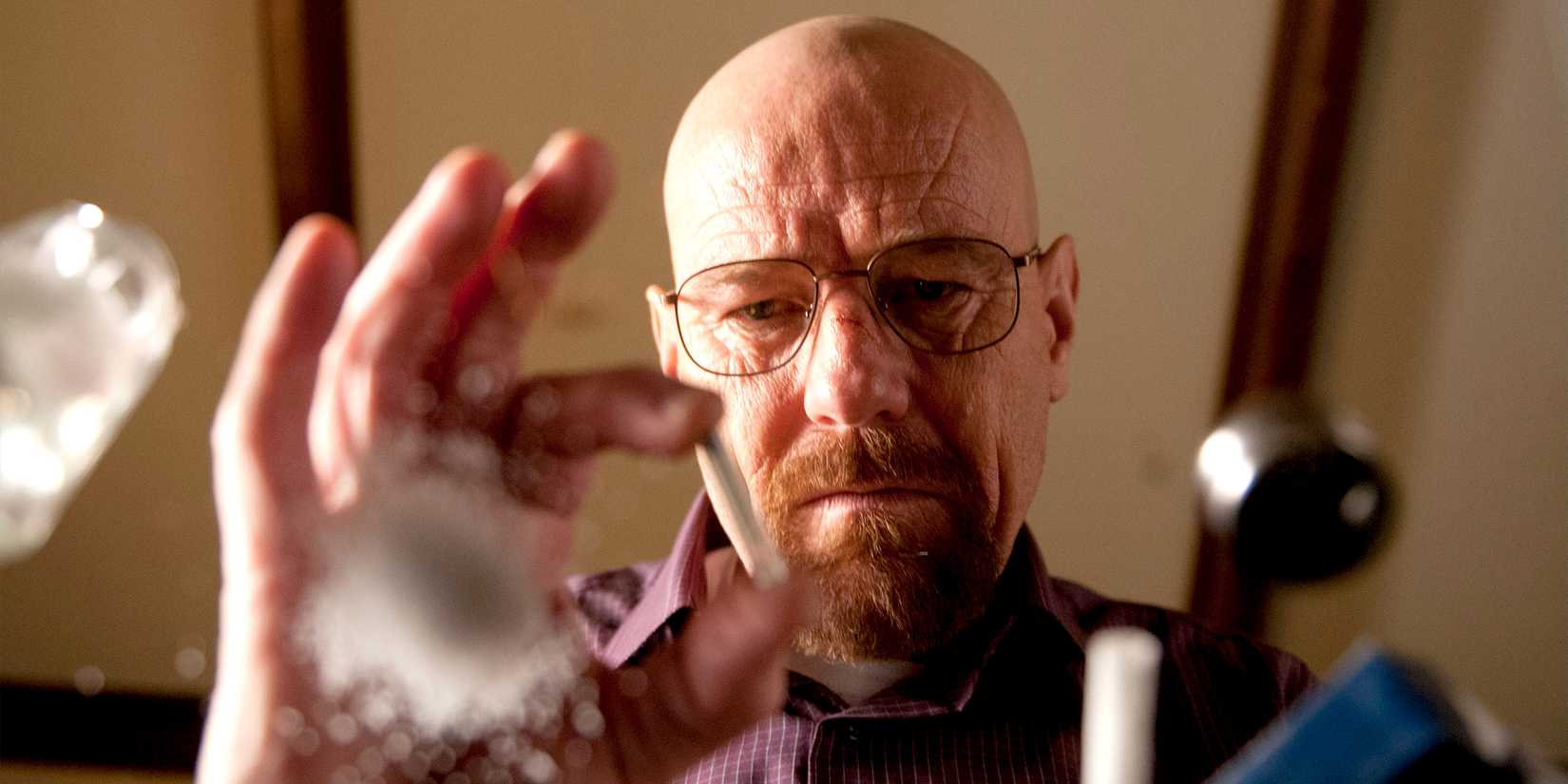 Image via AMC
In case you’ve been living under a rock the size of Walter White’s ego, Breaking Bad is about a chemistry teacher (Walt, played by Bryan Cranston) who gets diagnosed with lung cancer, and this prompts him to begin manufacturing methamphetamine as a way to earn money. The drama of the series initially revolves around him trying to do so without his family finding out the truth, but then things spiral out of control, and it becomes more about “when” he’ll be found out, rather than “if.”
Breaking Bad is remarkable as a character study, since the experience of Walt seems to change him drastically, or it simply releases pre-existing aspects/flaws of his personality.
And there are plenty of ways Breaking Bad escalates, and then it’s also remarkable as a character study, since the experience seems to change Walt drastically, or it simply releases pre-existing aspects/flaws of his personality. Either way, he becomes gradually harder to call an anti-hero (if you want to label him as such initially in the first place), and is easy to call the show’s villain by the final season, owing to the sheer number of morally questionable things he does up until that point in the show. So, there’s a compelling character journey, and an increasingly interesting set of moral questions raised by the show, but that’s really only scratching the surface.
Why 'Breaking Bad' Is Considered Such a Masterpiece
Breaking Bad has plenty of interesting characters beyond Walt, including the likes of Saul (Bob Odenkirk), Mike (Jonathan Banks), and Gus Fring (Giancarlo Esposito), all of whom got more to do in Better Call Saul, which was largely a prequel series to Breaking Bad. There’s also Jesse (Aaron Paul), who’s kind of the heart of the series, and Skylar (Anna Gunn), Walt’s wife, who’s a divisive character, even though it’s pretty easy to see – sooner rather than later – that Walt is a considerably worse person. But all these characters, and various others, are balanced well, and they populate what ends up being an engaging fictional world, since Walt’s forays into the illegal drug trade ensure he crosses paths with plenty of complicated and varied characters.
There’s also an impressive balance achieved when it comes to genre and tone, since Breaking Bad is mostly suspenseful/thrilling, but is also quite funny at times, and then successfully enters more outwardly tragic territory as it nears (what kind of has to be) an explosive conclusion. There’s that simple premise, since Breaking Bad is a more or less villain origin story, so you're hooked pretty much straight away, and then there are all the other ways the show finds opportunities to be a little more complex, unpredictable, or otherwise emotionally adventurous.
The Connection 'Breaking Bad' Has to 'Spider-Noir,' According to Nicolas Cage
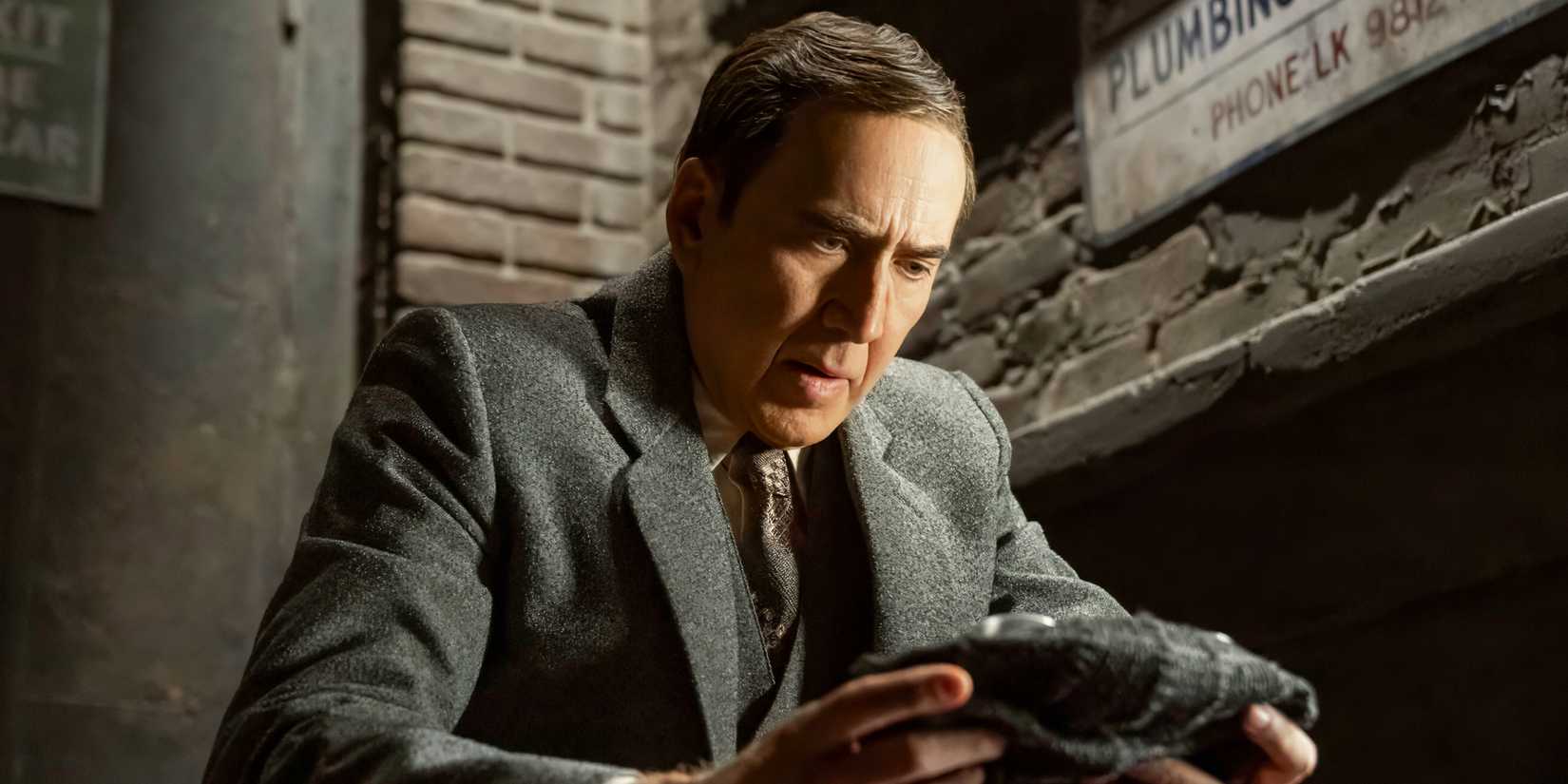 Image via Sony Pictures, Prime Video
It’s the pacing of Breaking Bad, and the character journey Walt goes through, that Nicolas Cage cited as the main reasons why Spider-Noir looked like an enticing opportunity to act in a TV series for the first time in 40+ years of acting. Cage himself put it well, telling Variety about how he reacted to certain drawn-out scenes in Breaking Bad that allowed Cranston to do a lot with seemingly small moments, and that with movies, “You don’t have the time.” Cage also said, “I thought, maybe with an eight-hour narrative I can start planting seeds for a character that can bloom into something that I don’t have the luxury of time to do in a movie.”
Things might start entering “big stretch” territory if more comparisons between Breaking Bad and Spider-Noir are made, since you could broadly call them crime/drama series, and Spider-Noir harkens back to classic film noir and neo-noir stuff, obviously, with such stories being about shady characters and questions of morality, which you get a bit of in Breaking Bad. It’s nice that, sooner rather than later, Cage embraced television, and that he did so for an unusual series which has been getting, so far, quite a good reception (with Cage’s performance also being praised). Maybe if he drifts away from television again, and there’s a need for inspiration to make him return, someone can show him The Wire, The Americans, or The Sopranos (if he’s also waited some years to check those out, as was the case with watching Breaking Bad).
Breaking Bad
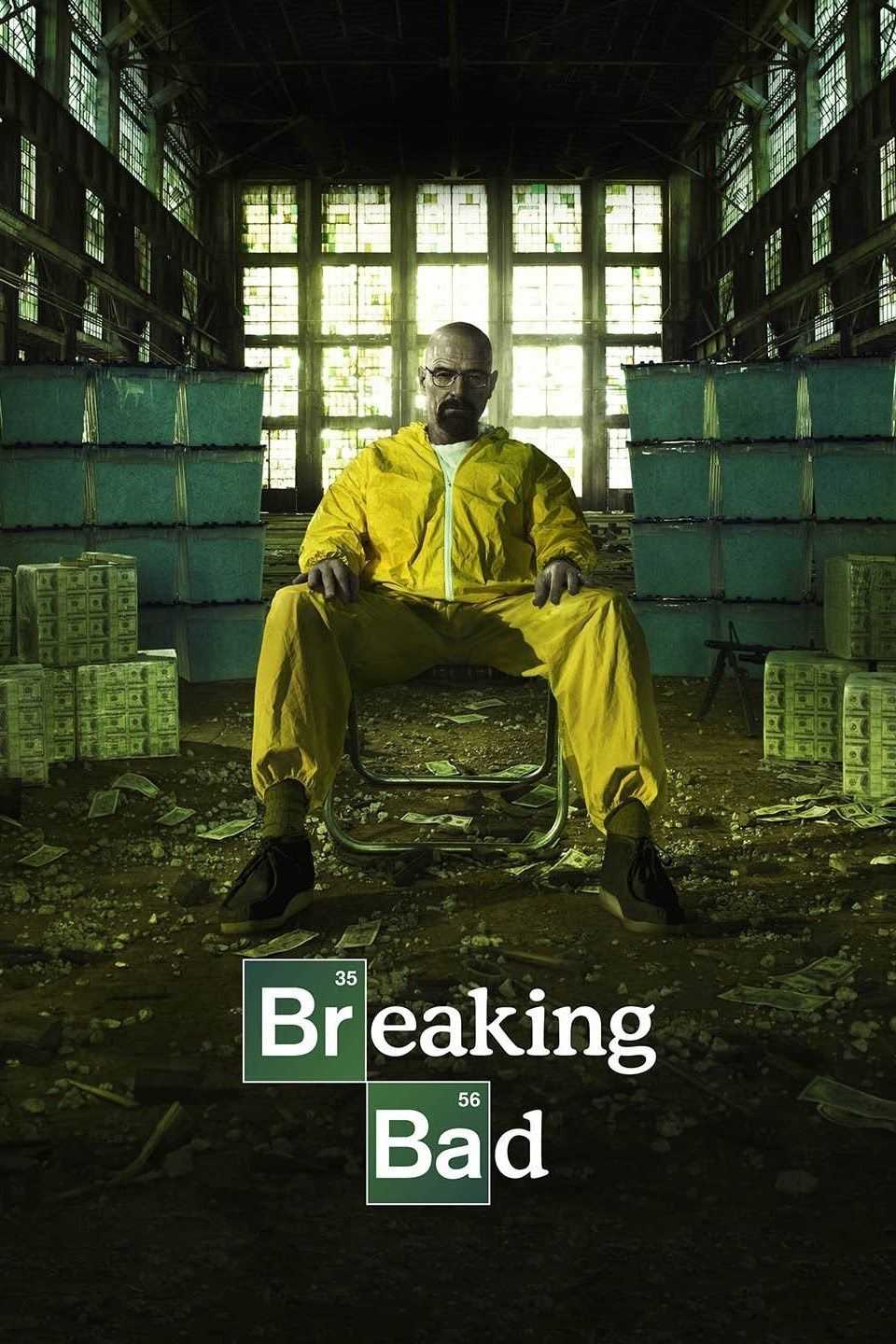
Release Date 2008 - 2013-00-00
Network AMC
Showrunner Vince Gilligan
Directors Vince Gilligan, Michelle Maclaren






 English (US) ·