
 2 hours ago
4
2 hours ago
4
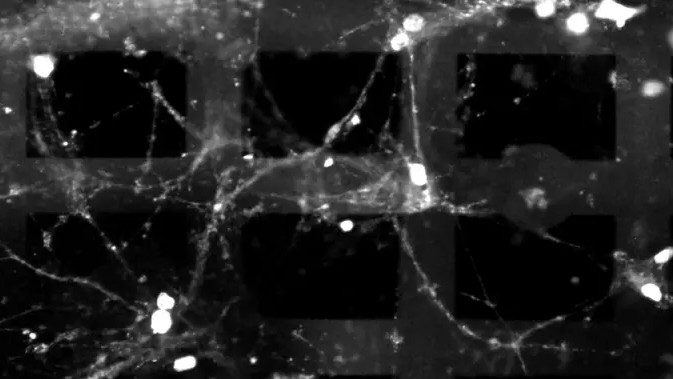
Researchers at Princeton University have created a three-dimensional neural network device that combines living brain cells and advanced embedded electronics. According to a recent press release, this 3D bioelectronic computer was programmed to differentiate patterns using computational techniques.
Basically, we are looking at living brain cells performing computational tasks outside the brain, using embedded electronics. This is not the first time scientists have used brain cells to perform computation. In previous attempts, scientists cultivated 2D cultures in petri dishes or 3D clusters, probing and monitoring activity from the outside.
Article continues below
According to the paper's first author, Kumar Mritunjay, a postdoctoral researcher in electrical and computer engineering, the technology could "not only help uncover the computing secrets of the brain but can also assist in understanding and possibly treating neurological diseases.”
The original aim of the research was to investigate fundamental problems in neuroscience by studying the activities of living brain cells. That aim remains. However, the researchers realized that it could also play a role in solving one of AI’s key bottlenecks: power consumption.
“The real bottleneck for AI in the near future is energy,” said Fu. “Our brain consumes only a tiny fraction — about one millionth — of the power consumed by today’s AI systems to perform similar tasks,” said Tian-Ming Fu, assistant professor of Electrical and Computer Engineering and member of the research team.
The researchers hope the device may reveal some of the secrets behind this, making it possible to replicate the discoveries and solve AI’s power consumption problem.
The paper was published in the journal Nature Electronics.







 English (US) ·