
 6 hours ago
8
6 hours ago
8
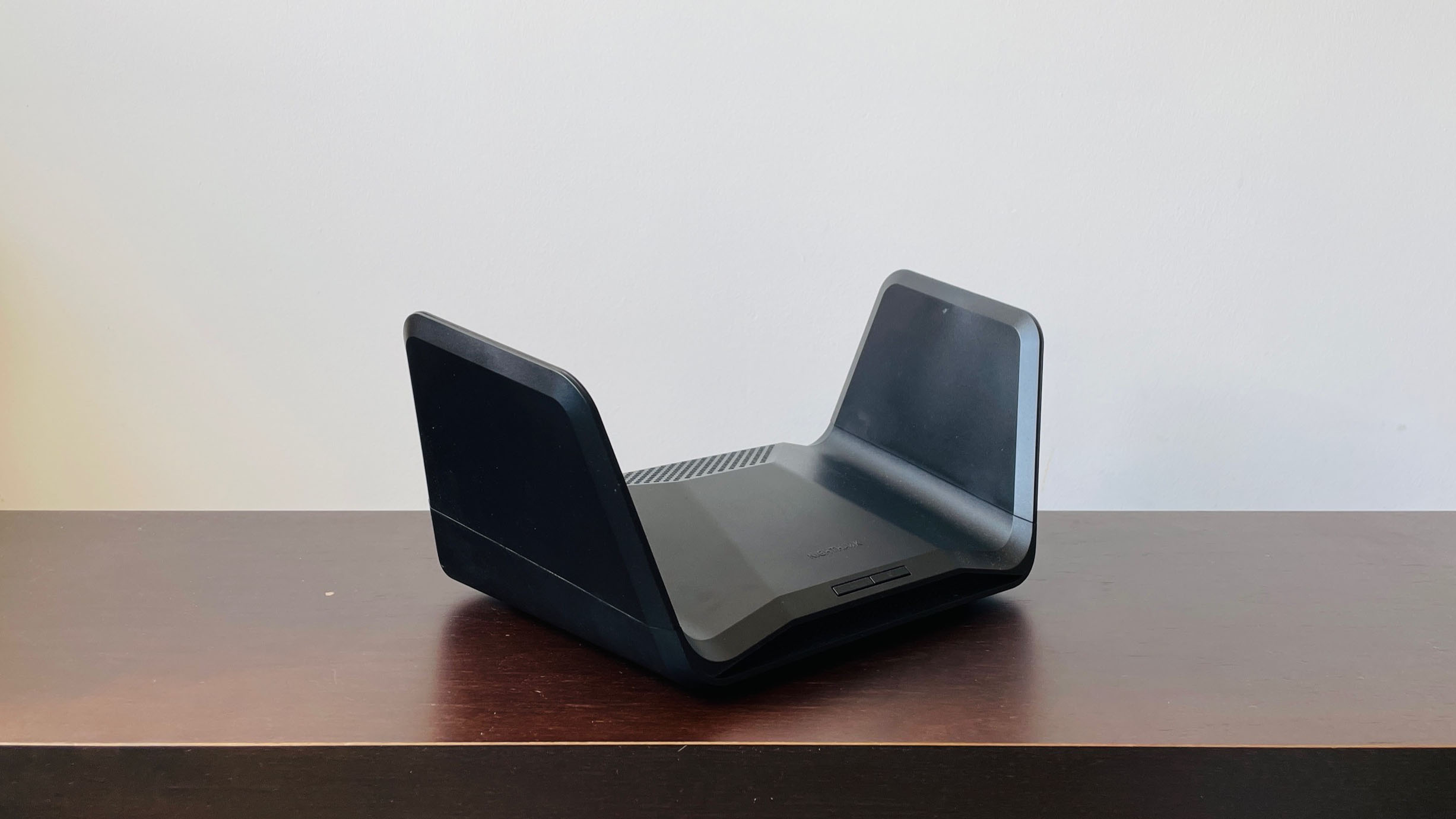
Netgear filed counterclaims against TP-Link in federal court in Delaware on June 11, accusing its larger rival of false advertising under the Lanham Act and arguing that TP-Link's 2024 reincorporation as a California company is a deception that conceals ongoing R&D and manufacturing in China. The filing fires back at a lawsuit TP-Link itself brought against Netgear last November, and it came just one day after the U.S. DoD added TP-Link Technologies to its list of Chinese military companies operating in the United States. Netgear is seeking damages and an injunction barring TP-Link from repeating the contested claims, with the case running against the backdrop of an FCC import ban on routers not built in the U.S. that took effect earlier this year.
TP-Link sued first back in November, accusing Netgear of orchestrating a smear campaign and alleging that comments by Netgear's CEO on earnings calls falsely tied TP-Link to cyberattacks attributed to the Typhoon threat groups, and that the statements breached a 2024 settlement under which TP-Link paid Netgear $135 million to end years of patent litigation. The court has since dismissed parts of TP-Link's case that rested on third-party statements.
Netgear's counterclaim denies the smear allegation and goes on the offensive, bringing four of them under the Lanham Act and California and Delaware trade-practice laws, alleging that TP-Link’s claim that it split entirely from China-based TP-Link Technologies and now operates as an independent American company is a false statement that misleads buyers.
According to the counterclaim, TP-Link Technologies “did not fundamentally reorganize its global operations,” instead simply changing its name to Lianzhou and continuing to perform much of TP-Link’s R&D and manufacturing in China under the same cofounder. Netgear states that TP-Link employed more than 13,000 people in China through 2024, including roughly 9,000 in Chinese manufacturing centers, against about 350 employees in the United States. The filing also alleges that TP-Link's "Made in Vietnam" labeling is misleading because the Vietnamese plant serves as a final assembly point, with 99.5% of the components in U.S.-bound products imported from China.
Netgear counterclaim naturally leans heavily on the DoD’s designation describing TP-Link Technologies as “directly affiliated with the PLA” and a contributor to China’s defense industrial base. “TP-Link remains, at its core, a Chinese company selling Chinese-made products,” Netgear states in the filing.
TP-Link rejects the underlying premise, maintaining that it’s a U.S.-headquartered company subject to no foreign government control and that its products are made in Vietnam. The two firms also disagree on what is at stake commercially. Netgear's filing puts TP-Link's share of the U.S. retail router market at roughly 65%, while TP-Link has said its share of the North American residential Wi-Fi router segment sits under 10%. The dispute now runs alongside federal scrutiny from Commerce, the FCC, the FTC, and state attorneys general in Texas and Florida.

Follow Tom's Hardware on Google News, or add us as a preferred source, to get our latest news, analysis, & reviews in your feeds.








 English (US) ·