

Published Oct 17, 2026, 3:00 AM EDT
Dhruv is a Lead Writer in Screen Rant's New TV division. He has been consistently contributing to the website for over two years and has written thousands of articles covering streaming trends, movie/TV analysis, and pop culture breakdowns.
Before Screen Rant, he was a Senior Writer for The Cinemaholic, covering everything from anime to television, from reality TV to movies.
After high school, he was on his way to become a Civil Engineer. However, he soon realized that writing was his true calling. As a result, he took a leap and never looked back.
Beyond the overly fantastical portrayal of time travel in pop culture, there is something truly eerie and horrifying about the sci-fi trope.
The very idea of being caught in a causal loop where effect is tied to cause as much as cause is tied to effect is enough to instill existential dread. Instead of treating time travel as a fun plot device, Netflix's sci-fi masterpiece, Dark, takes a bleak look at time travel, walking through all the cycles of suffering, grief, and despair that come with manipulating the past, the present, and the future.
Created by Baran bo Odar and Jantje Friese, Netflix's Dark dabbles relatively familiar story beats in its opening season, albeit with a few compelling twists and turns. Going into season 2, however, Dark fully commits to the Novikov Self-Consistency Principle, highlighting how, despite one's best efforts, the past cannot be changed.
Instead of letting its paradoxes become plot holes, the Netflix sci-fi show turns them into effective narrative engines that further reinstate its storytelling consistency. In its 3-season runtime, there are no retcons and the show remains locked in a singular unwavering but loopy timeline. This commitment ensures that Dark's exploration of time travel remains both high concept and horrifying.
Netflix’s Dark Masters The Art Of Time Travel Storytelling

In its opening moments itself, Dark begins with a narration that questions a viewer's linear perception of time. Drawing from Albert Einstein's famous quote about how time is a stubborn illusion, Dark's opening line foreshadows how it treats yesterday, today, and tomorrow as a "never-ending circle." With this foundational concept, it unfolds a 33-year cycle in triadic harmony.
To set the stage for its more complex sci-fi drama, Dark initially shows how its characters act of love when they attempt to change the past. They believe they have free will without realizing how predetermined their destiny has always been. The more the show progresses, the more the past dissolves into the future, revealing how every attempt to escape fate only brings one closer to it.
Netflix's Dark can become increasingly hard to follow as it heads towards the end of season 2. However, even during some of its most complex story beats, the show never leaves any dull moments. It ensures viewers remain invested in its relatable character beats while it gradually unfurls the mysteries surrounding their connected destinies.
Unlike many sci-fi shows that try too hard to explain their concepts, Dark also respects viewers' intelligence. It never features forced expositions and relies on the golden storytelling rule of "showing and not telling" to ensure viewers are able to keep up with its drama. Given how perfectly it executes its drama, Netflix's Dark is truly a masterclass in time travel storytelling.
Dark Set The Benchmark For Time Travel A Little Too High

In hindsight, it is hard not to see how Dark easily ranks up there with iconic time travel classics like H.G. Wells' The Time Machine and Ted Chiang's Story of Your Life. Considering how timeless it still feels a decade after its premiere on Netflix, it deserves to be remembered as one of the finest time travel stories ever told.
Dark also deserves appreciation for its horror underpinnings. It almost turns time into a terrifying force that exposes how insignificant human lives and suffering can be in the grand scheme of things. In the Netflix sci-fi horror show's portrayal of time travel, however, there is also a semblance of hope that reminds one of the importance of finding meaning and purpose even when the future seems predetermined.
The emotional and high-concept portrayal of time travel in Netflix's Dark has set a benchmark so high that almost all new additions to the sci-fi subgenre have paled in comparison. Time travel remains a compelling plot device, but only a few sci-fi movies and shows will come close to using it as ambitiously and thoughtfully as Netflix's Dark.
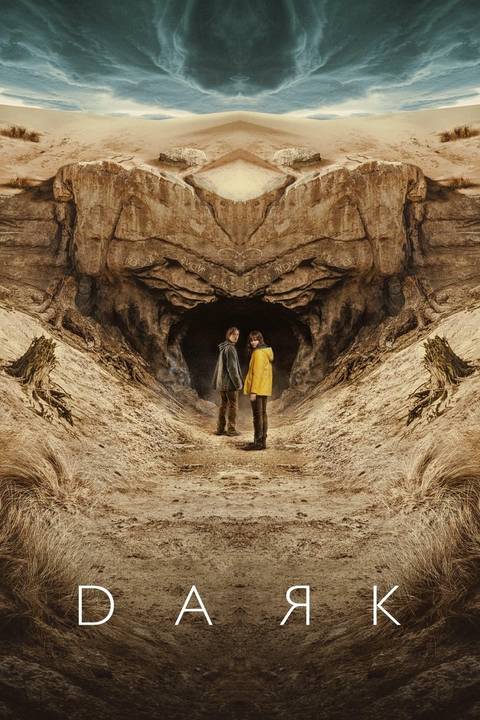
Dark
Release Date 2017 - 2020-00-00



 English (US) ·