
 Courtesy of Netflix

Published Mar 12, 2026, 10:00 PM EDT
Dani Kessel Odom (they/them) is an autistic lead writer on the New TV team, focusing on writing and content planning for streaming shows. They often assist with Classic TV coverage, as well.
They have covered events, such as Denver Fan Expo. Their articles have also been shared by professionals in the field, such as Damien Leone and Lucy Hale.
In university, they majored in English Writing with a minor in psychology. They have always had a passion for analyzing TV and movies, even taking filmography and scriptwriting classes in university. They also studied and participated in onstage and onscreen acting extensively from the ages of 7 to 18.
Aside from working at Screen Rant, Dani has worked as a freelance editor and writer over the past decade, often in a ghostwriting capacity.
Netflix’s The Dinosaurs might be one of the most popular TV shows right now, but that doesn’t change the fact that there are glaring issues with the docuseries. As a dinosaur enthusiast who spends my free time reading up on the creatures, I was thrilled when Netflix announced they’d put out a nature documentary, narrated by Morgan Freeman, on the topic.
The excitement increased because of the immediate response. Steven Spielberg’s The Dinosaurs has been deemed a “must-binge,” and it debuted with a perfect score from critics. It quickly jumped to the top of the streaming charts. Unfortunately, when I actually watched the docuseries, I was underwhelmed.
While the series is visually impressive and entertaining, aside from a few cringy narration lines, I can’t ignore that The Dinosaurs makes glaring factual errors and leaves out information which calls its educational value into question.
While I am a dinosaur enthusiast who has read many books and scientific research on the subject, I am not a paleontologist.
Netflix’s The Dinosaurs Makes Glaring Scientific Errors
The Dinosaurs presents itself as the authority on these prehistoric creatures, but it can’t be ignored that the docuseries includes some pretty glaring errors that perpetuate disproven myths and reiterate outdated information.
For one thing, it’s considered a scientific fact that many dinosaurs, especially theropods, had either protofeathers or true feathers. Dinosaurs were also mesothermic, a mix of warm and cold-blooded traits that fell along a spectrum. The Netflix series relies on the old idea that dinosaurs were scaly and cold-blooded. Almost none of the dinosaurs had feathers. At this point, the question isn’t whether dinosaurs had feathers but which ones did.
The Dinosaurs also presents the idea that pterosaurs were outpaced by birds, which feeds into a much bigger issue with the documentary. Evolutionary superiority is the misconception that evolution progresses from simple to complex, always getting better. Netflix’s docuseries reinforces this idea, but evolution isn’t a natural ladder.
If you want to watch a more factual show, Apple TV's Prehistoric Planet is considered the gold tier of dinosaur docuseries. There are still some inaccuracies, but they're much less prevalent.
Changes in species aren’t driven by goals, and there isn’t a hierarchy of advancement. Natural selection isn’t about perfection. Instead, it creates creatures that are good enough to survive in an environment, not the most ideal version. Plus, multiple forms of evolution, like genetic drift, can actually harm species.
Netflix’s The Dinosaurs does viewers a disservice by reinforcing this idea, and it’s even more frustrating that they talk about evolution as if it’s a force with thought and agency.
The TV show repeatedly contrasts “dinosaurs” with “reptiles,” never bothering to clarify that dinosaurs are, in fact, reptiles. They reinforce the myth that it rained for over a million years throughout the Carnian Pluvial Episode (CPE), which just isn’t true. It might have rained a lot more during that time, but not from start to finish.
There are also smaller issues. The opening scene shows Pachycephalosaurus ramming heads, a behavior that is heavily debated. They oversimplified extinction, showing all the creatures suddenly in a different environment, as if the environment didn’t change over a long period.
The Dinosaurs Frivolously Mixes Together Speculation & Facts
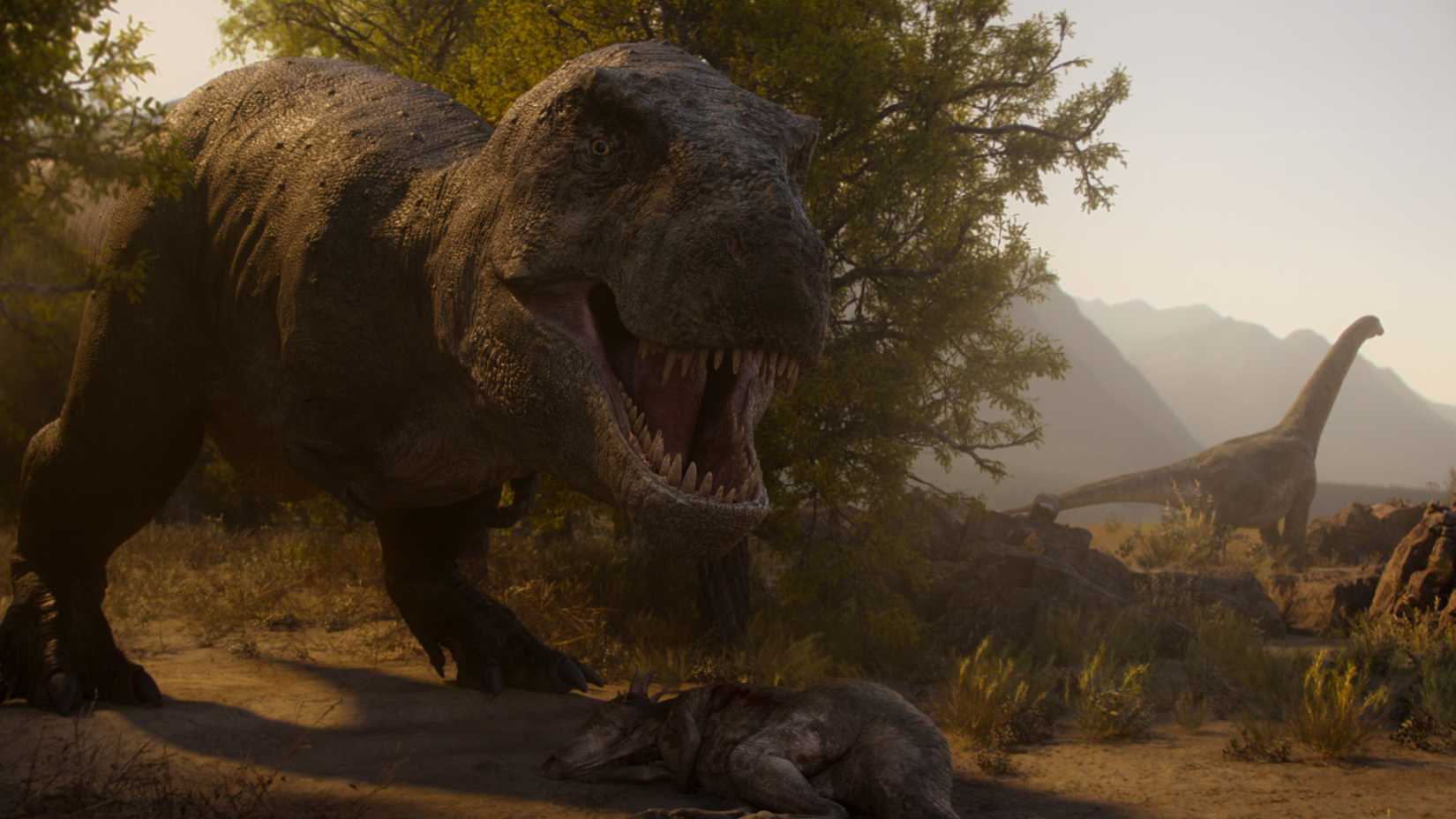
Another issue with The Dinosaurs is that they never bother to distinguish speculation from fact. We know quite a bit about different dinosaurs, such as their sizes, the environments they lived in, whether they stood on two or four feet, and what kind of food they ate, whether they made nests, etc. These things can be ascertained by studying their fossils, and The Dinosaur includes a lot of this information.
Then, there are things we very clearly cannot know, but paleontologists can make educated guesses about by looking at evidence. Nobody knows the vocalizations of a dinosaur, so the creative team had to rely on guesswork. Ornamental structures might imply mating habits, but they leave this out and never discuss how they know what a mating dance would look like.
Even though we know what dinosaurs ate, many questions remain about their hunting behaviors. Scientists have found some evidence about which dinosaurs were active hunters and which hunted in packs. Footprints and bite marks help parse that out. But The Dinosaurs never bothers to discuss how we would know their specific hunting behaviors.
The idea that there were “alpha male” Pachycephalosaurus, or that they had “harems of females,” seems to come from pop culture and pop science. There’s evidence that some dinosaurs built nests, but it’s inane to assume we know their parenting styles. The shark fishing with the dead fish as bait is plausible, but again, just a speculative theory.
The issue is that the documentary presents these things as facts without providing any iota of supporting evidence. Pretty much every dinosaur documentary takes creative liberties to fill in the blanks, but Netflix’s dinosaurs should have made it clearer.
They’re relying on the general Netflix audience to know enough about dinosaurs to distinguish between facts and speculation, which just isn’t reasonable. Not everyone is a paleontologist. Not everyone is a dinosaur enthusiast who spends their spare time reading about these prehistoric creatures. It’s more reasonable to assume that most people watching won’t have that kind of background.
Netflix’s Dinosaur Docuseries Leaves Out Important Information
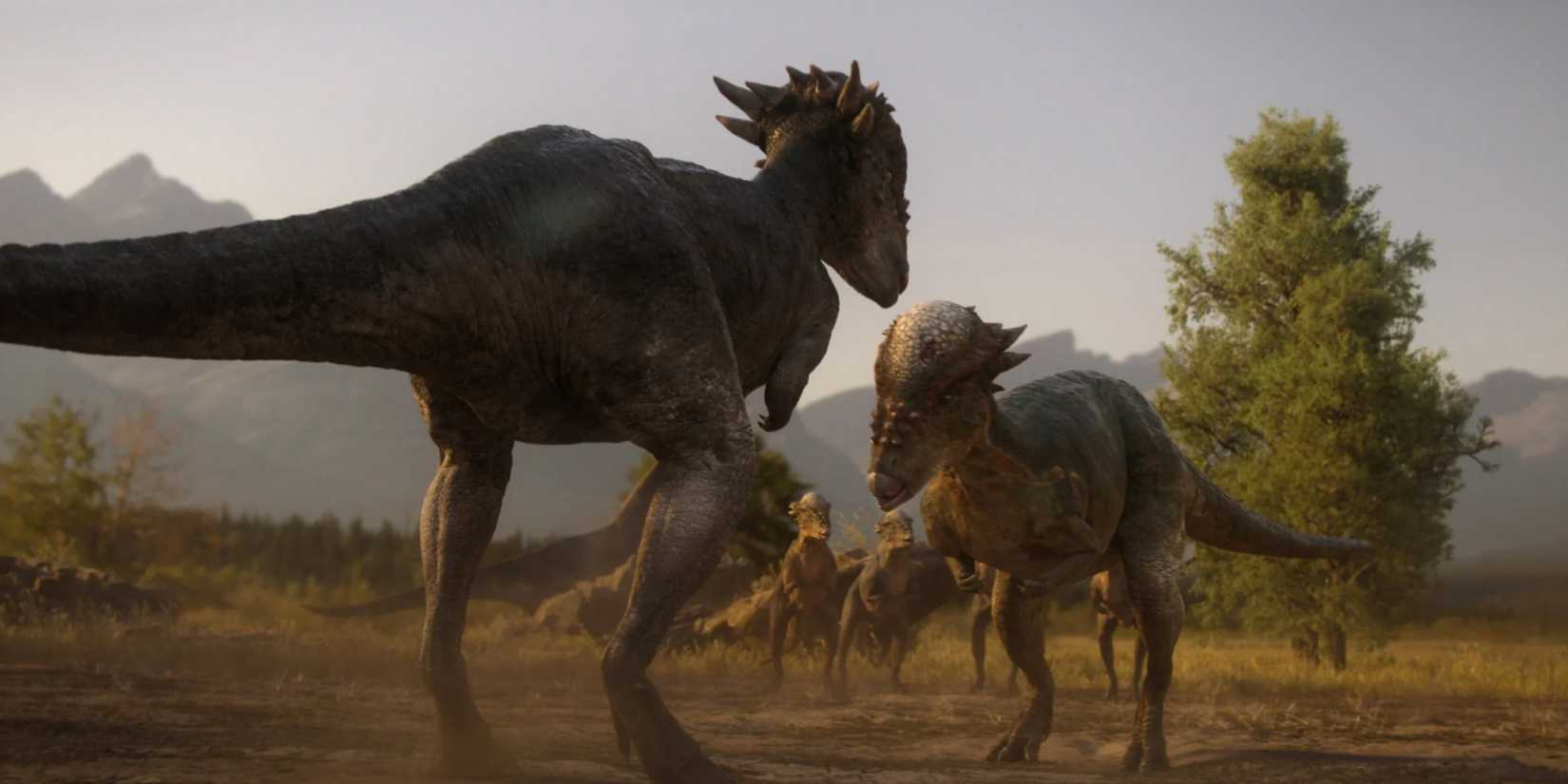
As mentioned earlier, evolution and extinction should have been explained more clearly, since much of the information they leave out is important to understanding them. They completely omit any information about the longevity bottleneck theory, which proposes that dinosaurs might have shortened mammals' lifespans. They may have left these things out so that it wouldn’t feel like a college lecture, but the oversights weakened the impact of the docuseries.
They don’t give the proper names of the different dinosaurs. They leave out any information about the Plateosaurus’s relationship to the sauropods. They spend a lot of time discussing the stegosaurus’s cousin, but don’t actually name it. All of these things would have been easy changes that would have drastically increased the educational value of Netflix’s The Dinosaurs.
The Dinosaurs Is Best Seen As An Introduction For Kids & Casual Dinosaur Fans

While there are many problems with Netflix’s The Dinosaurs, there are still good things about the show. Not everything they say in the series is inaccurate. It’s visually captivating, with strong narration and direction. For this reason, I think it would be best to see The Dinosaurs not as an educational docuseries but as entertainment.
The series is perfect for kids just getting introduced to dinosaurs and casual dinosaur fans who want to enjoy the cool creatures without worrying too much about the facts. I would have absolutely loved this when I was a kid, even if it falls short now that I'm an adult. If you put aside the factuality of it, Netflix’s The Dinosaurs is really engaging, making it a perfect watch for the family.
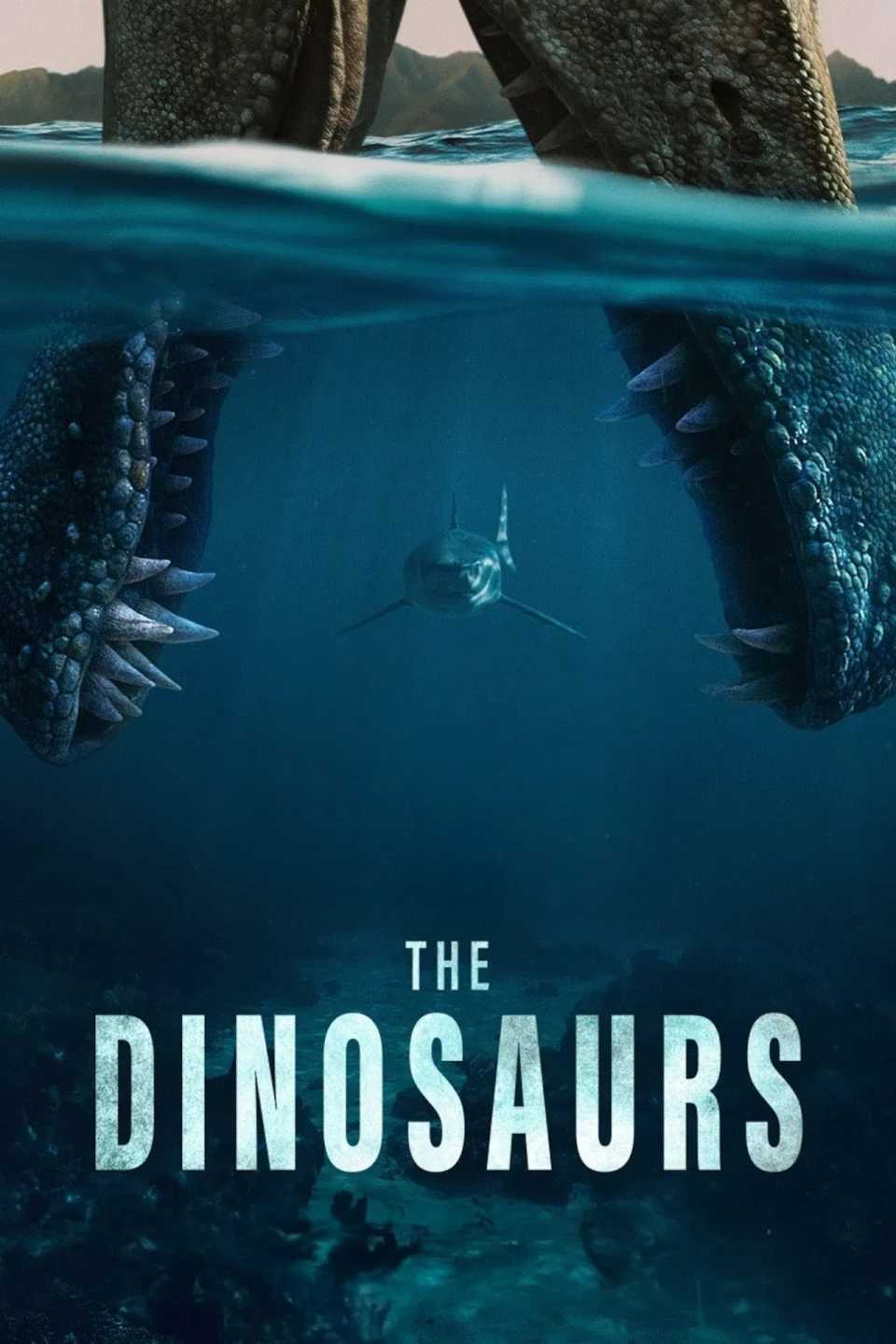
Release Date March 6, 2026
Network Netflix
Directors Nick Shoolingin-Jordan





 English (US) ·