
 Image via ABC
Published Apr 4, 2026, 6:02 AM EDT
Ryan Heffernan is a Senior Writer at Collider. Storytelling has been one of his interests since an early age, with his appreciation for film and television becoming a particular interest of his during his teenage years.
This passion saw Ryan graduate from the University of Canberra in 2020 with an Honours Degree in Film Production. In the years since, he has found freelance work as a videographer and editor in the Canberra region while also becoming entrenched in the city's film-making community.
In addition to cinema and writing, Ryan's other major interest is sport, with him having a particular love for Australian Rules football, Formula 1, and cricket. He also has casual interests in reading, gaming, and history.
Sign in to your Collider account
The nature of thriller storytelling has always translated well to the small screen, not only because of its relentless suspense and high-stakes drama being allowed to unfurl over multiple episodes and seasons, but also because it fundamentally relies on sharp screenwriting and strong performances rather than big budget set pieces and lavish appeal, ensuring it has long been able to work within the confines of television’s often modest financing. As such, the genre has a rich history in the medium, with the greatest thriller TV shows spanning as far back as the '60s and '70s.
Ranging from some of those decades-old gems of slow-burning spy intrigue and captivating, high-concept appeal to more modern classics of visceral intensity and frenetic pacing, these ten thriller series have become true classics of the medium. That they have aged as enduring hits of television entertainment is but another reason they should be lauded by the masses today as some of the best and most enthralling series the small screen has ever seen.
10 'Tinker, Tailor, Soldier, Spy' (1979)

Spy drama in both film and television through the 1960s and '70s presents a fascinating dichotomy. On one hand, there was a bombastic blockbuster allure attached to the genre, primarily spearheaded by the rampaging popularity of the James Bond franchise, that depicted spycraft as explosive excitement and sophisticated dare. On the other hand, there were gritty and grimy deep dives into the minutiae of espionage, full of atmospheric suspense and moral ambiguity. Tinker, Tailor, Soldier, Spy plants its flag in the latter camp.
Based on the John le Carré novel of the same name, the seven-part miniseries unfolds as the former deputy to the head of MI6 is summoned from retirement by the government to investigate a Russian mole operating high up in the British Secret Service. Anchored by Sir Alec Guinness’ impeccable performance as George Smiley, Tinker, Tailor, Soldier, Spy soars as an absorbing and realistic portrayal of spy work, conjuring an atmosphere of imposing gloominess through its setting of 1970s Britain and its mundane and methodical depiction of espionage.
9 'Alias' (2001–2006)
 Image via ABC
Standing as something of a forgotten gem of early 2000s television, Alias is a spy thriller that does indulge in the genre’s penchant for fast-paced action and suspense. Even with it being thrown around in terms of its airing schedule, it quickly developed a following with its kinetic and serialized storytelling, energized spectacle, and its nuanced character drama, all of which was bolstered by series creator J. J. Abrams’ appetite for winding and twisty narratives and Jennifer Garner’s magnetic lead performance.
It follows Sydney Bristow, a skilled espionage operative who learns that the organization she works for, SD-6, isn’t a top-secret branch of the CIA, but rather a counter-government unit with ties to international crime. After reaching out to the CIA, she begins working as a double agent determined to bring SD-6 down. A dazzling mixture of high-stakes spy intensity and searing action excess with inflections of sci-fi intrigue and mystery suspense, Alias is a gripping and propulsive thriller that ran on ABC for five seasons and is arguably even better to watch today given its perfect handling of Bristow as a strong and capable female lead and its thematic undertones of government duplicity, clandestine operations, and ideas of trust and betrayal.
8 'Hannibal' (2013–2015)
 Image via NBC
Daring, decadent, and divine, Hannibal defines the wicked allure of crime drama at its most auspicious and awe-inspiring best. A landmark step for network television given its graphic gore, which is as artistically spellbinding as it is grotesque, the series uses its basis on characters created by Thomas Harris to perfection, following disturbed FBI profiler Will Graham (Hugh Dancy) as he utilizes his ability to empathize with serial killers to solve horrific cases while esteemed psychologist Dr. Hannibal Lecter (Mads Mikkelsen) monitors him, using his authority to supervise Graham’s mental state as a platform to manipulate his psyche while carrying out crimes of his own.
Flaunting an operatic grandiosity that is present in everything from its elaborate murder scenes to the compelling and macabre dynamic of its two central characters, Hannibal delivered three seasons of masterful intensity before being axed in 2015. While its viewership numbers were cause for its abrupt cancellation, the series has amassed a growing following of fans in the years since its conclusion, with its groundbreaking visuals, enthralling character drama, and relentless appetite for psychological suspense making it a timeless masterpiece of thriller television that is easy to appreciate today for its stylistic boldness.
7 'Smiley’s People' (1982)
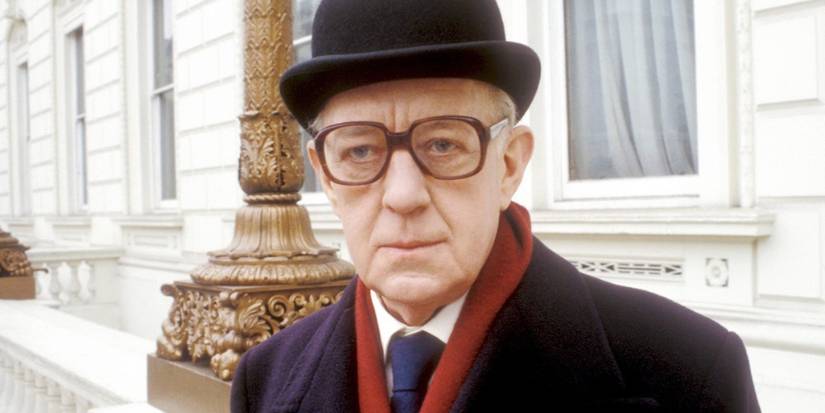 Image via BBC2
Serving as a sequel of sorts to the aforementioned Tinker, Tailor, Soldier, Spy that also finds its basis in a John le Carré novel, Smiley’s People delivers yet another cold and callous immersion into the gritty nature of real-world spycraft, with Sir Alec Guinness excelling as the leading man. The six-part limited series sees George Smiley again pulled out of retirement when a Russian defector he used to handle is murdered. As he investigates the killing, he finds himself drawing closer to his nemesis, a Russian spymaster known only as “Karla.”
While several key creative roles behind-the-scenes change hands, Smiley’s People thrives in a very similar manner as its 1979 predecessor, functioning as a brilliant and faithful adaptation of le Carré’s novel that extracts intoxicating suspense from its slow and meticulous story that highlights human drama and the intricate nature of espionage rather than explosive action bombast. Its sense of thrilling entertainment is weighted and dark, demanding patience from viewers as it agonizes them with its winding tale of betrayal and discovery that culminates in a flawless and bittersweet finale to Smiley’s ongoing rivalry with Karla.
6 'Prison Break' (2005–2017)
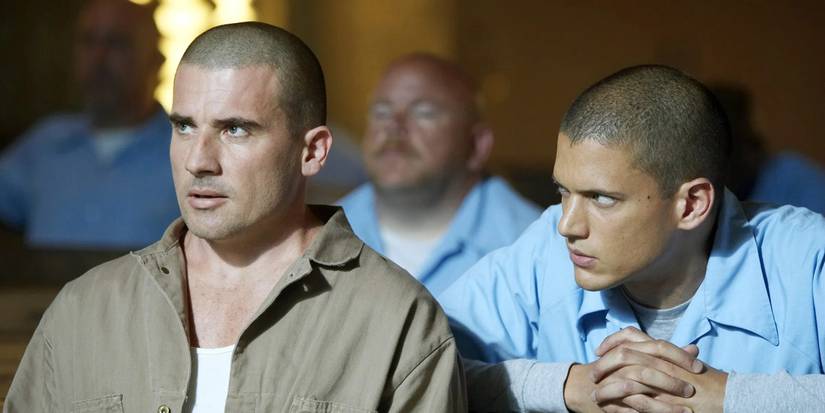 Image via Fox
While it might be fair to say that it is Season 1 of Prison Break that has aged perfectly rather than the series in its entirety, there is no denying that the title stands as one of television’s most iconic and intense in the realm of 21st century network television. The premise of Season 1 sees Michael Scofield (Wentworth Miller), a brilliant structural engineer, purposely get himself imprisoned in a jail that he helped design in order to save his brother, who is falsely accused of murdering the Vice President’s brother, from a looming death sentence.
Ensuing seasons may have milked the story idea a little aggressively, but the series as a whole does excel at delivering fast-paced thrills, agonizing cliffhangers, and gripping character drama amid high-stakes stories of survival and escape. Seeing Michael’s elaborate plans unfold while trying to determine if abrupt narrative twists are all part of the ploy or unexpected interruptions to his masterminded scheme is just as pulsating today as it was 20 years ago.
Collider Exclusive · Sci-Fi Survival Quiz Which Sci-Fi World Would You Survive? The Matrix · Mad Max · Blade Runner · Dune · Star Wars
Five universes. Five completely different ways the future went wrong — or sideways, or up in flames. Only one of them is the world your instincts were built for. Eight questions will figure out which dystopia, galaxy, or desert wasteland you'd actually make it out of alive.
💊The Matrix
🔥Mad Max
🌧️Blade Runner
🏜️Dune
🚀Star Wars
TEST YOUR SURVIVAL →
01
You sense something is deeply wrong with the world around you. What do you do? The first instinct is often the truest one.
APull on every thread until I understand the system — then figure out how to break it. BStop asking questions and start stockpiling — food, fuel, weapons. Questions don't keep you alive. CKeep my head down, observe carefully, and trust no one until I know who's pulling the strings. DStudy the patterns. Every system has a rhythm — learn it, and you learn how to survive it. EFind the people fighting back and join them. You can't fix a broken galaxy alone.
NEXT QUESTION →
02
In a world of scarcity, what resource do you guard most fiercely? What we protect reveals what we believe survival actually requires.
AKnowledge. If you understand the system, you don't need resources — you can generate them. BFuel. Everything else — movement, power, escape — runs on it. CTrust. In a world of fakes and informants, a truly reliable ally is rarer than any commodity. DWater. And after water, information — the two things empires are truly built on. EShips and credits. The galaxy is big — you survive it by being able to move through it freely.
NEXT QUESTION →
03
What kind of threat keeps you up at night? Fear is useful data — if you're honest about what you're actually afraid of.
AThat reality itself is a lie — that everything I experience has been constructed to keep me compliant. BA raid. No warning, no mercy — just the roar of engines and then nothing left. CBeing identified. Once someone with power decides you're a problem, you're already out of time. DBeing outmanoeuvred — losing a political game I didn't even know I was playing. EThe Empire tightening its grip until there's nowhere left to run.
NEXT QUESTION →
04
How do you deal with authority you don't trust? Every dystopia has a power structure. Your approach to it determines everything.
ASubvert it from the inside — learn its rules well enough to weaponise them against it. BIgnore it and stay out of its reach. The further from any power structure, the better. CAppear to comply while doing exactly what I need to do. Visibility is the enemy. DManoeuvre within it carefully. You can't beat a system you refuse to understand. EResist openly when I have to. Some things are worth the risk of being seen.
NEXT QUESTION →
05
Which environment could you actually endure long-term? Survival isn't just tactical — it's physical, psychological, and very much about where you are.
AUnderground bunkers and server rooms — cramped, artificial, but with access to everything that matters. BOpen wasteland — brutal sun, no shelter, constant movement. At least the threat is honest. CA dense, rain-soaked city where you can disappear into the crowd and nobody asks questions. DMerciless desert — extreme heat, no water, and something enormous living beneath the sand. EThe fringe — backwater planets and busy spaceports where the Empire's attention rarely reaches.
NEXT QUESTION →
06
Who do you want in your corner when things fall apart? The company you keep is the clearest signal of who you actually are.
AA tight crew of believers who've seen behind the curtain and have nothing left to lose. BOne or two people I'd trust with my life. Any more than that and someone talks. CNobody, ideally. Alliances are liabilities. I work alone unless I have no choice. DA community bound by shared hardship and mutual survival — people who need each other to last. EA ragtag team with wildly different skills and total commitment when it counts.
NEXT QUESTION →
07
Where do you draw the line — if you draw one at all? Every survivor eventually faces a moment that tests what they're actually made of.
AI won't harm the innocent — even the ones who'd report me without hesitation. BI do what I have to to protect the people I've chosen. Everything else is negotiable. CThe line shifts depending on who's asking and what's at stake. DI draw a long-term line — nothing that compromises my people's future, even if it'd help now. ESome lines, once crossed, can't be uncrossed. I know which ones they are.
NEXT QUESTION →
08
What would actually make survival worth it? Staying alive is one thing. Having a reason to is another.
AWaking others up — dismantling the illusion so no one else has to live inside it. BFinding somewhere — or someone — worth protecting. A reason to keep moving. CAnswers. Understanding what I am, what any of this means, before time runs out. DLegacy — shaping the future in a way that outlasts me by generations. EFreedom — for myself, for others, for every world still living under someone else's boot.
REVEAL MY WORLD →
Your Fate Has Been Calculated You'd Survive In…
Your answers point to the world your instincts were built for. This is the universe your temperament, your survival instincts, and your particular brand of stubbornness were made for.
The Matrix
You took the red pill a long time ago — probably before anyone offered it to you. You're a systems thinker who can't help but notice the seams in things.
- You're drawn to understanding how the system works before figuring out how to break it.
- You'd find the Resistance, or it would find you — your instinct for spotting constructed realities is the machines' worst nightmare.
- You function best when you have access to information and the freedom to act on it.
- The Matrix built an airtight prison. You'd be the one probing the walls for the door.
Mad Max
The wasteland doesn't reward the clever or the well-connected — it rewards those who are hard to kill and harder to break. That's you.
- You don't need comfort, community, or a cause larger than the next horizon.
- You need a vehicle, a clear threat, and enough fuel to outrun it — and you're good at all three.
- You are unsentimental enough to survive that world, and decent enough — just barely — to be something more than another raider.
- In the wasteland, that distinction is everything.
Blade Runner
You'd survive here because you know how to exist in moral grey areas without losing yourself completely.
- You read people accurately, keep your circle small, and ask the questions others prefer not to answer.
- In a city where humanity is a legal designation rather than a feeling, you hold onto something that keeps you functional.
- You're not a hero. But you're not lost, either.
- In Blade Runner's world, that distinction is everything.
Dune
Arrakis is the most hostile environment in the known universe — and you are precisely the kind of person it rewards.
- Patience, discipline, and political awareness are your core strengths — and on Arrakis, they're survival tools.
- You understand that the long game matters more than any single victory.
- Others come to Dune and are consumed by it. You'd learn its logic and earn its respect.
- In time, you wouldn't just survive Arrakis — you'd begin to reshape it.
Star Wars
The galaxy far, far away is vast, loud, and in a constant state of violent political upheaval — and you wouldn't have it any other way.
- You find meaning in being part of something larger than yourself — a cause, a crew, a rebellion.
- You'd gravitate toward the Rebellion, or the fringes, or whatever pocket of the galaxy still believes the Empire's grip can be broken.
- You fight — not because you have to, but because standing aside isn't something you're capable of.
- In Star Wars, that willingness is what makes all the difference.
↻ RETAKE THE QUIZ
5 '24' (2001–2014)
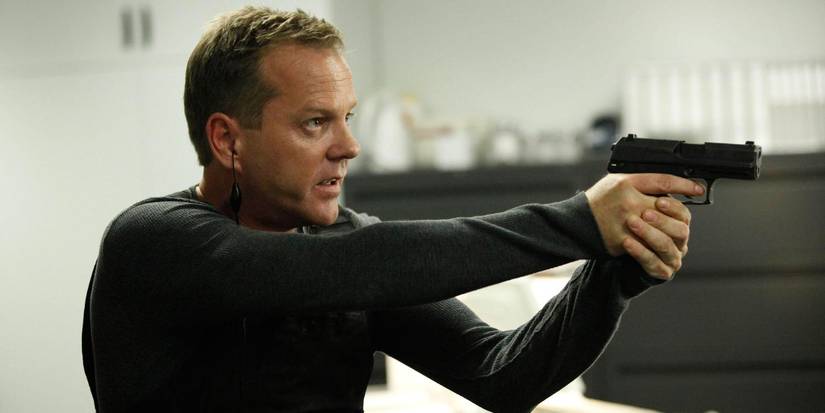 Image via FOX
Whether it is modern medical dramas like The Pitt or classic Western films like High Noon, stories that unfurl in real time always hold a certain captivating intensity when done well. Few titles have executed the unique narrative structure as masterfully as 24, with the action-thriller series seeing each season depict a day in the life of Los Angeles counter-terrorist agent Jack Bauer (Keifer Sutherland) across its 24-episode arc. Ranging from combating nuclear bomb threats from terrorist organizations to saving the U.S. President from assassination attempts, every season is a masterclass in relentless small-screen suspense that is as frenetic as it is exciting.
While the quality of seasons does start to fluctuate a bit in the middle of the series’ nine-season run, 24 maintains a sense of propulsive momentum and absorbing action suspense throughout the entirety of its tenure, largely because of its commanding grasp of high-stakes thrills and its penchant for shocking narrative twists that reconfigure the nature of the story. Also imbued with an air of moral complexity surrounding Bauer’s urgent missions and a canny eye for cultural relevance that tackles issues of terrorism and politics with aplomb, 24 is a scintillating action-thriller series that never goes out of fashion courtesy of its storytelling prowess, pulsating intensity, and rich thematic undertones.
4 'The Americans' (2013–2018)
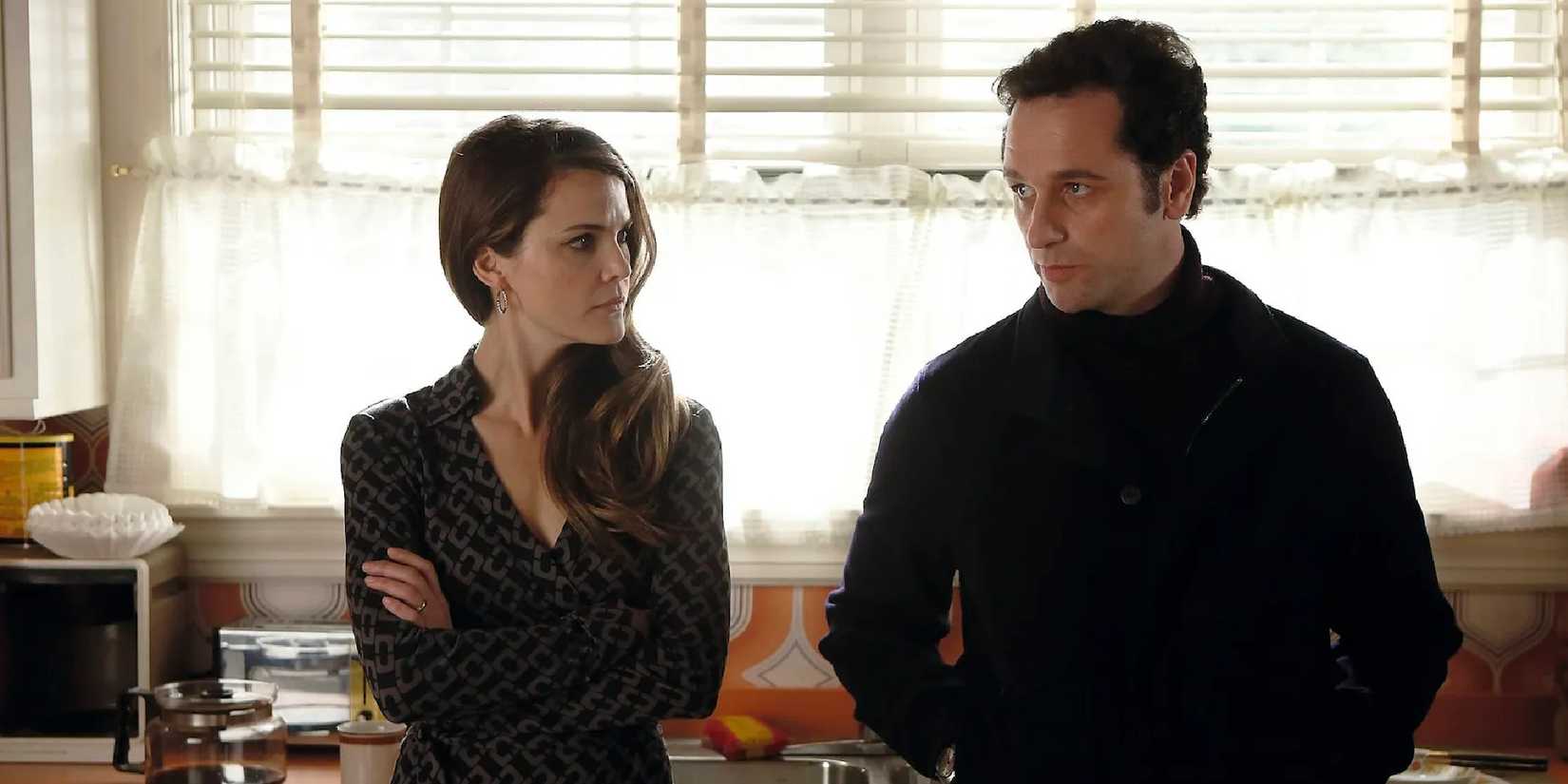 Image via FX
It may seem difficult to determine if a series that ended less than a decade ago has truly aged well, but in the case of The Americans, the thematic focus and depth, as well as the enchanting nature of its storytelling makes it even more relevant today than it was when it aired. Set in the 1980s, in the midst of Cold War tensions, it follows KGB sleeper agents Philip (Matthew Rhys) and Elizabeth Jennings (Keri Russell) as they pose as an ordinary American family with their two children while carrying out missions to gain intel for the Soviet Union and weaken America’s government.
While it is yet another thriller series that leans on spy tropes to conjure thrills, The Americans achieves its engrossing tension a little differently than many other shows in the subgenre. It embeds itself in complicated and unanswerable questions of morality and loyalty while using its high-stakes premise not only as an avenue to explore intriguing ideas of political ideology, but as a detailed parable of marital challenges as well. Its grasp on character drama is faultless, and the way it combines its nuanced and grounded meditations on each of its characters’ philosophies and values with heart-stopping sequences of spycraft makes it a defining triumph of 2010s television that will never lose relevance.
3 'The Prisoner' (1967–1968)
 Image via ITV1
It may be a forgotten series to younger viewers today, it wasn’t even a dominant mainstream hit when it premiered in 1967, but The Prisoner has achieved an undeniable cult classic status through its desire to challenge contemporary norms in television storytelling while running with a captivating, genre-mixing story of conformity, individualism, and high-stakes suspense. Created by and starring Patrick McGoohan, the 17-part one-off series follows a former secret agent as he is imprisoned in an idyllic seaside community. Known only as “Number Six,” he evades his captors at every turn while trying to escape without divulging any confidential information he knows.
Its story of psychological torment clashes with its picturesque visuals and setting quite hypnotically, conjuring an air of eerie and claustrophobic intrigue while delivering a continuous, serialized story that was decades ahead of its time. Also laced with compelling thematic ideas about the identity, the invasive nature of surveillance, and timeless questions of societal freedom anchored in 1960s paranoia, The Prisoner is every bit as relevant today as it was upon release almost 60 years ago. Its high-end production value, experimental editing, and unorthodox storytelling structure only add to this ageless allure.
2 'Lost' (2004–2010)
 Image via ABC
In many respects, Lost is the defining title of 2000s television, especially as far as network drama goes. Blending rich character drama with sci-fi intrigue, survivalist suspense, and an absorbing central mystery, the ABC drama follows the survivors of a commercial airplane who find themselves stranded on a mystifying island somewhere in the South Pacific Ocean. While they initially hope to wait long enough to be rescued, they soon learn that the island holds many dark and enigmatic secrets and that they may not be alone in their abandonment.
Designed to present a mosaic of diverse, flawed, and interconnected characters whose individual stories are revealed through flashbacks, Lost masters the art of conjuring suspense by making nobody feel so integral to the plot that they are beyond being killed, leading to a thrilling spectacle of survival that intelligently balances its high-stakes premise of survival with nuanced and complex characters that viewers instantly connect with. Its success paved the way for many television dramas that have come in the ensuing years, but few have matched Lost’s immense cultural impact, and even fewer have aged as gracefully.
1 'Twin Peaks' (1991–1992; 2017)
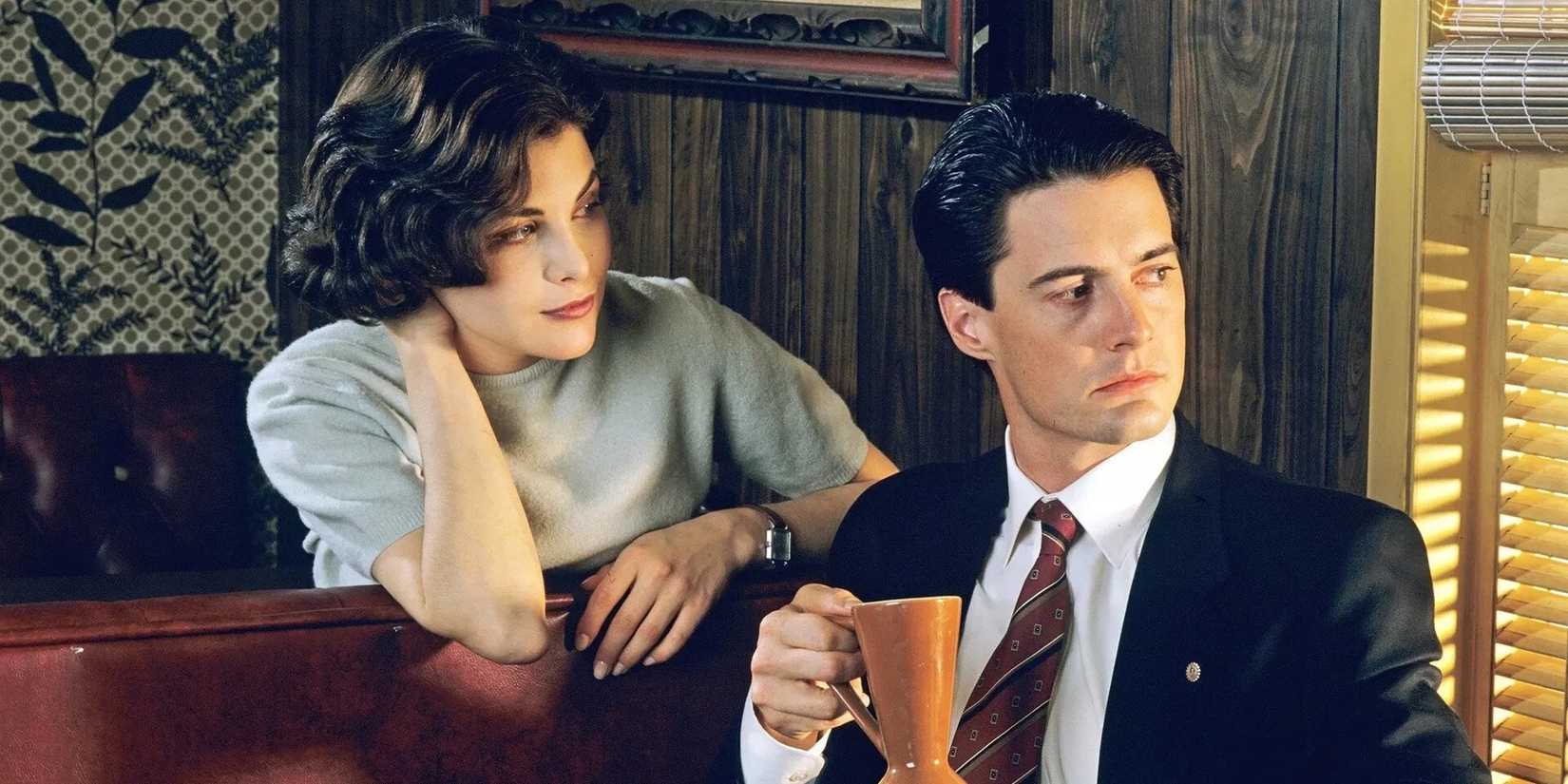 Image via ABC
When it comes to classic crime television, there are few titles that spring to mind with such impassioned immediacy as Twin Peaks. Directed by David Lynch, the series runs primarily as a murder mystery thriller, but it is also imbued with elements of absurdist comedy, high-concept surrealism, and even outbursts of striking horror to stand—even 35 years later—as one of the most unique and impressionable series television has ever seen.
It follows FBI agent Dale Cooper (Kyle MacLachlan) as he travels to the small Washington town of Twin Peaks to investigate the murder of a local teenager. Unrivaled in terms of its atmospheric style—conjured by its setting of 90s Americana laced with sinister undertones and Angelo Badalamenti’s haunting music—it has come to be an enduring icon of small-screen suspense. Furthermore, it was instrumental in pioneering serialized storytelling in the format, steering crime television away from the case-of-the-week police procedurals and closer towards the ongoing drama that today’s viewers are more familiar with. Its ability to mix such wildly different genres seamlessly and with such conviction has seen it age magnificently over the years, with its generation-transcending brilliance highlighted by the success of Twin Peaks: The Return, which was released as a sequel in 2017.




 English (US) ·