

Published May 14, 2026, 6:02 PM EDT
Cathal Gunning has been writing about movies, television, culture, and politics online and in print since 2017. He worked as a Senior Editor in Adbusters Media Foundation from 2018-2019 and wrote for WhatCulture in early 2020. He has been a Senior Features Writer for ScreenRant since 2020.
While Netflix has plenty of great sci-fi shows to its name in 2026, the streaming service’s ambitious blend of Star Trek and The Expanse arrived too early to get the support it needed from viewers who love the genre. Sci-fi shows, as a rule, tend to be pretty expensive. As a result, they are more likely to be canceled early than sitcoms, character-based dramas, or other shows that require a smaller upfront investment from producers. This explains why shows like Prime’s The Peripheral or HBO’s The Nevers lasted only one season despite their promising premises.
Sometimes, a critical smash like Prime’s The Expanse will manage to sidestep this problem, winning over a big enough audience to last for multiple seasons. While this is always a welcome surprise, it is an increasingly rare sight in the cutthroat world of competitive streaming services. While The 100 lasted seven seasons and an appropriate 100 episodes, Netflix’s Sense8 only earned two seasons and a standalone special before it was canceled for good.
Similarly, even though Netflix’s Lost in Space reboot blended the appeal of the Star Trek franchise with the moral ambiguity of The Expanse, the show only lasted a mere three seasons before the reboot was canceled in 2021. Loosely based on the original 1965 series of the same name from CBS, Lost in Space followed the story of the Robinson family, who are selected to colonize the Alpha Centauri system after an asteroid makes earth large uninhabitable.
Lost in Space Was Netflix’s First Major Space Opera Series
Before the Robinson family can even arrive at their destination, their interstellar spacecraft is attacked by an alien robot. Forced to flee in smaller spaceships, the family crash-lands on the closed planet that can sustain human life and soon starts forging a life for themselves while encountering the many unexpected threats of their new homeland. If this plot sounds familiar and the family’s name rings a bell, that is likely because the original CBS series and its reboot are both based on 1812’s classic shipwreck adventure novel The Swiss Family Robinson.
Compared to the original series, Netflix’s Lost in Space reboot was far darker and more intense, with direction from The Descent’s Neil Marshall, Cube’s Vincenzo Natali, and Mr. Robot alumnus Deborah Chow. However, the show wasn’t too dark to compete with its contemporaries, and its blend of interpersonal drama among the survivors and tense explorations of their new home planet called to mind both the hopeful tone of the Star Trek universe and the complexity of The Expanse’s ambitious, morally grey story.
Lost in Space’s Swift Cancellation Highlights A Recurring Netflix Problem
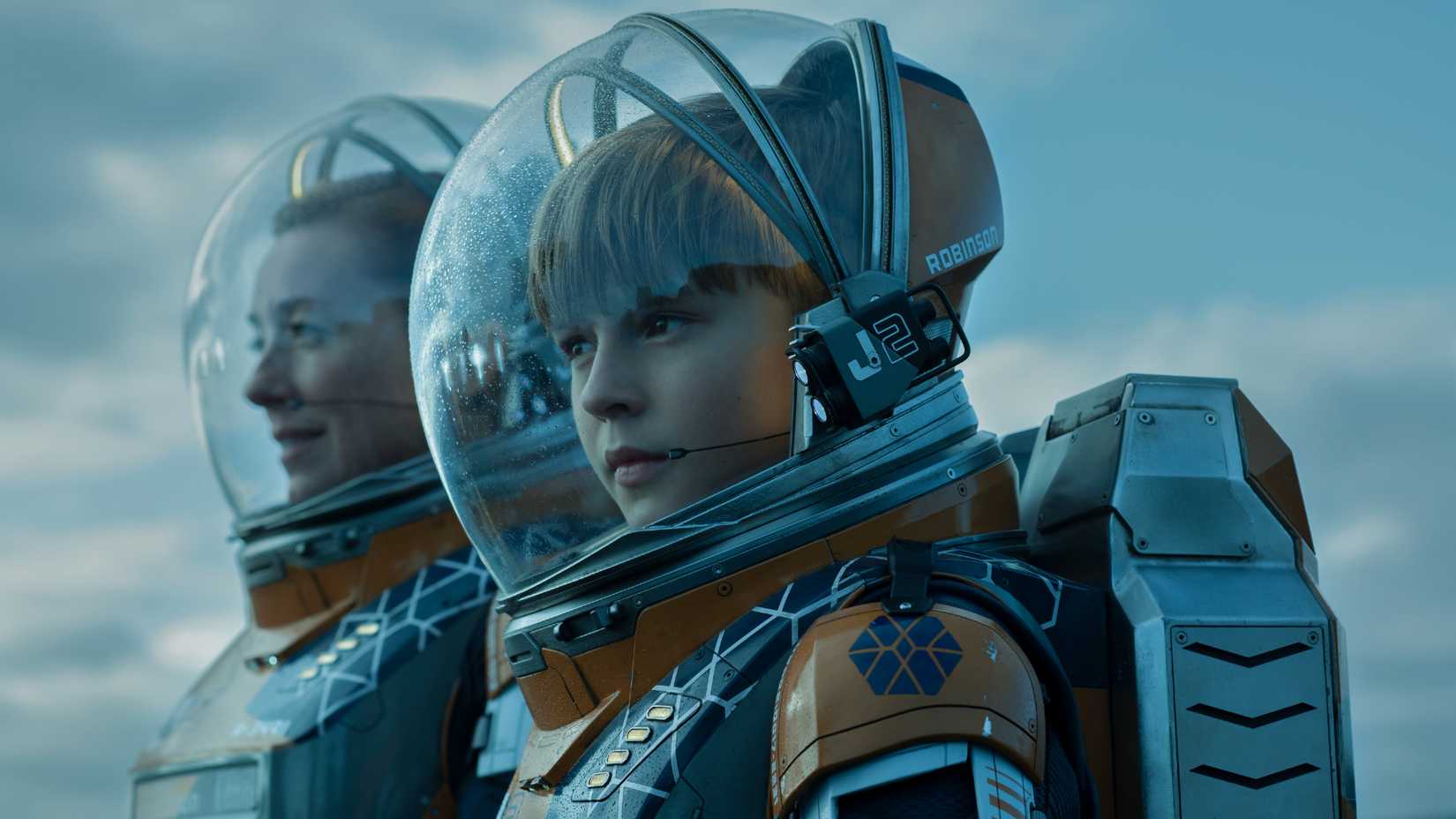
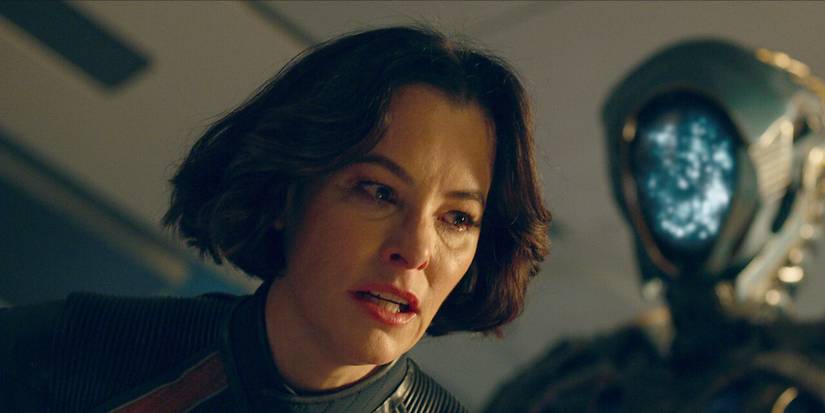
As Lost in Space’s story continued, characters like Parker Posey’s divisive Dr. Smith and Maxwell Jenkins’ Will Robinson revealed new depths, and the morality of the show grew more complex. Compared to the simplistic episodic storytelling of the CBS show, Lost in Space felt more like a thoroughly modern, morally grey sci-fi show that could go toe to toe with the likes of Netflix’s earlier Sense8 or The Expanse in its complex character drama.
However, like Sense8, the series didn’t last long enough to fulfill all of its potential. After only three seasons and 28 episodes, Lost in Space was canceled to soon, and its final season was released in late 2021. Although the last outing was far from a disappointment, it was still unfortunate to see a promising space opera end early in an era when few shows of this genre have flourished.
There are plenty of ambitious new sci-fi shows coming from every streaming service, but precious few of them last for more than a few seasons. The ambitious storytelling of The Expanse and the Star Trek franchise’s best outings requires plentiful screen time to establish complex, believable dynamics between characters, so Netflix’s decision to cancel Lost in Space just as the show was finding its feet limited its ability to recapture the best qualities of these shows.

Release Date 2018 - 2021-00-00
Network Netflix
Showrunner Burk Sharpless
Writers Matt Sazama, Burk Sharpless, Kari Drake, Katherine Collins, Vivian Lee, Zack Estrin, Ed McCardie, Daniel McLellan, Liz Sagal
-

Molly Parker
Maureen Robinson
-

Toby Stephens
John Robinson





 English (US) ·