

Published Aug 17, 2026, 6:01 PM EDT
Cathal Gunning has been writing about movies, television, culture, and politics online and in print since 2017. He worked as a Senior Editor in Adbusters Media Foundation from 2018-2019 and wrote for WhatCulture in early 2020. He has been a Senior Features Writer for ScreenRant since 2020.
There have been plenty of Agatha Christie screen adaptations, but Netflix’s recent take on one 1929 murder mystery novel of hers proved beyond a shadow of a doubt that many of them, like Kenneth Branagh’s Murder on the Orient Express, are making the same mistake over and over again. While Arthur Conan Doyle’s Sherlock Holmes might have established the detective fiction genre, alongside Edgar Allan Poe’s influential short story “The Murders in the Rue Morgue,” there can be no doubt about whom the genre’s most important literary voice is.
More than just the creator of the iconic detective Poirot, the character who launched a million cozy mysteries, author Agatha Christie is also the bestselling and most influential writer of mystery novels and thrillers ever. Screen adaptations of her work date back almost 100 years, with the arrival of 1928’s The Passing of Mr. Quin, a feature film adaptation of the short story “The Coming of Mr Quin.”
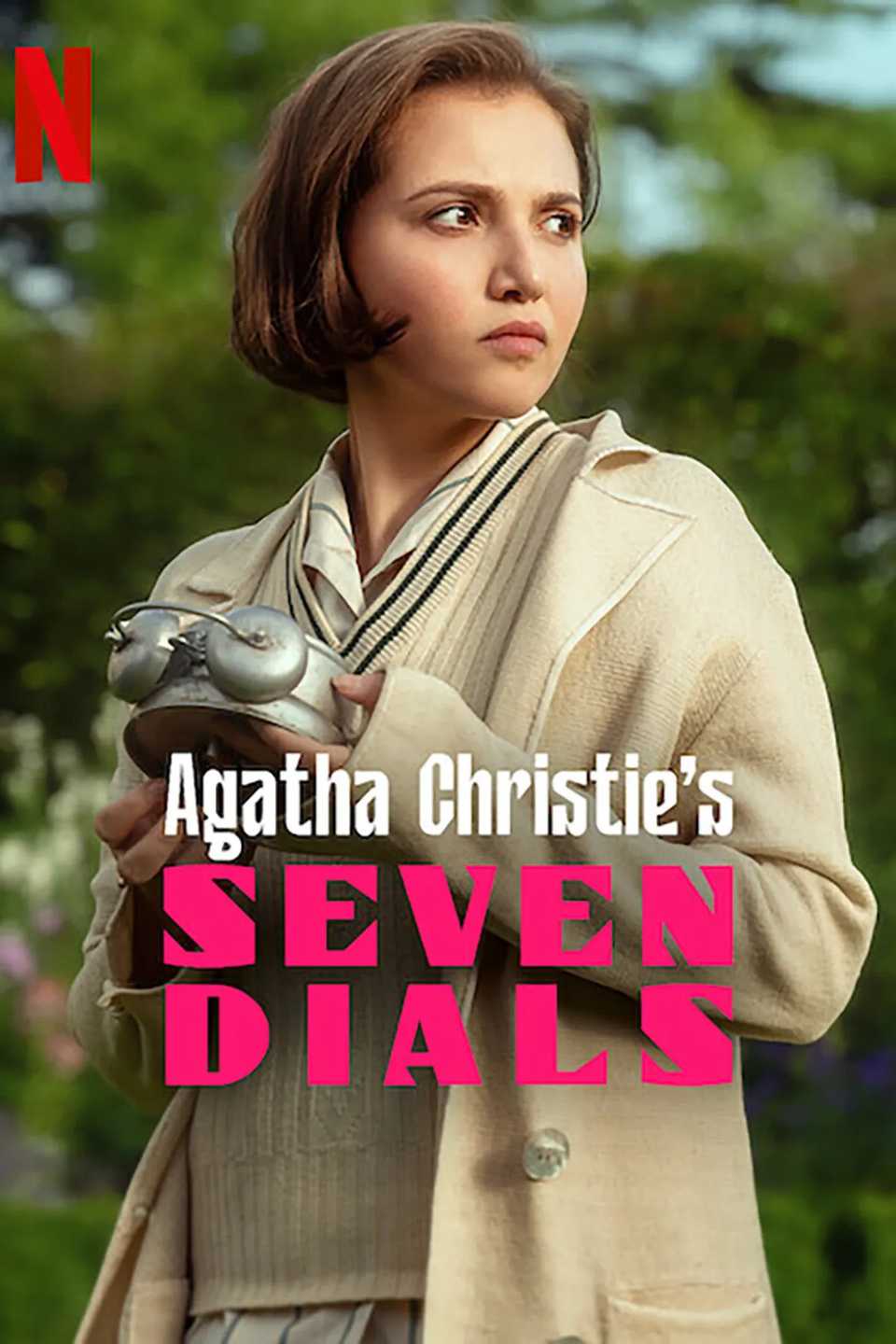
In that time, Christie has shaped the mystery genre in all its forms. The Miss Marple books helped provide the blueprint for the cozy mystery subgenre, now kept alive by The Thursday Murder Club franchise, while 1939’s atypically dark And Then There Were None is considered a pivotal influence on Giallo movies and, later, the slasher subgenre. Even grim, gritty shows like True Detective owe a creative debt to Christie’s mysteries, although most of her screen adaptations take on a lighter tone, like Netflix’s 2026 hit Agatha Christie’s Seven Dials.
Agatha Christie’s Seven Dials Proves That Dark Adaptations Don’t Work
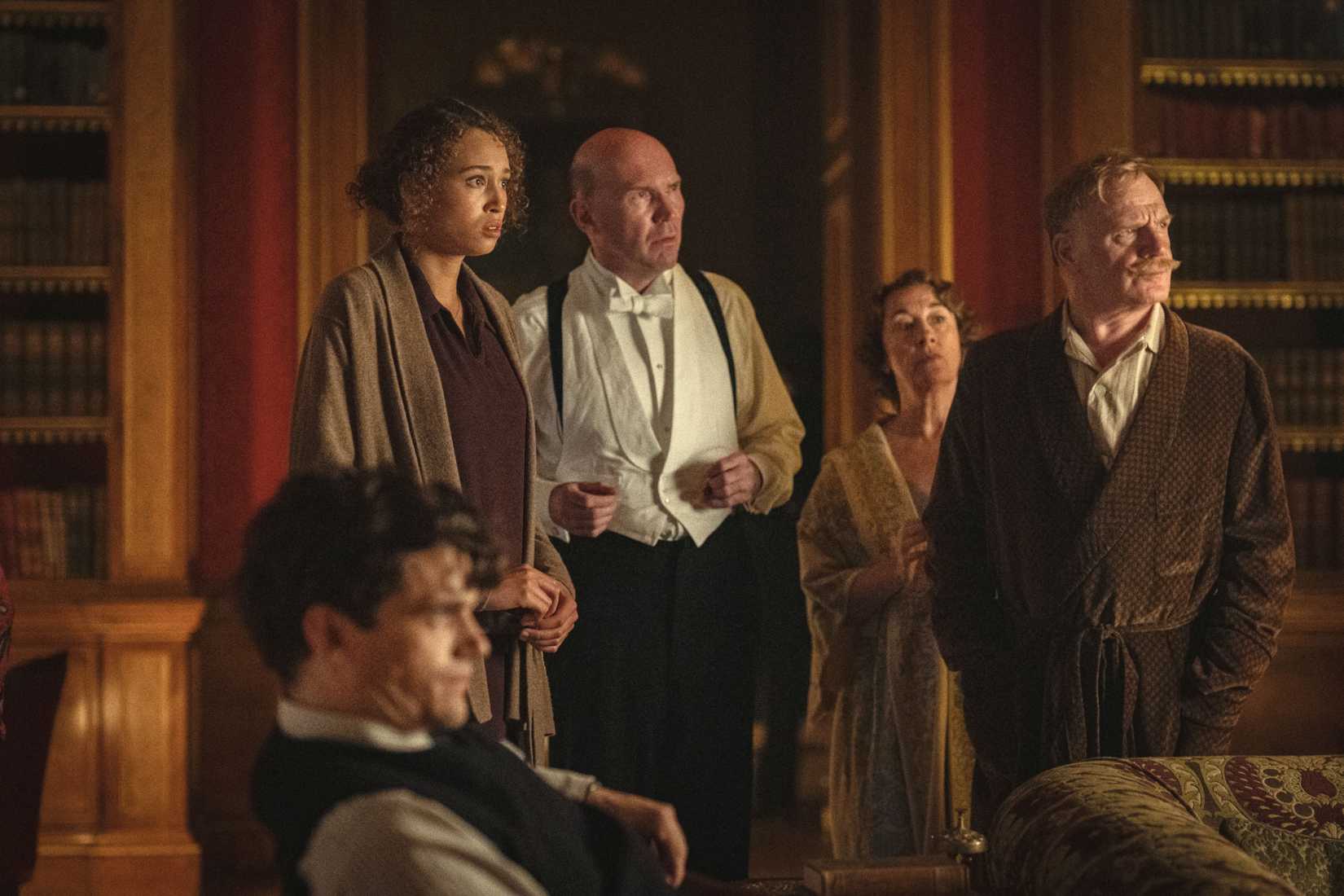
In a misguided attempt to move with the times, the creators of numerous major Christie adaptations throughout the 2010s attempted to ape the gritty, brutal, downbeat tone that was popularized by hit detective dramas like Bosch, True Detective, and The Sinner. To be clear, there is nothing inherently wrong with this storytelling style and, on the contrary, everything from Mare of Eastown to Under the Banner of Heaven to 2018’s acclaimed Gillian Flynn adaptation Sharp Objects benefited from replicating this dour atmosphere.
The only problem was that this style didn’t really rhyme with Christie’s own approach to the mystery genre, which, by and large, was a lot more playful and upbeat. Since the author was so prolific, there are undoubtedly titles that stand out as exceptions to this rule. Not only was 1939’s aforementioned And Then There Were None one of the bleakest crime novels ever written at the time of its release, but even the late-period Poirot novel Hallowe’en Party is a particularly cynical, hopeless book with a child victim and almost no redeemable characters outside of Poirot himself.
However, these books don’t hold up as a representative sample of Christie’s work. On the contrary, most of Christie’s books were fun first and foremost, taking the subject of murder about as seriously as the later daytime mystery shows Murder She Wrote, Midsomer Murders, or Diagnosis Murder did. In fact, Christie’s novels were an obvious formative influence on all three shows, with their unconventional, often underestimated sleuths, their colorful, campy suspects, and their reliable plot structure.
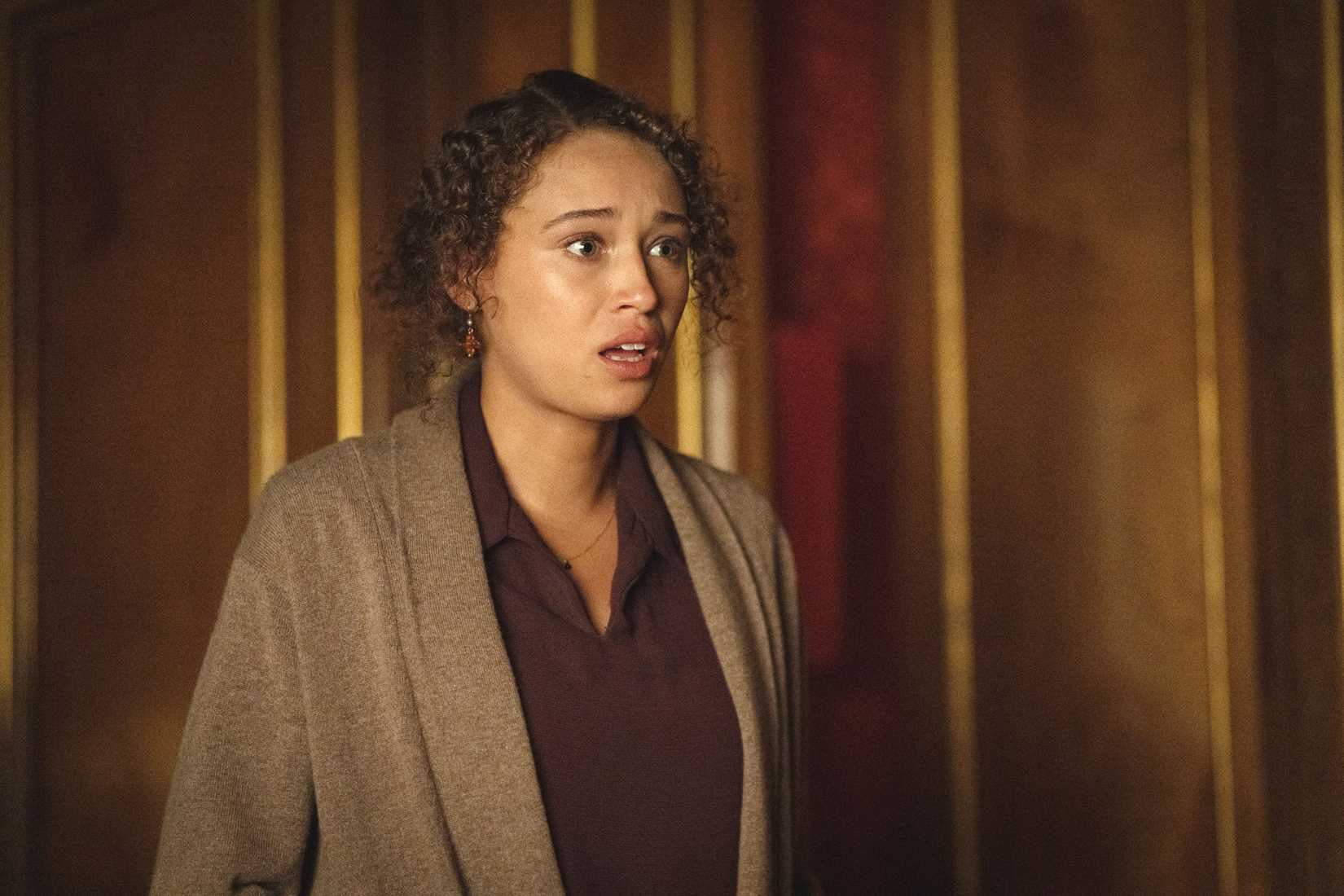
This would explain why, although the show’s critical reception was slightly mixed, the mostly breezy, fun tone of 2026’s Netflix adaptation, Agatha Christie’s Seven Dials, was the most acclaimed element of the show. Its darker elements earned criticism, with reviewers saying that the heroine’s grief over a murdered lover jarred with its otherwise playful tone, a comment that proves the adaptation might have fared better had it leaned even further into comedy and fun.
Agatha Christie’s Recent Adaptations Were Too Dark
It would make sense if readers were surprised by this summation. After all, Christie’s novels are ultimately about murder, which is a fairly unambiguously serious topic. However, there is a reason that the Daniel Craig vehicle Knives Out and its sequels Glass Onion and Wake Up Dead Man have been singled out as particularly strong tributes to Christie’s mysteries.
While this required the author to walk a tonal tightrope with a lot of her books, Christie managed to make murder investigations fun throughout most of her work. In their desperation to replicate the critical success of shows like True Detective season 1, Hannibal, and The Killing, various 2010s takes on Christie’s books lost this charm. Admittedly, 2015’s bleak And Then There Were None miniseries worked precisely because the miniseries is based on a uniquely dark book, one that famously stands out as an anomaly in Christie’s canon.
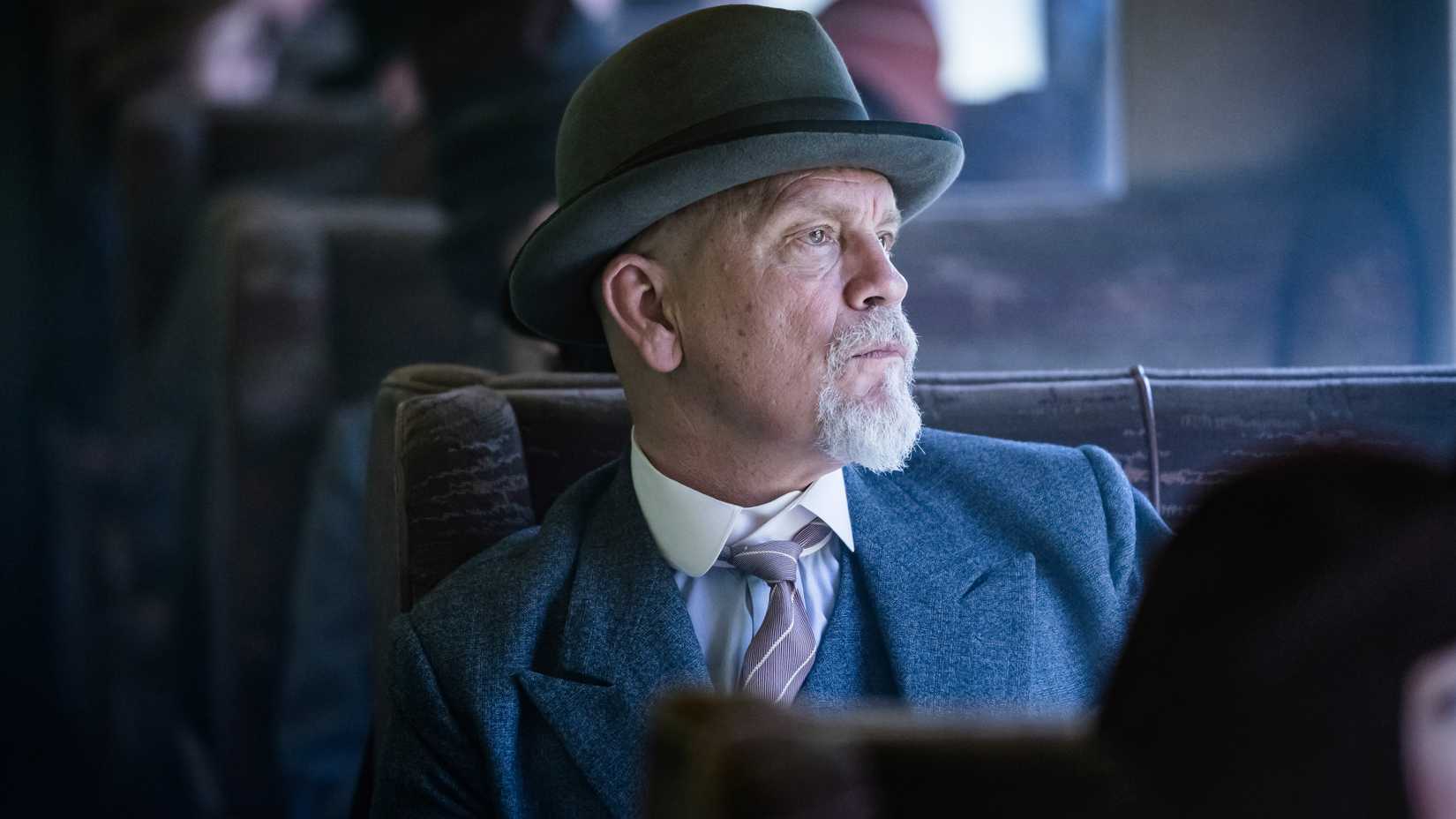
In contrast, 2018’s The ABC Murders and 2017’s Kenneth Branagh movie Murder on the Orient Express both took the fun out of Christie. Viewers were met with a scowling, traumatized take on Poirot in both adaptations, a hilariously misjudged change that attempted to turn one of literature’s goofiest egg obsessives into a tortured antihero. Like a mustachioed Rust Cohle, these two pessimistic versions of the quirky detective profoundly misjudged the character’s original appeal.
Netflix’s Agatha Christie Series Helped Reverse This Agatha Christie Adaptation Trend
Poirot’s bizarre habits and incessant jabs at his long-suffering helpers might seem like mere incidental character details, but they are secretly a pivotal part of what makes Christie’s mysteries work. The suspects are, by and large, nefarious enough to seem like potential murderers, which means the reader (or viewer, in an adaptation) needs someone to root for in the story.
Poirot, with his silly affectations and single-minded outlook, or Miss Marple, with her love of gossip and sly wit, make for a necessary reprieve from the amorality of the stories they appear in. Thus, a show like 2018’s misjudged The ABC Murders, wherein John Malkovich’s Poirot is a brooding shell of a man, gives viewers nothing but bleakness, no fun to look forward to, and little reward for sticking around.
Along with 2022’s Why Didn’t They Ask Evans?, which was both even lighter in tone than the Netflix show and even more acclaimed as a result, Agatha Christie’s Seven Dials proves that new adaptations of the writer’s work need to instead take on a more playful tone. Interestingly enough, despite being adapted from a particularly dark Agatha Christie novel, Branagh’s third Poirot movie, A Haunting in Venice shared its goofier, campier tone with Agatha Christie’s Seven Dials, and was far better than Murder on the Orient Express as a result.
Release Date 2026 - 2026-00-00
Network Netflix
Directors Chris Sweeney
Writers Chris Chibnall
-

Mia McKenna-Bruce
Lady Eileen 'Bundle' Brent
-

Helena Bonham Carter
Lady Caterham



 English (US) ·