

Published Sep 13, 2026, 11:45 PM EDT
Umair is a contributor for the ScreenRant anime section. He has always been enthusiastic about pop culture. Whether it's anime, movies, TV shows, manga, manhwa, video games, or pop music, he is always tuned in.
From the classic Dragon Ball to the underrated Dororo, he has a broad knowledge of the most.
When he's not writing, you may find him editing on his favorite anime, movie, or pop star on his Instagram.
When discussing the greatest modern sci-fi, HBO's Westworld is still one of the first shows that comes to mind. Its story about artificial beings gaining consciousness turned into four seasons of wild ideas about AI, identity, and what it actually means to be human. While that abrupt cancellation back in 2022 still stings four years later, especially since it robbed fans of a planned fifth and final season, Netflix's two-season sci-fi animated series Pantheon just happens to fill that gap almost perfectly.
Based on Ken Liu's acclaimed short stories, Pantheon takes the idea of artificial intelligence in a much more personal direction. Instead of robots being built and slowly developing their own minds, the series explores Uploaded Intelligence, or UI: technology that can scan a person's actual consciousness and upload it onto a computer network. The body is gone, but the memories, personality, and everything that makes that person who they are still remains.
That idea takes Pantheon into some seriously wild territory. A UI has the memories, personality, and voice of the person it came from, and it genuinely believes it is still that person. But if the original person is dead, is the UI actually them, or is it just a perfect copy that thinks it is? That's the question Pantheon keeps playing with as these UIs start living on their own, making choices, forming relationships, and slowly realizing that being uploaded has changed their lives in ways they never expected.
Pantheon Proves Trapping Human Minds Is Much Scarier Than Westworld's Robots
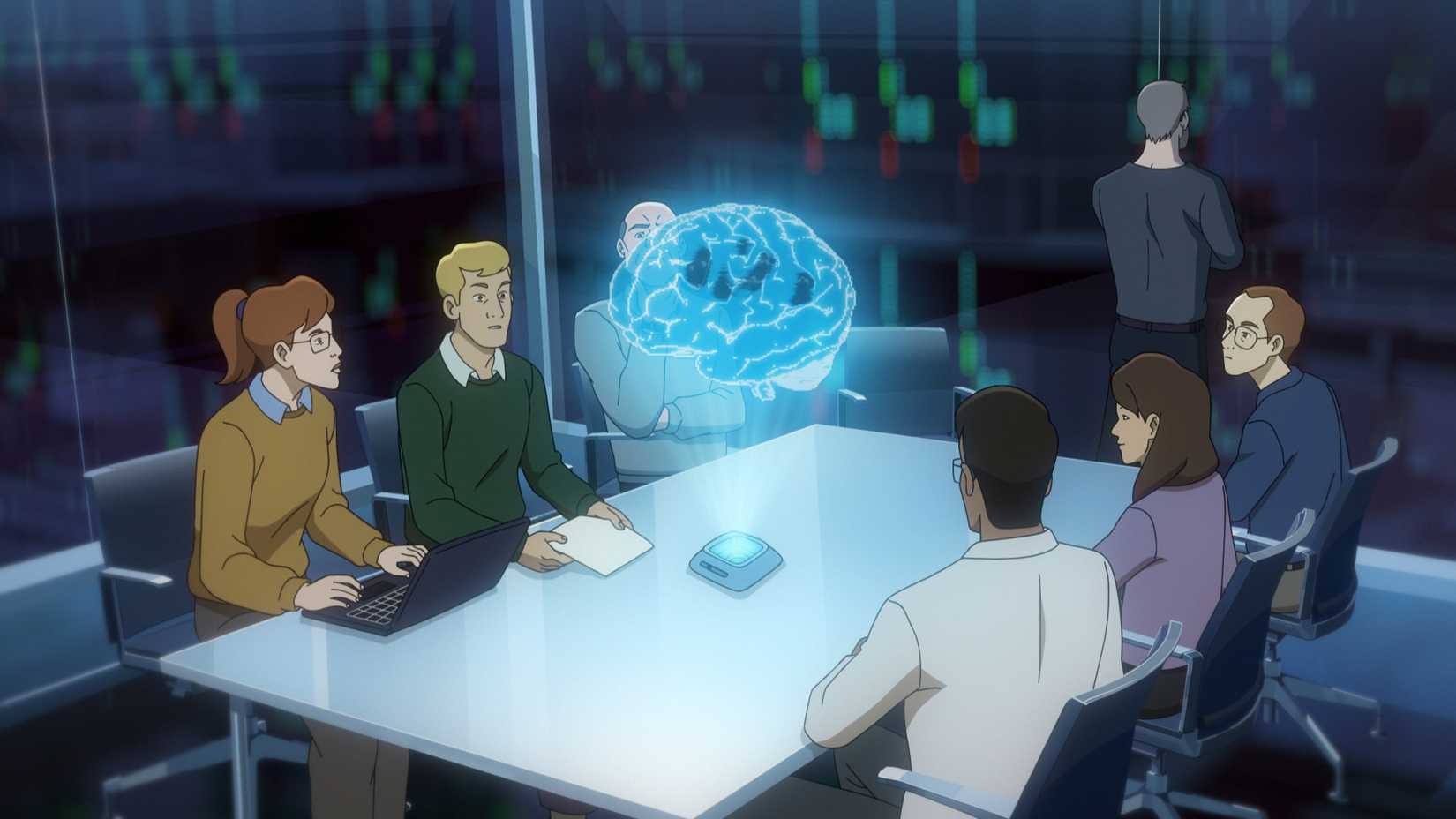
Pantheon wastes almost no time getting weird. Maddie Kim is a lonely, heavily bullied teenager trying to deal with the death of her father, David, a brilliant computer engineer. Her home life isn't helping either, as things with her grieving mother keep getting worse. Just when things couldn’t have gotten more complicated, Maddie starts receiving strange encrypted messages online. At first, it looks like some kind of bizarre hack. Then she realizes who's actually sending them: her dead father.
Before his death, David's brain was subjected to a destructive scan, and his consciousness was secretly uploaded to the cloud by his former employer, the tech giant Logorhythms. That's the hook that kicks Pantheon into gear, because David isn't some AI trained on his old data. He remembers Maddie. He remembers his life. As far as he's concerned, he's still David Kim.
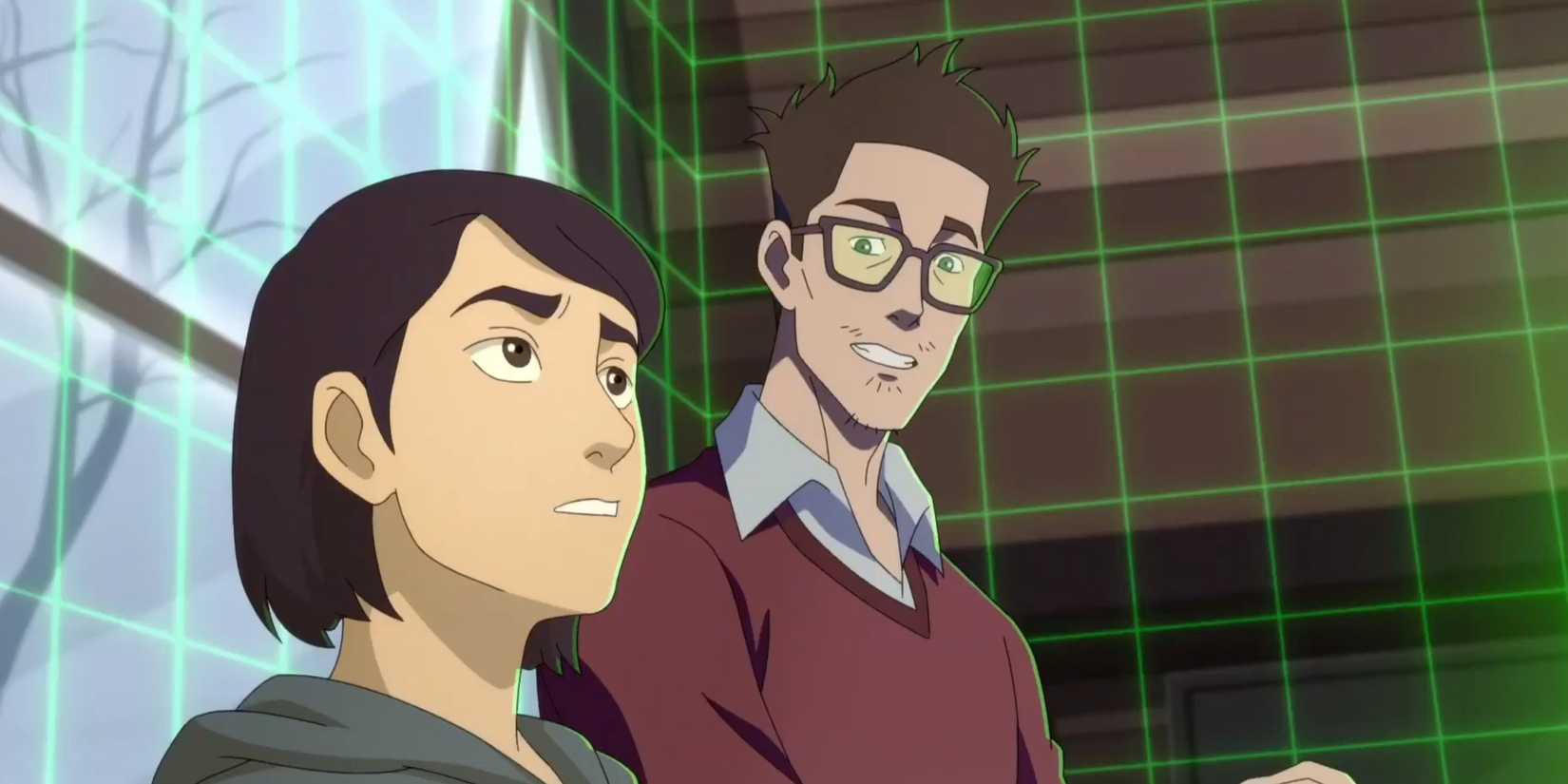
This is exactly where Pantheon draws its sharpest contrast with Westworld. While Delos focused on manufacturing physical robotic bodies and letting wealthy guests play around with them, Logorhythms operates on a much more grounded Silicon Valley scale. The company isn't just evil for the sake of being evil, either. It genuinely believes Uploaded Intelligence is the next step in human evolution.
In reality, by secretly trapping human minds inside massive server farms, it has created a digital workforce capable of cracking codes and pushing technology forward at ridiculous speeds. The result is a corporate thriller where human consciousness becomes another thing for a tech company to control, and that's a much nastier idea than anything happening in Westworld's parks.
Pantheon Delivers The Deeply Personal AI Story That Westworld Failed To Tell
Then there is Caspian Keyes, whose story takes an entirely different turn. Caspian is a gifted teenager who slowly discovers that his whole life has been manufactured by Logorhythms. His abusive parents are actually undercover agents, and he was deliberately raised in a controlled environment to recreate the mind of the company's dead billionaire founder. The plan is to use Caspian's genius to solve the coding flaw that causes UIs to mentally deteriorate.
So while Maddie is trying to save her father, Caspian is discovering that his entire life is a lie, and Logorhythms is quietly pushing the technology further. Those three stories eventually collide, giving Pantheon a lot more going on than just another “AI becomes conscious” story.
And honestly, that's why Pantheon feels like everything Westworld should have been. Westworld had the bigger budget and the flashy robot bodies, but Netflix's animated series takes the same questions and makes them feel much more personal. The idea of a machine becoming conscious is one thing. Finding out that the person talking through that machine might actually be someone who died is a whole different kind of creepy. Pantheon takes that idea and just keeps pushing it further.
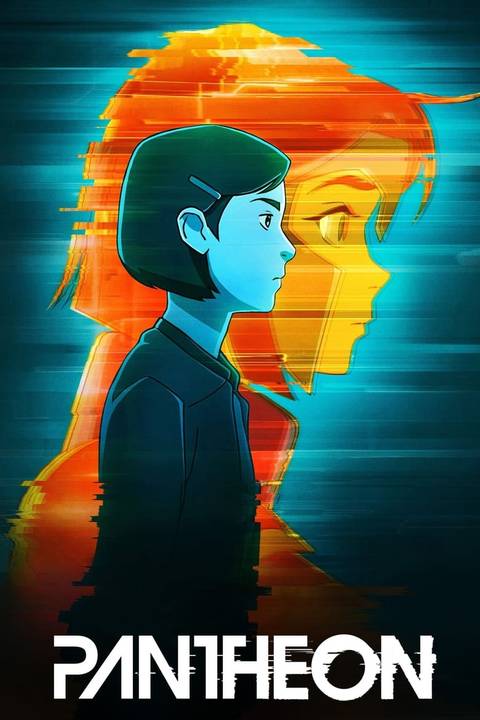
Release Date 2022 - 2023-00-00
Network Prime Video, AMC+, HIDIVE
Directors Melchior Zwyer, Ed Tadem, Micah Gunnell, David Dwooman Woo, Mari Yang
Writers Michael Taylor, Scott Gunnison Miller
-

Arthel Neville
Host (voice)
-






 English (US) ·