
One of Netflix's top new TV shows is the perfect example of an expertly constructed magic system. Any great fantasy story needs a solid magic system, though these can come in all shapes and sizes. Traditionally, we have seen "soft" and "hard" magic systems. The former is used to describe a magic system without rigid rules. Magic simply exists and behaves mysteriously in these worlds. This contrasts with hard magic systems, which function more like real-world science. Neither option is right or wrong, and there are great fantasy stories within both categories.
|
Sanderson's First Law |
"An author’s ability to solve conflict with magic is directly proportional to how well the reader understands said magic." |
|
Sanderson's Second Law |
"Limitations > Powers" |
|
Sanderson's Third Law |
"Expand what you already have before you add something new." |
Sanderson's laws would effectively greenlight dozens of magical systems in great fantasy worlds, but perhaps the most poignant example comes from Netflix's One Piece. The original story from Eiichiro Oda is a masterclass in applying each of Sanderson's laws, though in the most beautifully simple ways. Netflix has carried this system over from anime to live-action so effectively that One Piece stands out as having one of the best magic systems in the current fantasy television landscape.
How One Piece's Anime Roots Give Its Magic System An Edge
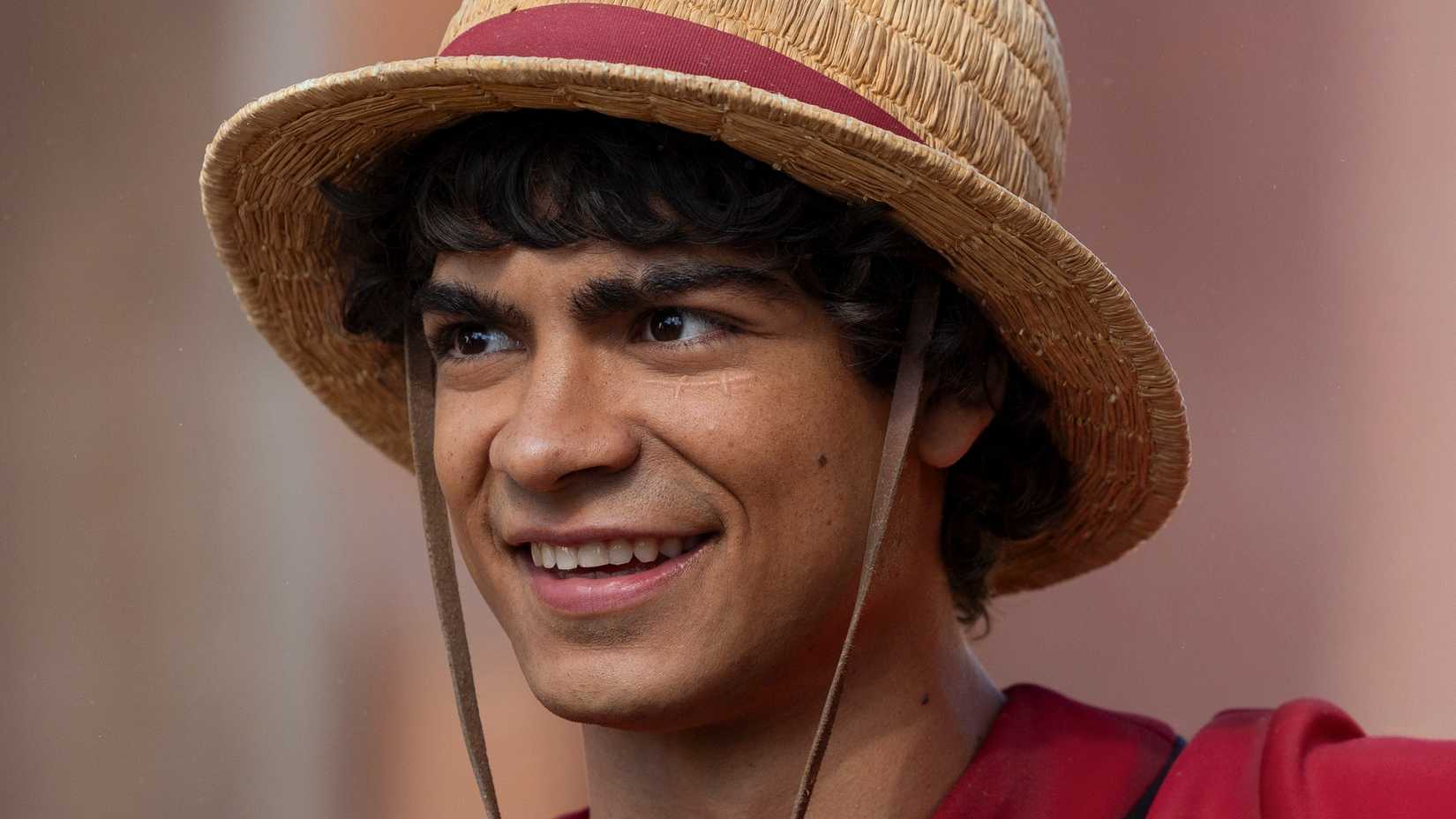
On the surface, the magical elements of One Piece are as simple as they can get. The system revolves around Devil Fruits, which grant those who eat them permanent magical powers. Each power is unique yet easy to define, allowing One Piece to smoothly survive Sanderson's first law. The story finds shocking new ways for Luffy's rubber-like body to adapt to new conflicts or enemies, but it's always within the parameters of that very simple power.
Of course, Luffy and others who have eaten Devil Fruits in One Piece have a consistent limitation—they can't swim. In fact, they face significant consequences when submerged in water. It's an example of Sanderson's second law and an ironic twist, since this is a seafaring story. The fact that this is a limitation for each and every Devil Fruit User levels the playing field, ensuring that no character is as overpowered as they may seem.
This brings us to Sanderson's final law for creating a great magic system—expand before adding anything new. Part of what makes One Piece so spectacular is that the magic system can be infinitely expanded. The central idea of Devil Fruits means that a character's abilities and actions in combat depend entirely on the magical abilities of their opponent. Luffy's actual ability remains the same, but each enemy presents new ways for him to use it.
Overall, One Piece passes Sanderson's laws with flying colors and with much more ease than even the author's own magic systems, and that's all because of how almost laughably simplistic the concepts are as a whole. As an anime, One Piece could get away with being downright silly while still maintaining impact. Netflix has now adapted this story into live action, but the new series isn't beholden to the typical limitations of live-action fantasy. This gives the One Piece remake a rare edge.
Can Netflix's One Piece Keep It Up?
 MovieStillsDB
It's important to note that while Netflix's One Piece benefits from the quirky chaos of anime, this isn't the case for most remakes. All too often, anime's tone and unique limitations (or lack thereof) don't translate well to live-action. Netflix found the winning formula by fully embracing the anime feel of this story. While bringing One Piece's magic system from anime to live-action, Netflix seemed to consider just how it could make all this outrageousness look realistic without sacrificing any of that delicious camp.
Remarkably, Netflix's One Piece has successfully achieved this with not just one but two seasons. In fact, One Piece season 2 has performed even better than its predecessor on Rotten Tomatoes. It's a great sign that this live-action adaptation can keep up the good work. Without a solid magic system at One Piece's foundation, this might not have ever been the case.
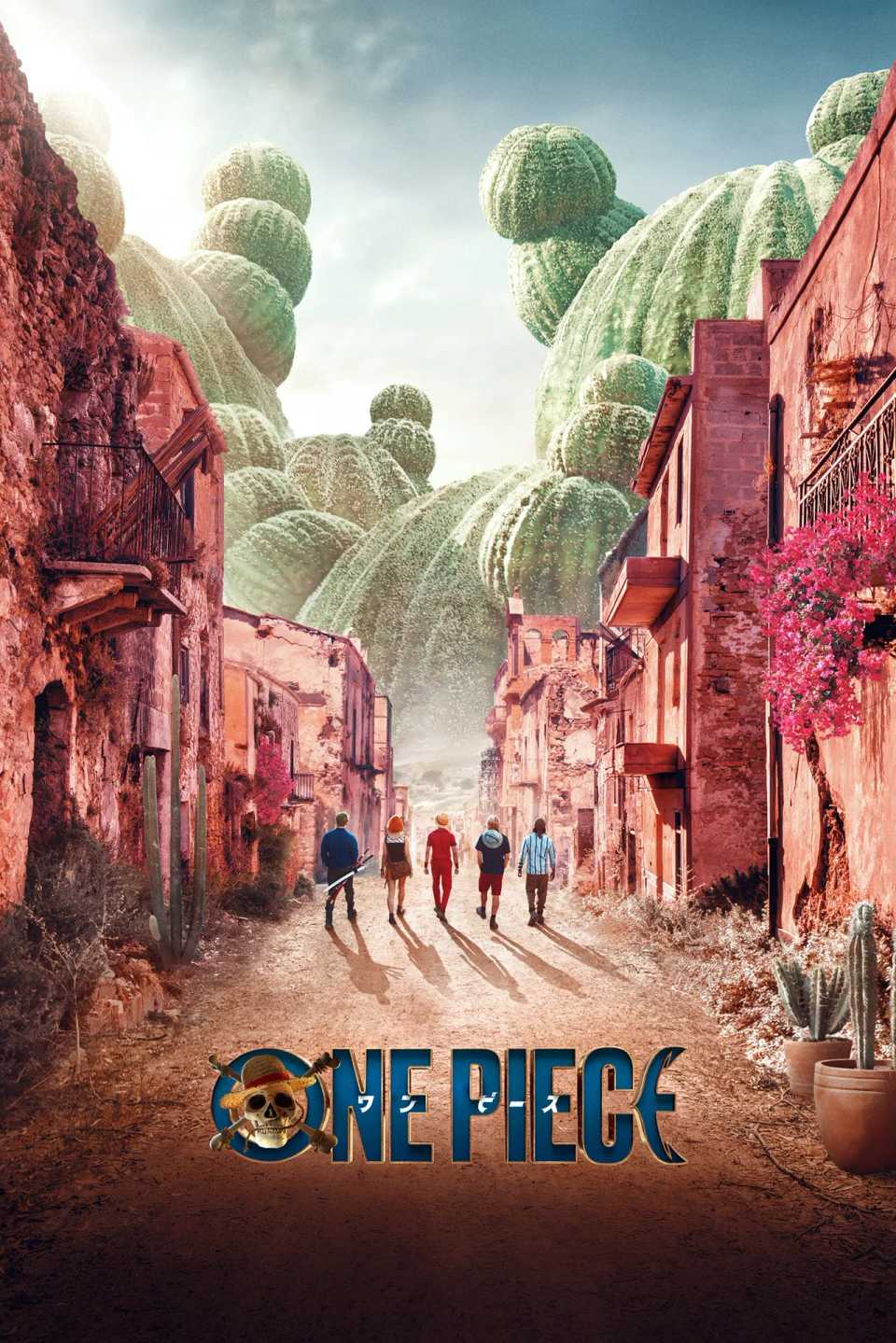
Release Date August 31, 2023
Network Netflix
Showrunner Matt Owens, Steven Maeda, Joe Tracz
Directors Tim Southam, Marc Jobst, Josef Kubota Wladyka
Writers Tiffany Greshler, Diego Gutierrez, Allison Weintraub, Lindsay Gelfand
-

Iñaki Godoy
Monkey D. Luffy
-








 English (US) ·