
 Everett Collection

Published Feb 17, 2026, 1:00 PM EST
Chris is a Senior News Writer for Collider. He can be found in an IMAX screen, with his eyes watering and his ears bleeding for his own pleasure. He joined the news team in 2022 and accidentally fell upwards into a senior position despite his best efforts.
For reasons unknown, he enjoys analyzing box office receipts, giant sharks, and has become known as the go-to man for all things Bosch, Mission: Impossible and Christopher Nolan in Collider's news division. Recently, he found himself yeehawing along to the Dutton saga on the Yellowstone Ranch.
He is proficient in sarcasm, wit, Photoshop and working unfeasibly long hours. Amongst his passions sit the likes of the history of the Walt Disney Company, the construction of theme parks, steam trains and binge-watching Gilmore Girls with a coffee that is just hot enough to scald him.
His obsession with the Apple TV+ series Silo is the subject of mockery within the Senior News channel, where his feelings about Taylor Sheridan's work are enough to make his fellow writers roll their eyes.
When you’re building a MonsterVerse series, size is everything — until it isn’t. On Monarch: Legacy of Monsters, VFX Supervisor Sean Konrad has to juggle creatures that tower over cities and ones that crawl through tight corridors. And according to him, the smaller monsters can be just as demanding as the Titans. Collider is thrilled to exclusively reveal a first look at the scarabs — making their delightfully creepy debut in the upcoming second season of the hit Apple TV sci-fi series. While the new creatures are nowhere near Titan scale, they create a different kind of tension.
Konrad told Collider:
“We are often looking for ways to put our actors into spaces with creatures and have them on more direct eye level, in part because there’s a limit to what our actors can do about a 300 foot monster except for run and hide or be astonished (although there’s one sequence where I think we do something pretty crazy and unique). The scarabs are a good example of something that fits in human-sized space — having a creature running loose on the interior of a ship or in the Axis Mundi pod puts our characters on a more even playing field with them."
"This doesn’t make the scarabs technically more or less difficult to achieve, but it does bring a different set of challenges," continued Konrad. "For example, instead of worrying about how much of the environment the large creatures are displacing as they move around / selling the scale, we think more about how realistic and detailed the scarabs need to be next to people and whether or not their movements look real.”
How Is 'Monarch' Shot Differently From a Movie?
Unlike a feature film, where massive set pieces are expected to punctuate each act, television demands a different rhythm. “We work closely with the writers to figure out whether or not a sequence needs to be a major punctuation mark in a story, if it’s important for a character or plot beat, or if it’s just there to help bring some scope and pacing to an episode," he explained.
"For instance, a lot of the creatures we see in Episode 1 are texture to help sell Skull Island as a dangerous place for our gang as they traverse the island — it should feel hard for them to get from A to B, and we want to use a lot of that texture to introduce the presence of Kong throughout the episode as well. In those cases, our focus is to communicate a specific tone and vibe, so those sequences can be more to the point. In other cases, a VFX sequence is obviously there to be a major punctuation mark to a story or character arc and therefore needs a lot of room to breathe, make the action more elaborate, etc.”
That word — texture — feels key. Not every creature moment is meant to be fireworks, and sometimes it’s about atmosphere, tone, and building dread. And the best way to build dread is to make these monsters more subtle threats. When it comes to Titans like Kong or Godzilla, scale isn’t just about how big they are — it’s about how they move. Konrad went on to explain:
“My underlying philosophy is that large creatures in nature can move quickly, but they need to have follow-through and momentum and might take longer to slow down. When Kong throws a punch, his body should follow that momentum and take a small beat to recover. Beyond motion, a lot of what really sells scale are the secondary-simulated elements of the scene — atmospherics, building destruction, dragging bits of dust, chunks of ground churned up as a tail swings, etc. Seeing stuff rise and fall as a consequence of a footstep gives you something that you can relate to in the scene. And then how things are optically treated in terms of aerial perspective / other environmental signposts can make a big difference.”
It’s the debris. The dust. The delayed recovery after impact. Those details are what stop a Titan from feeling like a floating digital model. Konrad also leans on a philosophy introduced in Godzilla by director Gareth Edwards — that sometimes, less is more. And it's the kind of simple principle that makes a show feel even bigger.
“I like Gareth Edwards' underlying philosophy from Godzilla (2014), where the creatures should be so big that they don’t fit in the frame. If we’re ever showing the whole creature, we really want to be selling its scale in the environment it’s in, and we want to do that after we’ve established its relationship to people in a subjective manner. For example, if we pop really wide and do a wrapping camera around Godzilla in the water, we want to make sure that you, as the audience, understand how much our drone or helicopter camera is really moving relative to human scale markers that we have established — like our floating Monarch base, Outpost 18.”
The idea is simple but effective: earn the wide shot. Make the audience feel the scale before you fully reveal it. When asked about future seasons, Konrad couldn’t resist pitching something slightly unhinged. And for a show about gigantic, mutated monsters beating the everloving crap out of each other, you know it's a good idea when this insanity makes you say yes. He jokingly told Collider:
“My pitch to have Tim befriend a mutated talking Chimpanzee has been met with nothing but cowardice amongst our creatives, and it’s getting inexcusable that we’re just leaving a franchise opportunity on the table! But more seriously — a lot of that stuff is in the writers world and I just try to help guide them in the ways that we can tie it to the underlying philosophies of the Monsterverse creature design.”
Monarch: Legacy of Monsters Season 2 premieres on Apple TV on February 27. Check out our exclusive first look at the scarabs above.
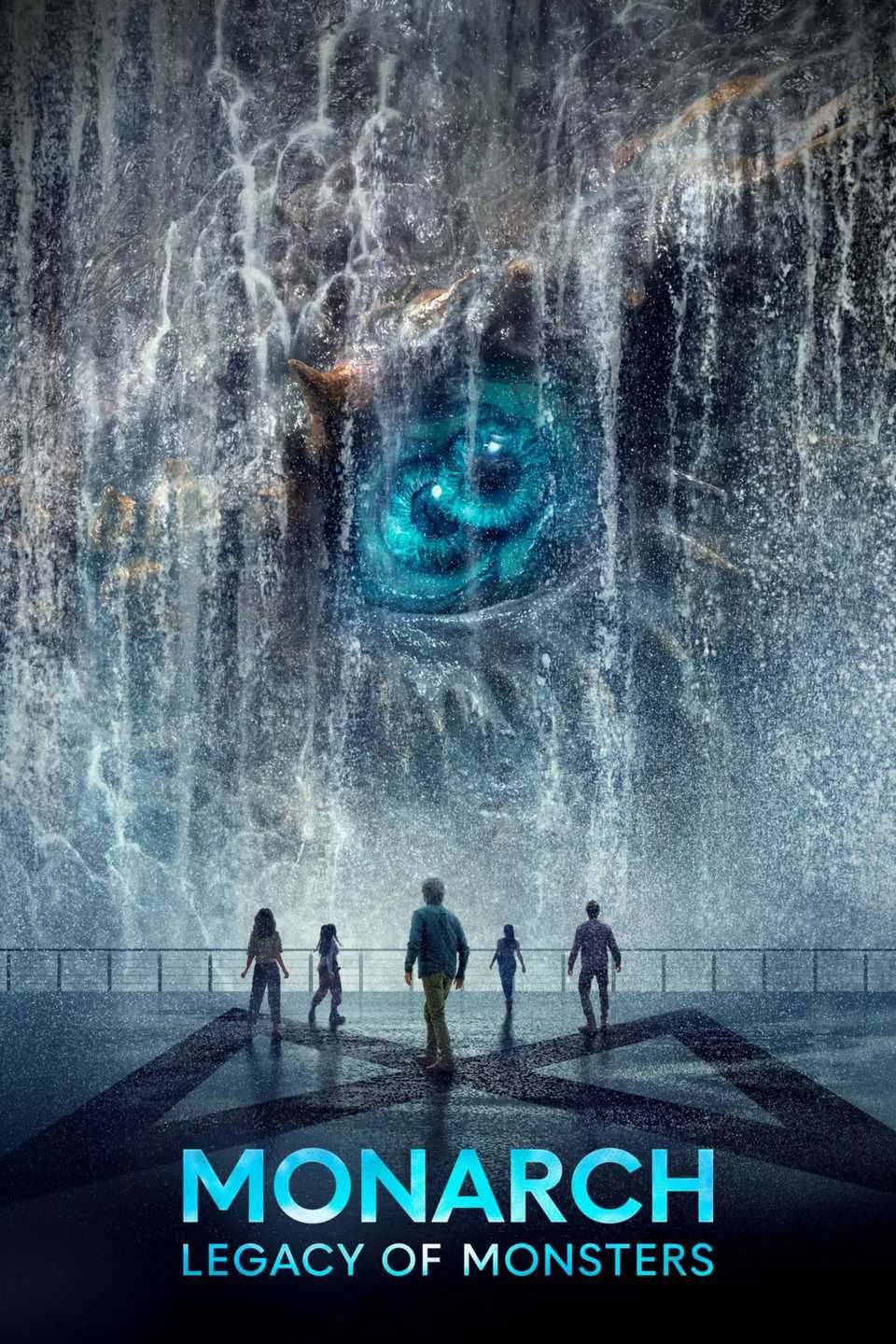
Release Date November 16, 2023
Network Apple TV
Showrunner Chris Black, Matt Fraction
Directors Julian Holmes, Matt Shakman, Mairzee Almas, Andy Goddard, Hiromi Kamata
Writers Al Letson, Karl Taro Greenfeld, Chris Black, Mariko Tamaki, Amanda Overton, Andrew Colville, Matt Fraction, Milla Bell-Hart




![20 Years Later, One of the Best Sitcoms of the 21st Century Returns With Hilarious First Look [Exclusive]](https://static0.colliderimages.com/wordpress/wp-content/uploads/2026/02/malcolm-in-the-middle-life-s-still-unfair-feature.jpg?w=1600&h=900&fit=crop)
 English (US) ·