
 3 weeks ago
43
3 weeks ago
43
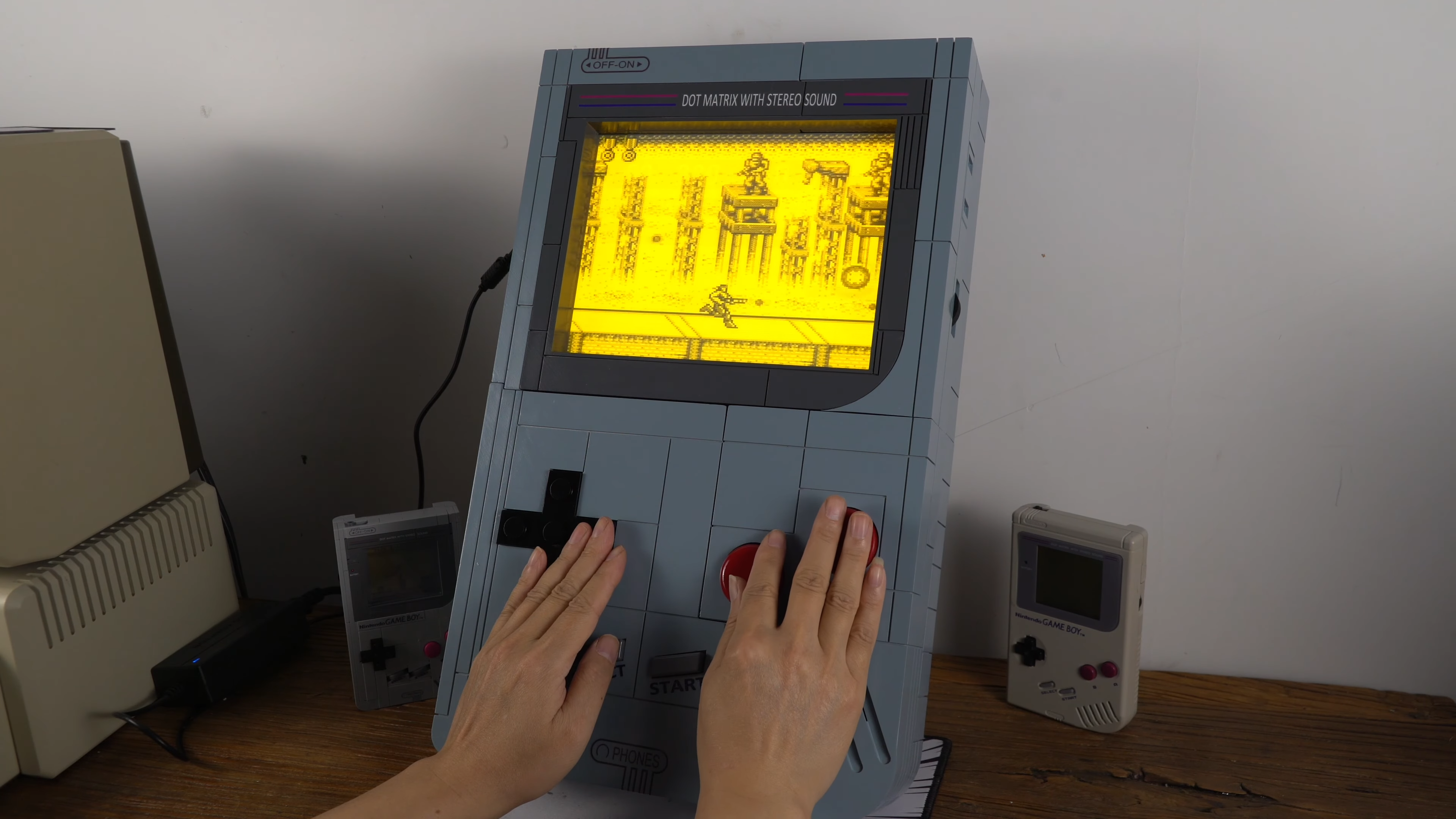
The Lego Game Boy launched earlier this year to rave reviews, but it's just a showpiece that doesn't actually play games. Someone eventually built a working modded version of it, but even then, the screen was too small for LCLDIY, a modder hailing from China. He decided to make a giant Lego Game Boy using an electroluminescent display instead, to avoid the "annoying pixelation" that would otherwise come with simply scaling up an older screen.
The electroluminescence offers, perhaps, tasteful pixelation; think of the tech like an exaggerated version of a CRT with much of the same characteristics, but without the main downside. The project is also entirely open-source, so you can follow along at home with the right parts.
Super Game Boy with an Electroluminescent screen - YouTube

The star of the show — the EL display — is not cheap, as outlined on the Hackaday.io page. Moreover, it's hard to make it work with modern systems because it was never designed to accept that kind of signal. It doesn't even support relatively recent outputs like VGA, so everything had to be tweaked from the ground up, starting with how the display communicates with a "GPU."
Display Detour
Before that, though, let's understand why the modder even chose an electroluminescent display. See, in many ways, it's the predecessor to OLED, which today is the closest thing we have to CRT. Both displays have pixels that emit their own light, feature near-instant response times, and an infinite contrast ratio due to the lack of a backlight.
OLED, however, scans progressively, whereas CRT was interlaced and had a soft glow due to phosphor persistence. OLED can simulate that look through shaders, and it's often necessary for older games to look era-accurate on an otherwise unforgiving modern display tech. That beautiful glow effect, though, can be achieved with electroluminescent screens, too.
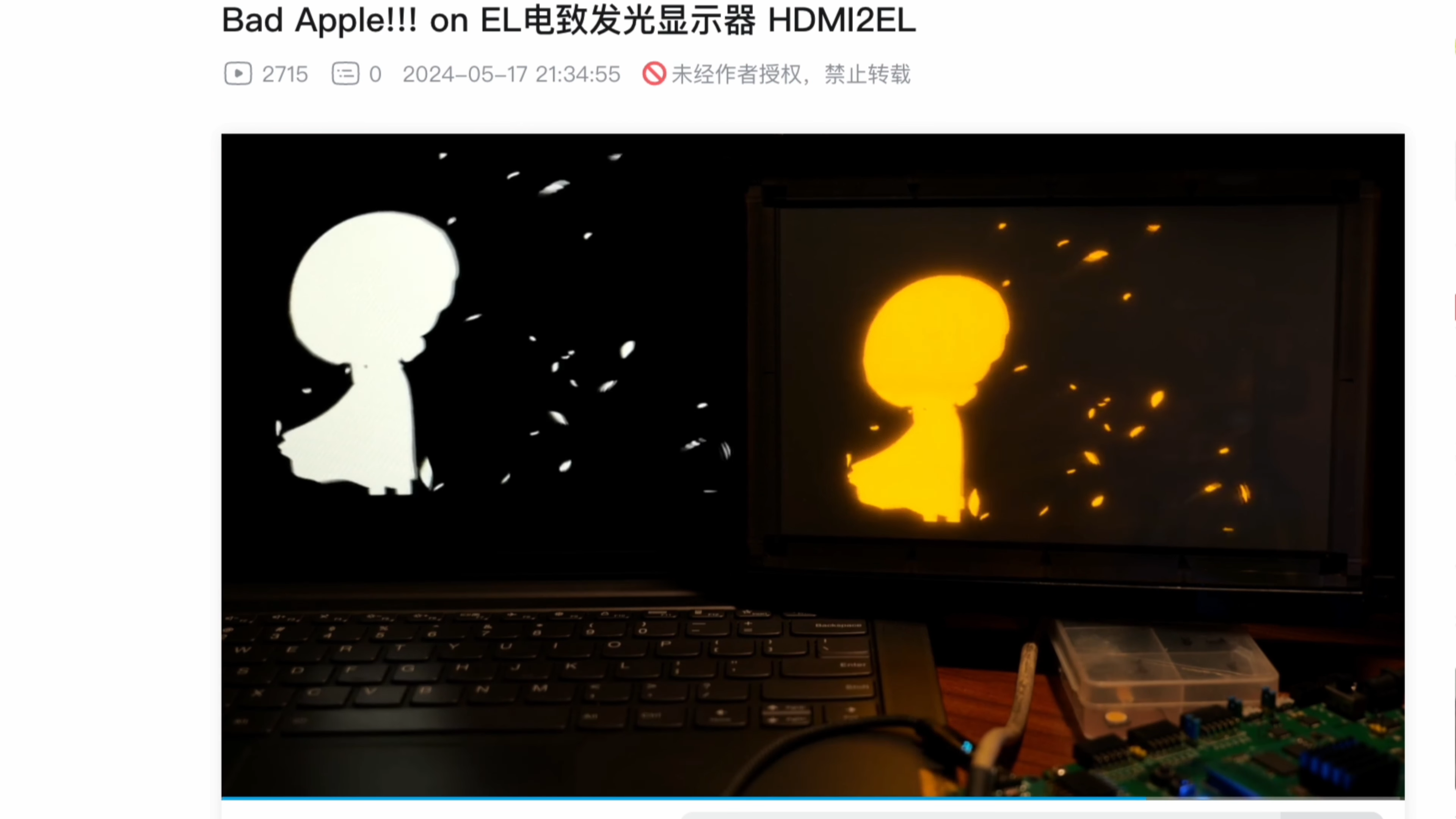
Like CRT, EL displays produce a soft, blended pixel look on even large panels, but they do so through phosphor persistence rather than true interlacing. Unlike CRTs, EL displays don't require bulky cathode ray tubes; they are essentially a matrix of phosphors. But those layers are instead controlled through selective voltage, lighting up pixels and naturally masking low-res pixelation.
This is where the OLED connection comes full circle — they're also controlled by electronic pulses; it's just that the pixels are organically self-lit rather than relying on phosphors. Display TED Talk aside, this is why an electroluminescent panel made sense, as it preserved that romanticized glowing look without requiring heavy cathode tubes or jumping straight to OLED and mimicking the entire aesthetic.
Back to the project...
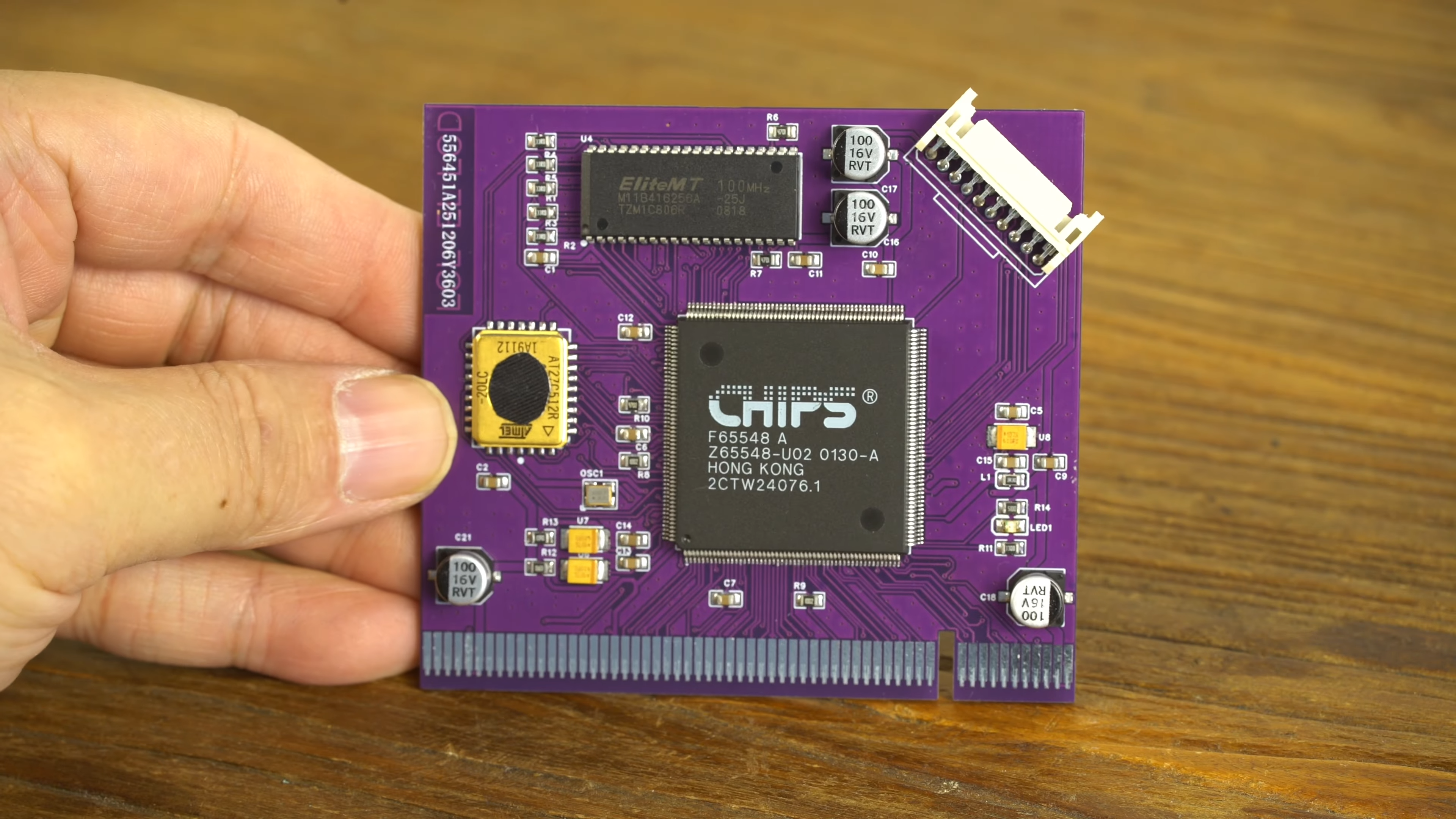
To get the EL display working, LCLDIY had to write his own BIOS because the graphics adapter was custom-built as well. He used the old CHIPS 65548/5 IC as the core, which could send the necessary Horizontal Sync (HSync) and Vertical Sync (VSync) signals to the display, interpreted from a conventional framebuffer of a modern GPU.
This graphics adapter uses a PCI interface, but can work with PCIe cards as well through another converter. LCLDIY used an Intel 854 motherboard with its integrated graphics serving as that aforementioned "modern" GPU. This setup requires very basic power, and the translation magic comes from the custom graphics adapter anyways.
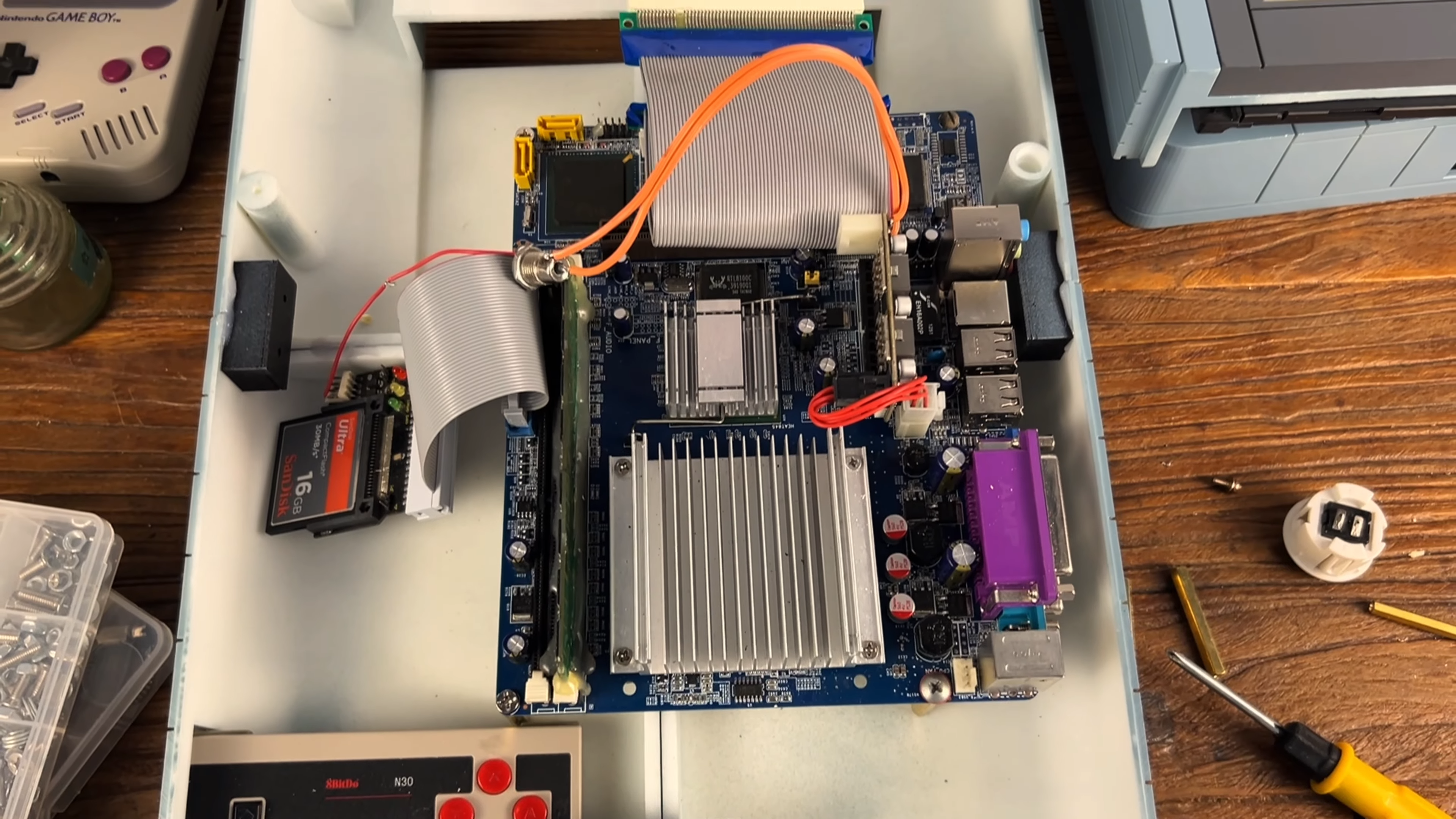
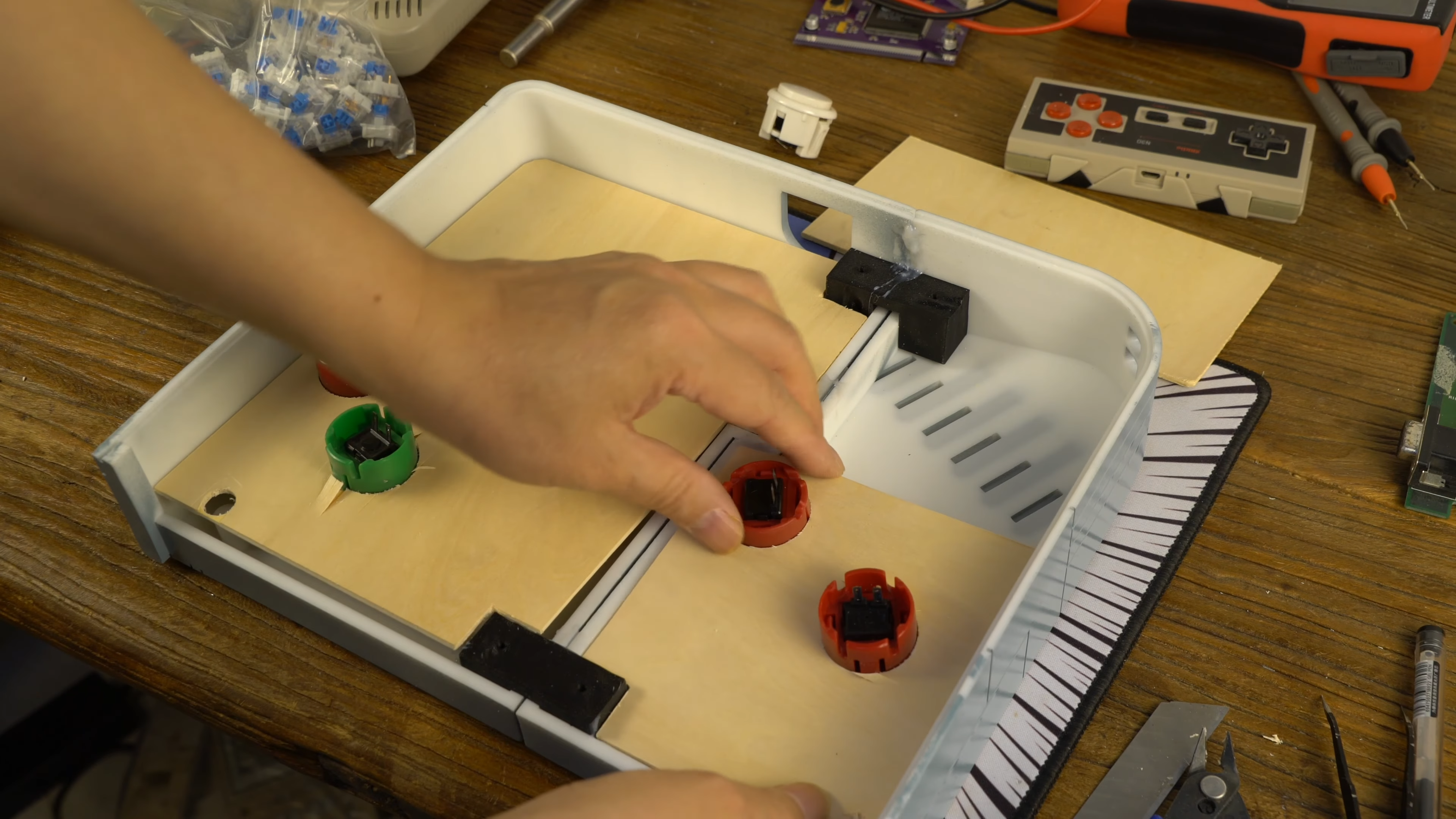
Following that, the project was pretty easygoing. All that was required was a bunch of 3D printing to create the parts of the large Lego Game Boy, which was then put together using what seemed like actual Lego bricks from the inside. The parts were self-designed by the modder and took about a week to fully print, after which they were painted, and all the little details, like transparent stickers, were added on top.
LCLDIY added custom buttons and even a wired NES controller tucked away on the side that would be handy for playing games from other platforms. He shows off a bunch of titles like Super Mario Bros., Contra, and Sonic, along with Comix, which looked the best in our opinion.
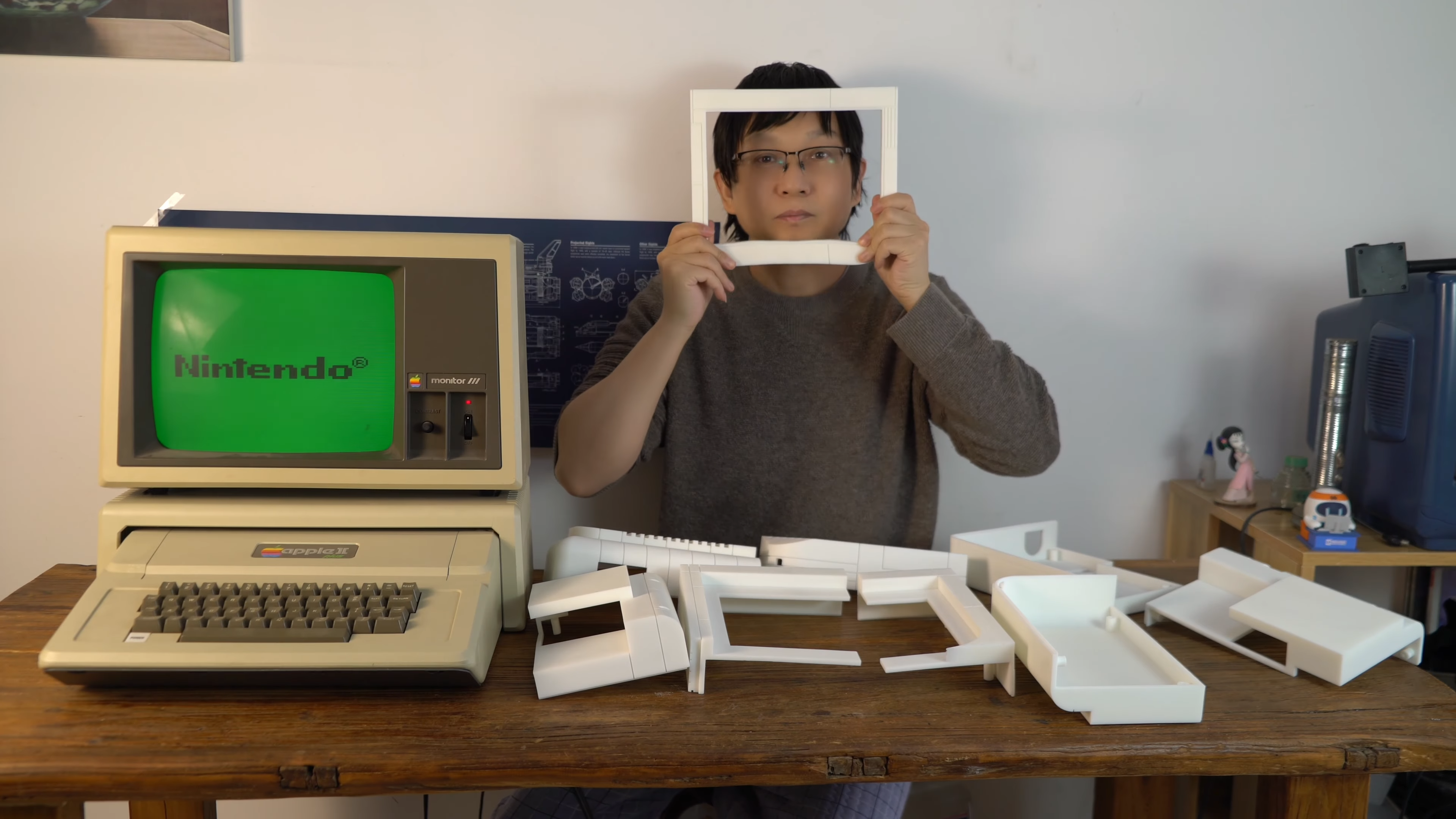
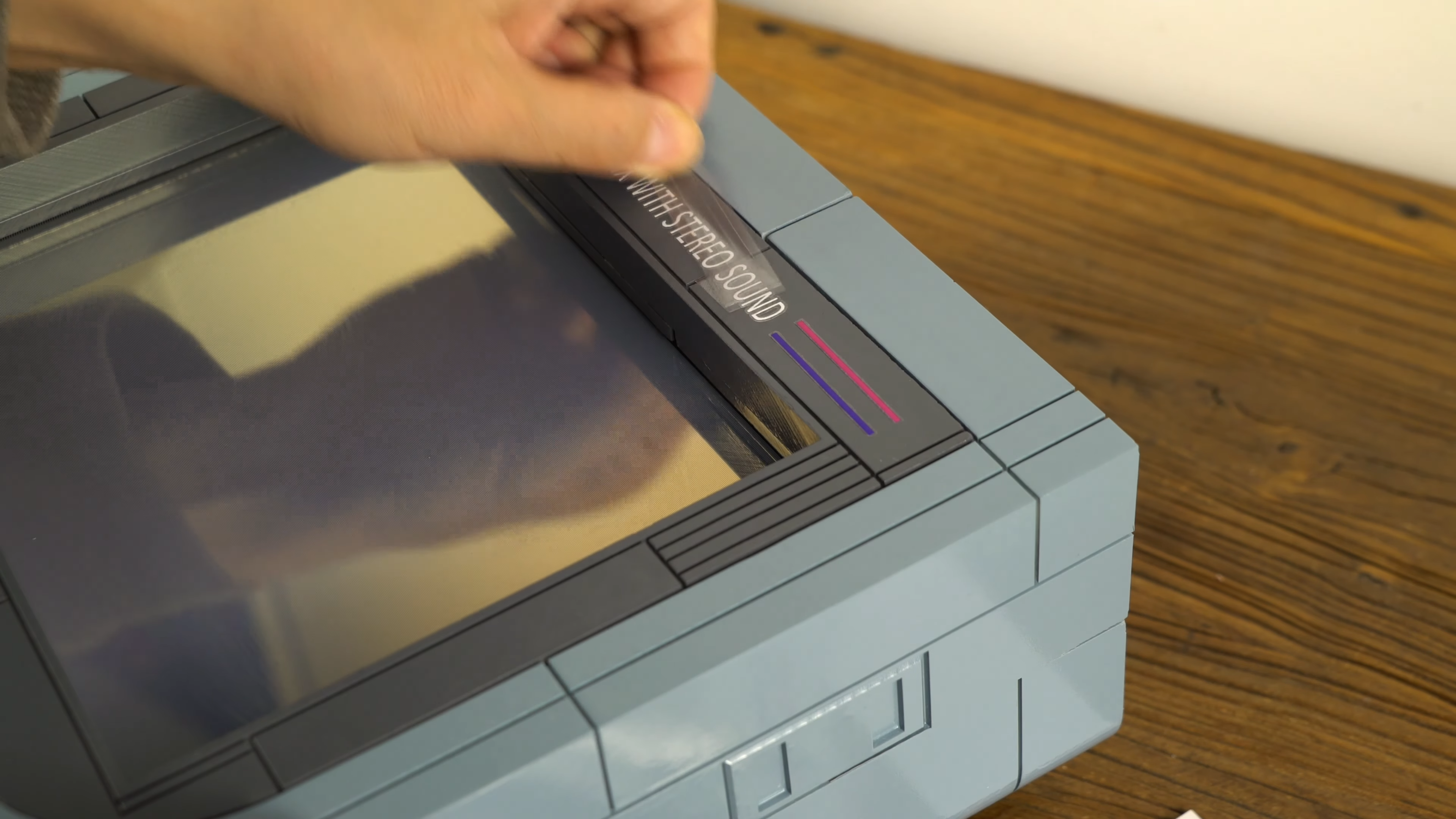
Every game exhibited that gorgeous glow effect, to the point it looked like a retro-futuristic display that you'd see in an anime from the 90s. The haloing is very prominent and, therefore, carries an unapologetic look that's sure to satisfy any nostalgia. It is just a monochrome screen after all, since true-color electroluminescent panels never became mainstream.
Also, don't let the rose-tinted glasses overlook the fact that image retention is an issue with this display for the same reason it has that glow effect (another way it's similar to OLED!). Still, this is one incredible modding job, and the fact that it was entirely open-sourced by the creator makes it all the more impressive.



 English (US) ·