
 1 week ago
33
1 week ago
33
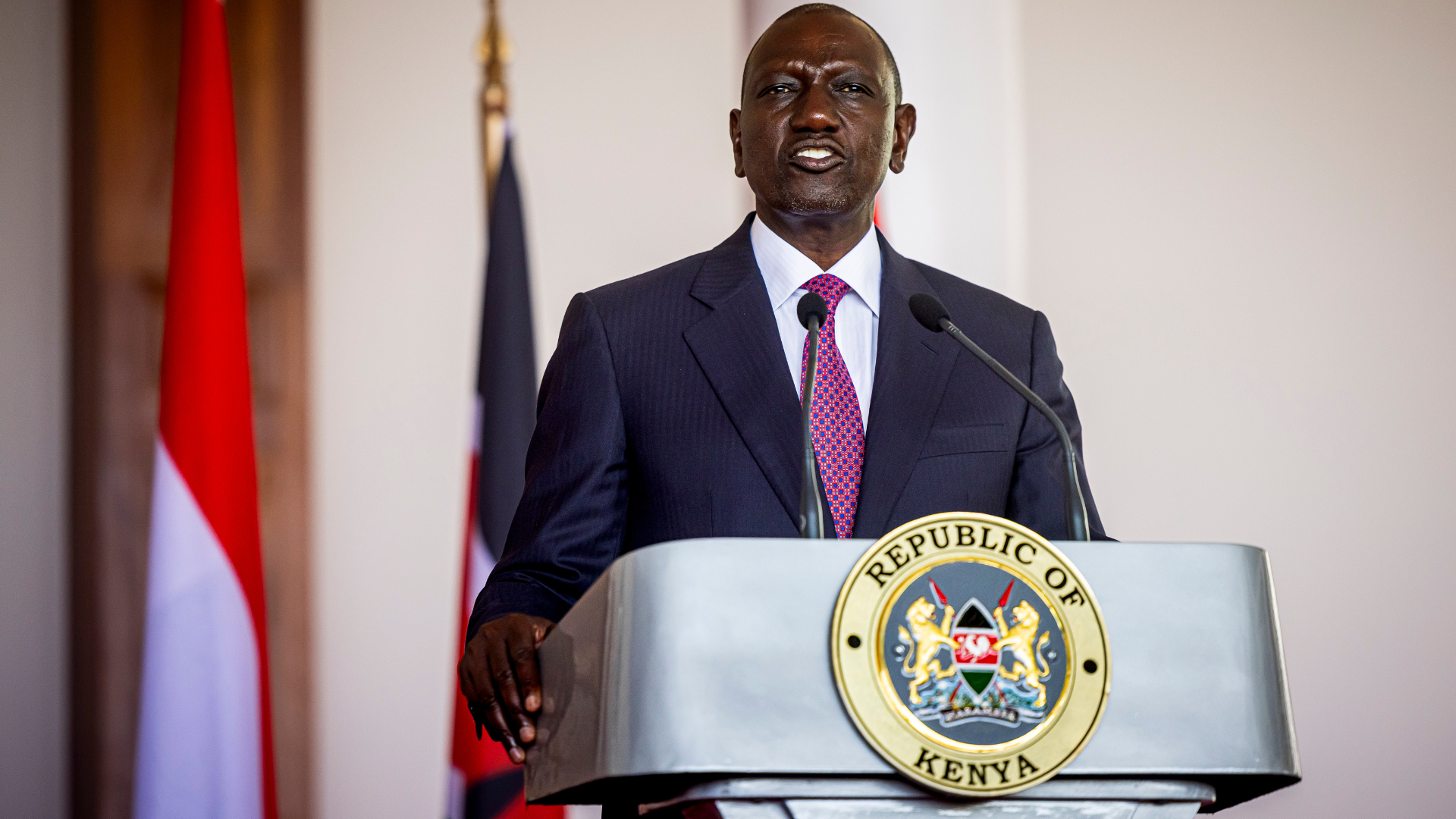
A $1 billion data center that Microsoft and Abu Dhabi-based AI firm G42 planned to build in Kenya has stalled after the Kenyan government failed to meet Microsoft's demand for guaranteed annual capacity payments, Bloomberg reported Sunday. Kenyan President William Ruto put the scale of the project's power requirements into clear terms at a recent state event in Nairobi, saying the country would need to "switch off half the country" to keep the facility running.
The project, announced in May 2024 during Ruto’s visit to Washington, was supposed to bring a geothermal-powered data center to the Olkaria region in Kenya's Rift Valley. G42 was to lead construction, with the facility running Microsoft Azure in a new East Africa cloud region. The first phase targeted 100 megawatts of capacity and was expected to be operational by this year, with a long-term goal of scaling to 1 gigawatt.
President Ruto isn’t exaggerating about shutting off half the country’s power. Kenya’s total installed electricity capacity sits between 3,000 and 3,200 megawatts, and peak demand reached a record 2,444 megawatts in January, according to data from KenGen, the country’s government-owned electricity producer.
The full 1 gigawatt build would therefore have consumed roughly a third of the country’s total capacity, and even the first 100 megawatts would have required a significant share of the Olkaria geothermal complex's output, which currently generates around 950MW across all its plants.
John Tanui, principal secretary at Kenya's Ministry of Information, told Bloomberg that the project hasn’t been withdrawn and that talks are continuing, adding that the “scale of the data center they [Microsoft] wanted to do still requires some structuring.” A separate 60-megawatt project with local developer EcoCloud is also still under discussion.
Kenya’s Microsoft campus was set to be the first facility that Microsoft and G42 built together after Microsoft invested $1.5 billion in G42 back in 2024. That deal followed G42's agreement to divest from Chinese holdings and strip Huawei equipment from its systems under pressure from Washington. Microsoft President Brad Smith joined G42's board as part of the arrangement and described the Kenya project at the time as the “single biggest step forward” for digital technology in the country's history.
Meanwhile, Huawei is expanding its presence in Kenya, having launched a new fiber broadband service with Safaricom, Kenya’s largest telecom operator, last week. Africa currently hosts roughly 1% of the world's data center capacity.

Follow Tom's Hardware on Google News, or add us as a preferred source, to get our latest news, analysis, & reviews in your feeds.





 English (US) ·