
 4 hours ago
10
4 hours ago
10
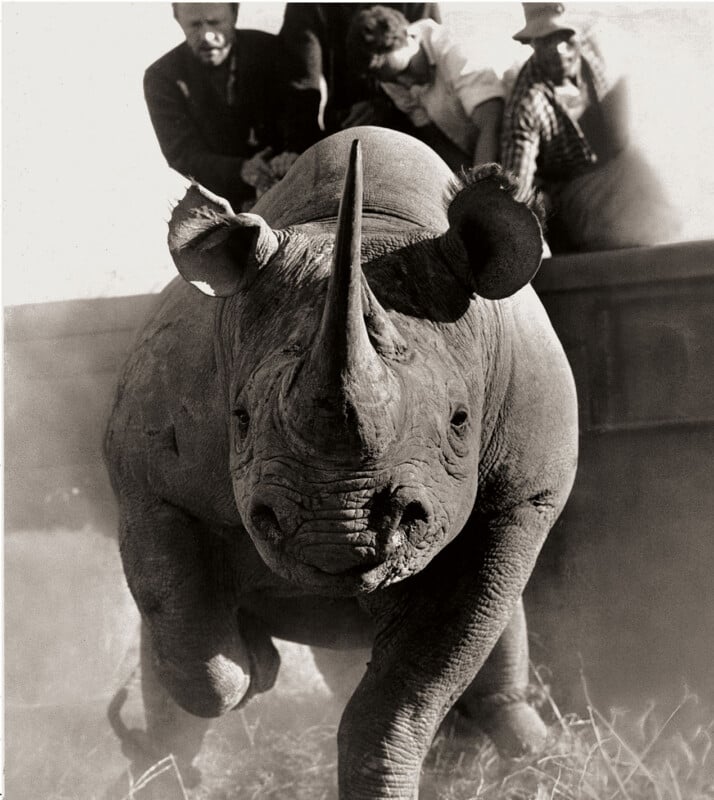 Peter Beard, Roping Rhinos with Ken Randall in Hunting Block 29, 1964 © The Estate of Peter Beard, Courtesy Peter Beard Studio, www.peterbeard.com
Peter Beard is a unique and often confusing figure in the history of wildlife photography. But without doubt, his book, The End of the Game, remains one of the most important works of early conservation.
Described as a landmark visual investigation of Africa, The End of the Game combines photography and field observation with a documentary approach to the ecological transformation and degradation affecting tens of thousands of elephants, rhinos, and hippos in Kenya’s Amboseli National Park and Uganda in the 1960s and 1970s.
Researched and compiled over two decades and updated several times since its initial release, this is a near-classic and powerful testimony to the damage caused by human intervention in African ecosystems. Its images and writings are supplemented by historical photographs of explorers, missionaries, and photographers, along with quotations from adventurers and observers who witnessed the continent’s changing face.
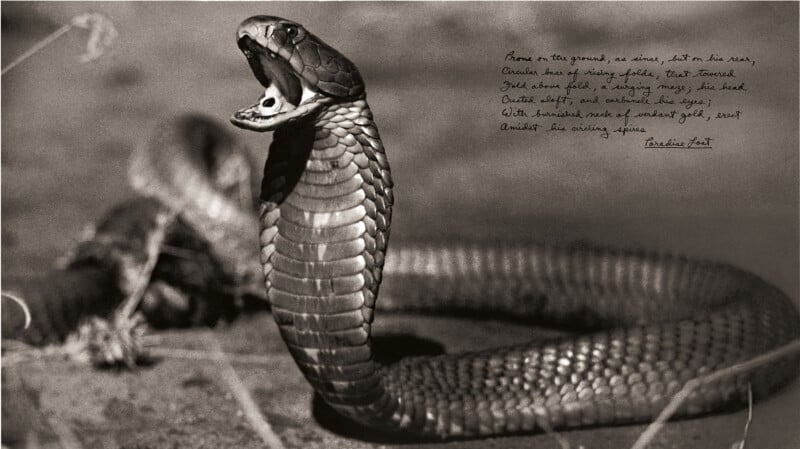 Peter Beard, Spitting cobra, mortally wounded, ever vengeful, Tsavo before the die-off, 1972 © The Estate of Peter Beard, Courtesy Peter Beard Studio, www.peterbeard.com
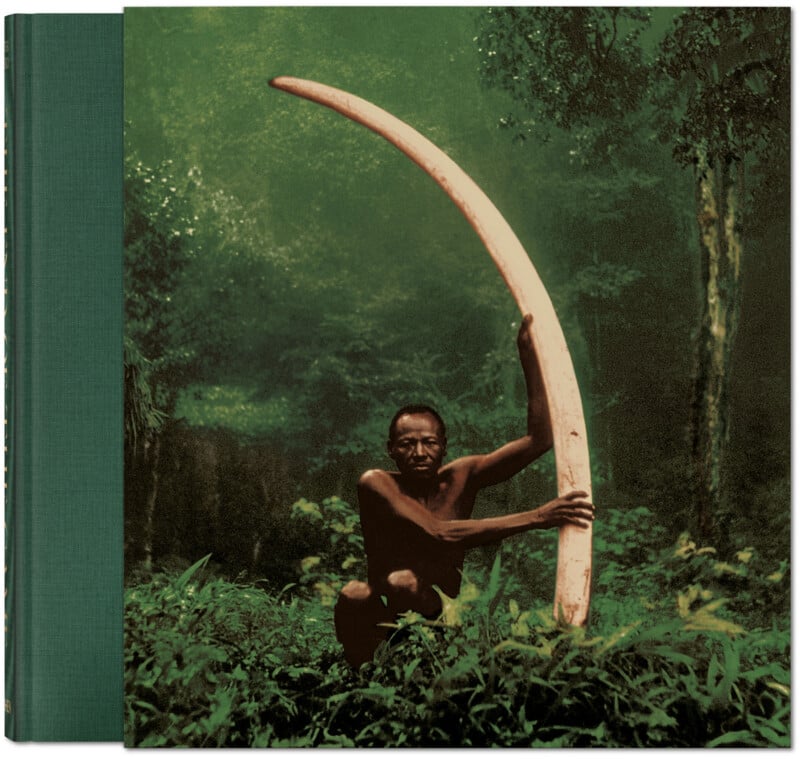 Peter Beard, Elui with World Record Cow Elephant Tusk, 47 lbs., Marsabit Forest, Kenya, 1966. © The Estate of Peter Beard, Courtesy Peter Beard Studio, www.peterbeard.com
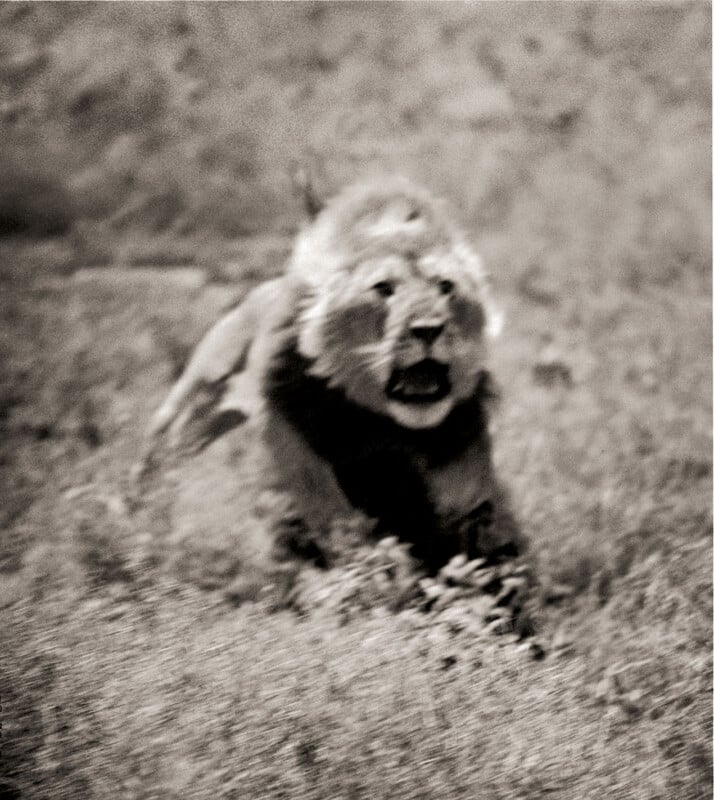 Peter Beard, Ndutu Lion (Lion Charge), 1976. © The Estate of Peter Beard, Courtesy Peter Beard Studio, www.peterbeard.com
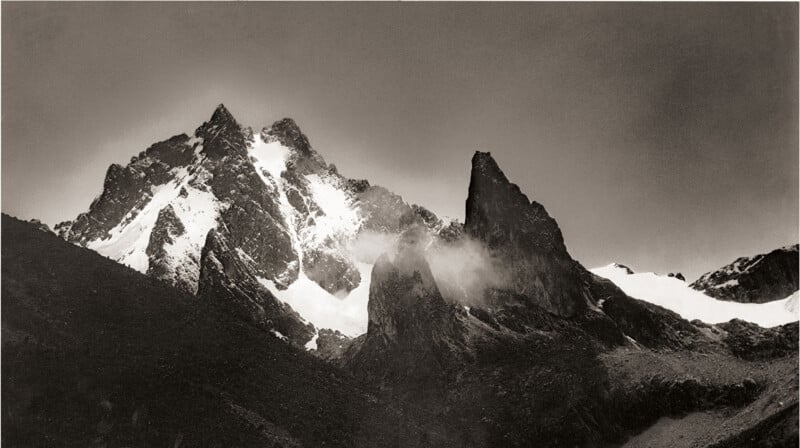 Peter Beard, Kilima Kirinyaga, “Ke-nyaa,” with its twin peaks. Mbatian and Nelion, named by Sir Halford Mackinder, the Diamond Glacier, bed of Ngai, lies between, © The Estate of Peter Beard. Courtesy Peter Beard Studio, www.peterbeard.com
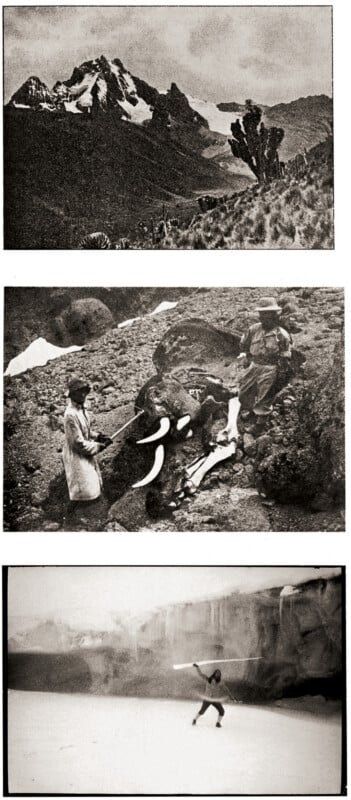 (top to bottom) Mt. Kenya in 1899, An elephant at 16,000 feet, Mountain Madness on the Curling Pond below Lenana. © The Estate of Peter Beard. Courtesy Peter Beard Studio, www.peterbeard.com
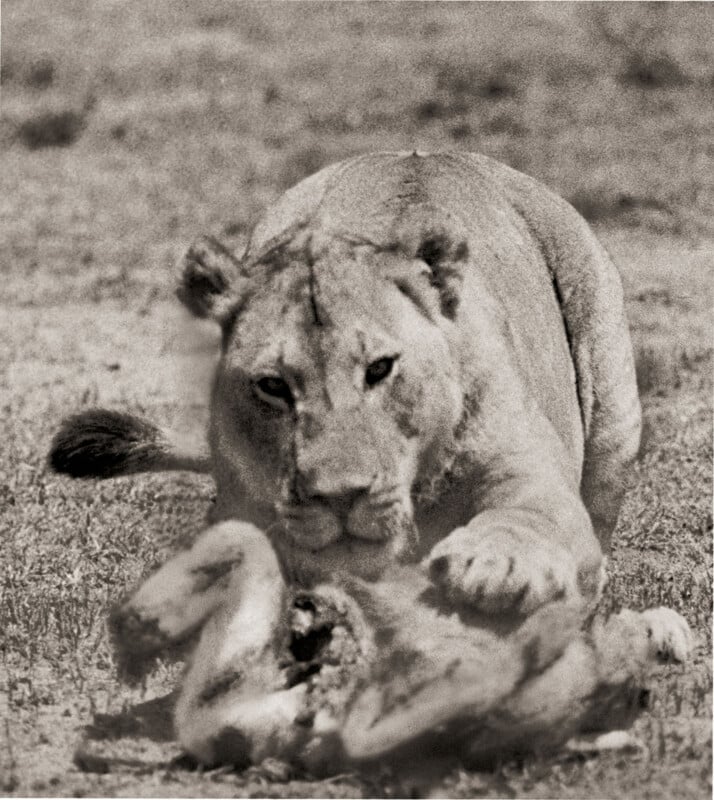 Peter Beard, Lioness © The Estate of Peter Beard, Courtesy Peter Beard Studio, www.peterbeard.com
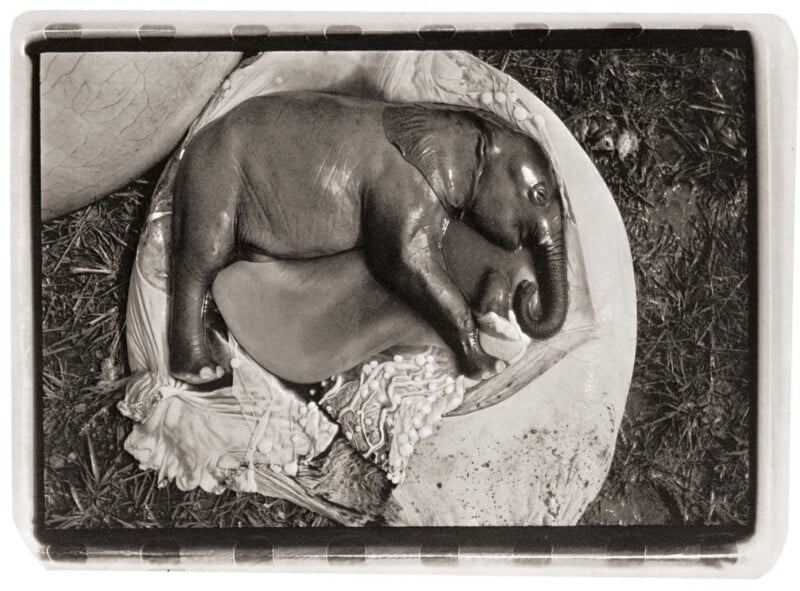 Peter Beard, Elephant Embryo, Uganda, 1966 © The Estate of Peter Beard, Courtesy Peter Beard Studio, www.peterbeard.com
Who Was Peter Beard?
Peter Beard was an American photographer, diarist, and art-world figure who built a career and a mythology around his obsessive documentation of life, wildlife, and himself. In 1996, he suffered serious injuries after he was trampled by an elephant.
Born into a wealthy New York family, he moved between high society and the wilderness, spending much of his life in Kenya, particularly around Tsavo National Park. There, he created some of his most influential work, including The End of the Game, which used striking, experimental photo-collage techniques to document the collapse of elephant populations and broader environmental strain. The book helped push early awareness of conservation issues while also redefining what documentary photography could look like.
Beyond his work, Beard became known for his chaotic, flamboyant lifestyle that moved through art, fashion, and celebrity circles in New York and abroad, and cultivating a reputation for being a wild man and lothario. His diaries and photo works were intensely personal, often layered with paint, writing, and even blood, turning them into hybrid objects between art and autobiography.
He died in 2020 at age 82 after suffering ill health.
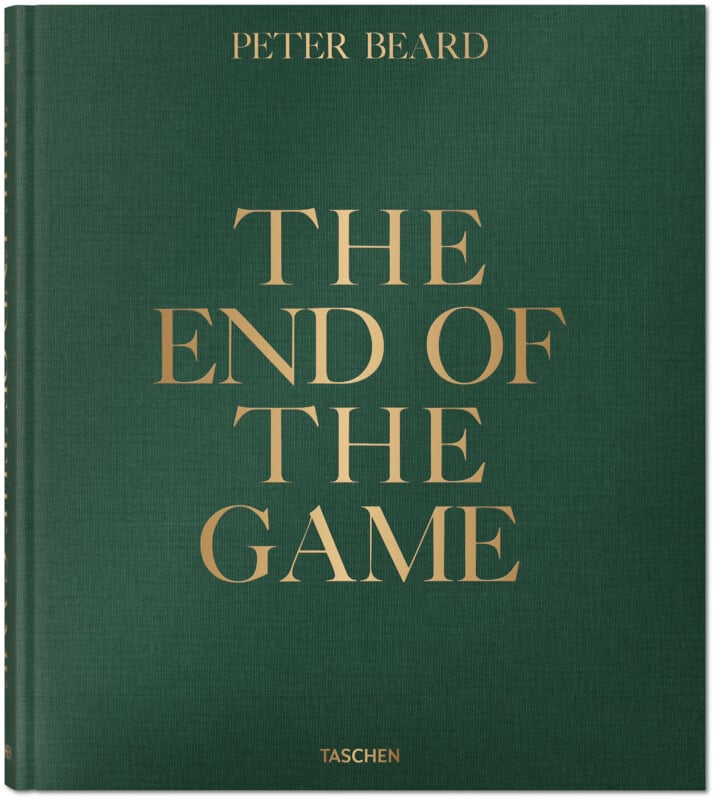
The new edition of Peter Beard. The End of the Game is being published by Taschen and is available for pre-order now.





 English (US) ·