

Published Feb 13, 2026, 7:00 AM EST
Hannah is a senior writer and self-publisher for the anime section at ScreenRant. There, she focuses on writing news, features, and list-style articles about all things anime and manga. She works as a freelance writer in the entertainment industry, focusing on video games, anime, and literature.
Her published works can be found on ScreenRant, FinanceBuzz, She Reads, and She Writes.
Marvel Comics may have just tipped its hand about the future of the Hulk, and possibly his next major MCU moment. A newly listed collected edition for Infernal Hulk strongly suggests the series will conclude after ten issues, wrapping up later this year with a single 232-page volume.
While that might seem like standard publishing housekeeping from Penguin Random House, longtime Marvel readers know this kind of listing often signals a transition. And with Spider-Man: Brand New Day on the horizon, reportedly featuring Mark Ruffalo’s Hulk, the timing feels less coincidental and more like strategic alignment between page and screen.
Infernal Hulk’s Apocalyptic Era Is Ending
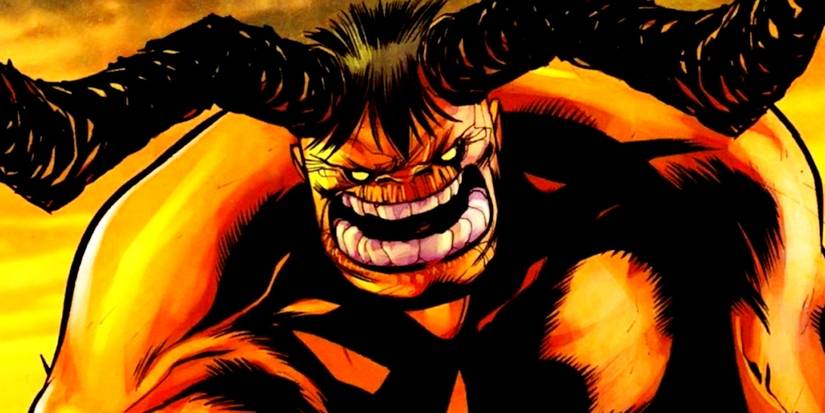
Phillip Kennedy Johnson’s Infernal Hulk has pushed Bruce Banner further into darkness than ever before. The storyline transforms Hulk into a near-apocalyptic force after a malevolent entity tears Banner from his gamma-powered alter ego and hijacks the Hulk’s body. The result is a grotesque evolution that reshapes the Marvel Universe into a nightmarish battleground.
Throughout the run, the series has leaned heavily into cosmic horror. Heroes are twisted into monstrous forms, cities fall into chaos, and Banner’s consciousness is trapped in a psychological prison alongside his fractured Hulk personas. It’s been bold, unsettling, and far removed from the more heroic version fans associate with the MCU.
The escalating stakes only intensified with jaw-dropping confrontations, including a battle involving the One Above All, Marvel’s supreme cosmic presence, and the debut of Iron Man’s massive Hellbuster Armor. With issue #6 introducing an all-out assault on the Infernal Hulk, the series clearly built toward a finite, explosive conclusion rather than an open-ended saga.
A Shift Toward a More Familiar MCU Hulk?
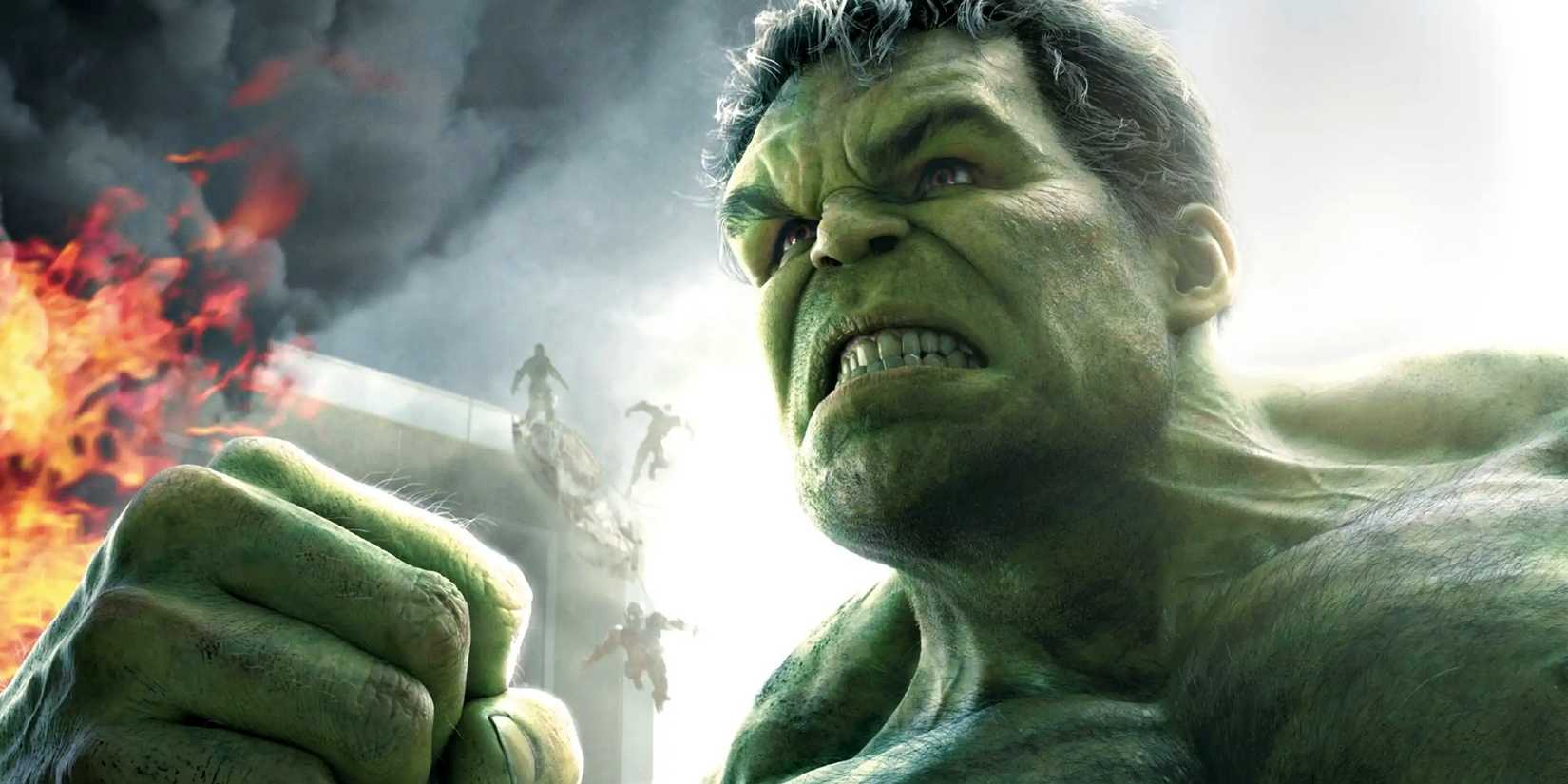
Johnson has previously described Infernal Hulk as the middle chapter of a three-part epic. That context makes the apparent ten-issue ending feel deliberate rather than abrupt. It also opens the door for a tonal reset that may bring the character closer to the version moviegoers recognize.
Mark Ruffalo’s Hulk has evolved into a more balanced, self-aware figure in recent MCU appearances. The savage, demonic entity dominating the current comic storyline stands in sharp contrast. If Marvel plans to spotlight Hulk alongside Spider-Man soon, synergy between the comic line and cinematic portrayal would make sense.
Ending Infernal Hulk now allows Marvel to pivot creatively. A new series could re-center Bruce Banner, restore a more traditional dynamic between man and monster, and align Hulk’s characterization with the broader multimedia push. It wouldn’t be the first time Marvel’s publishing strategy echoed developments on the big screen.
For now, nothing has been officially announced beyond the collected edition. But the signals are there with the contained horror arc wrapping at ten issues, a major Spider-Man film on deck, and renewed attention on Ruffalo’s version of the character. After years of uncertainty about Hulk’s cinematic future, this may be our clearest indication yet that something big, and greener, is on the way in the MCU.
Latest TV Show She-Hulk: Attorney at Law





 English (US) ·