
On a continent beset by problems and challenges, Zoey Martinson‘s colorful, postcard-beautiful indie “The Fisherman” literally tells a fish-out-of-water story – with the magical-realist comedy representing a courageous leap that she feels African film needs to take.
Martinson will unpack her journey as part of the next generation of African storytellers shaping the future of the continent’s cinema as a JBX Talks panellist at this week’s 8th Joburg Film Festival in South Africa.
She tells Variety that the continent’s new crop of filmmakers need to be bold, creative and undeterred in the beautiful and joyful stories from this vast continent they want to tell and also get in front of global audiences.
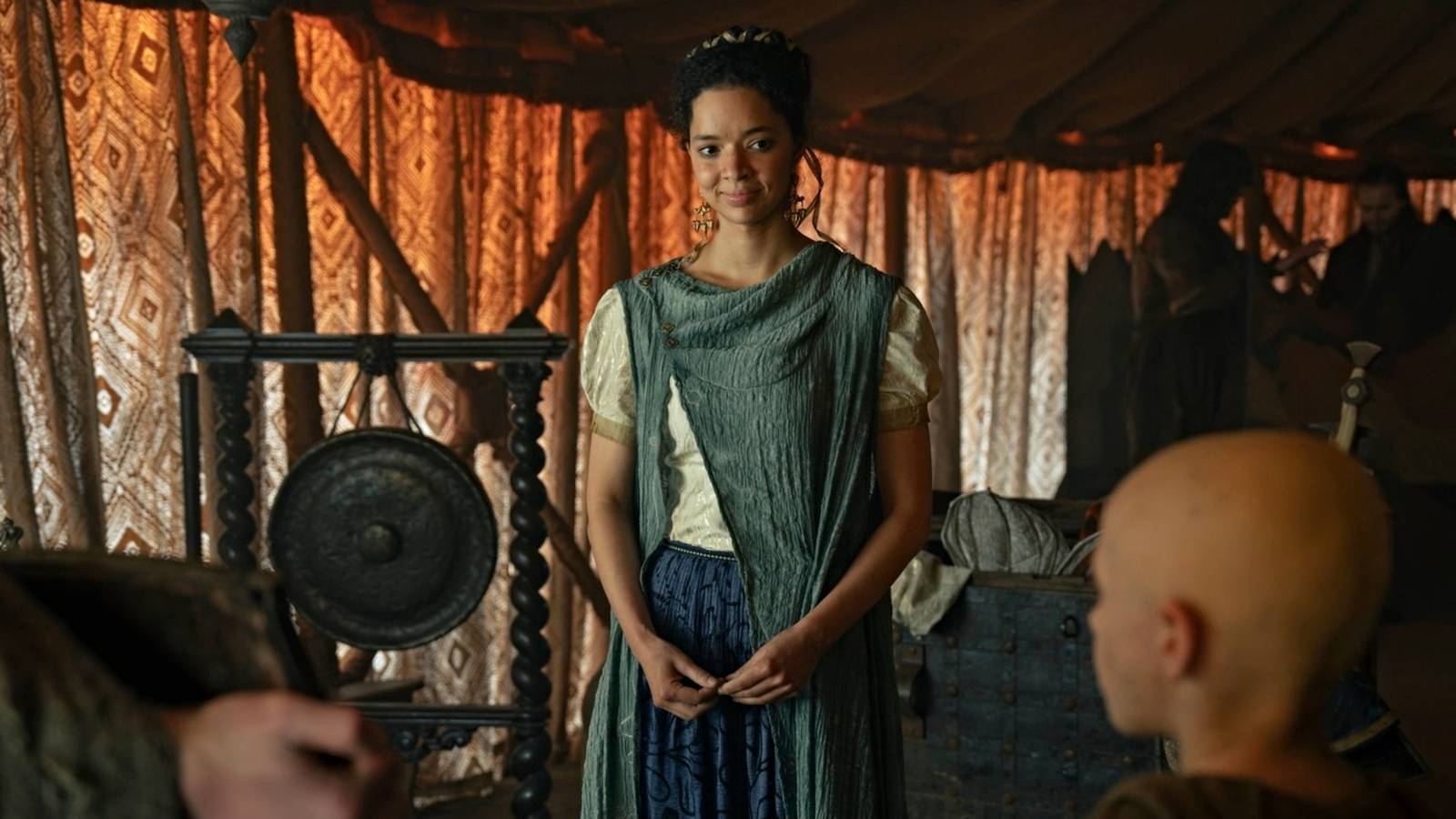
For “The Fisherman,” which she wrote and directed as an independent film, Martinson first did eight shorts before teaming with Kofi Owusu-Afriyie and Korey Jackson to bring the whimsical feature to screen as a vibrant depiction of Ghanaian culture, filled with laughter, African joy and a colorful visual style.
Filmed over 20 days, together with some help from Ghana’s navy who appear as fishermen, the feature originated from a short Martinson made in response to the clearing of Jamestown’s fishing community for a new seaport.
The comedic tale follows an ageing traditional fisherman in Ghana, Atta Oko Sackey, played by Ricky Adelayitar, who is unexpectedly forced into retirement, but finds his life upended by a talking fish.
Together with two orphans and a strong-willed young woman, the four embark on a journey from their fishing village to Ghana’s capital, Accra, to buy their own fishing boat.
Vibrantly lensed, “The Fisherman’s” narrative highlights the struggle of maintaining traditional fishing practices in the face of rapid urban development and commercial seaports, and uses the magical realism of a talking fish to humorously dramatize real-world issues like displacement and environmental degradation.
With “The Fisherman,” Martinson, who lived in Keta, a fishing town in Ghana’s Volta region, wanted to depict an African story of change.
” ‘The Fisherman’ is this whimsical story of a traditional fisherman who gets a talking fish and the fish helps him cope with change. It’s a human story,” she says.
She admits the process was hard.
“It was independently financed. I think ignorance is bliss. Because it was our first feature we made, we were courageous. We entered it into a lab in Venice to just get notes on it, and then I had to go write the script. We pitched it at Venice and we ended up getting a grant to make it from the Italian government, but it came with restrictions that you couldn’t put money on top of the grant.”
“So it ended up being quite a low budget to make a film with, but, you know, you just make it work. Everybody kind of stepped in to help, and obviously, we paid everyone, and so that’s how we got it done.”
“I think the thing that’s harder when you make an independent film might not be the actual making of it, because the making of it we kind of all know how to do because we’ve been trained and built careers in that side of it,” she explains.
“It was the taking it out. Like, how do you get it distributed? That was the biggest learning curve that we had to go through. We thought: Okay, we made this film, but now how do we get it out for people to see it? We had no clue about that process, really.”
But Martinson says African filmmakers – even without distribution – should persevere, keep pushing and knocking on doors.
“Don’t give up. Just be blindly courageous and if you think you have a good idea, keep knocking on the doors. Just start. I made eight short films before I made a feature, and I think that journey was crucial.
“They’re less expensive, they’re lower risk, you make connections with crew, you learn about yourself as a storyteller, and you also make mistakes – and they’re safer places to make mistakes. You learn as you move through it all, so that when you get to a feature film, for my team, this didn’t feel that hard because we had done so many shorts together.”
“With ‘The Fisherman,’ I felt like we were ready when it came to production. Then the next learning curve was, ‘now how do we take a feature and sell a feature?’ And getting it out is different from the short film. So you keep pushing and keep learning. I would tell everyone to start with shorts. Even if you’re going to make them, knowing you’re going to maybe just put them on YouTube, just make them. Just start making things and you’re going to learn.”
On capturing the vivid colours and sounds of Ghana, Martinson says the aperture needs to be opened wider for a bigger gaze at Africa’s joy, beauty and laughter.
“I’ve always thought Ghana was very beautiful. I always say I don’t not see the struggle. I don’t not see the hardships. I lived in a very rural village, so it wasn’t like we had running water or constant electricity, but I still found myself laughing daily.”
“I just had so much joy in a community that had much less, and there’s something really beautiful about the culture that has that ability to find the love, and lean into a value system that is based in our humanity as opposed to materialism.”
“Ghanaians are super funny and I felt like that was something that sometimes gets put into the local films but doesn’t really get out into the world. So, tonally, I wanted to keep comedy in ‘The Fisherman.'”
Martinson says, “The film talks about bigger things and issues, but I really want people to see just the Ghanaian sense of humor shine through the wit, the sarcasm and the joy.”
“Cinematically, I come from a photography background. I knew we didn’t have a lot of money for the lights, so I thought, let’s capture this film, and make it as beautiful as possible. I knew it could look incredibly beautiful and rich with color, and have an intentionality, so we did a lot of prep to get it to look like it did.”
She says “The Fisherman” is part of African filmmaking activism, to present a different type of story coming from the continent.
“It’s part of offering a different voice in the canon of African cinema that’s lighter, that’s funny, and that people really do see themselves in.”





 English (US) ·