
 Credit: Netflix

Published May 4, 2026, 5:00 AM EDT
Matthew Rudoy is one of ScreenRant's Movie & TV News Editors. He covers the latest in movie & TV news, with a focus on major franchises like Star Wars, The Boys, and Game of Thrones. He wrote lists for ScreenRant from 2017-2022, became a news writer in 2023, a senior staff writer in 2024, and an editor in 2025.
72 years after Lord of the Flies was published, the BBC has delivered a haunting and near-perfect adaptation. William Golding's 1954 novel famously tells the story of a group of British boys after a plane crash leaves them trapped on a tropical island. Their descent from order to violent chaos has been a staple of high school reading for decades. The initial premise, setting, and splitting into two opposing factions are also an enduring influence on pop culture, having helped shape the likes of Survivor, Lost, and Yellowjackets.
After years of substantial impact and multiple Lord of the Flies movie adaptations, this is the first time that the story has ever been adapted for television. This latest iteration was created and written by Jack Thorne, who is the co-creator and co-writer of Netflix's Adolescence and the writer of most episodes in HBO's all-time great fantasy series, His Dark Materials.
Instead of trying to reinvent Lord of the Flies, Thorne opts for a faithful adaptation that fully leans into the original novel's psychological horror and character drama. Book purists may take issue with some of the changes, but most of them further elevate the source material as opposed to hindering it, and the overall final result is a must-see miniseries.
Lord Of The Flies Is Grounded By Exceptional Performances & A Compelling Episodic Structure
The four-episode miniseries has each installment primarily told from the perspective of one of the four main characters, Piggy (David McKenna), Ralph (Winston Sawyers), Jack (Lox Pratt), and Simon (Ike Talbut). This episodic structure works well, as it gives each of the core characters ample time to be explored and fully understood. The chronology of this structure is also effective, from starting with Piggy and the group's initially successful organization, to then switching over to Jack and most of the boys giving into their more violent and selfish impulses.
For most of the four lead actors, this is their first film or television credit, which is hard to believe given what they achieve here. McKenna's performance makes Piggy's endearing and wise moments feel just as authentic as when he naively clings to the rules and expectations his peers have clearly abandoned. He embodies the part so well that I don't think I'll ever be able to imagine anyone other than him as Piggy.
This version of Lord of the Flies makes Jack slightly more sympathetic than he is in the source material, with more emphasis on how his insecurities and fears lead to his outwardly cruel and destructive behavior. Pratt nails this balance, and his portrayal leaves no doubt that he is the perfect casting choice for Draco Malfoy in HBO's upcoming Harry Potter series. The haughty way he delivers many lines, the air of superiority, and the terror of appearing vulnerable are going to translate well to how he plays Draco.
While Ralph is obviously supposed to be the moral juxtaposition of leadership to Jack, I never particularly liked him as an individual. My feelings changed in the miniseries, largely thanks to the way Sawyers depicts him. He has the charisma that makes Ralph the natural first choice of leader, but he also brings a somewhat gentle touch to the character that isn't as present in the book.
As for Simon, who is a wise outcast in a different way than Piggy, Talbut puts on a performance that is just as exceptional as that of his co-stars. He makes the most of Simon getting more development here than in the book, and pulls it off despite some notable changes to how the character is written.
Most Changes Work, With One Important Exception
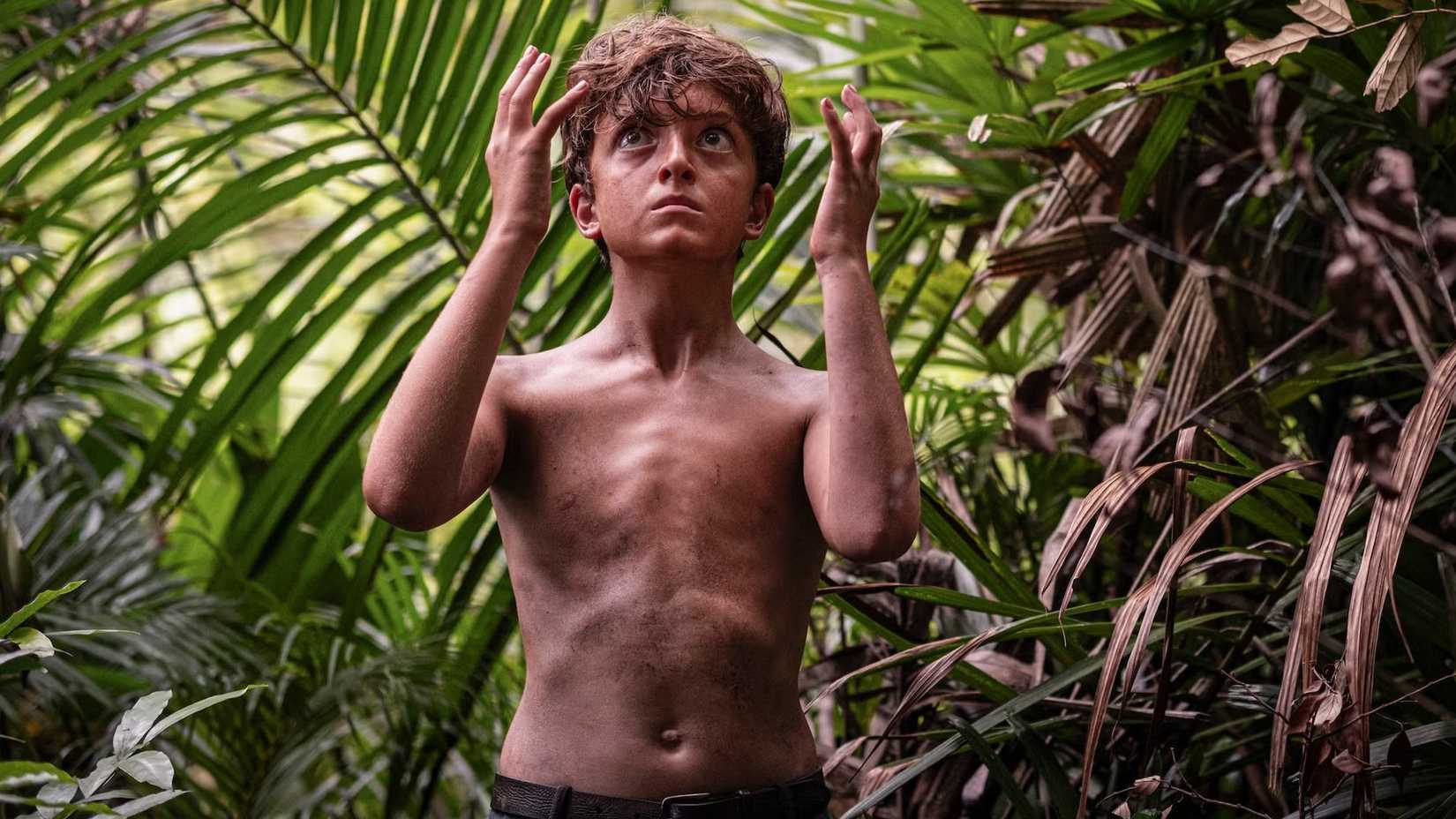
The plot, themes, and overall story are faithful to the book, and readers will recognize much of the dialogue being word-for-word the same. Of the changes that are made, most of them prove to be the right call. This is especially true where Piggy and his relationship with Ralph are concerned, and the changes related to this make much of the final episode even stronger than some parts of the novel's third act.
The one major change that doesn't work is incorporating flashbacks from the boys' lives before they became stranded on the island. Details like Piggy having been bullied in the past and Jack being the leader of the choir group are relevant, but there isn't too much else that the audience needs to know. What's more important is who the boys choose to become after the crash and how their choices lead to an irrevocable loss of innocence.
Flashbacks aren't needed to explain the hold Jack has over the other boys or his specific hatred for Piggy, nor are they needed to explain why Ralph is drawn to being a leader in the first place.
Flashbacks aren't needed to explain the hold Jack has over the other boys or his specific hatred for Piggy, nor are they needed to explain why Ralph is drawn to being a leader in the first place. With the rest of the story set on the island where only children are present, scenes set in civilization and featuring adults are also jarring and interrupt the otherwise fluid narrative momentum.
In Simon's case, the flashbacks rob him of some of the mystery that defines the character in the book. There is new information revealed about his past with Jack and why, despite this history, he remains steadfastly on Ralph's side instead, but it doesn't necessarily make his story arc better.
The Cinematography & Music Take Lord Of The Flies To Another Level

All four Lord of the Flies episodes were directed by Marc Munden, with cinematography from Mark Wolf. There are many lingering close-ups of characters' faces and their expressions, which ramps up the tension and helps make characters other than Piggy, Ralph, Jack, and Simon become more memorable, and to highlight these individuals' emotions even when they aren't at the center of a scene. It's particularly effective with the youngest castaways, with their trauma becoming more than an afterthought when the camera stays put on their sad little faces.
Marc Munden previously directed three episodes of HBO's The Sympathizer.
At select moments in the later episodes, the cinematography transforms much of the island's foliage into a surreal red color. It's visually stunning to look at while also serving a deeper narrative purpose.
When it comes to the boys' relationship with the island and their descent into savagery, the music does a lot of the heavy lifting. In the first episode, when the setting seems like a magical and fun place, the music is lighter and more playful and features a great deal of woodwind instruments.
As the story goes on, the music becomes eerier and harsher, reflecting the characters' growing fear of the mysterious beast and letting their worst selves be unleashed. The legendary Hans Zimmer created the series' theme and additional music alongside Kara Talve, while composer Cristobal Tapia de Veer created the original score.
These touches further cement Lord of the Flies as being both a stellar adaptation and an outstanding miniseries in its own right. It's a rewarding experience for readers and a reminder of why this cautionary moral tale has endured for so long, but is also designed to be just as accessible and powerful for newcomers.
All four episodes of Lord of the Flies release Monday, May 4, 2026, on Netflix.

Release Date February 7, 2026
Network BBC One
Episodes 4



 English (US) ·