
 1 week ago
5
1 week ago
5
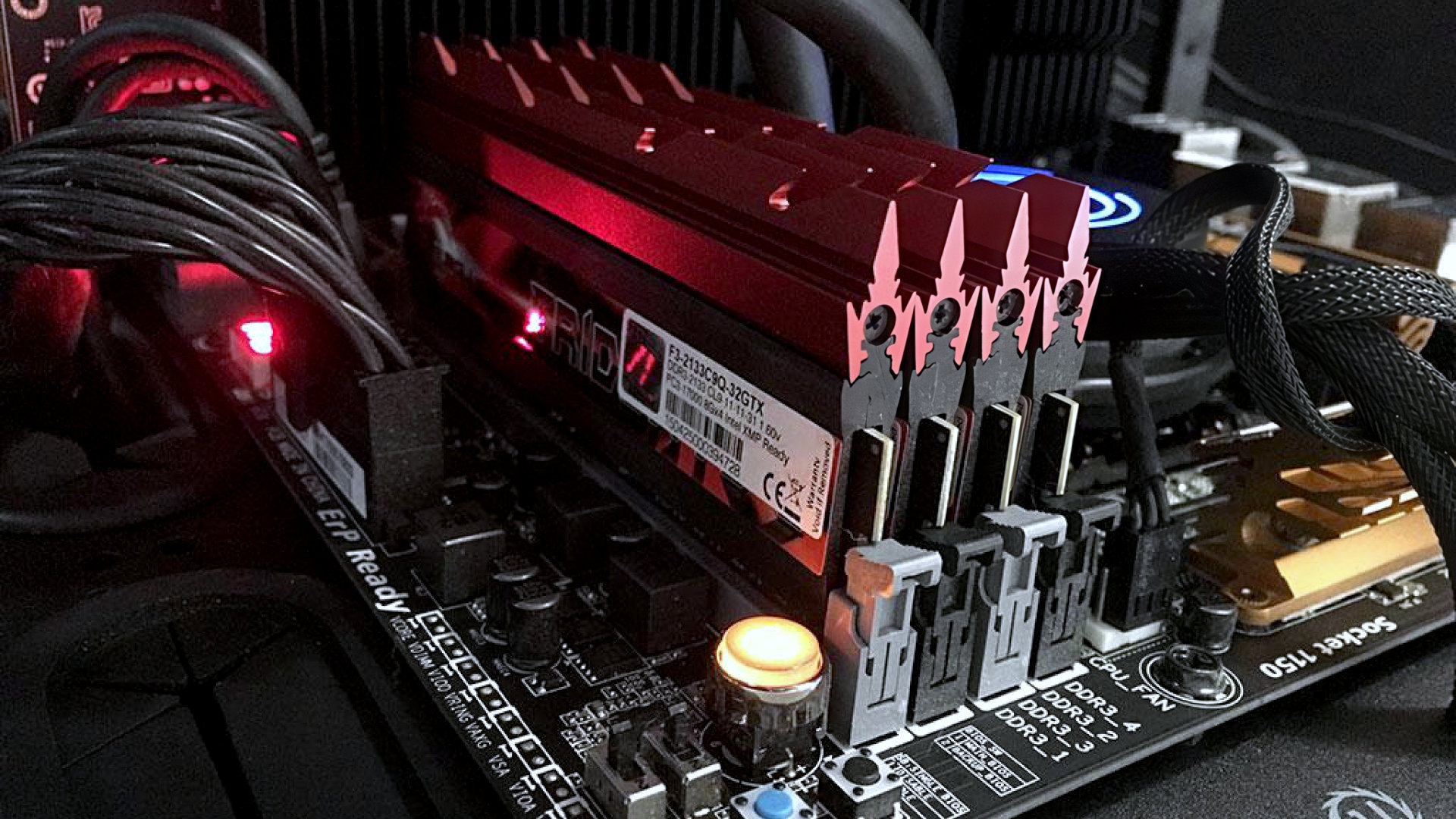
Many businesses around the world use old PCs to run machinery or handle inventory, simply because you don't need a latest-generation processor to churn out a bit of code. Eventually, though, they will fail, but what happens when new prices for parts are sky-high because of the global memory crisis? According to one source, it means at least one motherboard maker will be turning back the clock to 2013 and releasing a fresh DDR3-powered board.
That's according to Videocardz, which has reported that there's a dire shortage of DDR3 motherboards on the market at the moment, but Chinese mobo and graphics card manufacturer, Colorful, is planning to plug that gap a bit.
Right now, you can get 16 GB of DDR3 for just $42 at Amazon (I know, I know…'just'), whereas you'd need to spend $114 for the same amount of DDR4, and a frankly absurd $220 for DDR5. Sticking with DDR3 is a no-brainer, right?
Over in the Intel corner, you'd want either a Core i7 4790K, or if you could actually find one, a Core i7 5775C. Both were epic processors in their time, and for many years afterwards, but even a budget AMD AM4 chip will surpass them in games these days. Of course, gaming isn't the scenario in this particular story, hence why Colorful is planning to issue DDR3 motherboards with Intel's H81 chipset.
That was, and still is, very much intended for the commercial and embedded markets. For gaming, you want a motherboard with the Z97 chipset, as it supports more PCIe lanes, USB ports, and DIMMs per memory channel.
Still, all of this just goes to show just how bananas the memory market is right now, with companies crying out for stuff that's around 13 years old, because DRAM makers are favouring the billions of dollars AI can throw at them over…well…everything else.








 English (US) ·