
 2 hours ago
10
2 hours ago
10
Four years after they were slammed by Taylor Swift, Live Nation and its Ticketmaster subsidiary have been found liable for operating as a harmful monopoly over large venues.
A federal jury in New York City took four days to deliberate before reaching a verdict on Wednesday.
Calls for an investigation grew in 2022 after Swift, 36, criticized Ticketmaster's botched rollout of tickets for her massively popular Eras Tour.
The Department of Justice brought the case against Live Nation in 2024, while President Joe Biden was in office, and dozens of states joined.
Under President Donald Trump's administration, the DOJ settled the case with the ticketing conglomerate — which has steadfastly denied that it is a monopoly — for $281 million in March, but over 30 states opposed the deal and chose to continue the civil trial.
'It's a great day for antitrust law,' antitrust attorney Jeffrey Kessler, who represented the states suing Live Nation, said as the case wrapped in Manhattan, per the Associated Press.
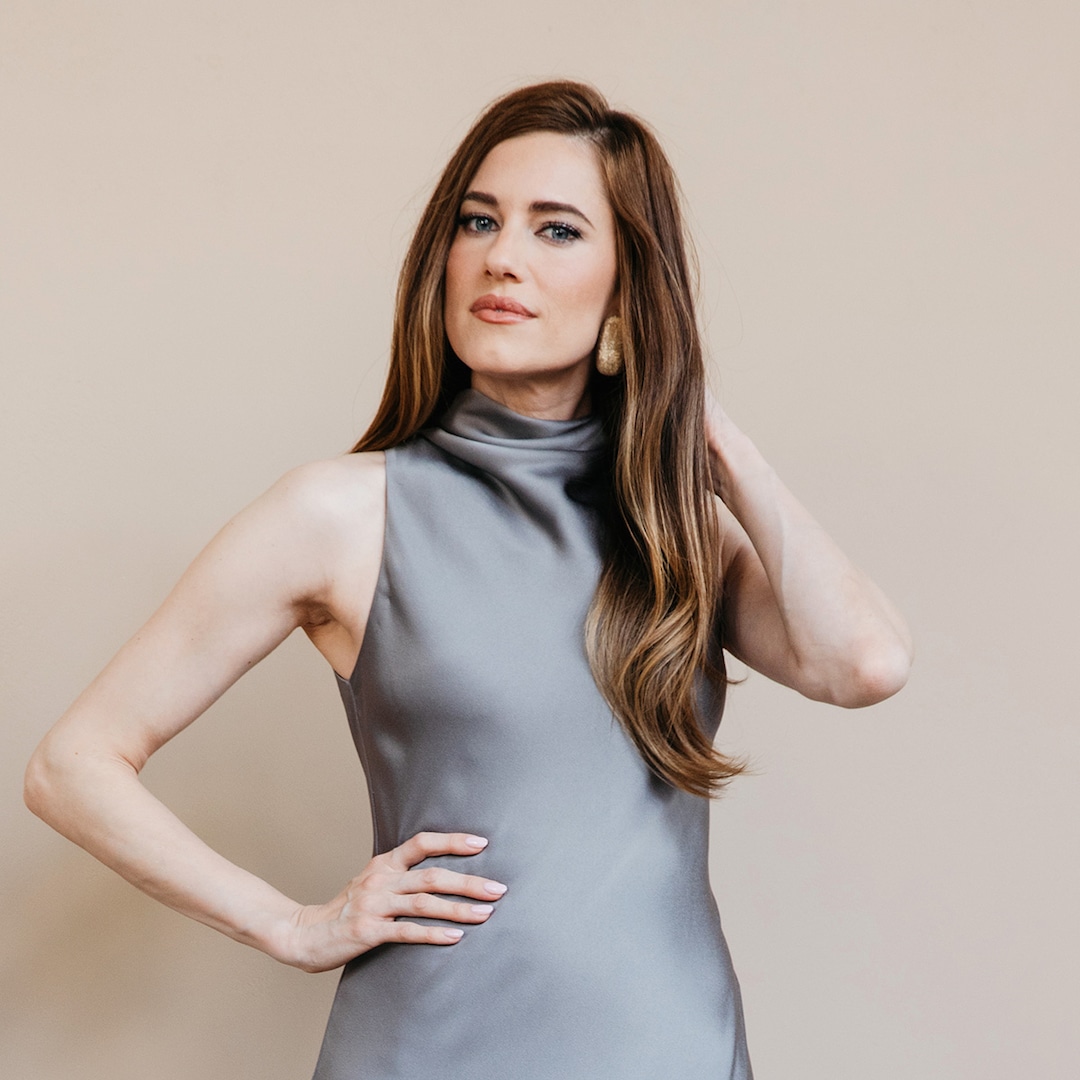
Live Nation and Ticketmaster have been found liable for operating a harmful monopoly over large venues, four years after Taylor Swift slammed their botched rollout of tickets for her Eras Tour; Swift is pictured in 2023 in Santa Clara, Calif.
A federal jury in New York City took four days to deliberate before reaching a verdict on Wednesday
Kessler said of Live Nation and Ticketmaster in his closing arguments: 'It is time to hold them accountable.'
He also described Live Nation as a 'monopolistic bully' that spiked prices for ticket buyers.
Amid the triumph, he did not specify what the states will seek in the next phase of litigation, a remedies trial.
'It's a great day for consumers. This case is a tribute to the 34 states and the District of Columbia, who carried this case forward,' Kessler declared.
Meanwhile, California Attorney General Rob Bonta praised the verdict in a statement.
'In the face of dwindling antitrust enforcement by the Trump Administration, this verdict shows just how far states can go to protect our residents from big corporations that are using their power to illegally raise prices and rip-off Americans,' he said in a statement released by his office.
Elsewhere in the statement, Bonta called the win 'a historic and resounding victory for artists, fans and the venues that support them.'
Omeed Assefi, the acting assistant attorney general for the Antitrust Division of the Justice Department, said in a statement that the verdict was a 'fantastic outcome for the American people.'
The Justice Department brought the case against Live Nation/Ticketmaster in 2024, while President Joe Biden was in office, and dozens of states joined
'It's a great day for antitrust law,' attorney Jeffrey Kessler said as the case wrapped in Manhattan, per the Associated Press; Kessler is pictured on April 7 in Oakland, California
'DOJ and some states settled their case and got instant relief. The remaining states received a liability finding and will now move on to the next phase of a remedies trial,' he said. 'Everyone but Live Nation wins with this scenario.'
Court documents from the federal lawsuit showed a series of messages from 2022 between Ben Baker and Jeff Weinhold, two regional directors of ticketing for Live Nation amphitheaters, in which they bragged about raising prices of ancillary fees, Bloomberg reported.
In one exchange, the men discussed charging concertgoers $250 for a VIP parking spot.
'These people are so stupid, I almost feel bad taking advantage of them,' Baker wrote.
In another instance, Baker bragged about charging '$50 to park in the grass' and '$60 for closer grass.'
'Robbing them blind baby, that's how we do it,' he wrote.
According to NBC, Live Nation released a statement on Wednesday afternoon in which it said: 'The jury’s verdict is not the last word on this matter. Pending motions will determine whether the liability and damages rulings stand.'
The company said it will 'renew its motion for judgment as a matter of law, which the Court deferred until after the jury returned its verdict.'
A juror speaks with reporters outside of Manhattan Federal Court on Wednesday following the conclusion of the Live Nation monopoly case
It proclaimed, 'That motion addresses all liability theories. The Court previously noted that Live Nation's motion raises serious issues.
'There is also a pending motion to strike the damages testimony on which the jury’s award was based. The Court deferred ruling on that motion as well, while noting significant concerns with the damages expert’s analysis.'
The jury eventually determined that Live Nation had overcharged concertgoers at major venues by $1.72 per ticket
Following news of the verdict, Live Nation's stock dropped more than six percent.







 English (US) ·