
 3 weeks ago
49
3 weeks ago
49

Lexar has announced Muse, the world’s thinnest portable SSD.
At its thinnest point, the Muse is just a single millimeter (less than 0.04 inches) thick, around the same as a standard credit card. At its thickest, the SSD is still only 3.8 millimeters (0.15 inches) thick, nearly two millimeters thinner than Apple’s thinnest-ever smartphone, the iPhone Air, not counting its camera bump. Overall, the Lexar Muse measures 80 x 48 x 3.8 millimeters (3.1 x 1.9 x 0.15 inches).
To achieve its groundbreaking ultra-thin design, the Lexar Muse employs a single-piece construction and a custom-built, extremely thin PCB. Lexar also cites precision stacking, compressed housing, and tapered edges as instrumental to Muse’s class-leading size.
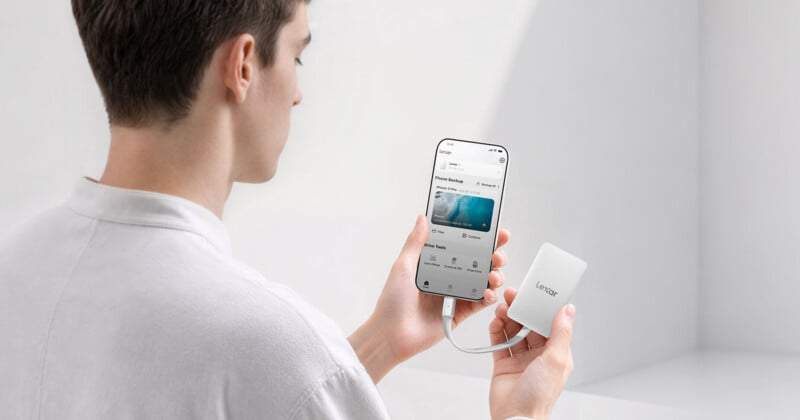
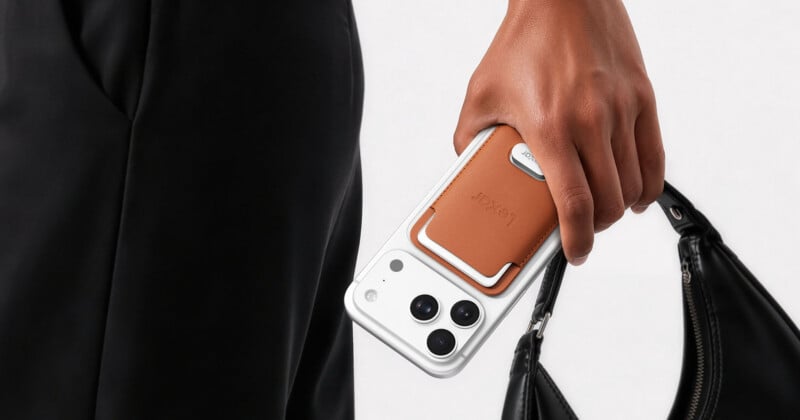
“The Muse Ultra-Slim Portable SSD’s minimalist aesthetic begins with a precision-machined unibody metal enclosure formed from a single piece of metal, minimizing seams, joins, and visual interruptions,” Lexar says.
At this point, a reasonable question might be, “If the Muse is so thin, how does the cable work?” Well, non-traditionally is the answer. The Muse uses Lexar’s proprietary PogoPin magnetic data connection and a supplied SnapLink Magnetic cable that attaches to the back of the Muse for data transfer. There is no traditional USB-C port here.
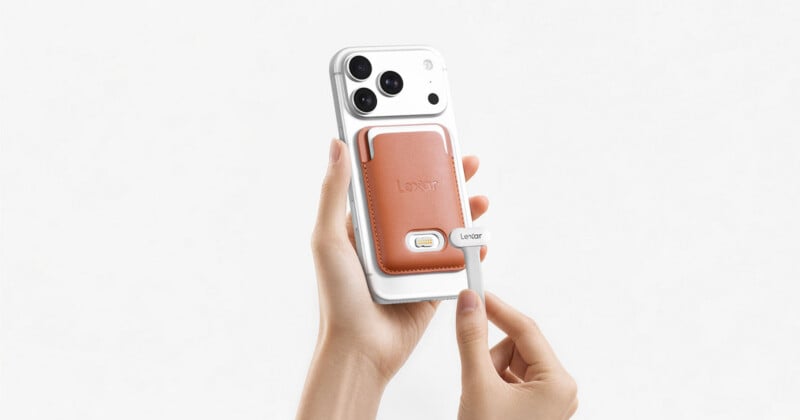

The SnapLink Magnetic Cable attaches to the SSD via a spring-loaded pin interface and transfers data at up to 1,050 MB/s (read) and 1,000 MB/s (write). It also slips nicely into an optional magnetic case that can attach to the back of an iPhone or computer, complete with a cut-out for the magnetic cable. Of course, the other end of this cable is standard USB-C.
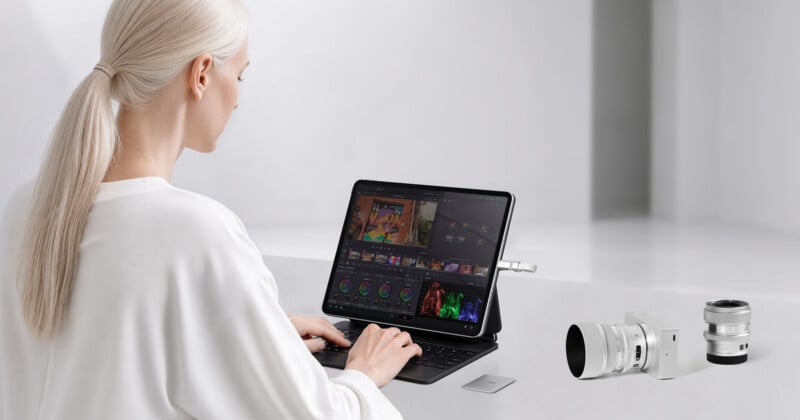
While the Lexar Muse is not the fastest SSD on the market, it is fast enough for direct external recording of Apple ProRes 4K video at up to 120p frame rates on the latest iPhone Pro models. It’s fast enough to serve as a working drive in many cases, especially for photography workflows.


The Lexar Muse will be available in 512GB and 1TB capacities beginning in Q4 2026. Pricing has not yet been announced, but given the ongoing price crisis in flash storage, photographers may want to brace for a rather pricey portable SSD.
Image creditsLexar






 English (US) ·