A decade after its end, Jonathan Nolan's Person of Interest is surprisingly not as talked about as it should be. Those who watched it, however, have noticed how the show's seemingly fictional elements have gradually materialized in the real world. Everything from its exploration of mass surveillance to AI advancements feels surprisingly realistic and hits harder than ever.
Owing to this, it is hard not to deny that Person of Interest was far ahead of its time. Interestingly, though, before the show embraced its ambitious cyberpunk elements and unknowingly foresaw many aspects of the future, it did not seem like a distinct addition to the genre. The more it progressed, though, the more it embraced cyberpunk identity, which evolved its narrative in novel and exciting directions.
Person Of Interest Started As A Procedural Before Embracing Its Ambitious Cyberpunk Vision
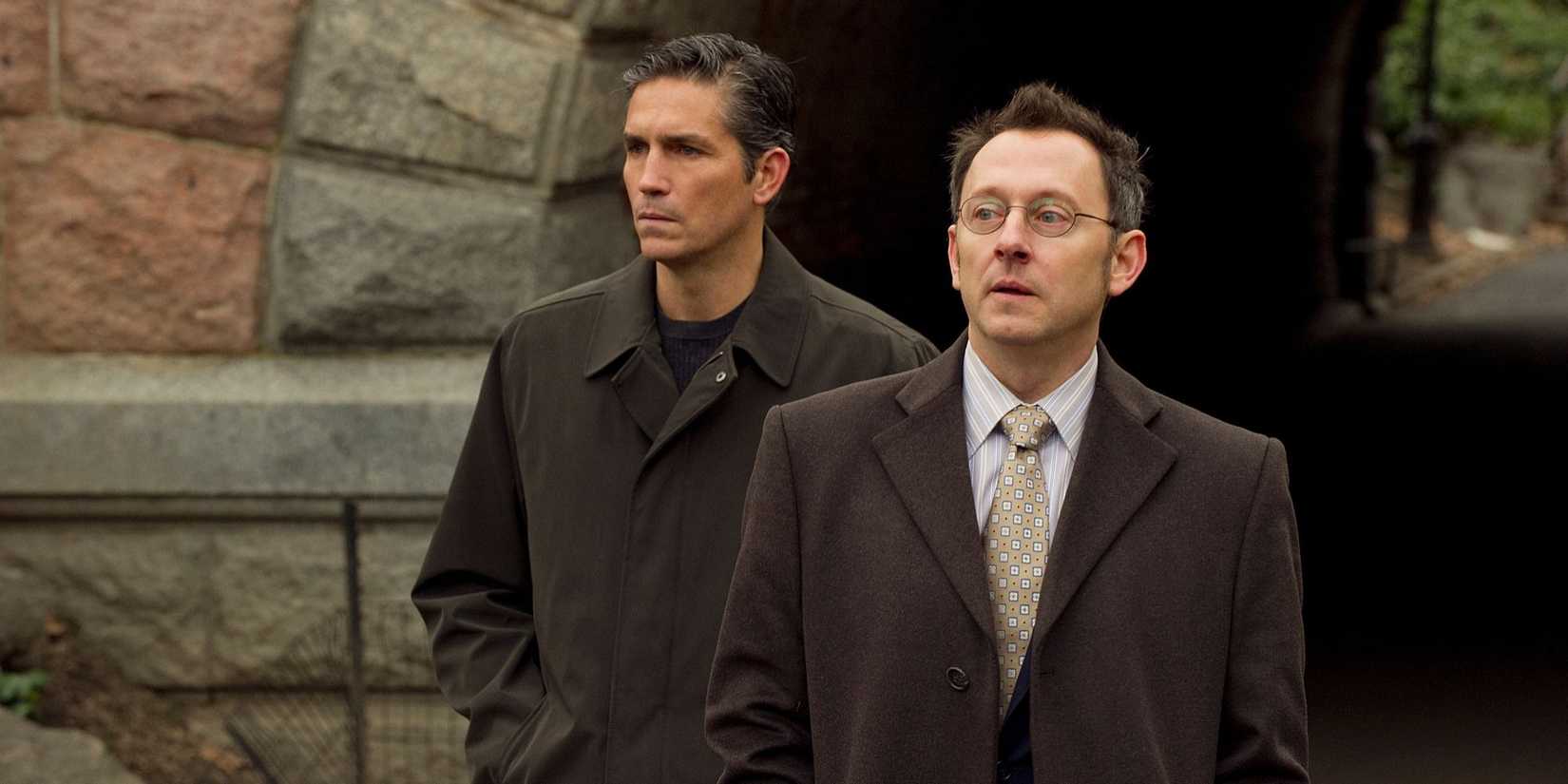
Person of Interest was hardly indistinguishable from CBS' regular fare of procedural crime dramas in its early moments. It is perhaps these elements that allowed the show to initially establish a strong following before delving deeper into its more distinct aspects. With an early procedural-of-the-week format, it followed a tech billionaire and an ex-CIA operative who saved a new person every episode.
However, Nolan's long-term plan for the series started becoming more and more evident as it transitioned from a standard crime drama to a full-blown portrayal of a war between competing Artificial Superintelligences. For seasons 1 and 2, Person of Interest primarily stuck to its procedural roots. Even the overarching stakes remained local while the villains remained human.
Season 3 became a massive turning point for Person of Interest as it delved deeper into its exploration of the rise of Decima Technologies and started embracing more cyberpunk plot devices. After rewatching the series, it is hard to notice how early traces of its eventual cyberpunk brilliance were present in its early arcs as well.
Unfortunately, one of the biggest reasons why Person of Interest remains largely obscure is that many viewers drop it in its earlier arcs. Believing that it is a standard procedural drama, many do not stick around till it starts showing its true potential.
Hopefully, cyberpunk storytelling in sci-fi will gain a new wave of interest after the release of Apple TV's Neuromancer and Prime Video's Blade Runner 2099 and prompt viewers to check out classics like Person of Interest.
Person Of Interest Feels More Relevant & Realistic Than Ever
Like many classic cyberpunk stories, Person of Interest almost seems prophetic in the sense that it predicted many future concerns surrounding unchecked technological developments. Its existential exploration of the increase in surveillance and slow death of privacy seems more relevant than ever.
Even the show's portrayal of how giving birth to AI that is potentially smarter than humans raises many questions surrounding control, accountability, and free will. Instead of merely antagonizing AI like most mainstream sci-fi movies and shows, Person of Interest explores all the potential biases and flawed moral values a large language model can develop despite being trained with the best of human intentions.
After watching Person of Interest, a viewer is also forced to question their sense of free will in a world where algorithms predict human behavior and drive our next move online. These relatable aspects in Person Of Interest's thrilling crime drama prove it was way ahead of its time and deserves a visit from those who missed it when it first aired.
Even viewers who watched the Jonathan Nolan cyberpunk sci-fi thriller when it premiered should revisit it to embrace how it has aged incredibly well.
Release Date
2011 - 2016-00-00
Showrunner
Greg Plageman
Directors
Chris Fisher, Richard J. Lewis, Fred Toye, Jeffrey G. Hunt, Stephen Surjik, Kenneth Fink, Stephen Williams, Helen Shaver, Alrick Riley, Charles Beeson, Kate Woods, Kevin Bray, Stephen Semel, Jeff T. Thomas, Sylvain White, Alex Zakrzewski, Brad Anderson, Clark Johnson, Colin Bucksey, David Semel, Dennis Smith, Félix Enríquez Alcalá, James Whitmore Jr., Jeffrey Lee Gibson
Writers
Jonathan Nolan, Denise Thé, Greg Plageman, Amanda Segel, David Slack, Melissa Scrivner-Love, Dan Dietz, Sean Hennen, Lucas O'Connor, Patrick Harbinson, Michael Sopczynski, Nic Van Zeebroeck, Tony Camerino, Andy Callahan, Ray Utarnachitt, Sabir Pirzada, Ashley Gable, Amy Berg, Jacey Heldrich











 English (US) ·