


Published Feb 14, 2026, 3:41 PM EST
Tom is a Senior Staff Writer at Screen Rant, with expertise covering everything from hilarious sitcoms to jaw-dropping sci-fi epics.
Initially he was an Updates writer, though before long he found his way to the TV and movies team. He now spends his days keeping Screen Rant readers informed about the TV shows of yesteryear, whether it's recommending hidden gems that may have been missed by genre fans or deep diving into ways your favorite shows have (or haven't) stood the test of time.
Tom is based in the UK and when he's not writing about TV shows, he's watching them. He's also an avid horror fiction writer, gamer, and has a Dungeons and Dragons habit that he tries (and fails) to keep in check.
The Terminator franchise has endured a rough few decades. After the towering impact of The Terminator and Terminator 2: Judgment Day, subsequent entries have struggled and failed to match them. Sequels delivered spectacle but rarely cohesion. That inconsistency made 2024’s animated Netflix series Terminator Zero feel like a genuine revival fans were ready to embrace.
Set in 1990s Tokyo, Terminator Zero followed humanity’s familiar struggle against Skynet while exploring fresh characters and perspectives on the buildup to Judgment Day. The series earned strong reviews and audience approval, yet Netflix chose not to renew it in 2026.
The cancellation of Terminator Zero landed heavily within the fandom because the series represented a creative high point the franchise had long lacked. With no other television or film confirmed besides a new Terminator movie written by James Cameron, faith from the fandom is far from concrete. Terminator 7 now stands as the franchise’s only forward path, even if its promise remains uncertain.
Terminator's Best Project In Decades Has Been Canceled
A Fan-Favorite Revival Ends Just As Momentum Was Building
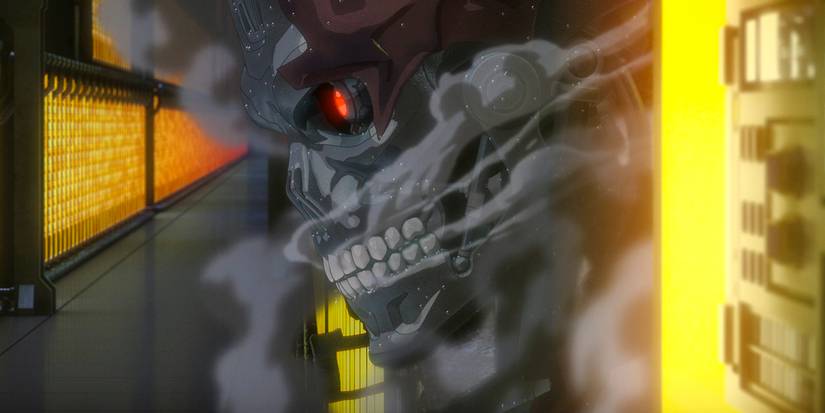 Image via Netflix
The arrival of Terminator Zero on Netflix in 2024 was a rare moment of enthusiasm for the franchise. Its animated format allowed bold storytelling choices without the baggage of blockbuster expectations. By centering on new figures like Eiko and Malcolm Lee while expanding the mythology, it restored narrative tension that had faded in many recent Terminator movies.
Unlike many recent Terminator films that tripped over themselves trying to simultaneously cater to nostalgia and reinvent the franchise, Terminator Zero emphasized tone and thematic clarity. It delivered tightly structured episodes and an intimate view of humanity confronting inevitable catastrophe. Critical reception reflected that success, including strong aggregated scores like its 87% Rotten Tomatoes rating, and it remains one of the franchise’s most respected entries in years.
The cancellation, therefore, came as a shock. Netflix ended Terminator Zero after one season due to low viewing numbers, even though reception remained strong. Creator Mattson Tomlin explained that the story had been designed for multiple seasons and future-war arcs that would never materialize. As Tomlin explained on X:
“It was cancelled. The critical and audience reception to it was tremendous, but at the end of the day not nearly enough people watched it. I would’ve loved to deliver on the Future War I had planned in season’s 2 and 3, but I’m also very happy with how it feels contained as is.”
Plans for Terminator Zero extended well beyond season 1. Scripts for season two were completed and outlines for season three existed, while a five-season trajectory had been envisioned. Netflix even offered limited wrap-up episodes, but Tomlin declined, believing his story could not be compressed into a short conclusion (via Bloody Disgusting).
The loss matters because Terminator Zero demonstrated that innovation rather than nostalgia could revitalize the property. It balanced emotional stakes with speculative ideas, proving the brand could still evolve. Its absence removes a rare creative lifeline and leaves the franchise dependent on theatrical revival once again.
Only James Cameron's New Movie Can Save Terminator Now
Cameron’s Return Leaves The Franchise With One Remaining Lifeline
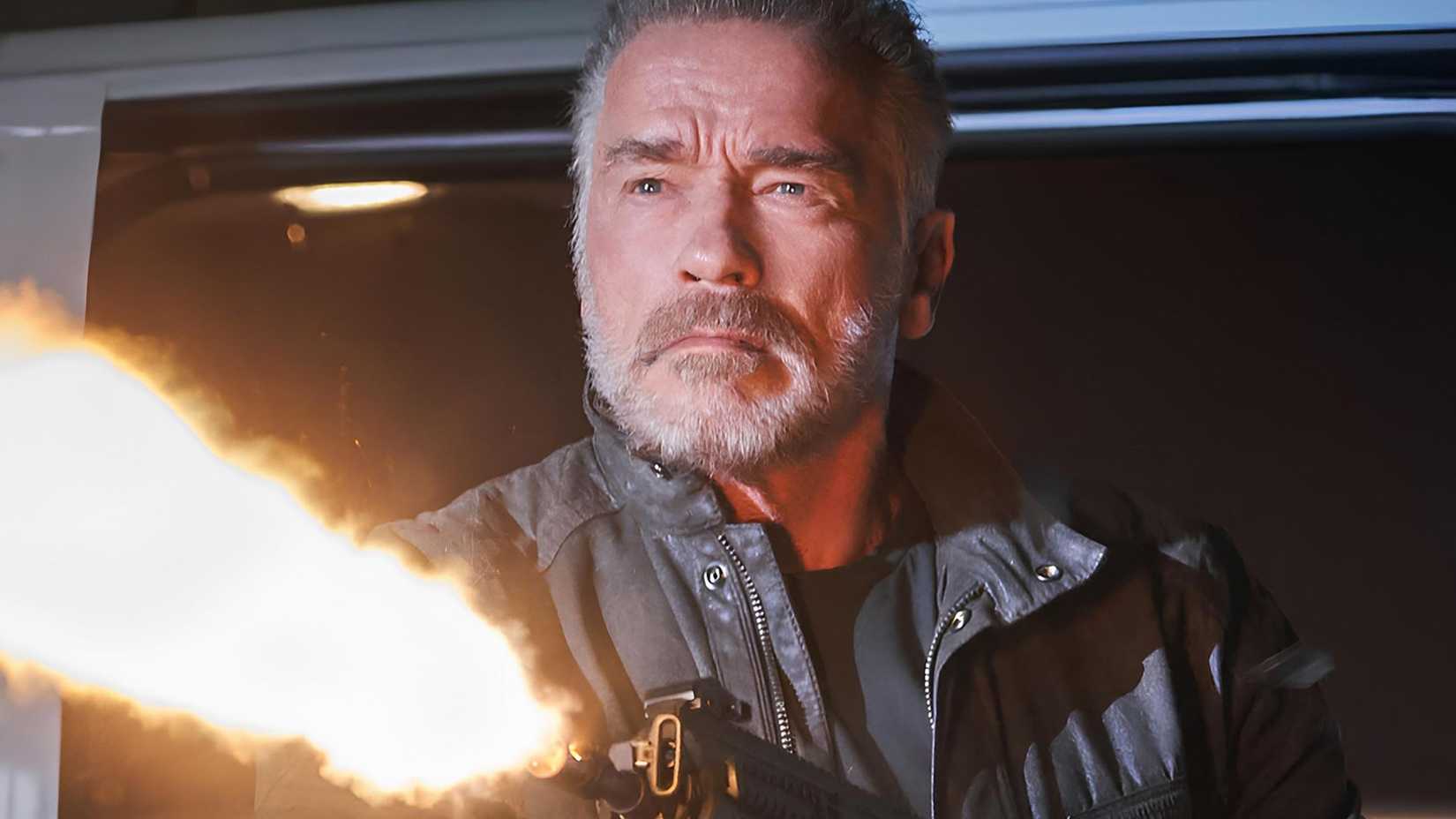
The Terminator franchise’s cinematic decline has been gradual and widely acknowledged. Later films often returned to characters like Sarah Connor (Linda Hamilton) and the T-800 (Arnold Schwarzenegger), yet struggled to regain the narrative precision of earlier entries. Even 2019’s Terminator: Dark Fate, developed with Cameron’s story involvement, failed to generate sustained momentum.
That context made Terminator Zero and Cameron’s Terminator 7 appear complementary paths forward. One expanded the universe through serialized storytelling, while the other promised cinematic authority from the creator responsible for the franchise’s foundation. With the show gone, only the latter remains.
James Cameron has confirmed that he is working on the next installment, though the process has not been straightforward. Rapid technological progress has complicated his writing, as real-world advancements in artificial intelligence blur the line between speculative fiction and contemporary reality.
His approach reportedly centers on new characters and ideas rather than direct continuation of the Terminator timeline, suggesting a willingness to evolve beyond legacy reliance. That ambition echoes what made the earliest films resonant, but execution will determine whether it can recapture the balance of action and philosophical dread that defined them.
Yet enthusiasm should remain measured. Cameron’s involvement alone does not guarantee success, as demonstrated by mixed reactions to his participation in Terminator: Dark Fate. The brand’s history proves that even experienced stewardship can struggle against franchise fatigue and audience expectations.
With Terminator Zero gone, however, there is little alternative. The animated series offered experimentation; the new Terminator movie must offer restoration. Cameron’s script represents the final active development keeping the franchise moving forward, making its outcome disproportionately important for the series’ future.
Will James Cameron Direct The Next Terminator Movie?
Cameron’s Role Remains Unclear As Anticipation Builds

While James Cameron has confirmed he is writing Terminator 7, uncertainty remains about whether he will return to direct. His schedule, particularly commitments to other major productions, has left the scope of his participation undefined, fueling speculation about how deeply he will shape the new Terminator film’s final form.
Expectations are naturally tied to precedent. The two installments Cameron directed, The Terminator and Terminator 2: Judgment Day, remain widely regarded as the franchise’s defining achievements. His control over both narrative and visual execution helped produce their lasting impact, setting a standard few successors matched.
Fan optimism stems from that history, yet James Cameron himself has acknowledged creative challenges surrounding the project. Modern technological realities make speculative storytelling harder to craft without being eclipsed by current developments. That difficulty may influence whether he chooses to direct Terminator 7 or simply stick to screenwriting.
One confirmed element shaping anticipation is casting direction. James Cameron has indicated that Arnold Schwarzenegger will not return for Terminator 7 (via Bloody Disgusting), signaling a departure from the format fans know. Without its most recognizable star, whether the next Terminator movie has its most iconic director feels especially important.
Ultimately, the question of direction is as significant as the script itself. Cameron’s presence behind the camera would signal a definitive creative reset, while absence could temper expectations. Either way, his involvement ensures that Terminator 7 carries the burden of redefining a franchise currently without alternatives since the cancellation of Terminator Zero.
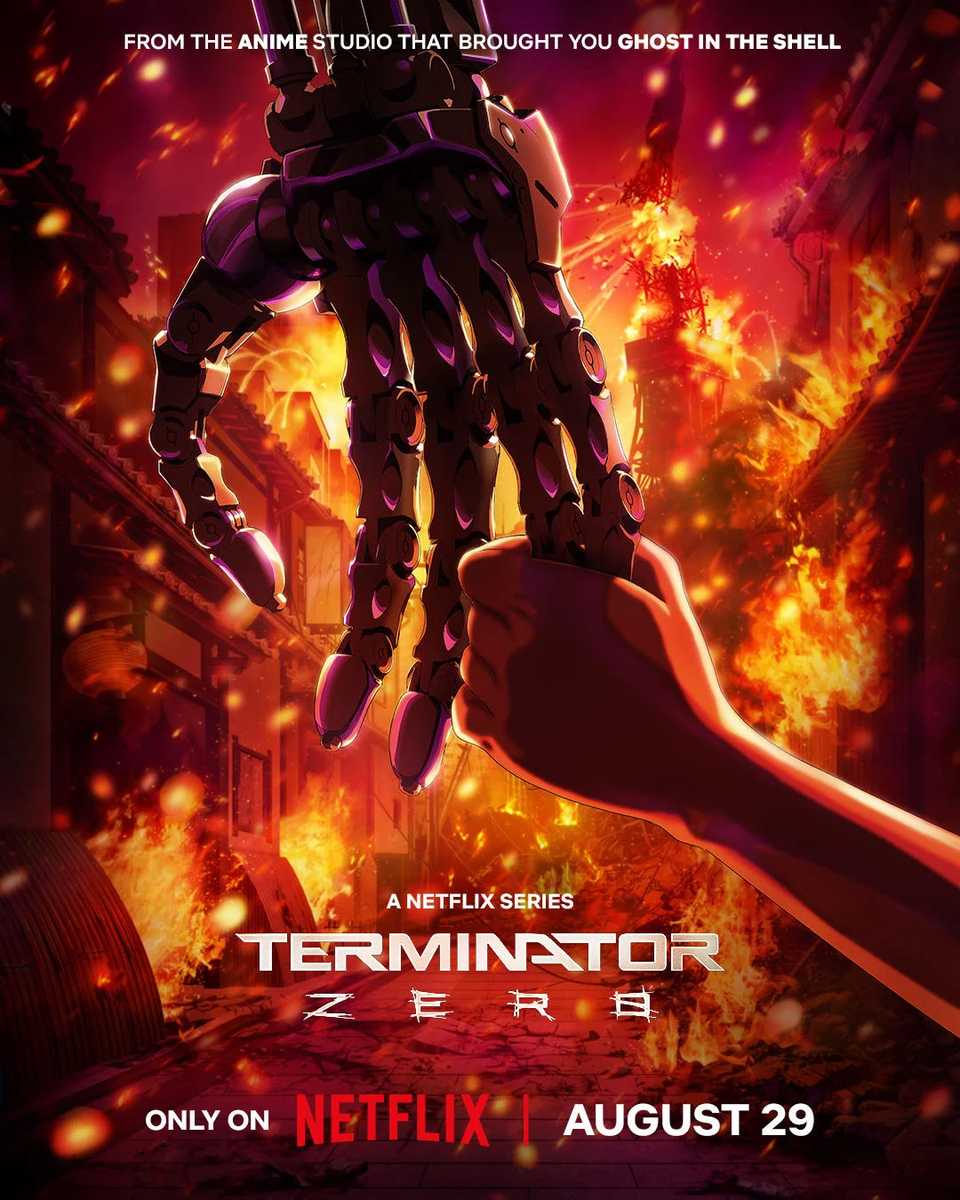
Showrunner Mattson Tomlin
Directors Masashi Kudo



 English (US) ·