

Published Jul 15, 2026, 12:00 PM EDT
Ben Sherlock is a Tomatometer-approved film and TV critic who runs the massively underrated YouTube channel I Got Touched at the Cinema. Before working at Screen Rant, Ben wrote for Game Rant, Taste of Cinema, Comic Book Resources, and BabbleTop. He's also an indie filmmaker, a standup comedian, and an alumnus of the School of Rock.
Mad Max is a rare example of a movie franchise ripped straight from one filmmaker’s distinctive vision. James Bond and the Marvel Cinematic Universe were both designed by committee, but Mad Max — much like Star Wars — was born from the twisted mind of a singular genius. George Lucas channeled his love of pulpy space operas to create a galaxy far, far away, while George Miller channeled his love of classic John Ford westerns and rubber-burning car chases (and his fear of our rapidly dwindling natural resources) to create a gonzo post-apocalyptic wasteland full of gas-guzzling raiders and flamethrowing guitarists.
Miller stretched every penny of a shoestring indie budget to make the original 1979 Mad Max feel like a big, epic action movie. Set in a dystopian near-future where gasoline is running out and the rule of law is being abandoned, Mad Max sees a wayward cop taking a dark, vengeful turn after his family is murdered by a ruthless street gang. It spoke to an angry, rebellious, late-‘70s audience, whose enthusiastic word-of-mouth propelled Mad Max to become one of the most profitable movies ever made.
Like James Cameron’s The Terminator half a decade later, Mad Max was a tiny little indie film that became a big enough hit to launch a blockbuster franchise. With the first sequel, The Road Warrior, Miller fully realized his vision of a surreal, lawless wasteland — which he couldn’t afford to do on the microbudget original — solidifying Mad Max as one of the most exciting action franchises around.
The Mad Max movies are often described as westerns on wheels — they take the simple setup of an old classic like Stagecoach or A Fistful of Dollars, and swap out the horses for tricked-out automobiles. But they’re not just car chase movies; they’re about so much more than that, and I can’t believe it took me this long to work it out.
The Entire Mad Max Franchise Is About Parenthood

The Mad Max movies are about a lot of things — a society on the brink of collapse; the scarcity of natural resources; humanity’s capacity for inhumanity — but, in a roundabout way, every Mad Max film is about parenthood. The first movie tackles this theme overtly, with Max losing and avenging his child, but the subsequent sequels and spinoffs have touched on the same theme in one way or another.
When we catch up with Max in The Road Warrior, he’s a lone wolf, with no emotional attachments to anyone other than his trusty dog. But throughout the film, he becomes endeared to a young boy known as “The Feral Kid,” and ends up abandoning the lone-wolf life and putting himself in danger to protect this kid from meeting the same grisly fate as his own family. Beyond Thunderdome touches on parenthood as Max takes refuge with a group of kids based on the Lost Boys from Peter Pan (and there’s a poignant subplot involving Jedediah and his son).
Fury Road is less overtly about parenting, as it sees Max and Furiosa teaming up to liberate Immortan Joe’s enslaved wives. But over the course of that journey, Max and Furiosa become protective, parental figures to the wives (and to Nux). Plus, the pregnancy subplot goes back to the very beginning of parenthood.
Mad Max’s first spinoff, Furiosa: A Mad Max Saga, chronicles Furiosa’s origin story, from her childhood in paradise to her coming-of-age as a slave of Dementus to her eventual escape. As we follow her early life, the movie showcases various parental figures (both good and bad) who mentored Furiosa. The recurring visual motif of Dementus’ teddy bear seems to bring this whole thematic thesis full circle, summing up the message of the entire franchise.
Why Parenthood Is So Important In Mad Max's World

Parenthood is a key component of the Mad Max franchise, because it gives the characters — both the heroes and the villains — a reason to keep surviving; it gives them something to live for beyond themselves. Simply watching someone try to keep themselves alive wouldn’t make for a very good story, but if they’re protecting a child at all costs, then the story has real stakes.
We’ve seen parenthood come up as a theme in a lot of post-apocalyptic stories — Cargo, The Last of Us, The Road — because it gives the hero a universally relatable goal (keep their kid alive), and because it juxtaposes the beauty of childhood innocence with the horrors of the end of the world. Plus, the promise of a next generation gives us hope for the future, and humans need hope more than ever in a post-apocalyptic world.
Mad Max's Real Meaning Explains So Much About The Franchise

Star Wars has an entire online encyclopedia chronicling every minute detail of its lore and worldbuilding, with full pages dedicated to background characters who didn’t have names or backstories until Lucasfilm’s franchise architects gave them one. But in Mad Max, the specifics of the world are very vague.
We don’t know the details of the apocalypse or the timeline of society’s breakdown. We know that gasoline ran out, but we also know that all the survivors on the wasteland drive everywhere. We don’t really know how the world ended in Mad Max, or how long ago it ended, but that’s okay, because that’s not what the movies are really about. The real focus of this franchise is the rise of future generations, so the past doesn’t matter as much as the unwritten future.
A Popular Fury Road Theory Makes Mad Max's Connection To Parent Figures Stronger
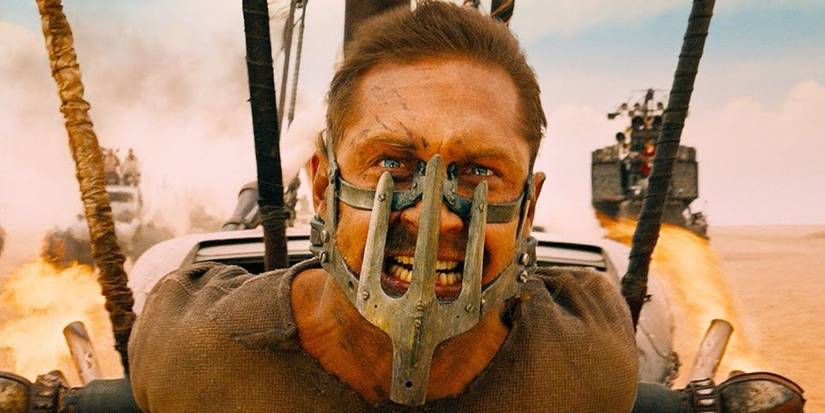
Since Mel Gibson had aged out of the role (and become one of the most polarizing figures in Hollywood), when Miller returned to the Mad Max franchise after a 30-year hiatus and made Fury Road, he recast Max. Instead of bringing back Gibson for an Old Man Max movie (which would actually be pretty awesome), Fury Road brought in Tom Hardy to play a new version of Max.
This led to an intriguing fan theory that Hardy isn’t really playing Max; he’s playing the grownup version of the Feral Kid from The Road Warrior, who grew up to follow in Max’s footsteps. The theory goes that he took Max’s name and started searching the wasteland for innocent people in need, just like Max. If you take this theory as true, then it makes the Mad Max franchise’s connection to parenthood even stronger, because we see how the next generation is paying it forward.

Video Game(s) Mad Max (1990), Mad Max (2015)





 English (US) ·