
 Image by Everett Collection

Published Feb 7, 2026, 6:20 PM EST
Brandon Zachary is a Lead Writer for Screen Rant's New Movie Team. He also writes or has written for Comicbook.com, CBR, That Hashtag Show, Just Watch, and TVBrittanyF. Brandon is an Emerging Screenwriters Semi-Finalist, co-writer of a Screencraft Quarter-Finalist, a seasoned on-screen interviewer, and a MASSIVE nerd. You can reach him at [email protected]
The following contains light spoilers for Dracula: A Love StoryDracula: A Love Story isn't necessarily a good movie, but it is just bizarre and funny enough to be a great watch. Directed by Luc Besson and with a cast who fully commit to the film's disjointed tone with campy revelry, Dracula: A Love Story is actually a hilarious comedy, so long as you embrace the campy elements.
The trick is that the film never really presents itself as one. As a gothic romance, it's lackluster. As a subversion of a classic horror story, it's more baffling than thought-provoking. However, both intentional and unintentional moments of comedy work surprisingly well. While it's far from the best Dracula adaptation, it is one of the most entertaining in a while.
Dracula: A Love Story's Campy Elements Are Its Best Qualities

Luc Besson's Dracula: A Love Story is a bizarre mess of a movie, but that's exactly why it's so much fun. The Fifth Element director's version of the classic horror novel relies on much of the same Gothic romance revisionism that'll fueled Francis Ford Coppola's take on the material in Bram Stoker's Dracula.
There's a focus on the tragic romance between the immortal monster and his reincarnated lost love, the moral cost that can come with forsaking one's humanity for the sake of passion, and the power of faith as both a weapon and salvation. There's potentially heavy material in the film, but it's never quite brought to fruition.
Instead, the film is absolutely ridiculous, with a practically wacky tone that sees Dracula force crowds to make synchronized dances with mind-controlling perfume, pet gargoyles who attend to Dracula's household, and quite possibly the dumbest incarnation of Jonathan Harker in over a century of adaptations. Those aren't bugs but features, fitting a tone that alternates between romantic and goofy frequently.
Even the film's more vicious moments of bloodshed are often punctuated with unexpected comedy. Whether that be Dracula and Elisabeta's romantic evenings being full of improv games or the Prince of Darkness being exhausted with Jonathan's inability to realize his supernatural capabilities, there are a lot of surprisingly funny bits throughout.
This is far from the most compelling take on the material, but it is some of the funniest, with a strange tone and flair for the melodramatic that never finds an appropriate balance but nevertheless delivers plenty of laughs. What makes it especially notable is the way that Dracula: A Love Story uses that oddness to its unexpected advantage.
Nosfartu Is A Better Movie, But Dracula: A Love Story Is More Fun

The most obvious comparison point for Dracula: A Love Story is the other recent cinematic take on the material, 2024's Nosferatu. That was a film that really leaned into the German expressionism at the heart of the original, playing the drama completely straight to deliver a truly harrowing effect. It's moody, grim, and compelling.
It can also be a hard film to get through, given the darker take on the subject material and the self-serious performances. Nosferatu is a better film than Dracula: A Love Story on almost every level, but there's a delightful weirdness to Luc Besson's film that makes it easy to recommend out of pure morbid curiosity.
While Nosferatu engages with the horrifying subtext of an ancient evil being so connected to a young woman, Dracula: A Love Story throws logic out the window for swooning romance and ridiculous visuals. Notably, the cast of Dracula: A Love Story seems to be attuned to the tone, playing their characters with a mix of emotional authenticity and campy self-awareness.
This is no clearer than with Christoph Walz's unnamed Priest, the film's stand-in for Van Helsing. The character spends his first scenes casually drinking communion wine and using the scientific method to determine vampirism, with a particular shrug he gives towards a burning cross being a delightful bit of non-verbal comedic acting.
However, there's also a soulfulness to Waltz's dynamic with Dracula that gives the film's finale a bittersweet touch. The best way to watch Dracula: A Love Story is as a comedy, where Jonathan is a dummy, Mina is befuddled, and Dracula is a love-obsessed weirdo — it's strange, silly, and fun in a way that something like Nosferatu can't be.
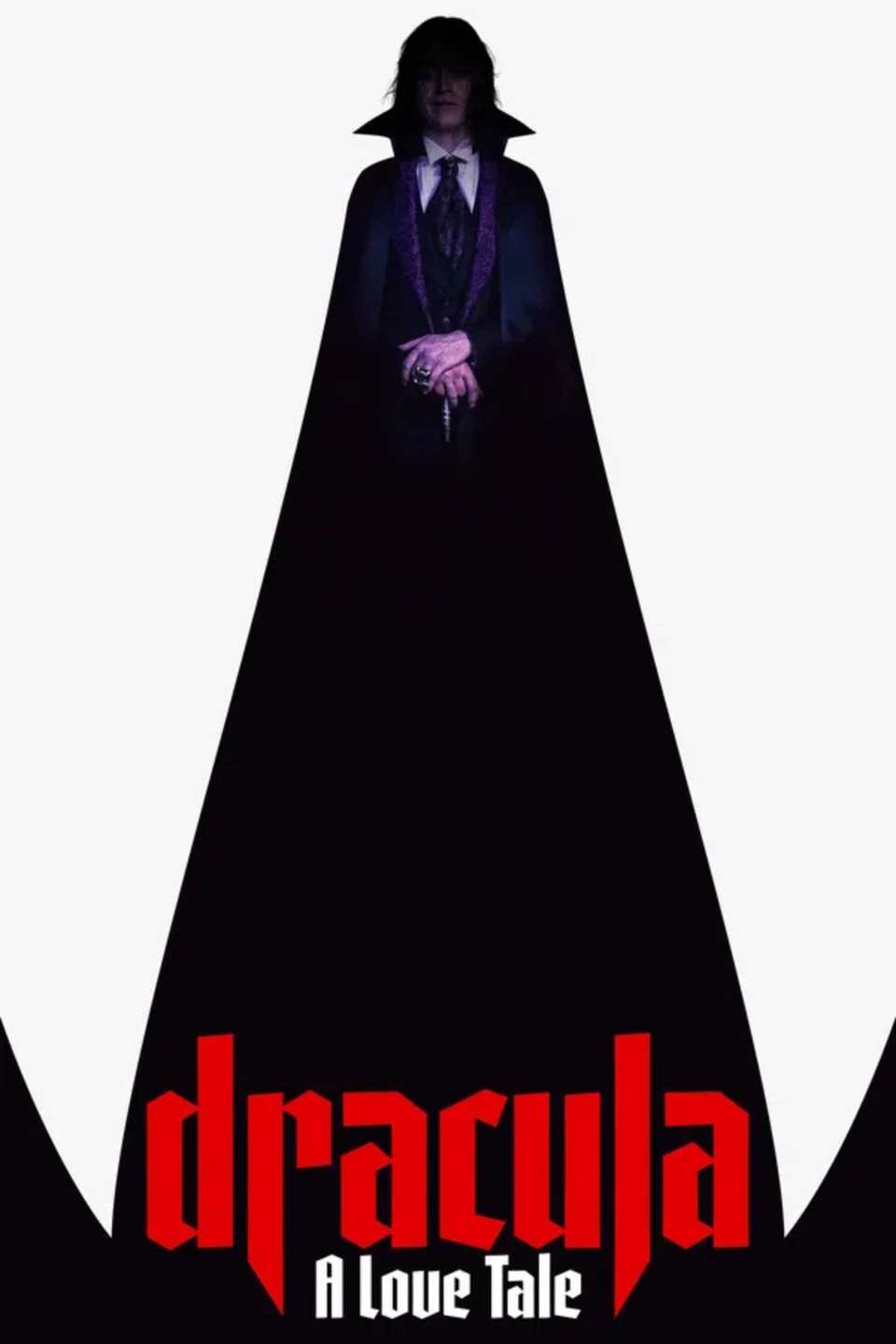
Dracula
Release Date February 6, 2026
Runtime 129 minutes
Director Luc Besson
Writers Luc Besson, Bram Stoker
-

-

-

Zoë Bleu Sidel
Elisabeta / Mina
-




 English (US) ·