
 3 weeks ago
34
3 weeks ago
34
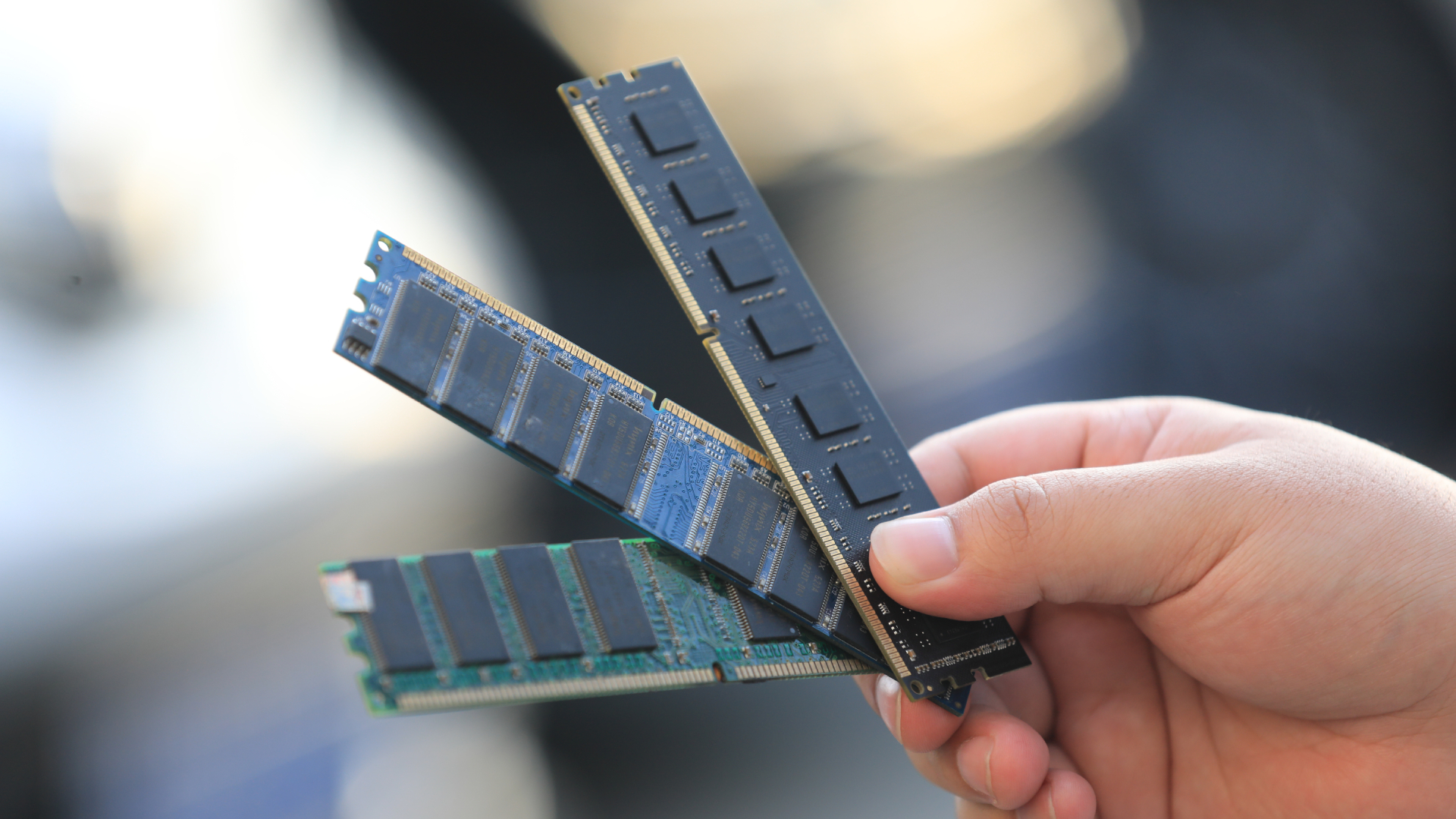
17 plaintiffs sued Samsung, SK hynix, and Micron in the U.S. District Court for the Northern District of California in late June, alleging the three companies, which together control roughly 90% of the global DRAM market, coordinated supply restrictions that pushed memory prices up around 700% in four years. The complaint is the third major legal assault on the DRAM industry in two decades. The first ended in criminal guilty pleas, roughly $730 million in fines, and prison terms for executives. The second collapsed in 2020; this new case must clear the same legal barrier that killed it.
This article was made possible thanks to Tom's Hardware Premium. If you'd like to read deeper takes on the latest news, subscribe today.
A cartel conviction, then a failed sequel
Between 1998 and 2002, DRAM makers fixed the price of memory sold to Dell, HP, Compaq, IBM, Gateway, and Apple, leading to a landmark case that saw the Department of Justice extract guilty pleas across the sector: $300 million from Samsung in 2005, then the second-largest criminal antitrust fine in U.S. history, alongside $185 million from Hynix, $160 million from Infineon, and $84 million from Elpida. More than a dozen execs served prison time in the U.S., while Micron, which admitted participating, escaped prosecution entirely by turning first under the DoJ's corporate leniency program.
Then, in 2018, Hagens Berman filed a class action alleging the same three companies colluded during the 2016-2017 upcycle, when DRAM prices roughly doubled and all three throttled supply growth in lockstep. The district court dismissed it in 2020, and the Ninth Circuit affirmed that decision in 2022, ruling the alleged conduct was “more likely explained by lawful, unchoreographed free-market behavior” than by agreement. The plaintiffs never reached the discovery phase in that case; it instead died on the pleadings, which is where this latest case is also likely to be decided.
Parallel conduct is legal
Section 1 of the Sherman Act punishes agreements in restraint of trade, but not identical behavior. When three firms in a concentrated market watch each other's earnings calls and rationally match each other’s output cuts, antitrust law calls it conscious parallelism and permits it.
Since the Supreme Court’s 2007 Twombly decision, a price-fixing complaint can overcome a motion to dismiss only if its factual allegations make an actual agreement plausible, not merely possible, and parallel conduct alone can never reach that threshold. Instead, plaintiffs need what are known as “plus factors”: actions against each firm's independent self-interest, suspicious communications, or opportunities to conspire that produce otherwise inexplicable behavior.
In the 2018 case, the plaintiffs offered eight plus factors, including trade-press statements about supply discipline and attendance at the same industry events, and both courts found them consistent with each company independently deciding that flooding a recovering market would be stupid. An oligopolist declining to start a price war isn’t evidence of a cartel; it’s evidence of an oligopoly.
2026's HBM pivot
What’s new in this case is that the complaint alleges the three memory makers used their pivot to high-bandwidth memory as a coordinated pretext to gut commodity DRAM output, curtailing DDR3 and DDR4 production far beyond what HBM demand required and starving the market that feeds PCs, phones, and servers.
The filing stacks supporting plus factors on top, including near-simultaneous production cuts announced in late 2022, Micron's decision last year to shut down its consumer-facing Crucial memory business and remove a retail supply channel, and the makers' synchronized customer-vetting regime introduced to block hoarding and resale, which the plaintiffs read as jointly policing who gets supply. Apple’s memory-driven iPad and Mac price increases appear in the complaint as downstream proof of harm.
HBM carries far higher margins than commodity DRAM, and every maker had an independent incentive to chase Nvidia’s order book. The late-2022 cuts came during the worst memory downturn in over a decade, when SK hynix and Micron were posting operating losses, and Samsung held out on cuts months longer than its rivals, which is awkward material for a case looking to rely on a lockstep narrative. Crucial's shutdown also coincided with Micron reallocating output toward data center customers paying more. As such, every allegation in the complaint has a non-conspiratorial explanation available, and under Twombly, the plaintiffs need there to be at least a plausible conspiracy theory to have a chance of success.
Motions to dismiss likely
A leading-edge DRAM fab costs $15 billion to $20 billion and takes years to bring up, so no fourth player can arbitrage the shortage away on any timescale that’s relevant to this case. Three firms facing inelastic demand and no threat of entry can sustain supracompetitive prices through nothing more than mutual self-restraint, and current numbers show what that looks like.
SK hynix reported a record operating margin above 70% in its most recent quarter, and the investment firm Jefferies expects DRAM contract prices to rise another 40% to 50% in the third quarter and 30% to 40% in the fourth, with no meaningful relief before 2028. SK Group chairman Chey Tae-won has put the end of the shortage even further out. Margins that fat are indeed consistent with a cartel, but they’re equally consistent with a demand shock hitting a market built to under-supply, and courts have declined to let juries choose between the two unless a seriously high evidential threshold has been reached. Here, that doesn’t appear to have happened. In addition, China’s CXMT is rapidly expanding DDR5 output with state backing, and any sustained market share gains and price pressure from it would undercut the complaint's premise that the incumbent big three face(d) no competitive pressure.
The defendants haven’t yet responded in court and are likely to file motions to dismiss. Surviving dismissal would force three companies, which are enjoying the most profitable memory cycle in history, to open their internal communications regarding HBM allocation and commodity wind-downs to plaintiffs’ lawyers for the first time. If the court follows the Ninth Circuit's 2022 reasoning instead, the suit joins its predecessor, and 90% of the world's DRAM supply continues to be governed by three firms whose parallel restraint, in the law’s eyes, remains just good business.






 English (US) ·