
 3 weeks ago
42
3 weeks ago
42
a character actor for the ages
The actor, who starred in 1993’s Jurassic Park, died Monday in Sydney, Australia, at the age of 78.
Credit: Universal Pictures
New Zealand actor Sam Neill, who starred as Dr. Alan Grant in the 1993 blockbuster Jurassic Park and its 2022 sequel, Jurassic World Dominion, died on Monday in Sydney, Australia. He was 78.
While American audiences likely know Neill best for Jurassic Park, he had a long and varied career in film and television. His sheer versatility won him fans around the world. He played the grown Damien in Omen III: The Final Conflict; a Russian officer in The Hunt for Red October; and even made brief cameos (as an actor playing Odin in a theatrical troupe) in Thor: Ragnarok and Thor: Love and Thunder. (The less said about 1997’s space horror travesty, Event Horizon, the better, although it has its fans, and Neill made the most of his role.) Yet some of his best performances were in smaller, critically acclaimed independent films such as 1993’s Oscar-winning The Piano.
On television, Neill earned his first Golden Globe nomination for the lead role in Reilly, Ace of Spies in the 1980s. He was nominated for both an Emmy and a second Golden Globe for playing the titular Arthurian wizard in the 1998 miniseries Merlin. He played Cardinal Wolsley in The Tudors, and was part of the ensemble cast in the (excellent) 2015 adaptation of Agatha Christie’s And Then There Were None. Neill was magnetic as the ruthless CI Major Chester Campbell in Peaky Blinders—an antagonist and romantic rival of Cillian Murphy’s Tommy Shelby.
Neill was also something of an entrepreneur, owning the Two Paddocks winery in New Zealand. “I’d like the vineyard to support me, but I’m afraid it’s the other way around,” Neill told The West Australian in 2008 of his dual careers. “It’s not a very economic business. It’s ridiculously time- and money-consuming. I would not do it if it was not so satisfying.” He liked to name his farm’s livestock after friends in the film industry, Helena Bonham Carter and Taika Waititi among them.
While doing publicity for 2022’s Jurassic World Dominion, Neill noticed his glands were swollen. He was diagnosed with stage 3 blood cancer and took time off from acting for chemotherapy. By this April, the chemo was no longer working, and Neill underwent CAR T-cell therapy. He was actually cancer-free when he died, according to family members, who described his passing as “sudden and unexpected.” An acting colleague told NBC News that Neill’s immune system was compromised from the cancer treatments and he’d had pneumonia shortly before his death, but no immediate cause of death has been provided.
An outpouring of tributes
Naturally, there was a generous outpouring of tributes from industry colleagues. Neill was, by all accounts, a veritable Mensch with a warmly low-key and self-deprecating personality. “Like everyone who knew and worked with Sam, I admired him and adored him in equal measure,” Peaky Blinders star Murphy said. “He was one of the kindest, funniest, and gentlest people, and one of the finest actors. RIP.”
“Sam was exceptionally collaborative,” said Jurassic Park director Steven Spielberg. “It was a stretch for him to play a character who acted as though children were messy and smelly because this was the opposite of the loving father he was to his children. I adored making all the Jurassic movies with him. Along with Laura Dern and Jeff Goldblum, we will always have our Jurassic family and Sam will never be forgotten by us or his many millions of fans around the world.”
Dern also weighed in. “Sam was my beloved lifetime friend,” she told Variety. “He showed me the depths of loyalty, protectiveness and love always with the driest of wit. He was a true and noble gentleman, wrapped up in my dream leading man. I will love you forever, Dr. Alan Grant.”
“Even though you didn’t even remember it, I still think your best work is when you explain space travel by poking a pen through a piece of paper in Event Horizon (also the awesome eyes bit), and playing the antichrist, Damien Thorn, in Omen 3,” Waititi posted on Instagram. “I’m not sure what other roles you did but whatever. You are so loved and will be sorely missed by us all. Love you and see you soon, sweet Nigel.” (Nigel is Neill’s given name: Sir Nigel John Dermott Neill.)
Nor was it just Hollywood celebrities who mourned the actor’s passing. “There was no aspect of him that was: ‘Hey I’m Sam Neill and I’m walking down the main street,’” Russell Garbut, a resident of the tiny New Zealand township of Clyde that Neill regularly visited, told the Guardian. “There was none of that sort of bullshit. I think he was an extremely down-to-earth guy, and was—and it sounds disparaging—but just a local, he fitted into the community.”
In Neill’s honor, here are our picks for seven of his best film performances, in chronological order.
My Brilliant Career (1979)
Credit:
New South Wales Film Corporation Margaret Fink Productions
Credit:
New South Wales Film Corporation Margaret Fink Productions
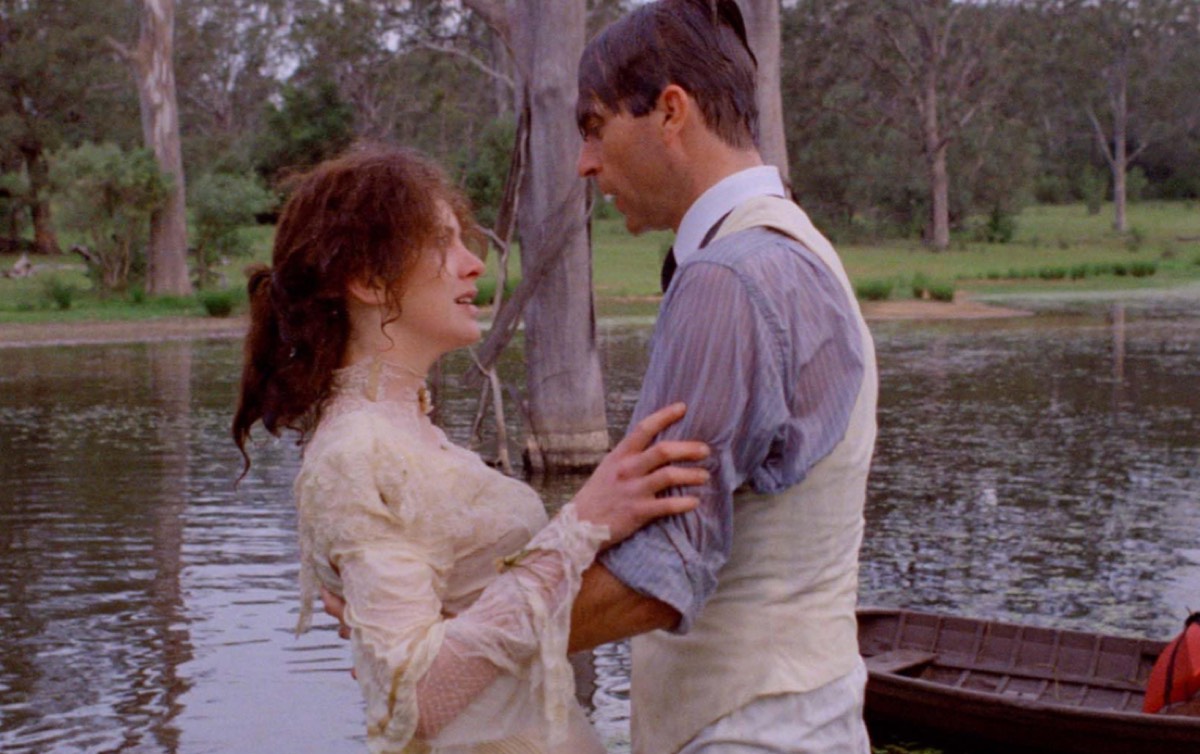
Director Gillian Armstrong’s 1979 period drama, based on a novel by Miles Franklin, was Neill’s first major role, and his performance established him as a rising romantic lead. Judy Davis stars as Sybylla, a rebellious young woman in 19th century Australia who longs to be a writer, but her traditionalist parents refuse to indulge those dreams, sending her to board with her wealthy grandmother instead.
Sybylla finds herself courted by a local jackaroo and by the eminently respectable and wealthy Harry (Neill). She eventually falls for Harry and finds herself torn between marrying him—which would delight both families—or holding out for her creative dreams. Neill is at his most handsome, charming heartthrob best here, and the film received an Oscar nod for its period costume design. It’s an understated, lovely gem of a film that deserves to be more well-known than it is.
The Piano (1993)
Credit:
Miramax
Credit:
Miramax
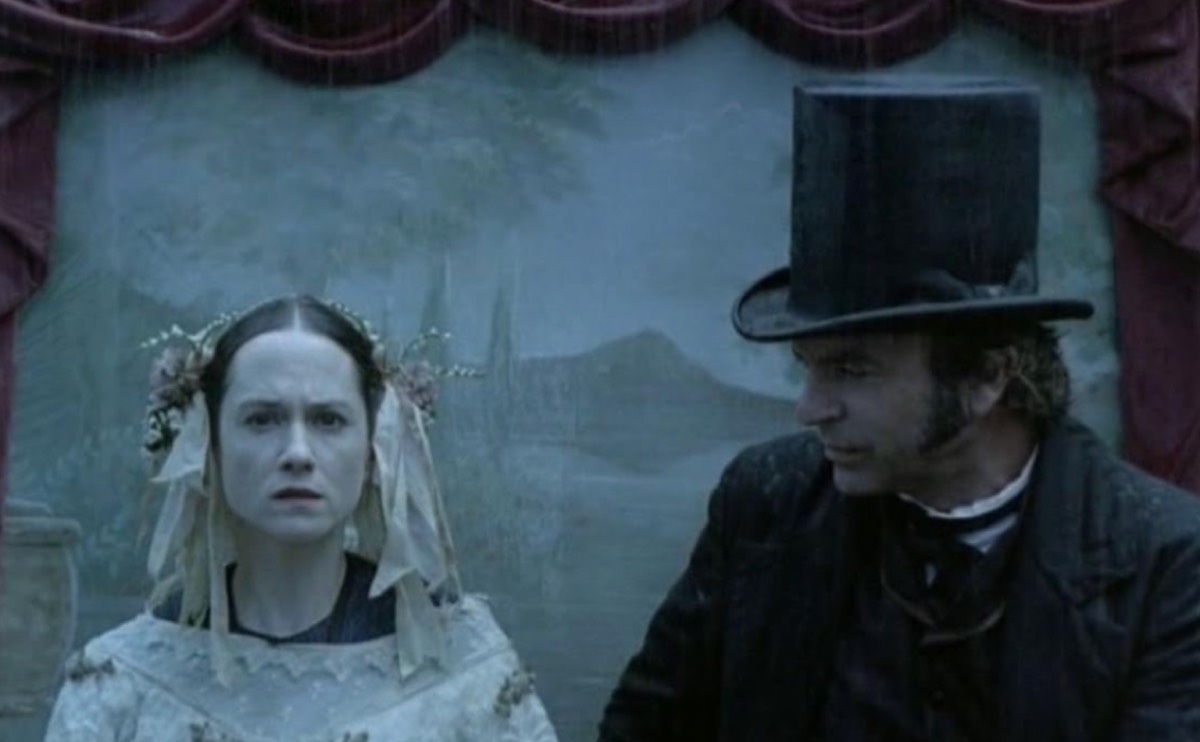
Neill took on a more villainous character in The Piano, which was partially inspired by Wuthering Heights and The African Queen, among other influences. Holly Hunter stars as Ada, a mute Scottish woman who hasn’t spoken since she was 6 years old, for undisclosed reasons. She has a daughter, Flora (Anna Paquin), and has refused to disclose who Flora’s father might be. The pair travel to colonial New Zealand for Ada’s arranged marriage to a local settler: Neill’s Alisdair Stewart.
It’s a harsher environment than Ada is used to, symbolized by the fact that Alisdair refuses to transport her beloved piano off the beach along with her other belongings, since the Maori crew isn’t large enough and he insists that here, everyone must make sacrifices. A retired sailor named George (Harvey Keitel) trades some of his land to Alisdair in exchange for the piano and lessons from Ada—although he’s also attracted to Ada. And ultimately, she succumbs, and Alisdair takes brutal revenge.
Neill was characteristically humble about his role in this haunting masterpiece. He’s not the star—the film largely centers on Ada’s relationship with George and growing conflicts with her daughter—but his performance effortlessly fills in the gaps in critical scenes. In his hands, Alisdair is more than just a one-dimensional jealous, vengeful husband: uncouth, yes, and sometimes brutal, like the wild, untamed colonial world he inhabits, but ultimately also yearning for Ada’s love and frustrated by her utter indifference to him.
Jurassic Park (1993)
Credit:
Universal Pictures
Credit:
Universal Pictures
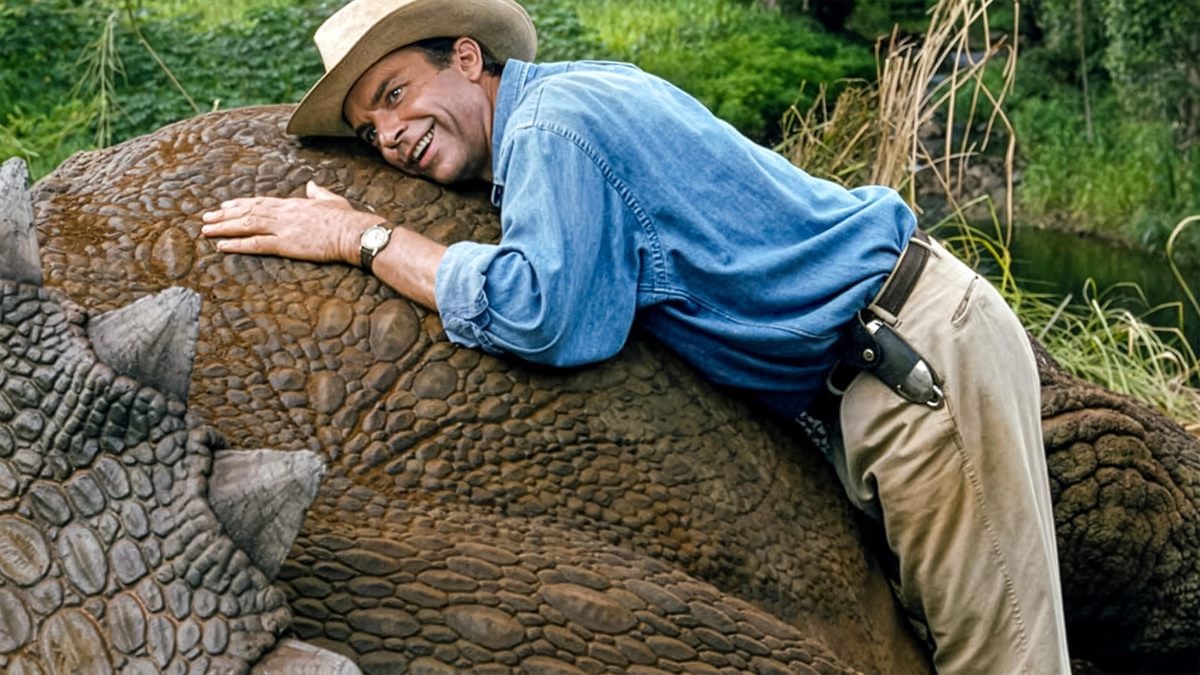
Jurassic Park is widely regarded as one of the best blockbuster action films of all time and needs no introduction to Ars readers. It won three Oscars for visual effects and sound design, bringing dinosaurs to awe-inspiring cinematic life with at least a few nods to scientific accuracy, based on what was known to paleontologists at the time. (Some artistic license was inevitable.) The film taught the world to fear velociraptors, introduced audiences to chaos theory, and spawned a billion-dollar franchise.
During its initial run, some critics dinged the film for having dry, flat, and uninteresting human characters compared to the larger-than-life dinos. There’s some truth to that, although who could fault Jeff Goldblum’s delightful take on bad-boy mathematician Ian Malcolm? And it’s Neill’s star turn as Alan Grant that grounds the film as the protector/father figure to the park founder’s visiting grandchildren—despite not liking kids in general, to his fiancée’s (Laura Dern) wryly amused chagrin. His character certainly had the most interesting arc. Bonus: His portrayal of Grant inspired a whole new generation of scientists.
Snow White: A Tale of Terror (1997)
Credit:
PolyGram Filmed Entertainment
Credit:
PolyGram Filmed Entertainment
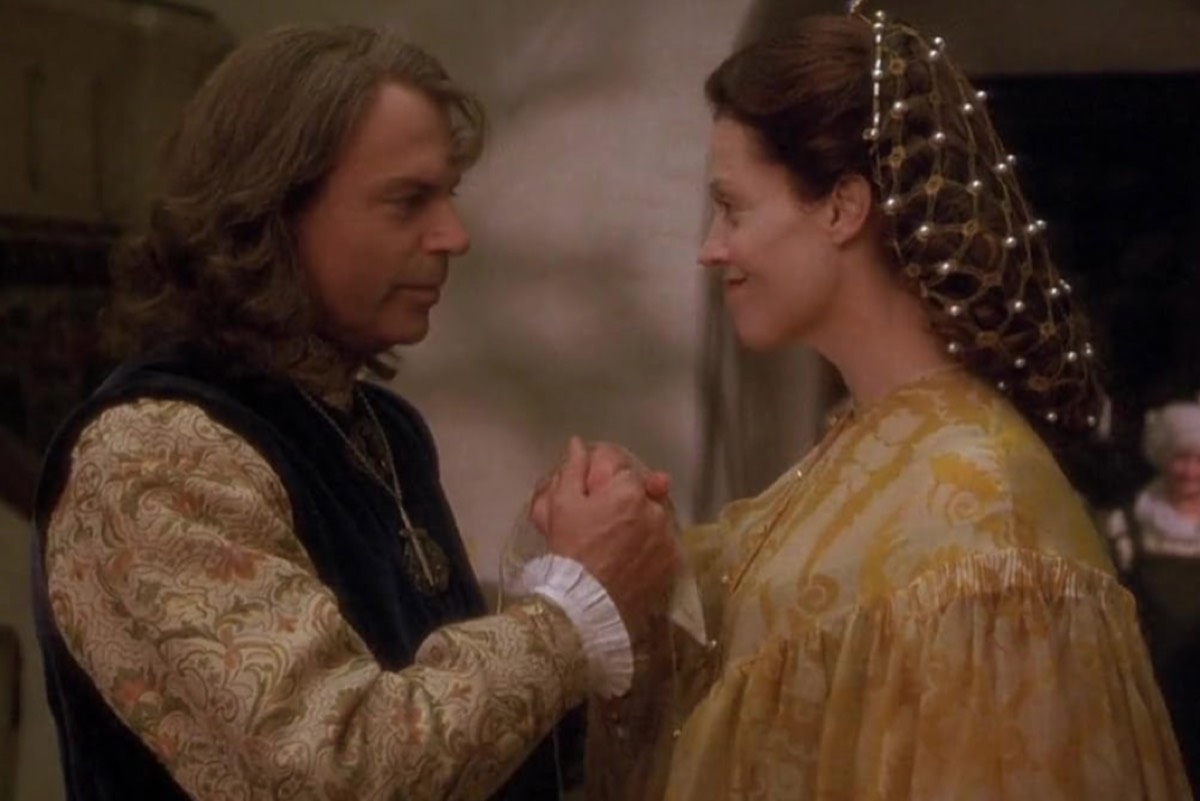
Not everyone loved this ambitious Gothic horror retelling of the classic fairy tale, but it’s one of my “hidden gem” favorites. Director Michael Cohn worked hard to capture the darker, violent aspects of the Brothers Grimm, setting the events in 1493 Germany. Neill plays Baron Frederick Hoffman, whose pregnant wife, Lilliana, is killed one night when wolves attack their carriage as they travel home through the woods. Frederick essentially performs a C-section to save their daughter and names her after her mother: Lilli (Monica Keena) for short.
Seven years later, Frederick remarries, bringing home French noblewoman Claudia (Sigourney Weaver) and Claudia’s prized possession: a magical vanity mirror. The young Lilli naturally resents her stepmother, and relations are strained as the two vie for Frederick’s affection and attention. Things come to a head when a now-teenaged Lilli makes a dramatic entrance at a party clad in her late mother’s ball gown. Frederick’s delighted response enrages a pregnant Claudia so much that she miscarries, unable to have any more children.
Lilli flees her home to escape Claudia’s revenge (and her descent into madness) and is befriended by a group of social outcasts rather than dwarves. Once again, Neill knocks it out of the park in a crucial supporting role: a loving, well-meaning, kind-hearted widower trying to keep the two women in his life happy. Weaver is equally spectacular as Claudia, the costumes are gorgeous, and on the whole, it’s a good, bloody reinvention of Snow White that stands in stark contrast to the sanitized Disney version.
The Dish (2000)
Credit:
Roadshow Entertainment
Credit:
Roadshow Entertainment
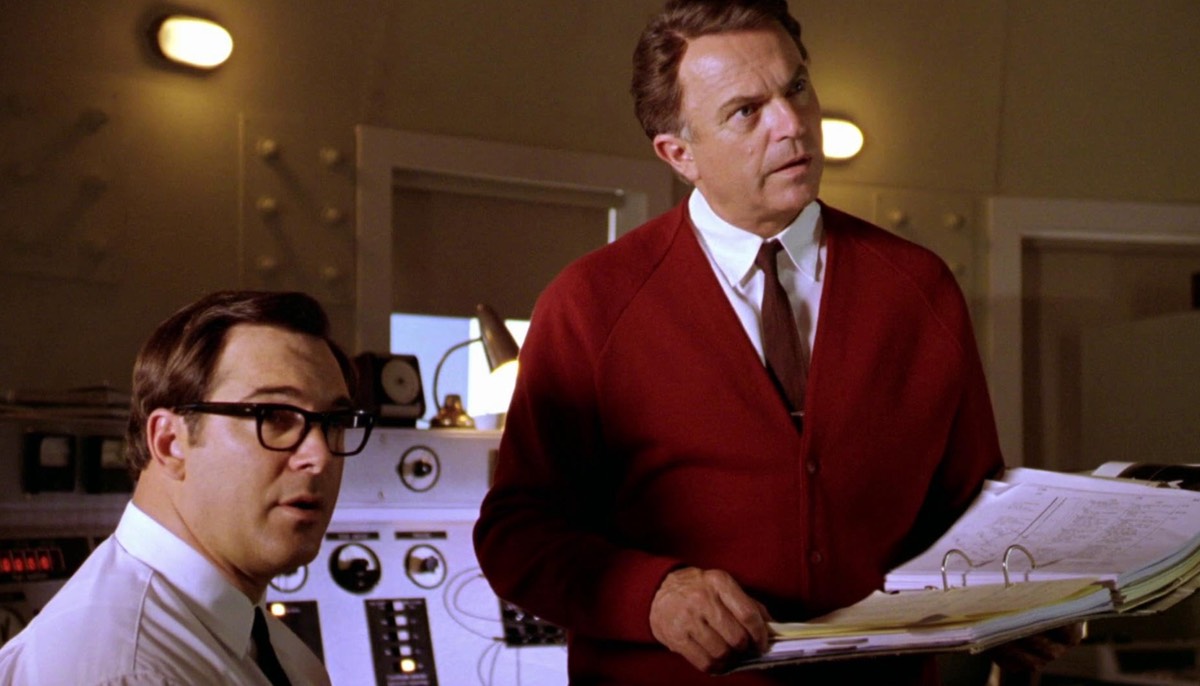
Director Rob Sitch (The Castle) based this 2000 film on actual historical events, albeit taking a few liberties and using fictional characters. The film focuses on the critical role played by Australia’s Parkes Observatory in broadcasting the historical Apollo 11 moon landing in 1969. There’s a present-day framing device, but much of the film takes place in 1969, recounting the unexpected challenges placed on the observatory’s intrepid staff as they struggle to fulfill their scheduled stint as the mission’s main receiver.
This is Neill as the likable everyman, in this case, the observatory’s lead scientist, Cliff Buxton, calmly responding to crisis after crisis when everyone around him is losing their cool. The historical details are fudged a bit, but the Parkes Observatory team really did risk their own safety and that of their dish as it was buffeted by 60 mph winds in an unexpected storm, keeping the dish pointed at the Moon so the world could experience the transmitted video footage live. The Dish was Australia’s top-grossing film in 2000 but didn’t get a US theatrical release, which is a shame, but it did place second in the People’s Choice Award at the Toronto International Film Festival that year (beaten by Crouching Tiger, Hidden Dragon).
Hunt for the Wilderpeople (2016)
Credit:
Madman Films and Piki Films
Credit:
Madman Films and Piki Films
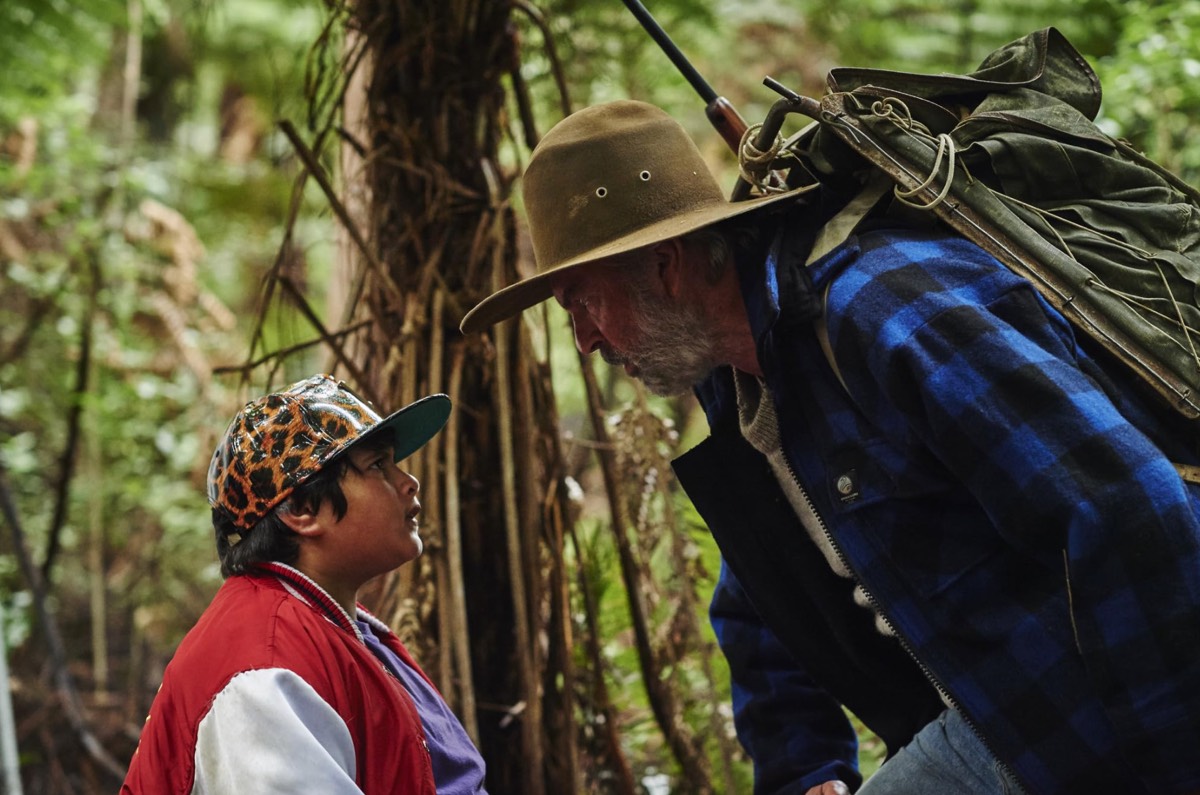
Hunt for the Wilderpeople remains my favorite of Taika Waititi’s films, a quirky adventure comedy-drama that epitomizes Waititi’s distinctive style as a filmmaker. Neill plays Hector, who reluctantly agrees to foster a young boy named Ricky (Julian Dennison) at his wife, Bella’s (Rima Te Wiata), urging, since the couple is childless. Hector mostly ignores the boy, preferring to go out hunting with his dog, but when Bella dies from a sudden stroke, Ricky tries to fake his own death to avoid going back into the system and runs into the bush. Hector goes after him, hurts his ankle, and the pair are forced to stay in the bush until the injury heals.
Meanwhile, a nationwide manhunt is brewing, as foster agent Paula Hall (Rachel House) mistakenly assumes Hector has kidnapped Ricky and has been molesting him. It’s part road movie, part comedy of errors, and of course the antagonism between Hector and Ricky gradually thaws into grudging friendship—and maybe, if they can get out of their predicament, “found family.”
Rams (2020)
Credit:
Roadshow Films
Credit:
Roadshow Films
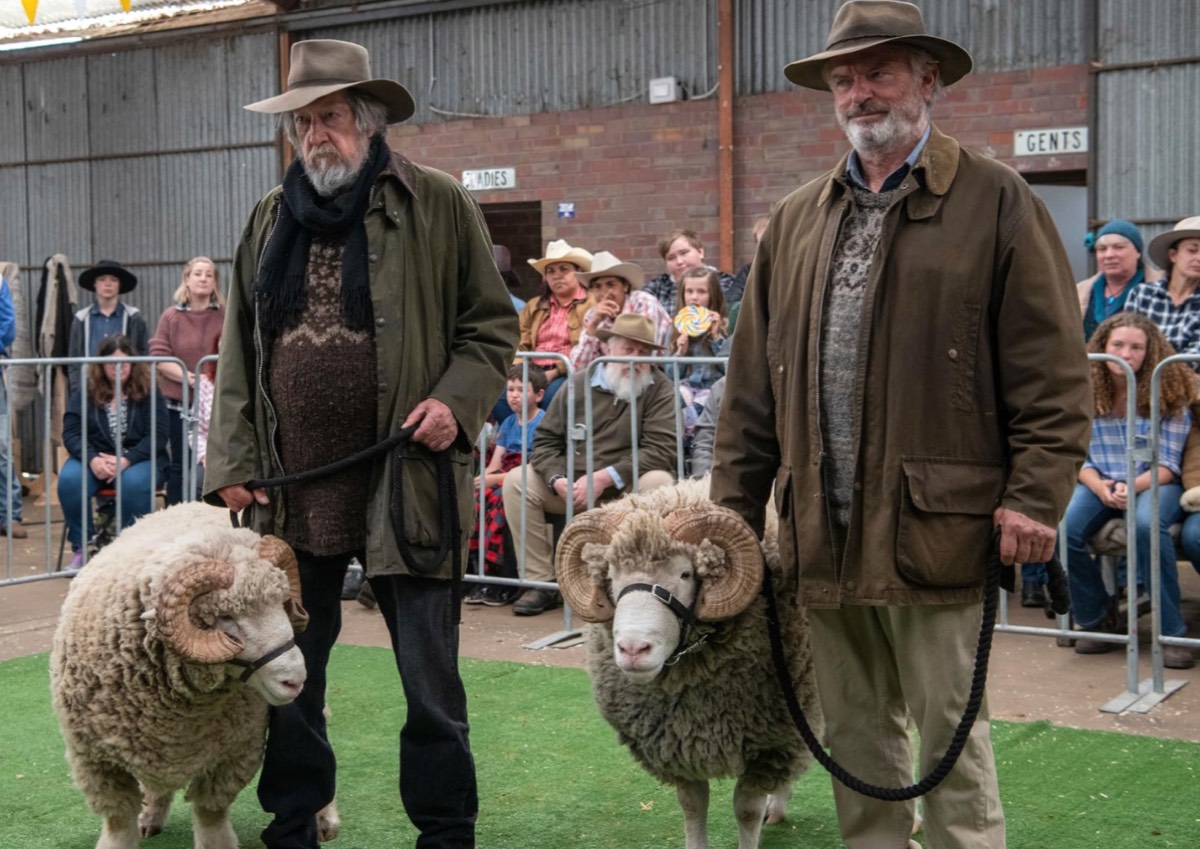
Chances are you missed this delightful Australian comedy-drama from director Jeremy Sims—a remake of sorts of a 2015 Icelandic drama—given that it came out during the COVID pandemic and, like The Dish, didn’t get a theatrical release in the US. Neill co-stars as Colin, a sheep farmer in remote Western Australia, who has been engaged in a yearslong feud with his sheep farming brother Les (Michael Caton).
They keep their prized flocks largely separate until one of Les’ sheep comes down with a rare fatal illness. Authorities want to purge all the sheep to prevent the disease from spreading, and the two brothers must figure out how to work together to save their respective flocks. It’s a role perfectly suited to Neill, who certainly knew his way around livestock; here he got to work with several Dorset Horn sheep, an endangered species prized for their curved horns. He and Caton have great on-screen chemistry, too, expertly hitting the comic and dramatic beats as needed. It’s well worth a watch.
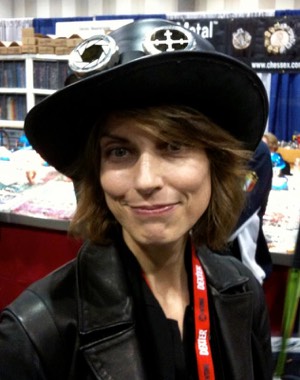
Jennifer is a senior writer at Ars Technica with a particular focus on where science meets culture, covering everything from physics and related interdisciplinary topics to her favorite films and TV series. Jennifer lives in Baltimore with her spouse, physicist Sean M. Carroll, and their two cats, Ariel and Caliban.







 English (US) ·