
 Image via Miramax Films
Published Sep 3, 2026, 11:03 PM EDT
Thomas Butt is a senior writer. An avid film connoisseur, Thomas actively logs his film consumption on Letterboxd and vows to connect with many more cinephiles through the platform. He is immensely passionate about the work of Martin Scorsese, John Ford, and Albert Brooks. His work can be read on Collider and Taste of Cinema. He also writes for his own blog, The Empty Theater, on Substack. He is also a big fan of courtroom dramas and DVD commentary tracks. For Thomas, movie theaters are a second home. A native of Wakefield, MA, he is often found scrolling through the scheduled programming on Turner Classic Movies and making more room for his physical media collection. Thomas habitually increases his watchlist and jumps down a YouTube rabbit hole of archived interviews with directors and actors. He is inspired to write about film to uphold the medium's artistic value and to express his undying love for the art form. Thomas looks to cinema as an outlet to better understand the world, human emotions, and himself.
The confidence it took for Joel and Ethan Coen to conclude their Best Picture-winning masterpiece, No Country for Old Men, with just an ambiguous five-word line was unfathomable, but then, few directors have a cinematic touch as distinctive as the two brothers'. The oft-discussed ending of their 2007 crime-thriller/neo-Western, based on the novel by Cormac McCarthy, ends on a solemn, elliptical note, as Sheriff Ed Tom Bell (Tommy Lee Jones) recalls two of his dreams to his wife while sitting at the table. However, as is the case with most dreams, Bell can't come to any definitive conclusions about his. Not only does his monologue end with "And then I woke up," but so does the film, an ending that instantly became classic. No Country for Old Men's ending was a fitting coda to the neo-Western, and one that speaks to the dark essence of humanity.
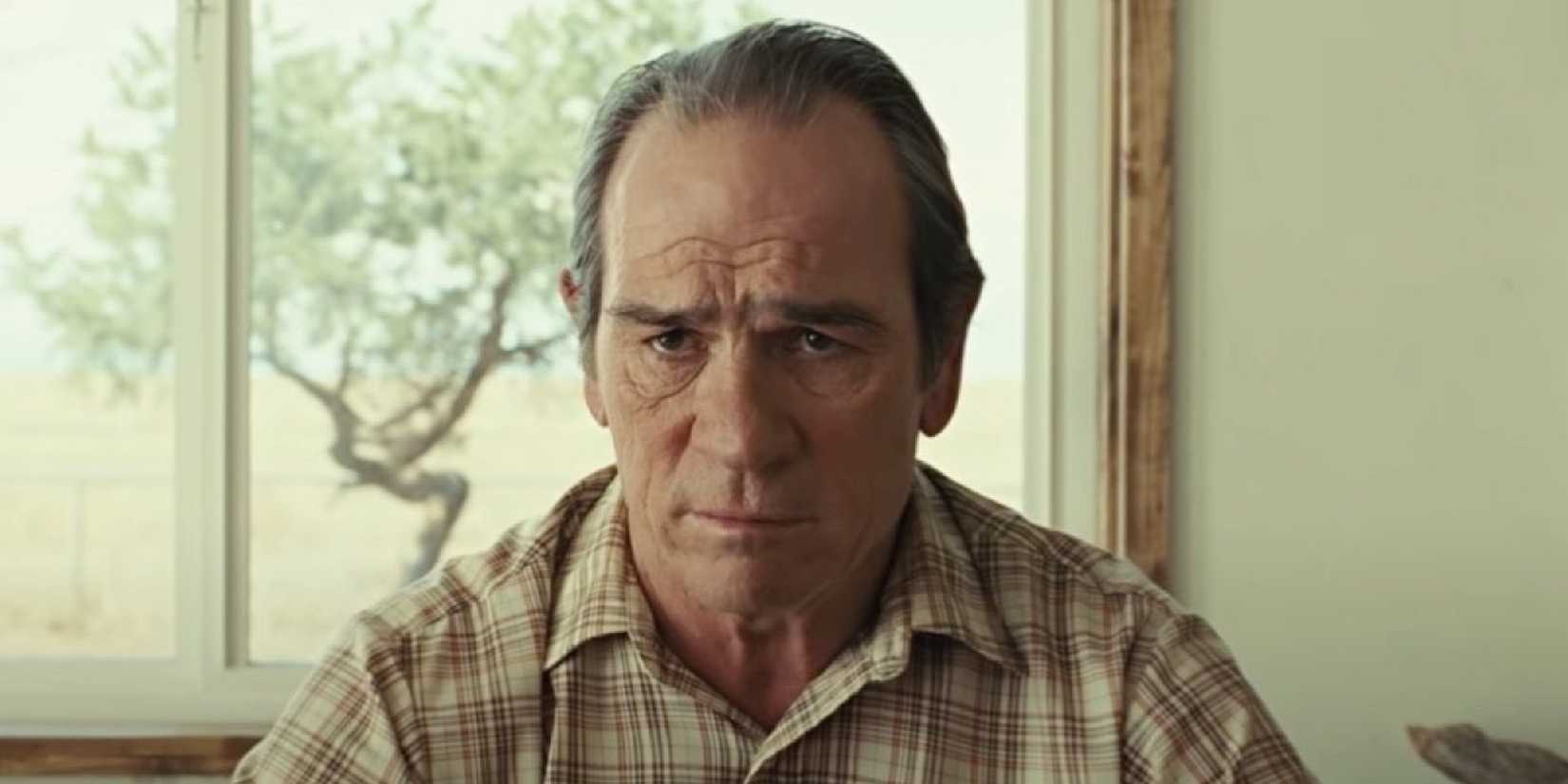 Image via Miramax Films
The first two-thirds of No Country for Old Men is an invigorating and tense cat-and-mouse chase between hunter Llewelyn Moss (Josh Brolin) and contract killer Anton Chigurh (Javier Bardem), after the former finds a stash of cash from a drug deal gone wrong, and the latter is hired to recover it. The film redefined cinematic language with its sparse use of sound, leaving you holding your breath in each scene. Even with the barest amount of dialogue, the Coens flesh their characters out with rich detail. However, No Country takes a drastic turn after its ostensible protagonist, Moss, is suddenly killed off-screen by an unknown party, evoking the random nature of violence. In this world, crime goes unpunished, as the sociopathic Chigurh walks away scot-free after being aided by teen pedestrians following a car crash.
All we're left with is the even more confused Bell, who is one step behind the drug money investigation throughout the film; these instances leave him unable to wrap his mind around the modern criminal lifestyle. Rather than any chaotic shootout, No Country ends on perhaps the Coens' most somber note, as Bell projects his lost, vacant mind onto the screen with his description of the dreams, one of which involves his father lending him money, and the other being about riding through the mountains on horseback with his father, only to watch him ride past. Upon catching up to his father, Bell woke up, and the film cut to black.
These dreams have multiple interpretations, but the clearest centers around the modern individual's primordial obsessions with money, mortality, and the prevailing hope for approval from one's father. Although Marge Gunderson (Frances McDormand) of Fargo insisted that there was more to life than a little money, the world of No Country is ignorant of that axiom, as everything that transpired, from Moss' reckless seizure of the drug money to Chigurh's bloodshed, stemmed from someone's desire to get richer. This was a stark realization for Bell, and his subconscious is reinforcing this reality. In the Western world, death comes for us all, and even dreams, like the ones cut short in Bell's sleep, are susceptible to the utter mortality of this life.
'No Country for Old Men's Ending Reflects the Mortality of the Modern Western
2007 is celebrated as a watershed year of modern cinema, and it was a year headlined by bleak, punishing films about violence, greed, and the grave uncertainty of the future with no proper resolutions. Along with There Will Be Blood and Zodiac, No Country for Old Men was the perfect movie for its time, as America felt defeated by the aftershocks of the ongoing wars in the Middle East. While dreams in our lives often end abruptly without proper resolution, the sincerity in Bell's voice reveals a dark, harrowing void in his soul. In the dreamworld and reality, old timers like Sheriff Bell are collateral damage in the nihilistic pursuit of wealth. During this extended cat-and-mouse chase, death is the only certainty. Bell feels powerless, which many emotionally battered Americans related to in 2007.
The cut-and-dried, unromantic delivery by Tommy Lee Jones, in one of his finest moments as an actor, echoes the same cold and calculating disposition of Anton Chigurh, who slaughters people like farm animals. In the modern Western world, one that exists in the aftermath of Clint Eastwood's totemic revisionist Western, Unforgiven, there is little separation between the upstanding law officers and the savage outlaws. By the end of No Country for Old Men, everyone succumbs to the despair of the new world.
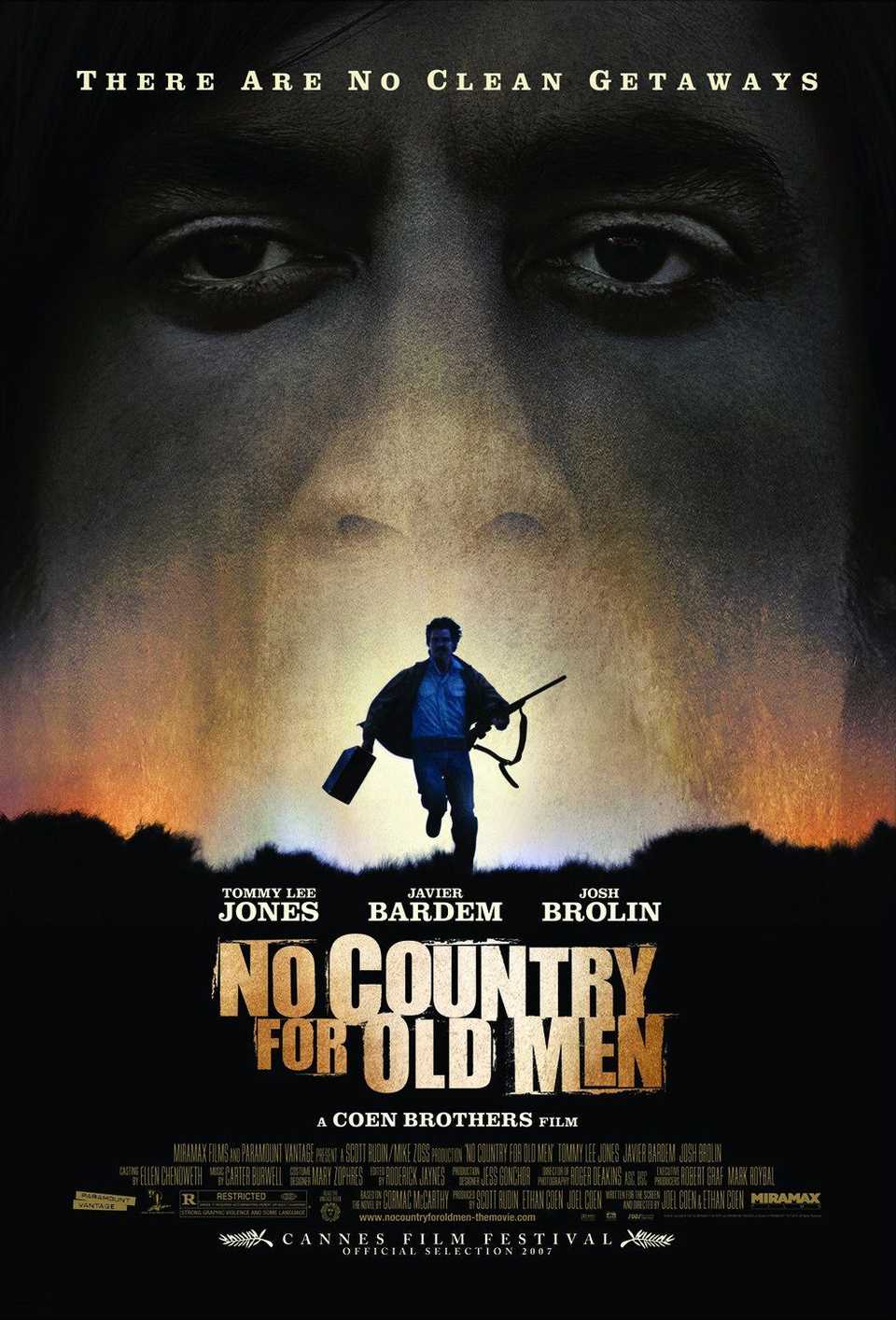
No Country for Old Men
Release Date November 21, 2007
Runtime 122 minutes
Director Joel Coen, Ethan Coen
Writers Ethan Coen, Joel Coen





 English (US) ·