
 2 hours ago
9
2 hours ago
9
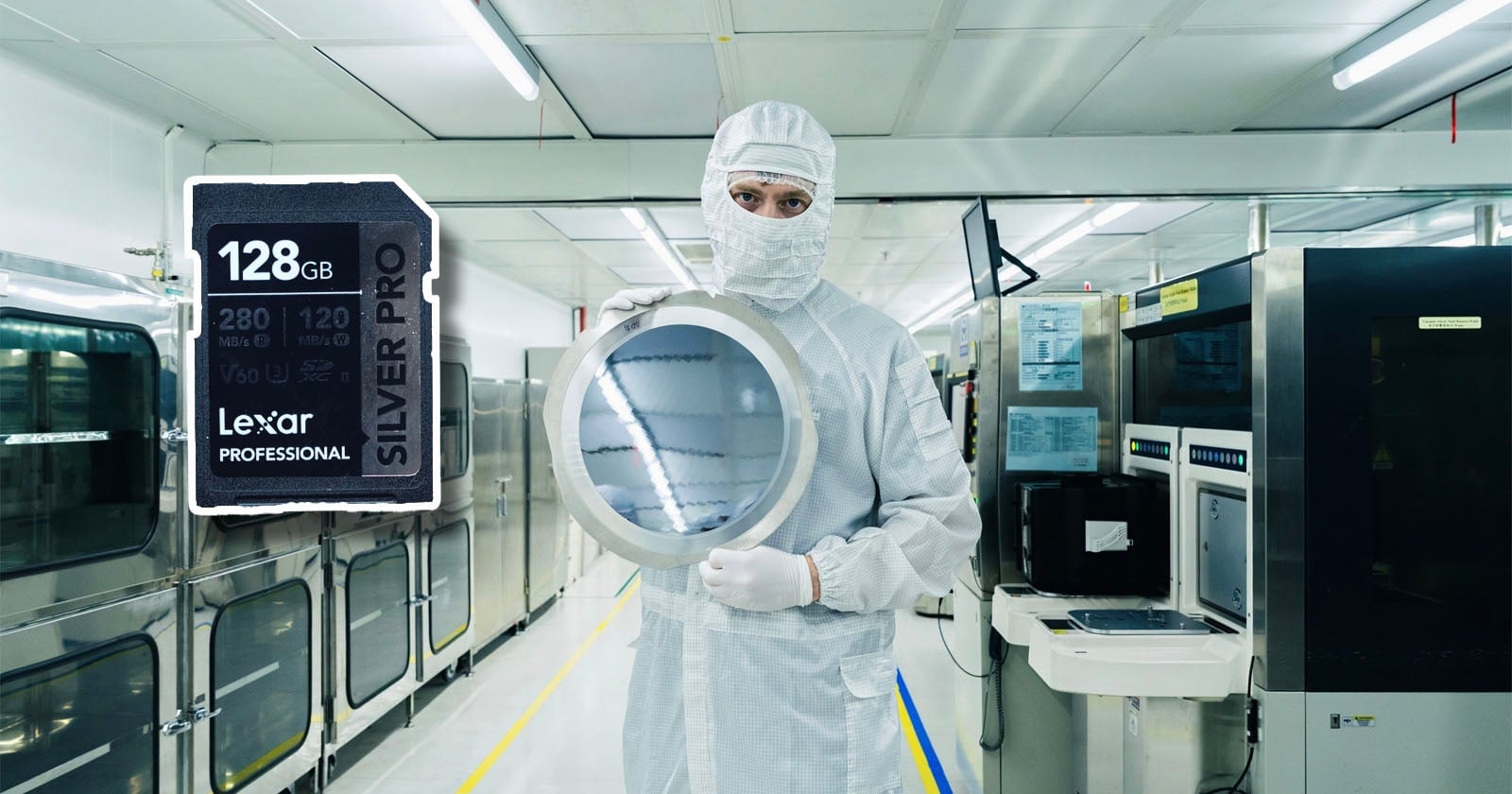 Holding a silicon wafer inside the Longforce Production Line in Suzhou.
When it comes to memory cards, most photographers just want them to work, have blistering specs, and be kind to their wallet. But which brand to choose? Last week PetaPixel took a trip to China to check in with one of the main players, Lexar.
Lexar, founded in San Jose, California, 30 years ago in 1996, was sold by Micron to Chinese conglomerate Longsys in 2017. Many wondered whether this huge move would damage the brand or improve it.
Disclosure: Lexar provided PetaPixel with travel and accommodations for the purposes of this article. It had no input on content and all opinions shared are those of PetaPixel.
In an act of good faith, Lexar invited tech media to look around its facilities in Suzhou, which is near Shanghai, and Zhongshan, near Shenzhen — China’s answer to Silicon Valley.
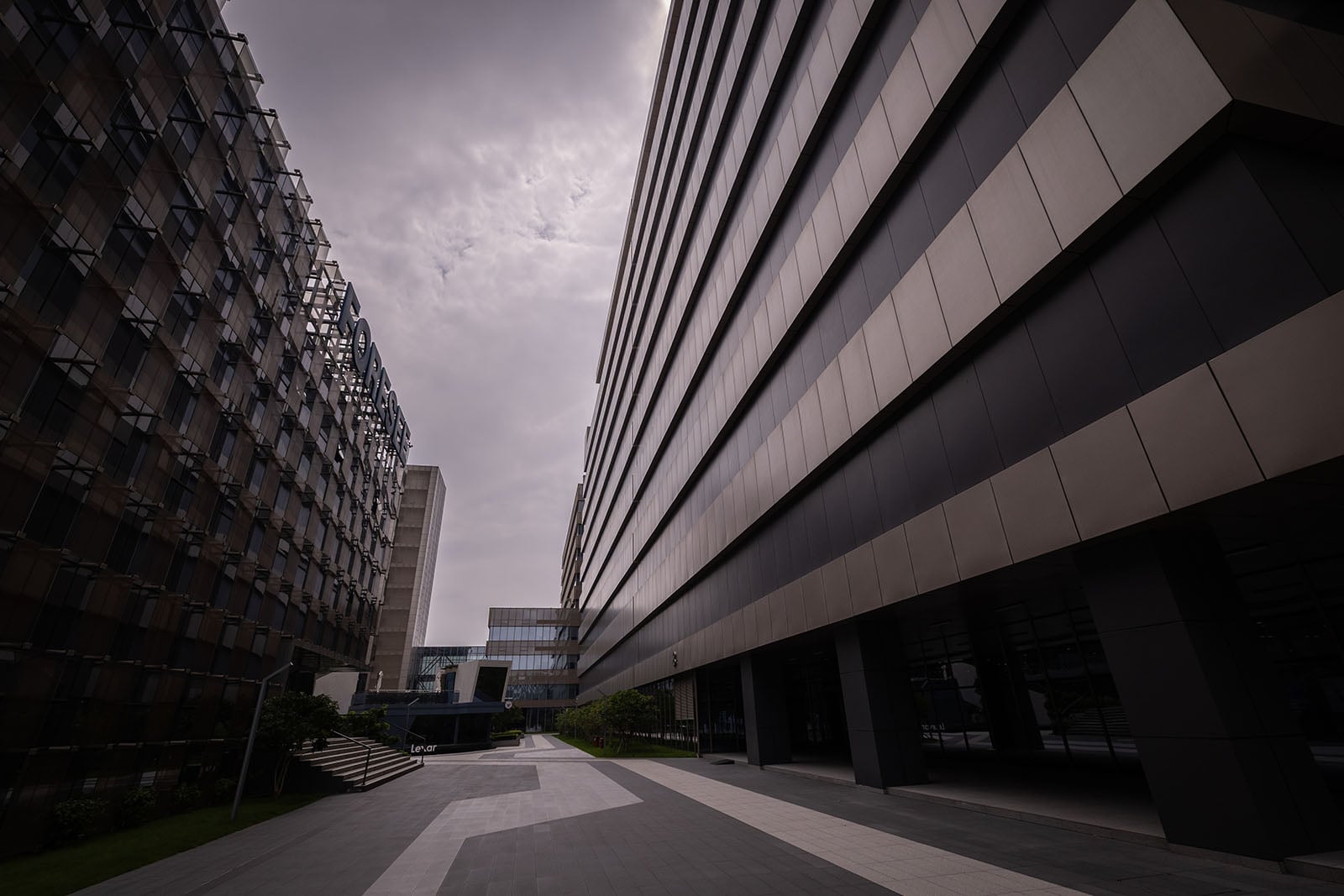 The Zhongshan Longsys Storage Industrial Park.
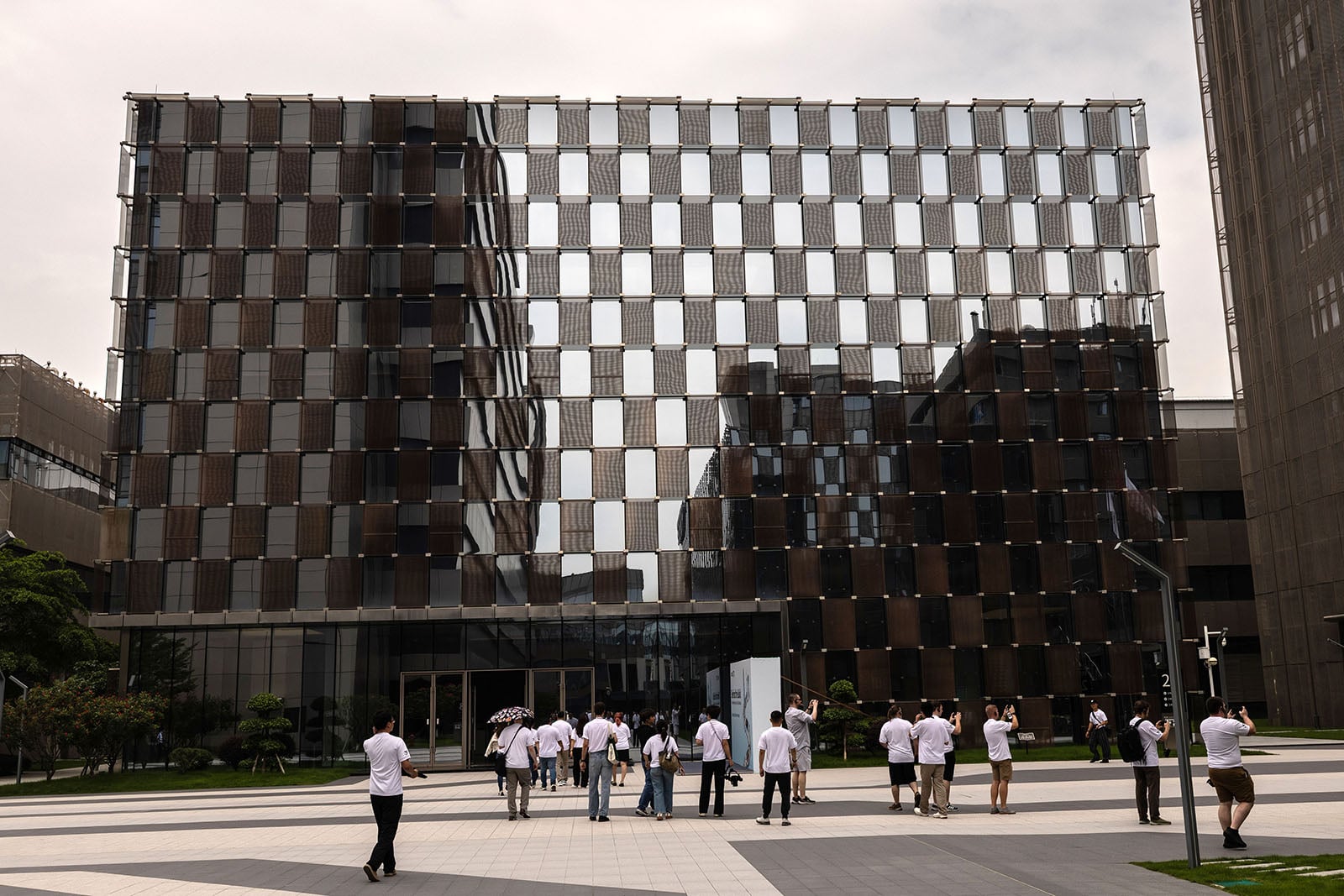 SD card facade.
Fully opened in 2024, the Zhongshan campus, which also houses other Longsys memory brands, is a sleek, sprawling location that features buildings with facades finished to look like SD cards. It boasts a memory museum, a koi carp pond, a soccer pitch, and machines — lots and lots of machines.
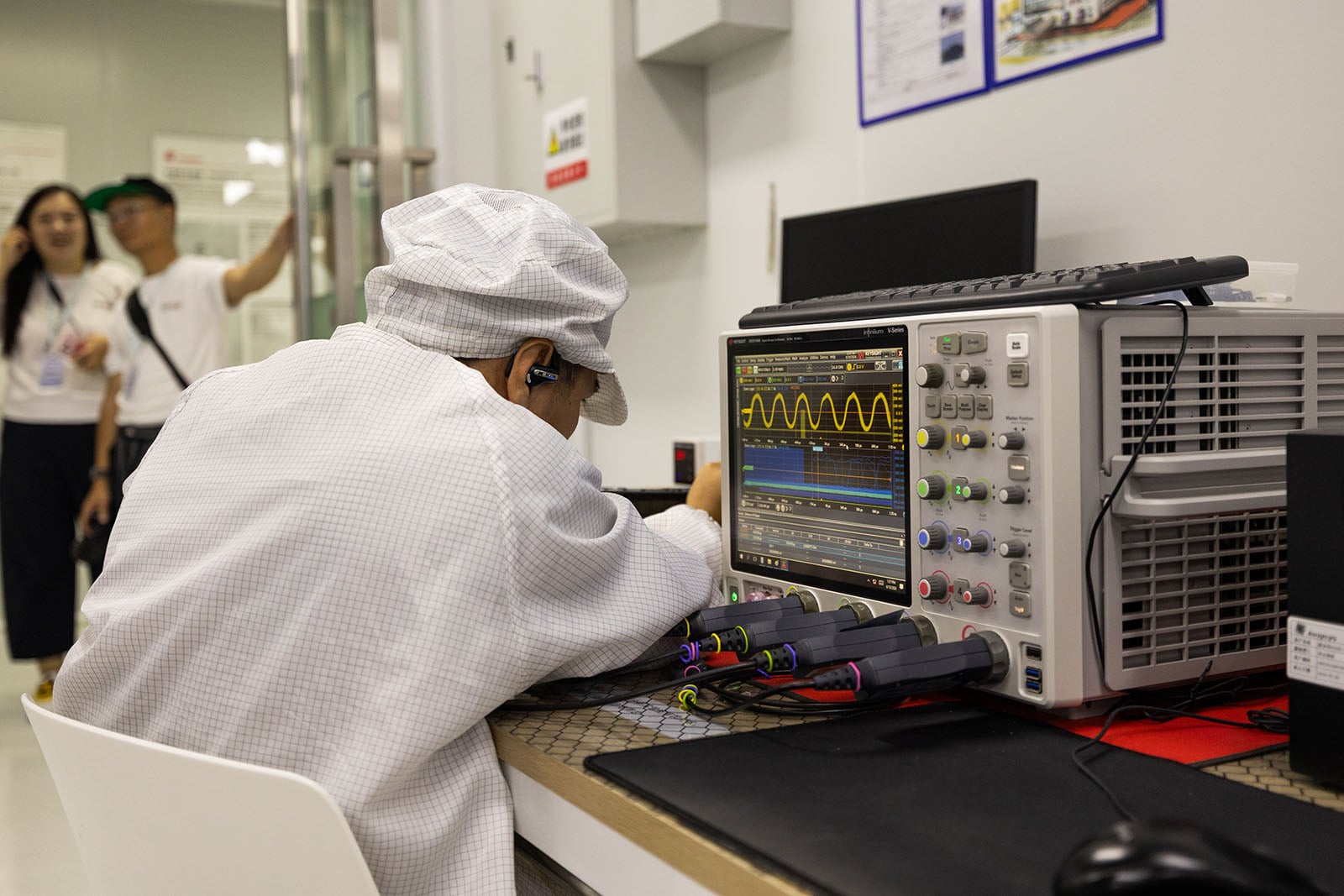
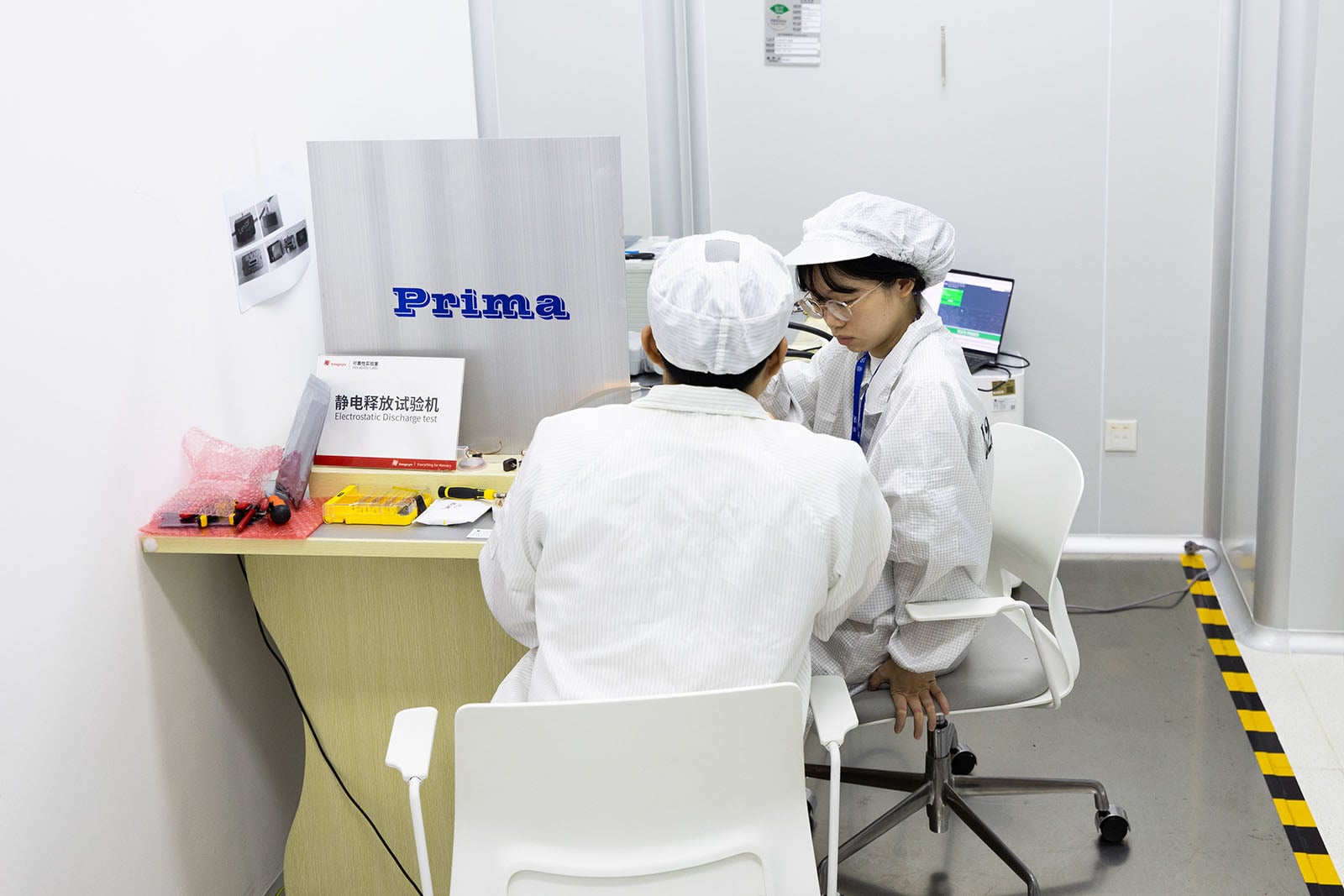
“This one costs 30 million RMB [$4.4 million],” a tour guide proudly says. Some of the machines were researched, designed, and built by Lexar itself. There are little ones, big ones, medium-sized ones; most of them are in cases; workers in hazmat suits flit between them, marking down notes and consulting colleagues.
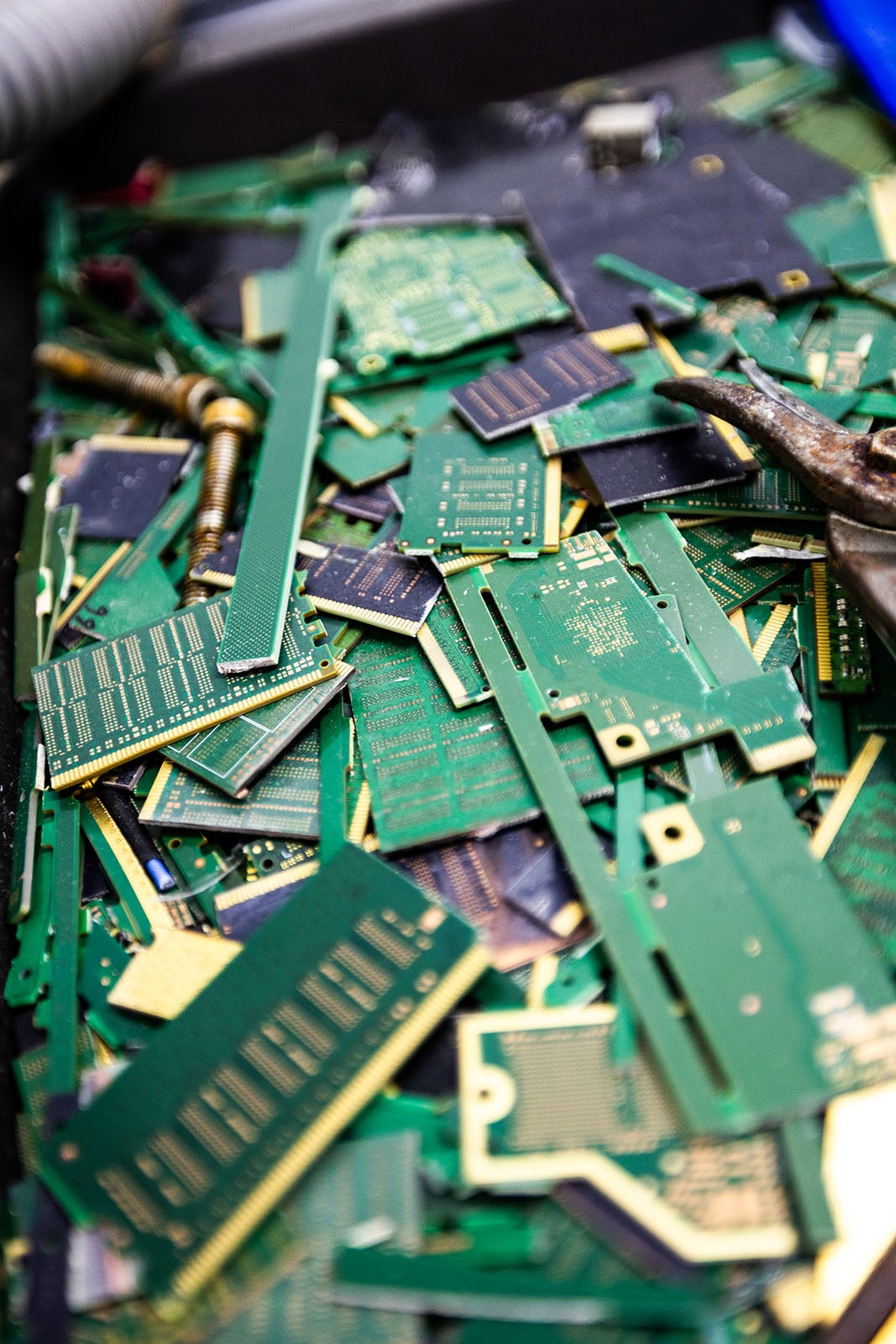
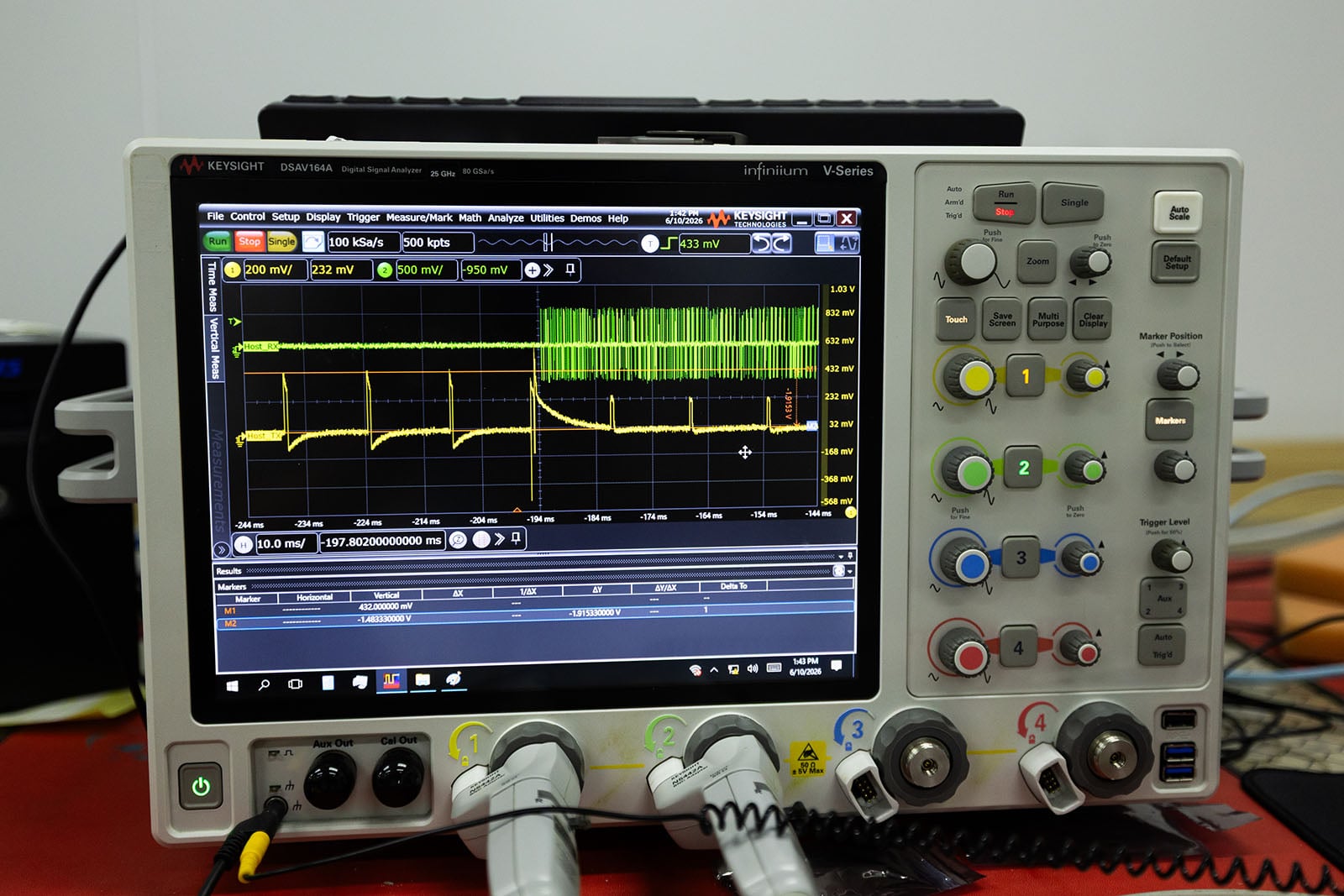
But what do the machines do exactly? Well, it’s mainly testing. The comprehensive setup pushes CFExpress Cards, SD Cards, and SSDs to their absolute limit, testing the storage solutions in extreme cold as well as extreme heat. There’s even a designated drop test for the Calamity Janes out there.
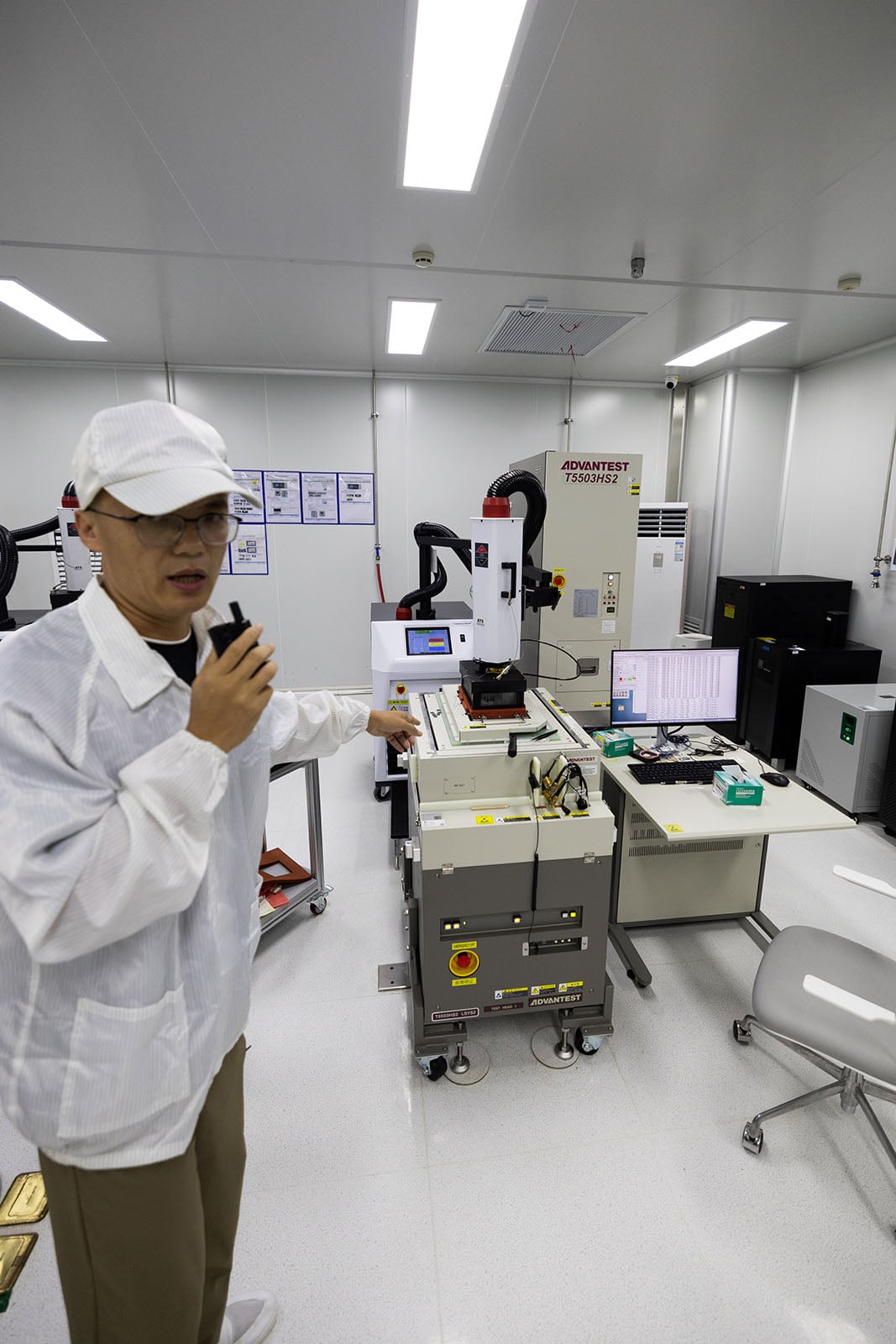
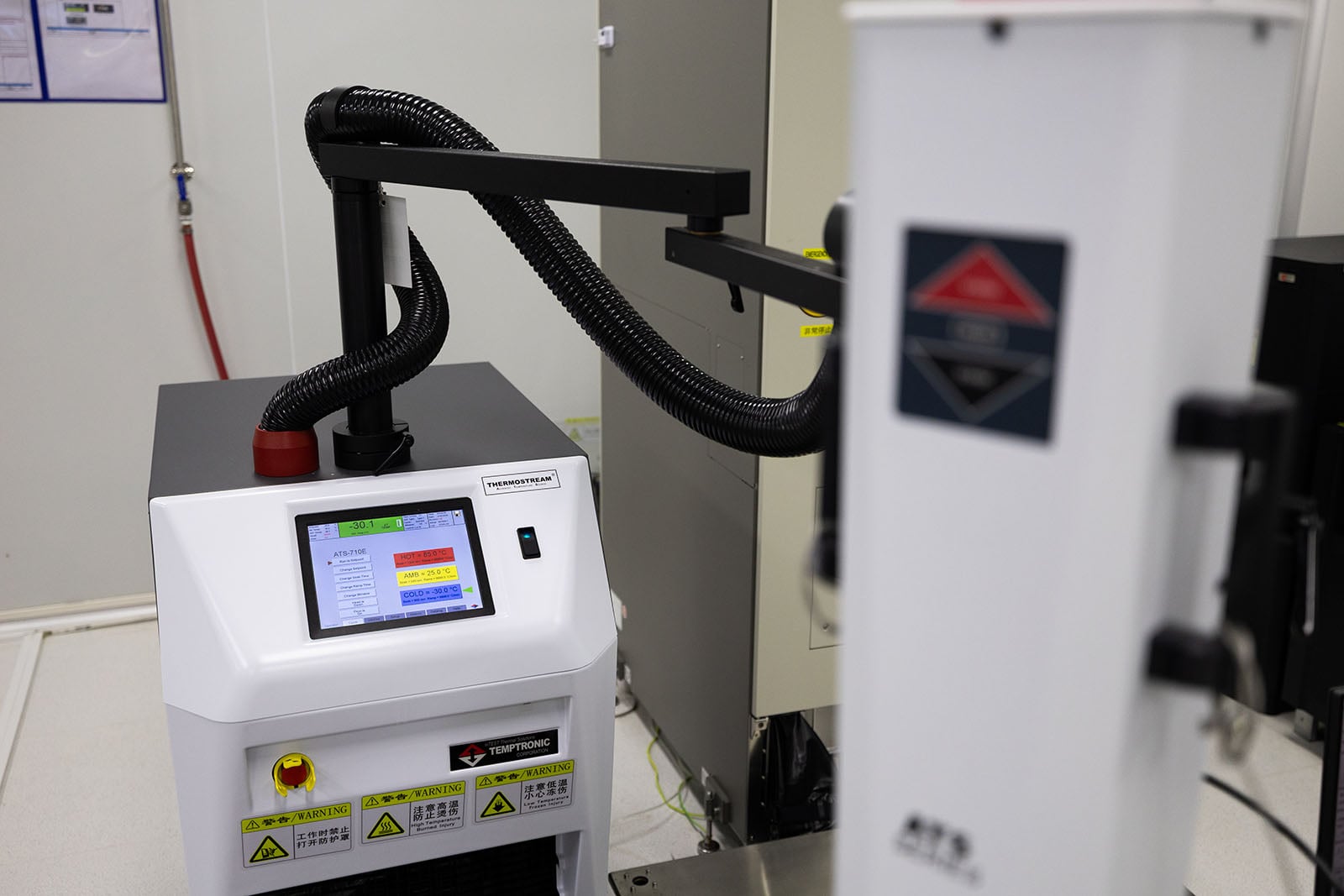
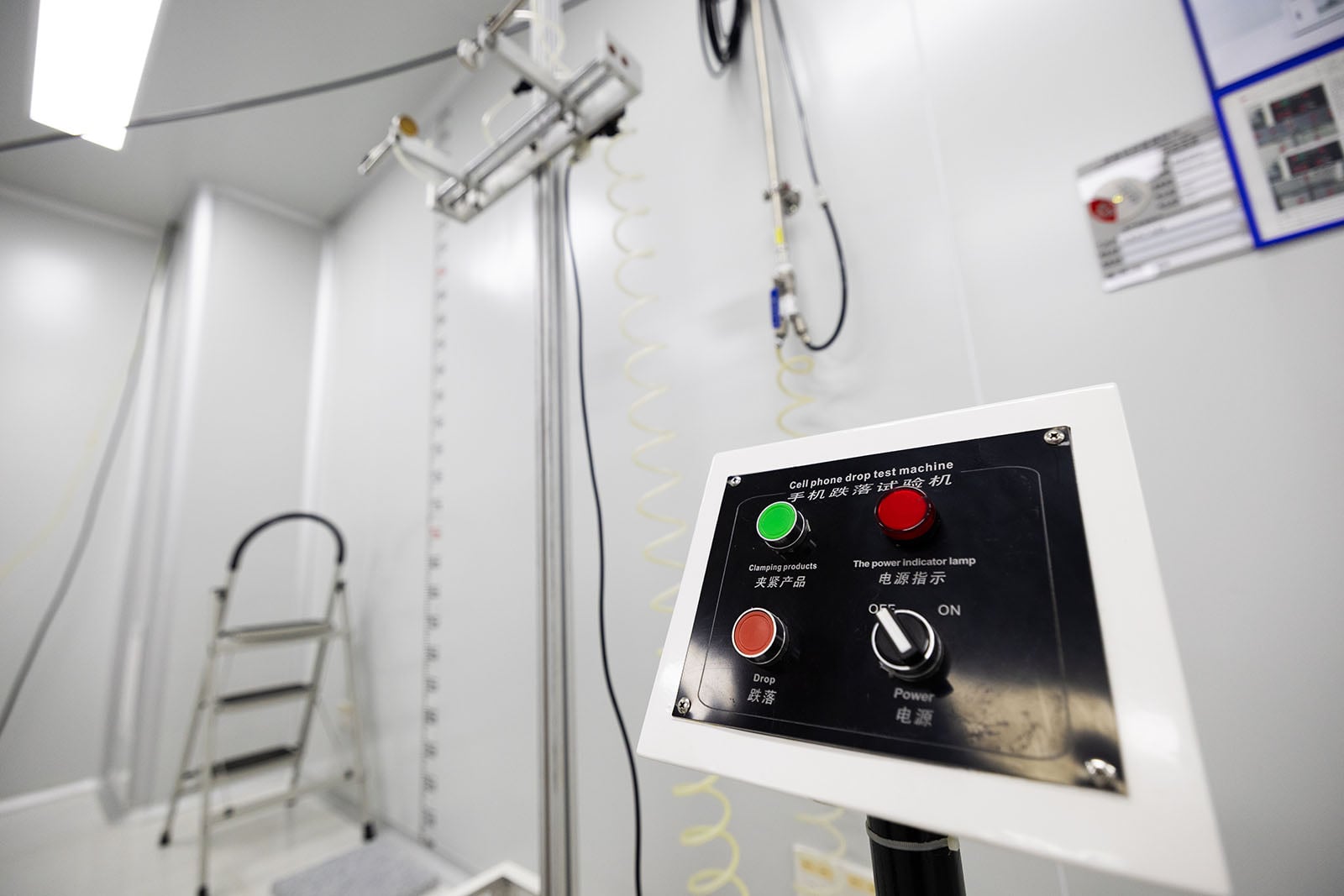
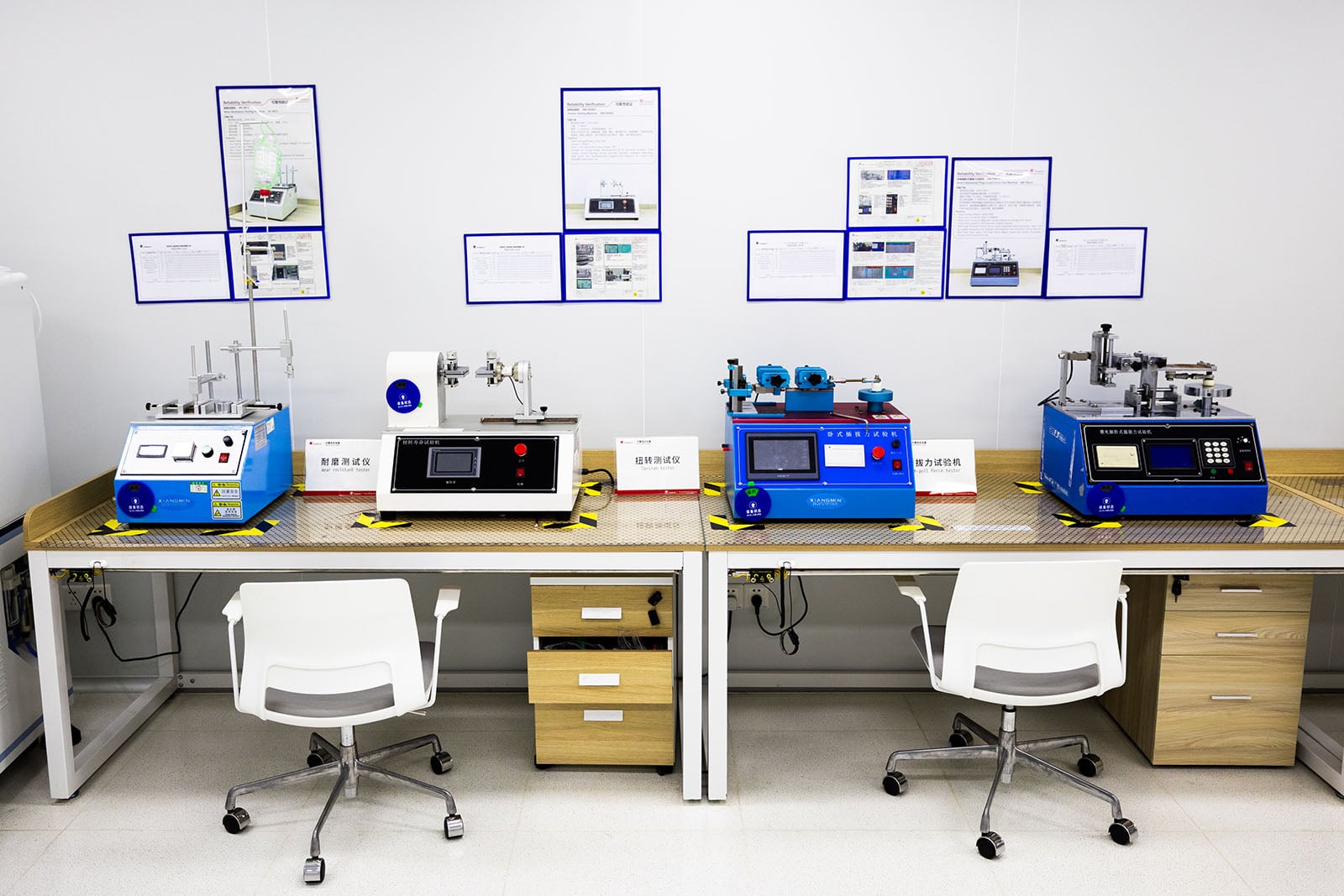
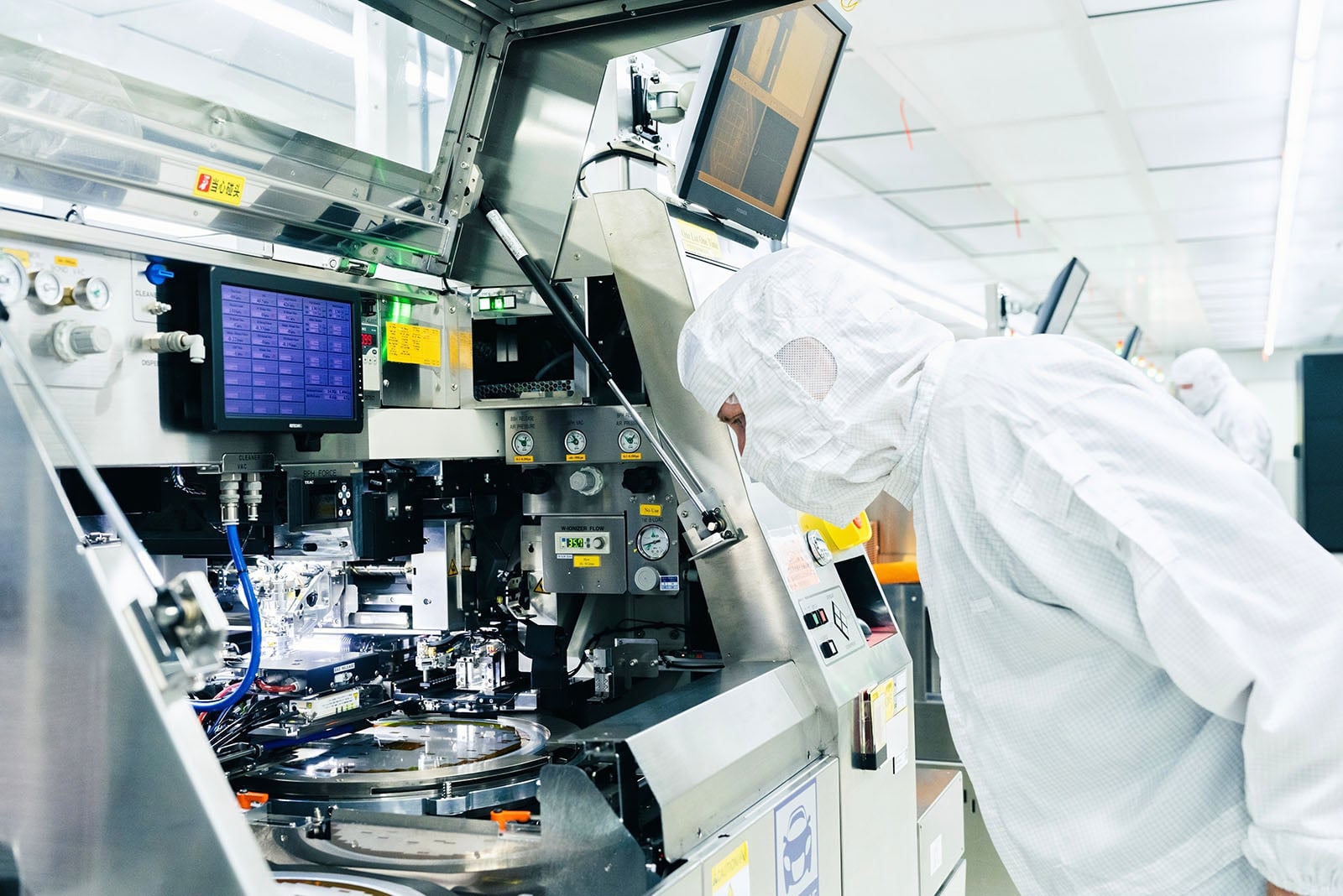
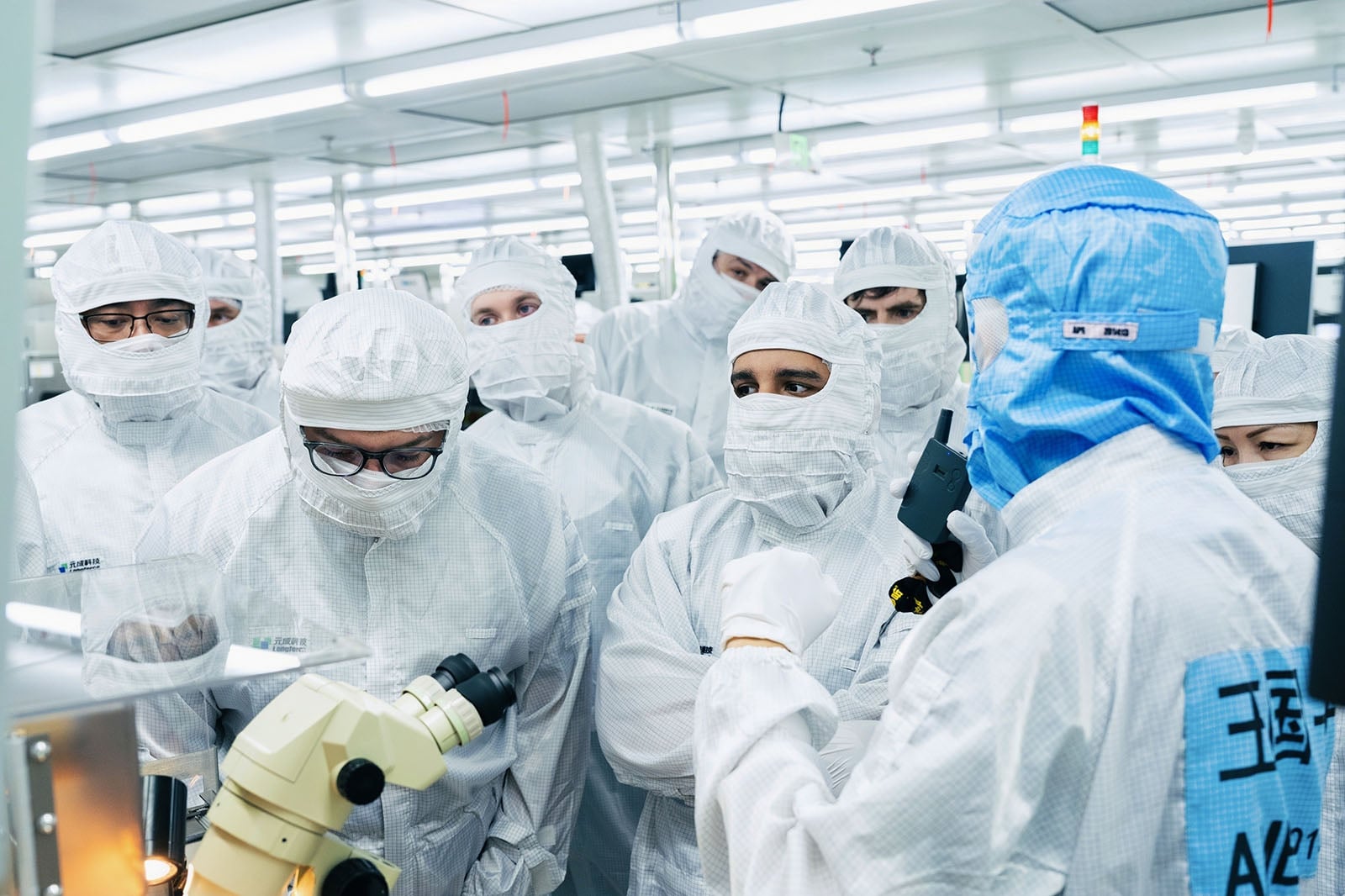
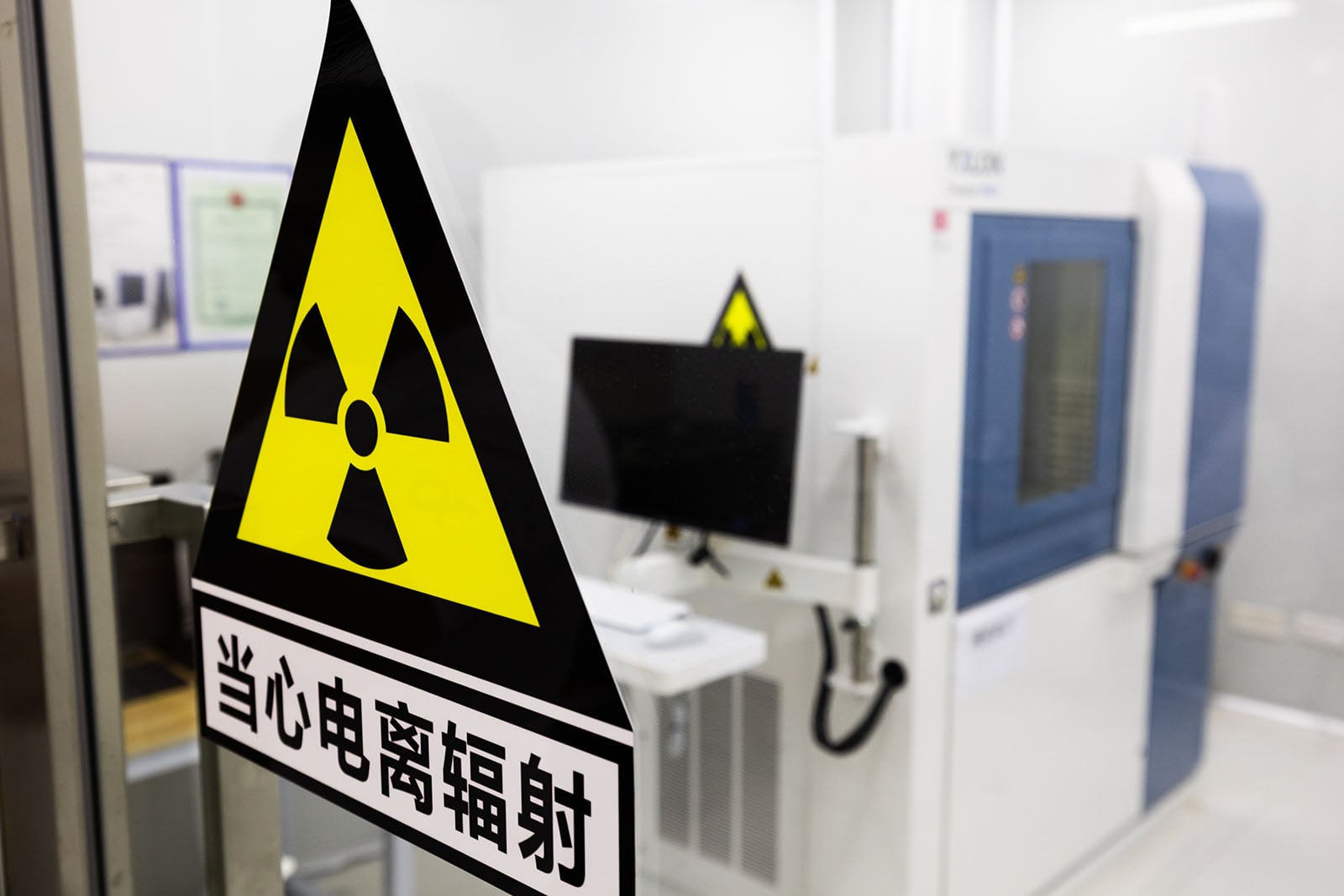
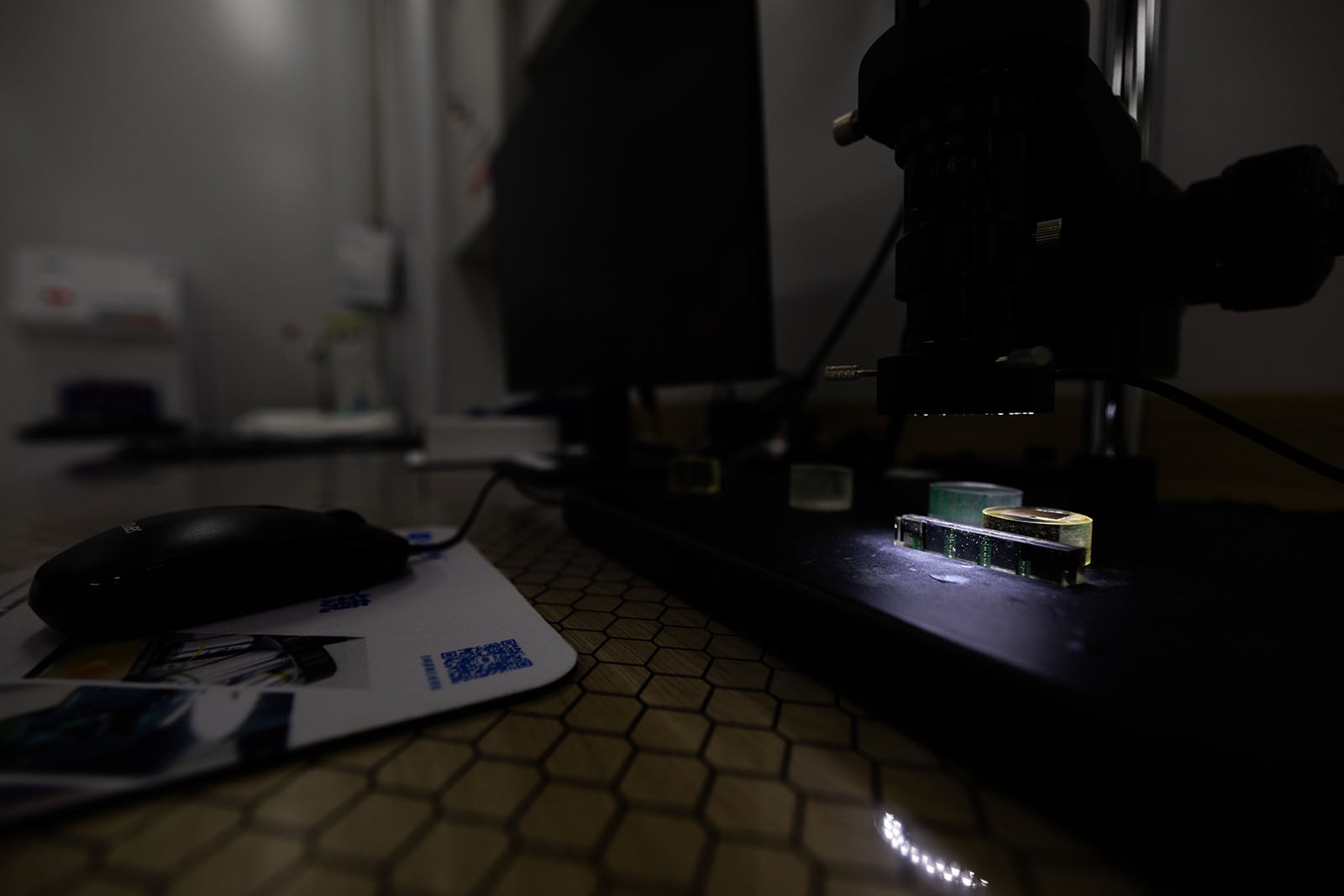
While the machines are mostly covered in Zhongshan, 750 miles northeast at the Longsys factory in Suzhou, the process is easier to see. Suzhou is where the research and development takes place, and the assembled tour group of a dozen or so international journalists peer into a microscope that allows a close-up view of a frenetic needle that’s gold-wiring. It’s mesmerizing.
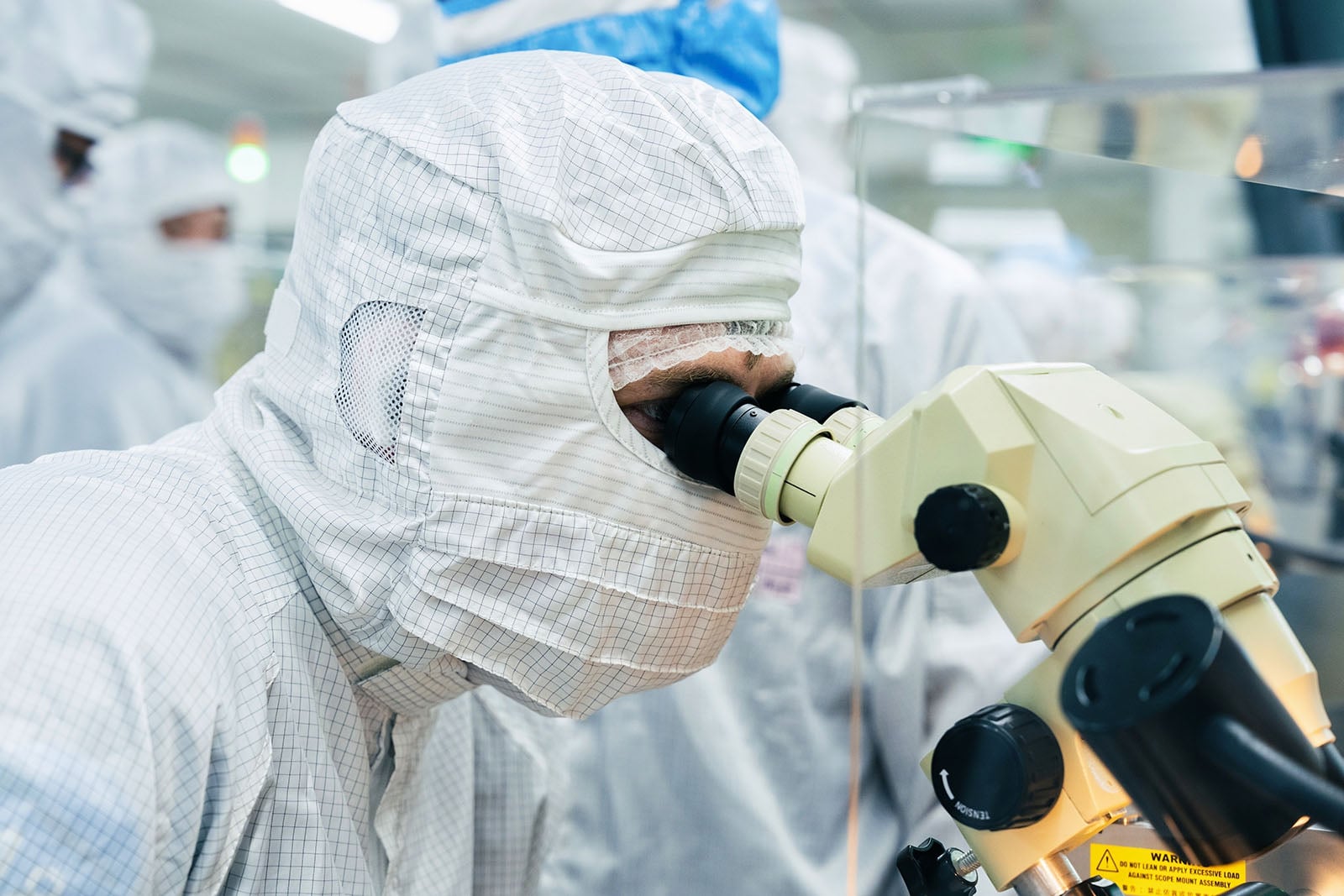
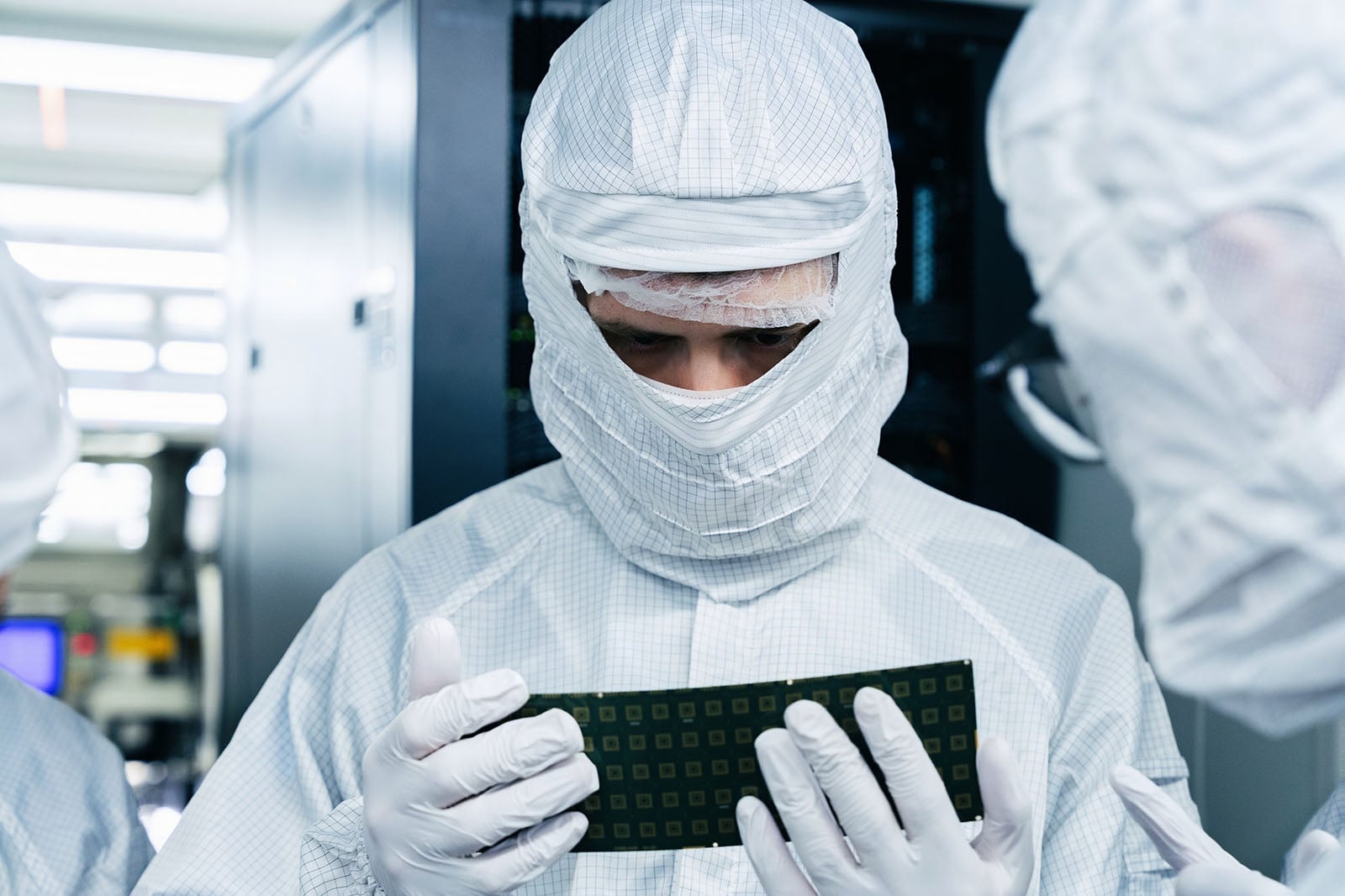 Holding individual dies.
Also on the tour of Suzhou, I get to hold a wafer of silicon that had come from an ingot and pose for a picture taken by a talented photographer working for Lexar.
It gives you pause for thought: the raw semiconductor material that I hold in my hand has totally changed humanity thanks to its ability to store data. The wafer is also extremely valuable as the AI boom demands more and more of the stuff — Lexar won’t be drawn on the shortage and potential price increases caused by it.
The silicon wafer itself is diced into individual dies, kind of like a pizza. The die is then bonded to a substrate (the foundational layer), gold-wired, soldered for electrical connection, cut into strips, tested, packaged, and then popped into a photographer’s camera.
A single die is 30 microns thick, half that of a sheet of paper. There are 16 dies in each microSD card. It’s quite remarkable just how much work goes into one of the least sexy parts of a camera. But without it, we would still be shooting film.
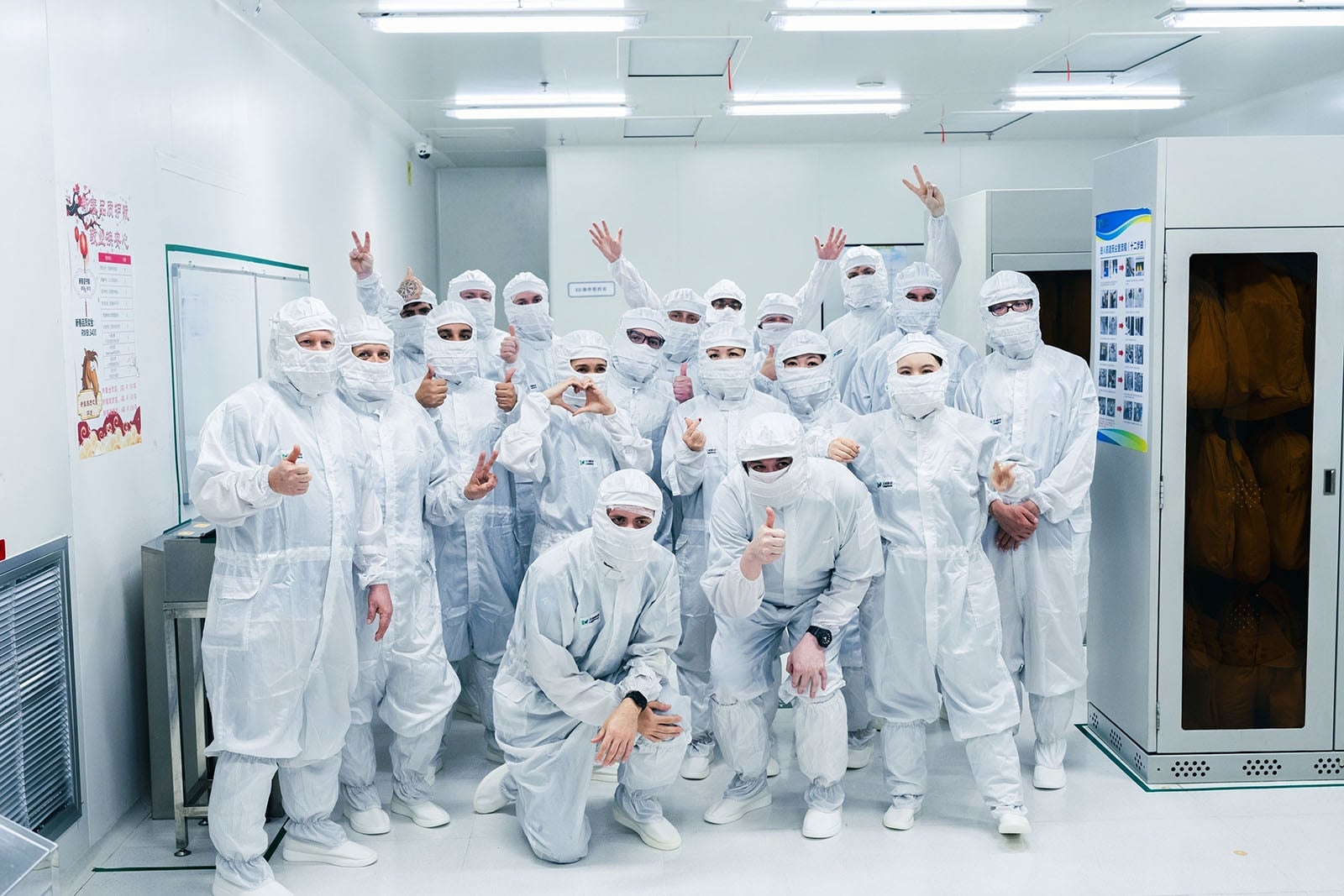 The production line takes its cleanliness seriously.
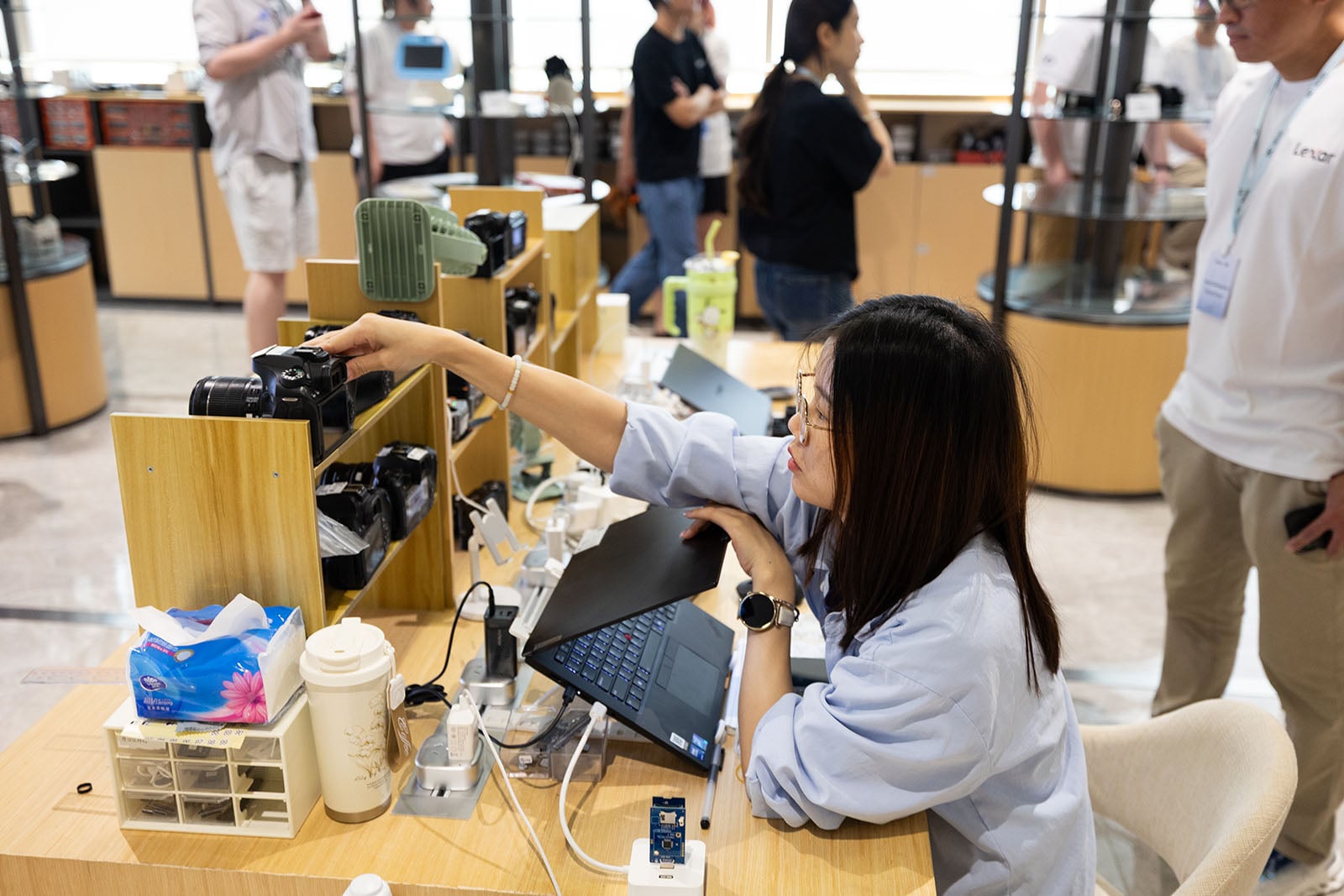
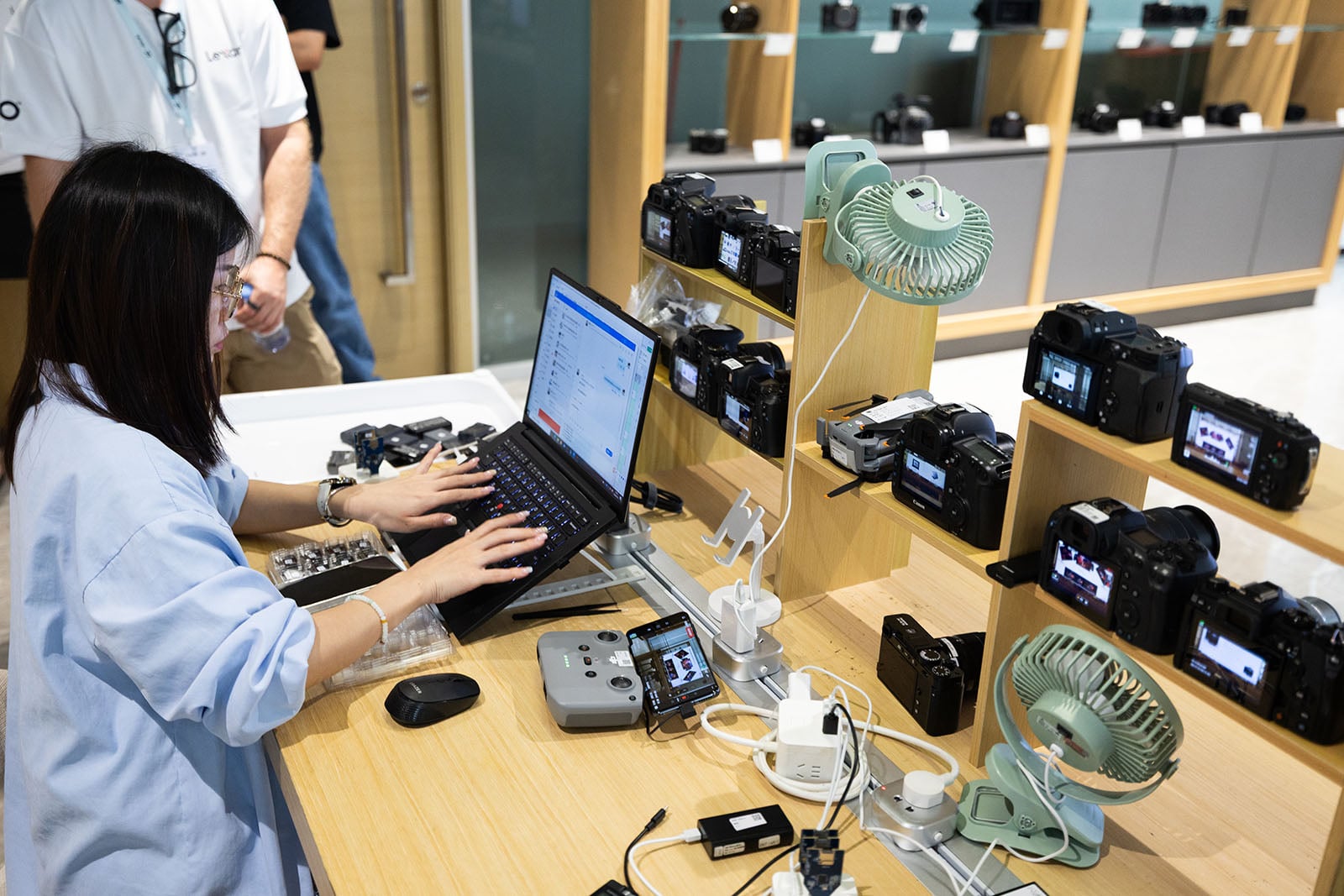
Back in Zhongshan, the testing isn’t just confined to machines: the guide takes us into an office that has almost every camera you can think of, so the team can check that these cards falling off the assembly line work in real-world situations.
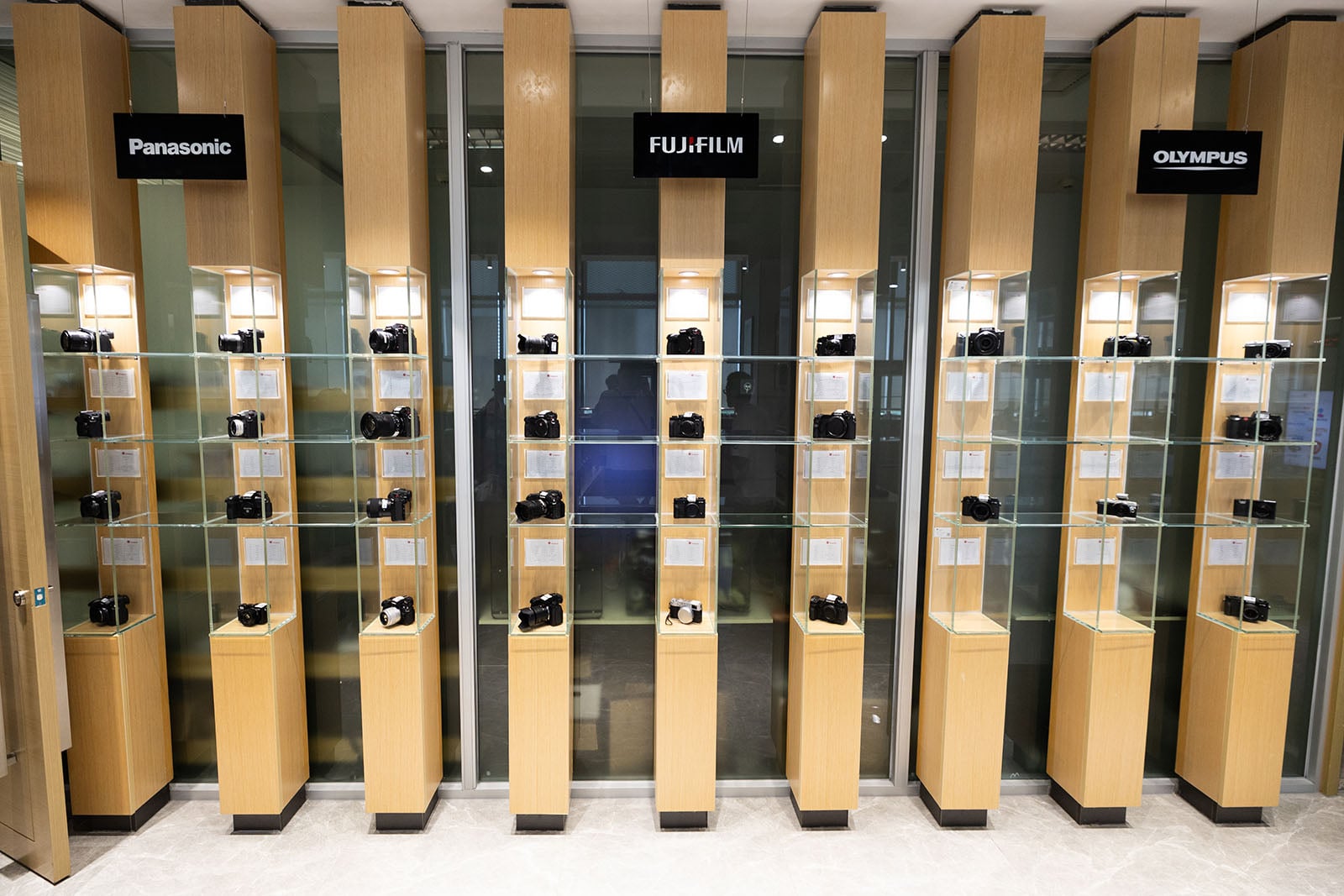 All the major camera brands were represented, some of the models were quite old.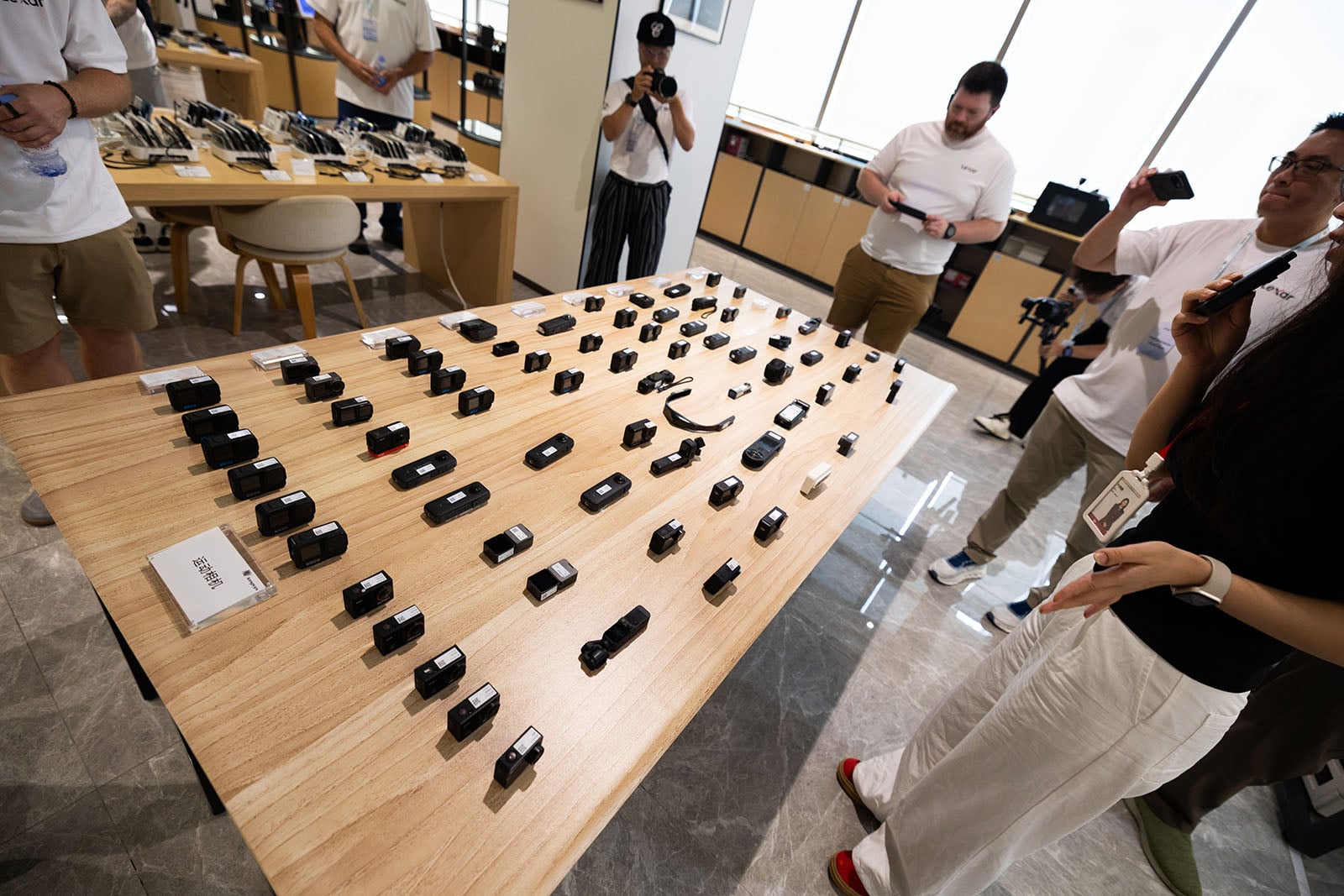
Sitting at a desk, a focused young woman is absorbed in a task that involves dozens of cameras stacked in front of her, all of which are shooting photos or video continuously. Next to her is a tray of different batteries to keep them alive so she can zone in on the card’s performance. She keeps notes and is clearly working her way through the required protocols. I wondered which camera was her favorite, but I dared not interrupt her from her mission.

As I toured the factory in Zhongshan, sipping on coconut water, it was plain just how much work was going on. Lexar says that certain products get 10,000 hours of testing — the same amount of time it theoretically takes to master any endeavor.
In recent years, Lexar has brought everything in-house. “We’ve invested more than 70% year on year on just our internal R&D,” General Manager of Lexar North America Van Baer tells PetaPixel. “We emphasize our in-house manufacturing, ensuring world-class quality control to ensure that every product that we make is error-free.”
Choosing a memory card can be a difficult task, especially if you’re just starting on your photography journey. Rookie shooters will log on to Reddit for advice and read about one person who had a bad experience with Lexar years ago. But my visit to China convinced me that the company is doing everything it can to ensure quality.
I was using a SanDisk card in my camera as I toured the facilities — much to the chagrin of Lexar staff. On my way out of China, Lexar was kind enough to pass me one of its microSD cards. After seeing the work they do here, I’m happy to trust it with my data.
Image credits: Photographs by Matt Growcoot. Except for the ones from Longforce Production Line in Suzhou, which are courtesy of Lexar.





 English (US) ·