
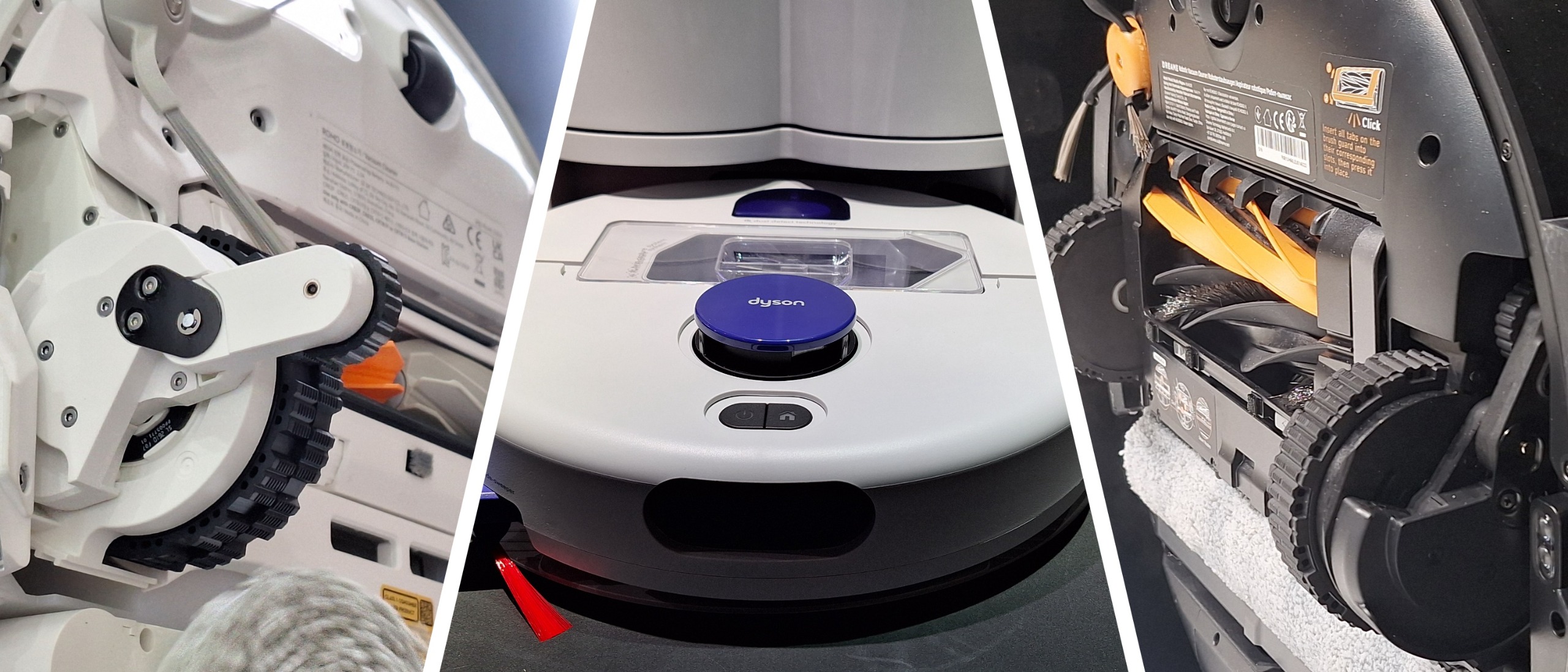
The robot vacuum market is continuing to move at breakneck pace, with most brands releasing multiple models each year. Despite the proliferation of new vacs hitting the market, there are often clear feature trends that pop up across multiple brands at around the same time. I got a preview of the new fleet of flagship robot vacuums at IFA 2026 last week, and I was interested to see what the bot brands had focused on for their 2027 models.
Three key themes emerged almost immediately, and I've rounded them up for you below. Which of these trends will see their way into any upcoming updates to our best robot vacuum? I'll be watching with interest, and look forward to seeing how the new features stand up in real-world testing. For now, let's dive into what's heading your way in the world of robot vacuums.
Step it up
For a few years now, robovac makers have been focused on finding ways to get their bots over chunky room thresholds. It makes sense: in the UK at least, old homes with uneven floors and tall door frames aren't uncommon, and if a robot can't make it over a certain threshold, and that threshold is in the wrong place, it can curtail the vac's journey quite dramatically.
Most of the main brands now have models with secondary wheels and/or a special chassis to allow for step clearance, and the incoming fleet of flagships have especially lofty aspirations.
Dreame's new bot (in the video above) can clear single steps up to 5cm, or double steps up to 10cm. That was impressive in the context of last year's flagships, but this year it's been well and truly outdone. DJI's Romo 2 can handle a single hop of 4cm and a double hop of up to 8.5cm. Roborock's latest flagship, the Saros 20 Flow Complete, can go even higher: it can manage double-layer thresholds of up to 8.8cm. Where will it end?
Getting steamy
On the wet-cleaning front, the big trend is for pre-treating dried-on stains by spraying them with moisture before the mopping begins. Brands have approached this in different ways.
Dreame has opted to include a heating element in its Aqua20 Pro Ultra Roller X Complete, so it can blast hard floors with steam at 180°C. Theoretically, it should be very effective at lifting dirt, but there are some drawbacks.
The steam-creating process is very energy-intensive — you can only use it for zone cleaning, and you should expect your bot to need a recharge afterwards. The demo (video below) wasn't quite as steamy as I was expecting, either.
Ecovacs' effort in this area is the most pared-back. Its DEEBOT X12S OmniCyclone will spray dried-on stains — it doesn't specify with what, so I assume it's just water — to give it time to loosen before going in with its mop. It calls this function the "FocusJet stain spray".
I can see the Ecovacs approach making a difference, but the method I have most hope for is iRobot's. The Roomba Max 875 emits a "heated mist" to pre-treat muck on hard flooring. Since there's no active heating element on the robot itself, use of the function has minimal impact on battery life. Plus, in the demo (shown above), it was kicking out a good amount of mist.
Rolling on by
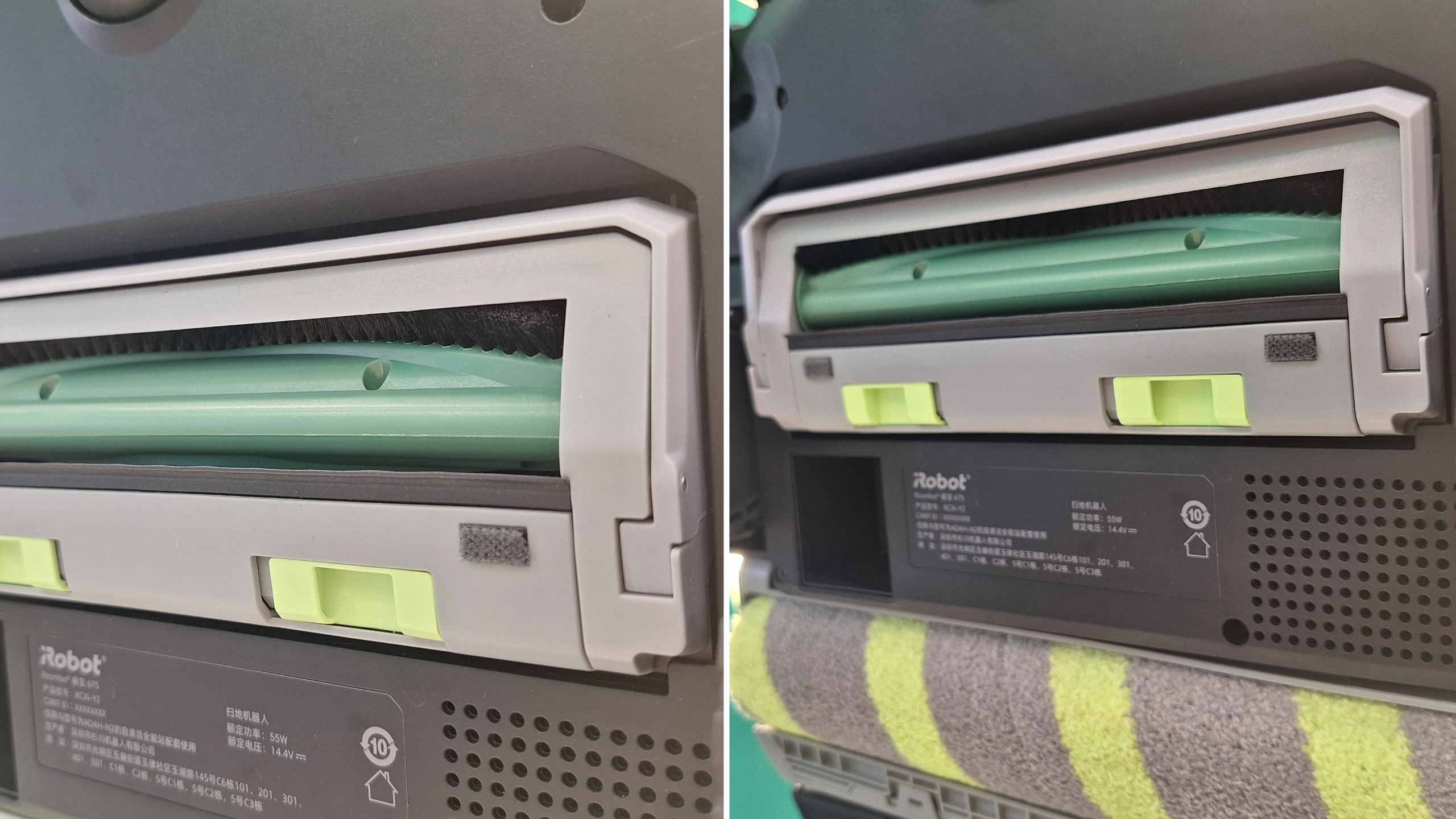
The suction spec wars don't seem to be quite over yet, but brands are finding clever ways to increase particle pickup without boosting suction. The main solution I saw at IFA was a "seal" between the suction inlet and the floor, which intensifies the suction.
DJI's second-gen robot vacuum, the Romo 2, has a "pressure plate" that lowers to improve pickup of ground-in dirt. iRobot's new flagship also has a frame that can be lowered to improve pickup — although based on the demo I saw, it wasn't dropping quite as low as I'd expect.
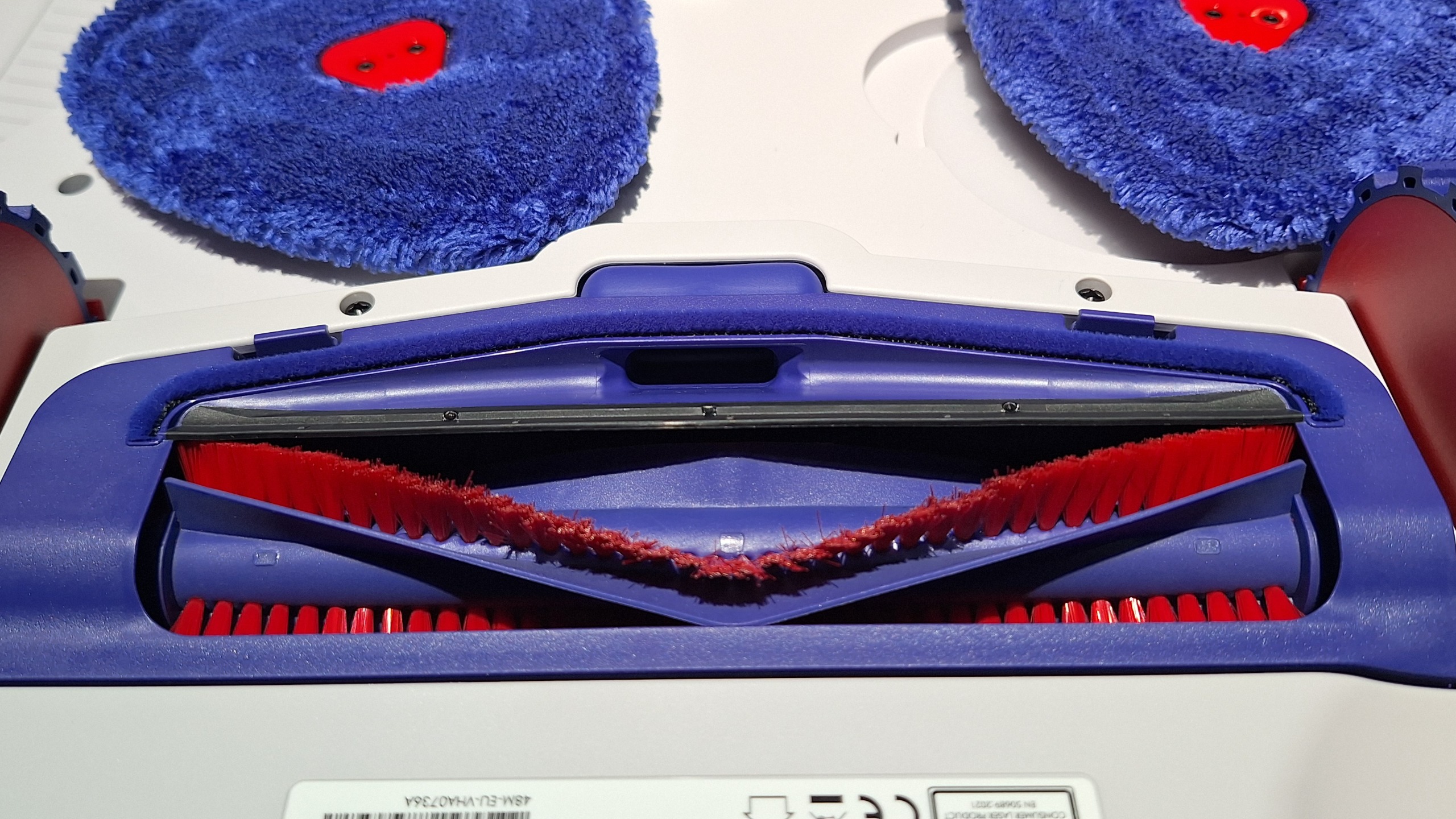
Dyson has a slightly different approach in its R1 and R2 Nurovi robovacs. Rather than sealing down the entire suction area — which could cause large particles to snowplough around the seal rather than being sucked up — these bots have a "Twin-capture system". There's a large, open brush bar area for chunky debris, and above it is a separate area for the fine dust. The latter is sealed down to the floor to concentrate the suction.
Do you think robot vacuum-makers are directing their efforts in the right areas? Is there a feature you'd still like to see? Let us know in the comments section.

Follow TechRadar on Google News and add us as a preferred source to get our expert news, reviews, and opinion in your feeds.








 English (US) ·