
Sigma 12mm f/1.4 DC | C: One-minute review
The Sigma 12mm f/1.4 DC | C is the latest, and widest, lens to join Sigma’s comprehensive list of primes with a fast f/1.4 maximum aperture, complimenting the 16mm, 23mm, 30mm and 56mm f/1.4 primes in its Contemporary range.

Speaking of mount options, on Sony E and Fujifilm X bodies with a 1.5x sensor crop the 12mm lens behaves more like an 18mm focal length (full-frame equivalent), whereas on Canon APS-C mirrorless cameras with a 1.6x crop factor it will feel a little more zoomed in, and behave more like a 19mm focal length.
So if you own one of these APS-C mirrorless camera bodies should you run out to buy the Sigma 12mm prime? Well, it's not the widest prime on the market – that title goes to the Sony 11mm f/1.8. However, if you don't mind it being a little more zoomed in at 12mm, and prefer the brighter f/1.4 maximum aperture, then it's an absolute no-brainer.
If your budget can't quite stretch to the Sigma 12mm, or you shoot on Sony mirrorless, then you'll want to see what other options are available for you below.
Sigma 12mm f/1.4 DC | C: Price and availability
- Priced at $579 / £519 / AU$1,000
- Lens hood included
- Announced August 2025
Sigma announced the 12mm f/1.4 DC | C on August 19 2025, and it started shipping later in September.
It's available for Sony E, Fujifilm X, Canon RF mounts and costs $579 / £519 / AU$1,000. To put that into context, its rivals are the Sony E 11mm f/1.8, which costs $699 / £477 / AU$799, the Viltrox AF 13mm f/1.4 STM, which costs $429 / £440 / AU$624, and the Samyang AF 12mm f/2, which retails for $499 / £348 / AU$598.
While it can’t match the Sony’s wide focal length, it does offer a great balance of a still very wide 12mm focal length and that super-wide f/1.4 aperture, all wrapped up in a very small and portable package.
It's a little more expensive than the Viltrox and Samyang offerings, so those on tighter budgets may prefer to save money and miss out on the better features found in the Sigma 12mm. Sony users will be faced with a tougher choice, as they'll have to also weigh up the Sony E 11mm f/1.8, which has a wider focal length at the cost of a slower maximum aperture.
For me, the Sigma 12mm f/1.4 DC | C lens would have been even better value for money if it had included an iris ring lock and MF/AF switch on the barrel, though I think for most people these will be minor gripes in an otherwise stellar lens that combines brilliant portability with great image quality and a super-fast and wide aperture and focal length.
Sigma 12mm f/1.4 DC | C: specs
Swipe to scroll horizontally
Type: | Wide-angle prime |
Mount: | Sony E, Fujifilm X, Canon RF |
Sensor: | APS-C |
Focal length: | 12mm (18mm effective on Fujifilm & Sony, 19.2mm on Canon RF) |
Max aperture: | f/1.4 |
Minimum focus: | 0.17m |
Filter size: | 62mm |
Dimensions: | 68 x 69.4mm |
Weight: | 7.9oz / 225g |
Sigma 12mm f/1.4 DC | C: Design
- Some level of weather-sealing that's usually reserved for more premium Art lenses
- Very lightweight at 7.9oz / 225g
- Sony and Fujifilm versions have an iris ring, while Canon version has a Control Ring
The Sigma 12mm f/1.4 DC | C is perfectly small and portable, with super-sleek dimensions of 68 x 68.4mm and a weight of just 225g, which makes it well matched with the smaller APS-C bodies it’s designed to be used with. You can also use it on a full-frame camera, but you’ll need to use the camera's APS-C crop mode to accommodate the smaller imaging circle this lens produces.
With not a lot of lens barrel to play with, the exterior design has been kept simple, with just an electronic fly-by-wire focus ring and also an iris ring to control the aperture – the latter is a ‘Control’ ring on Canon RF cameras, which can be assigned to a range of functions, including, but not limited to, aperture.
There are, however, no switches on the barrel itself, which means you’ll need to dive into the menus to switch between AF and MF. There’s also no switch to lock the iris ring in its ‘A’ mode to prevent it from slipping, and the iris ring is also clicked, with no way to switch it over to a de-clicked mode – two features which I’ve become accustomed to after using Sigma Art lenses such as the 135mm and 17-40mm. While not a dealbreaker by any means, these would have been welcome inclusions here.
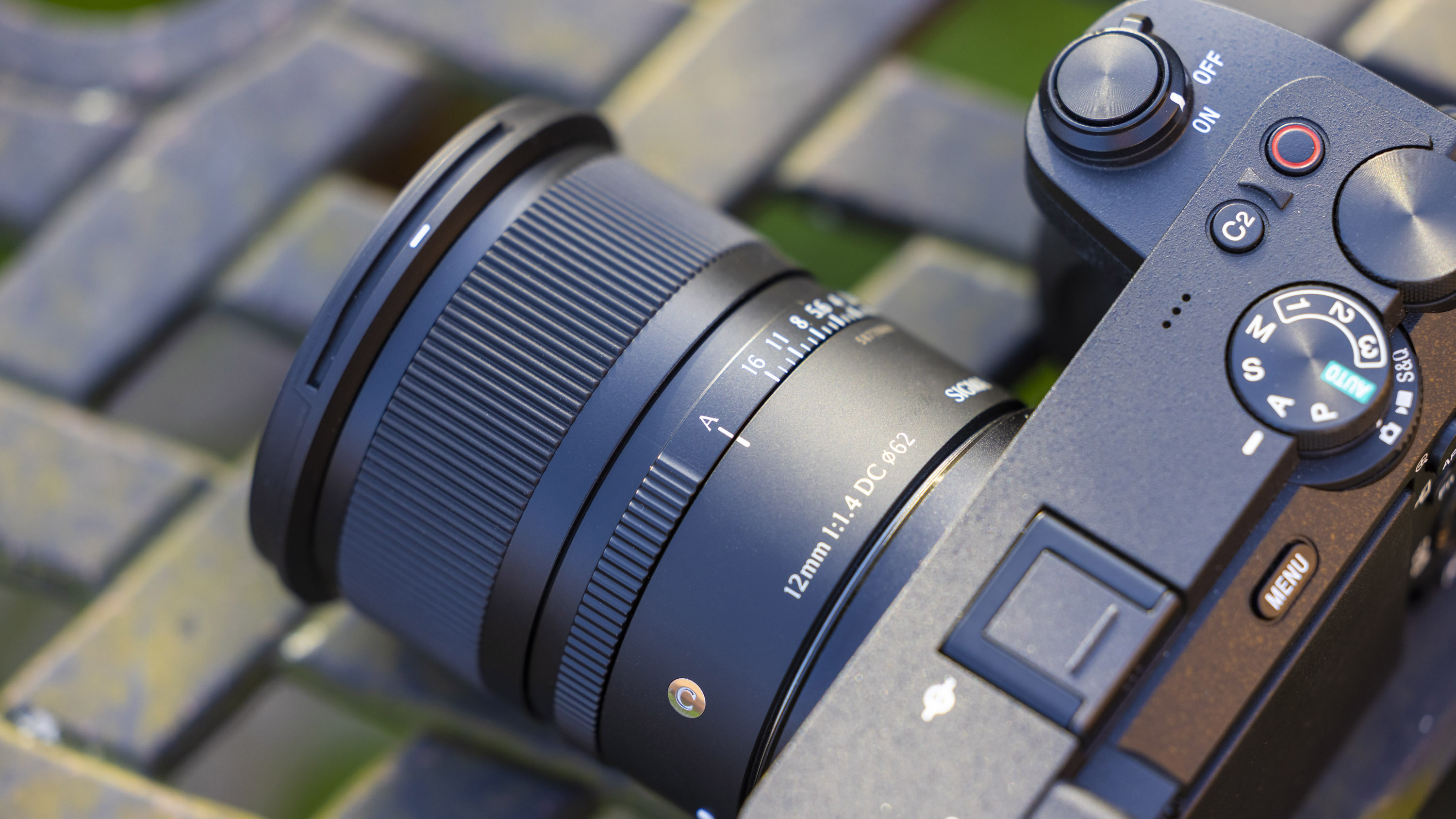
Inside, the lens is constructed from 14 elements in 12 groups, and includes three aspherical elements, plus two SLD (Special Low Dispersion) elements.
It has a rounded 9-bladed aperture design which can be opened as wide as f/1.4 or closed to f/16. The minimum focus distance is also just 17.2cm, so close-up shots with blurry backgrounds are very possible (see my test shots in the Performance section).
On the front of the lens is a filter thread which takes 62mm screw-in filters. A LH652-01 petal lens hood is included, which is equally as petite as the lens itself, and helps to block out stray light rays to reduce flare.
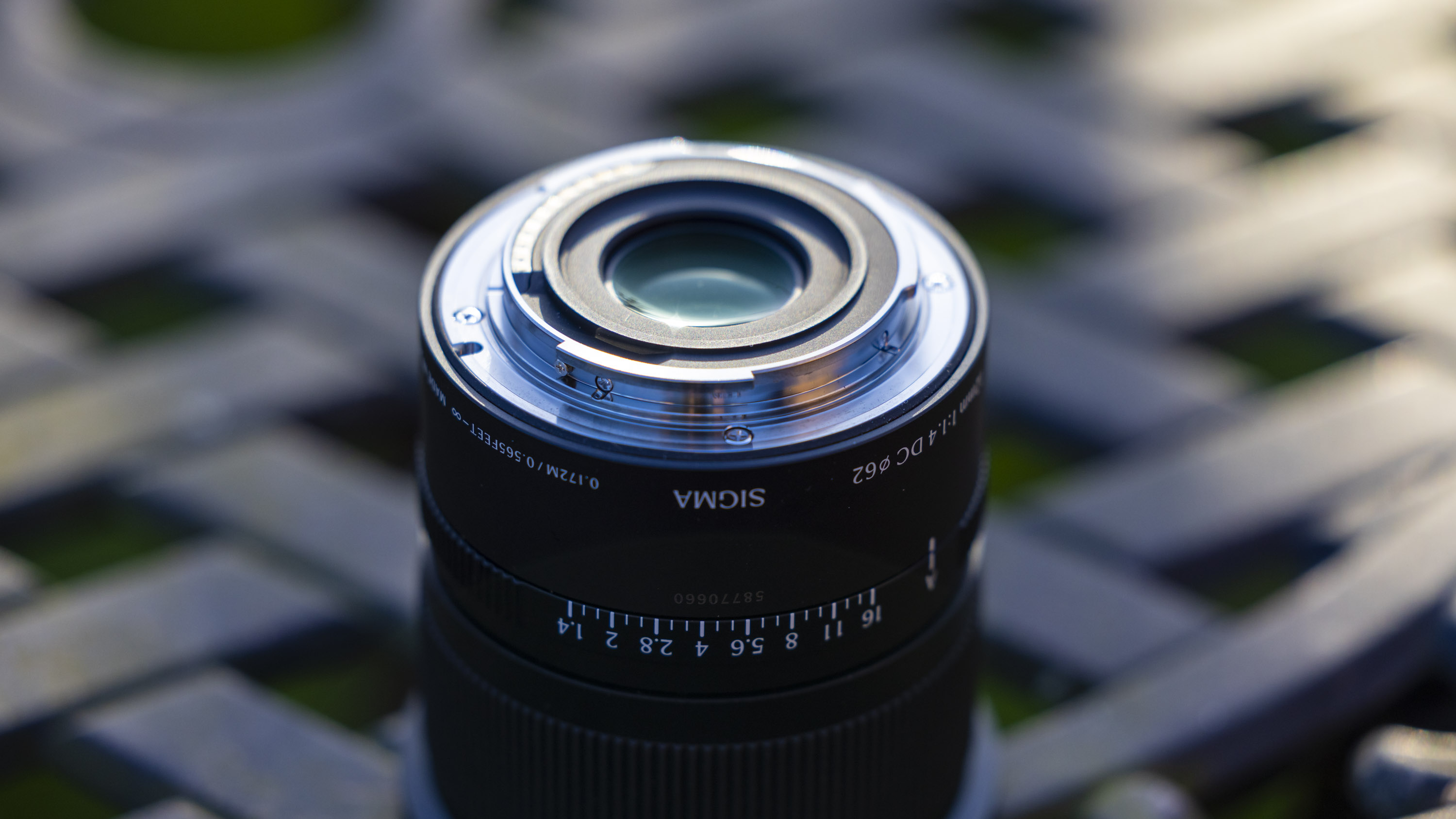
The front element also has a water- and oil-repellent coating that compliments the dust and splashproof design of the lens. Sigma’s more budget-friendly line of Contemporary lenses don’t usually get the weather-sealed treatment, but this 12mm is somewhat protected, as it has a rubber gasket around the rear lens mount.
The lens is as fast as or faster than its main competition, including the Sony E 11mm f/1.8, Viltrox 13mm f/1.4 and Samyang 12mm f/2, though it’s not quite as wide-angle as the Sony model. It’s also the most expensive of the pack – more than twice the price of the Samyang. It’s similar in size and weight to the Samyang and Sony, though the Viltrox model is notably larger and heavier. However, if the speed of the faster aperture or shallow depth of field are your priority and money is no object then the Sigma is definitely one to consider.
Sigma 12mm f/1.4 DC | C: Performance
- Very small and portable
- Bright f/1.4 maximum aperture makes it a beast for low-light shots
- Sharp details and smooth bokeh
- No switches on lens barrel, making it a little difficult to switch settings
I was able to test the Sigma 12mm f/1.4 DC on both an APS-C Sony A6700 and full-frame Sony A7R IV in crop mode, both of which delivered images around 26MP.
Autofocus was fast and reliable – it took a brief moment to lock on but was overall impressively fast and quiet. Sigma claims the stepping motor delivers ‘minimal’ focus breathing, and in my testing I would have to agree. The autofocus was also accurate when locking on to subjects with low contrast, and it kept up well with the Sony A6700’s subject-detection and tracking, too.
It would have been nice if the lens featured optical image stabilization; however this wasn’t too much of an issue, considering most modern mirrorless cameras have sensor-based IBIS and you also have that super-wide f/1.4 maximum aperture, so you rarely capture shaky shots or footage. Many low-light shots. such as traffic trails or astrophotography. also require a tripod, so the lack of optical image stabilization for these types of shots isn't an issue.
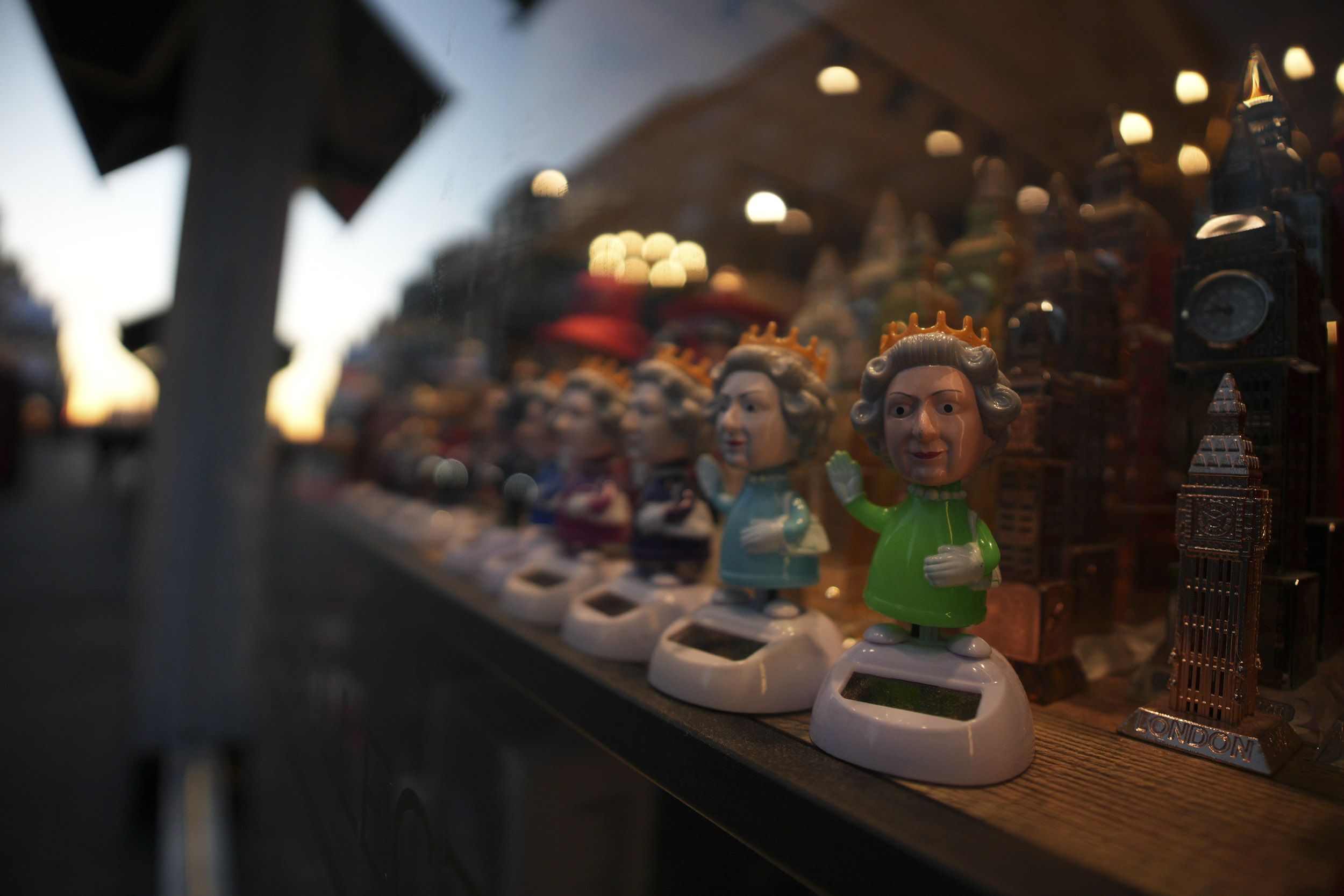
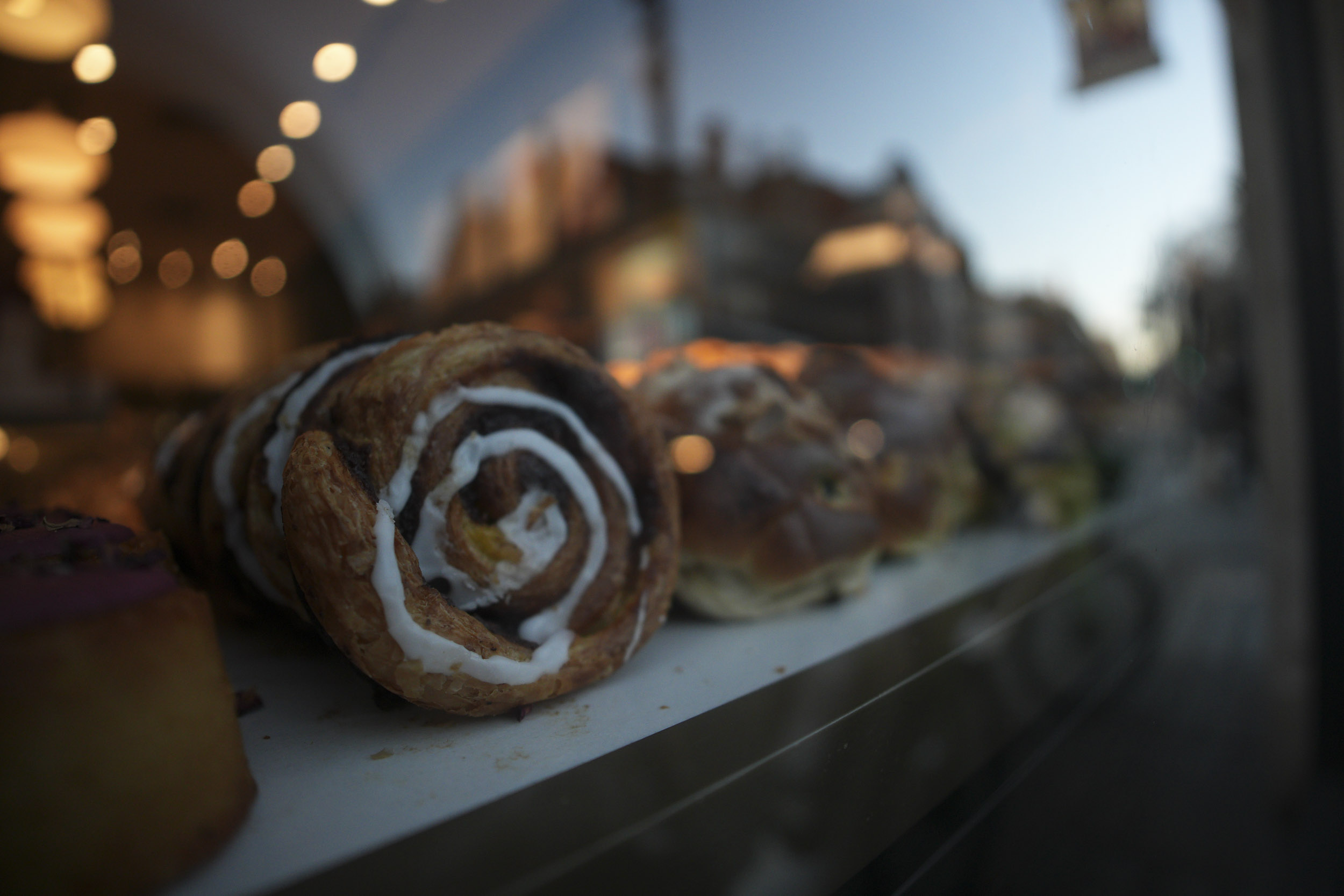
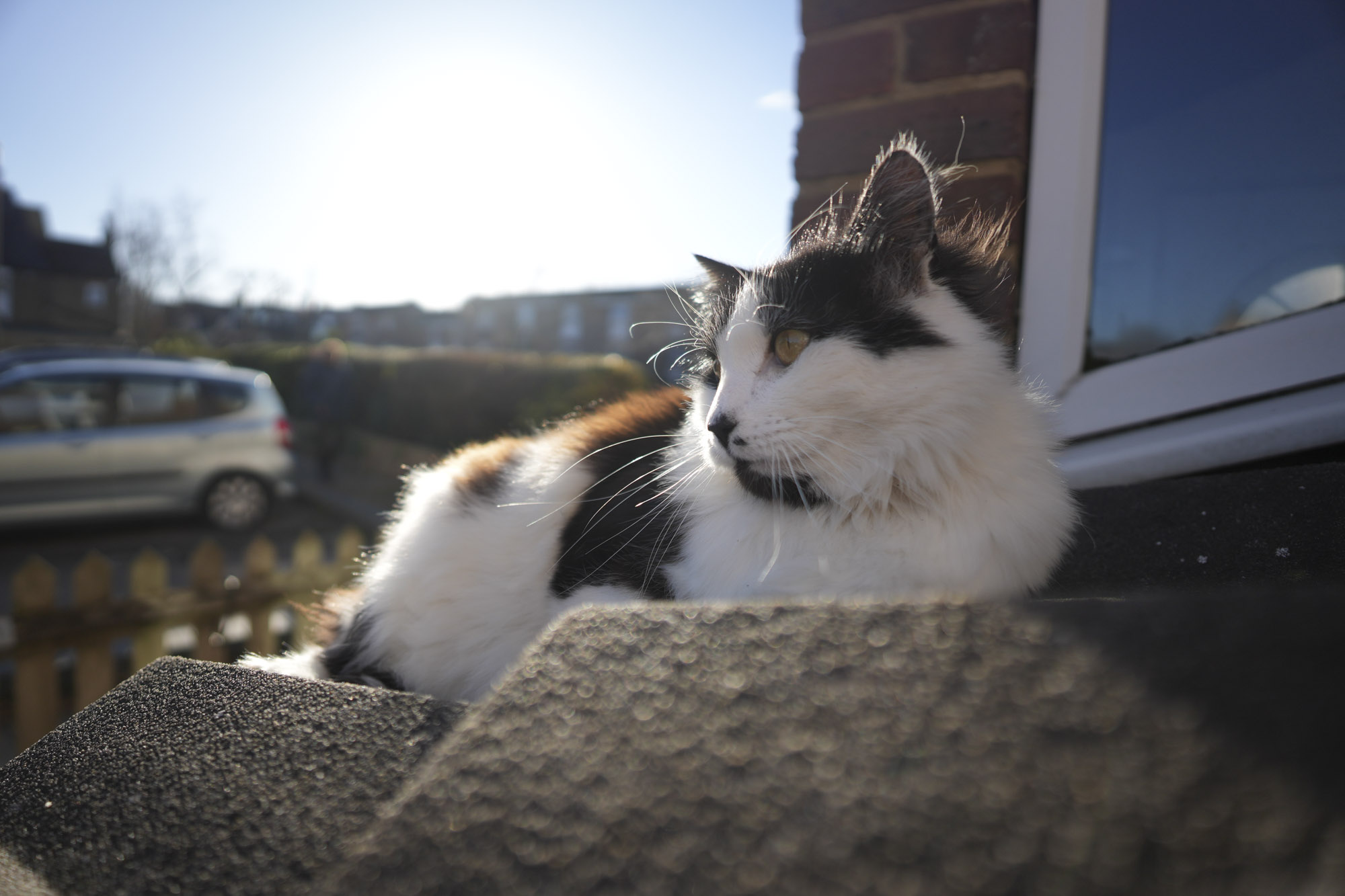
Image quality was overall impressive, with decent center sharpness from the get-go, though that super-wide f/1.4 aperture did contribute to a little softness around the edges and corners, but these areas became sharp very quickly by f/2.8. The corners were also quite dark in the raw and JPEG files, though again this was remedied by f/2.8, and this vignetting is easily fixed in post-production.
The in-camera lens correction profiles did a good job at creating sharp and mostly distortion-free photos. There was also impressively virtually no chromatic aberration, and the lens handled flare when shooting towards the sun very well.
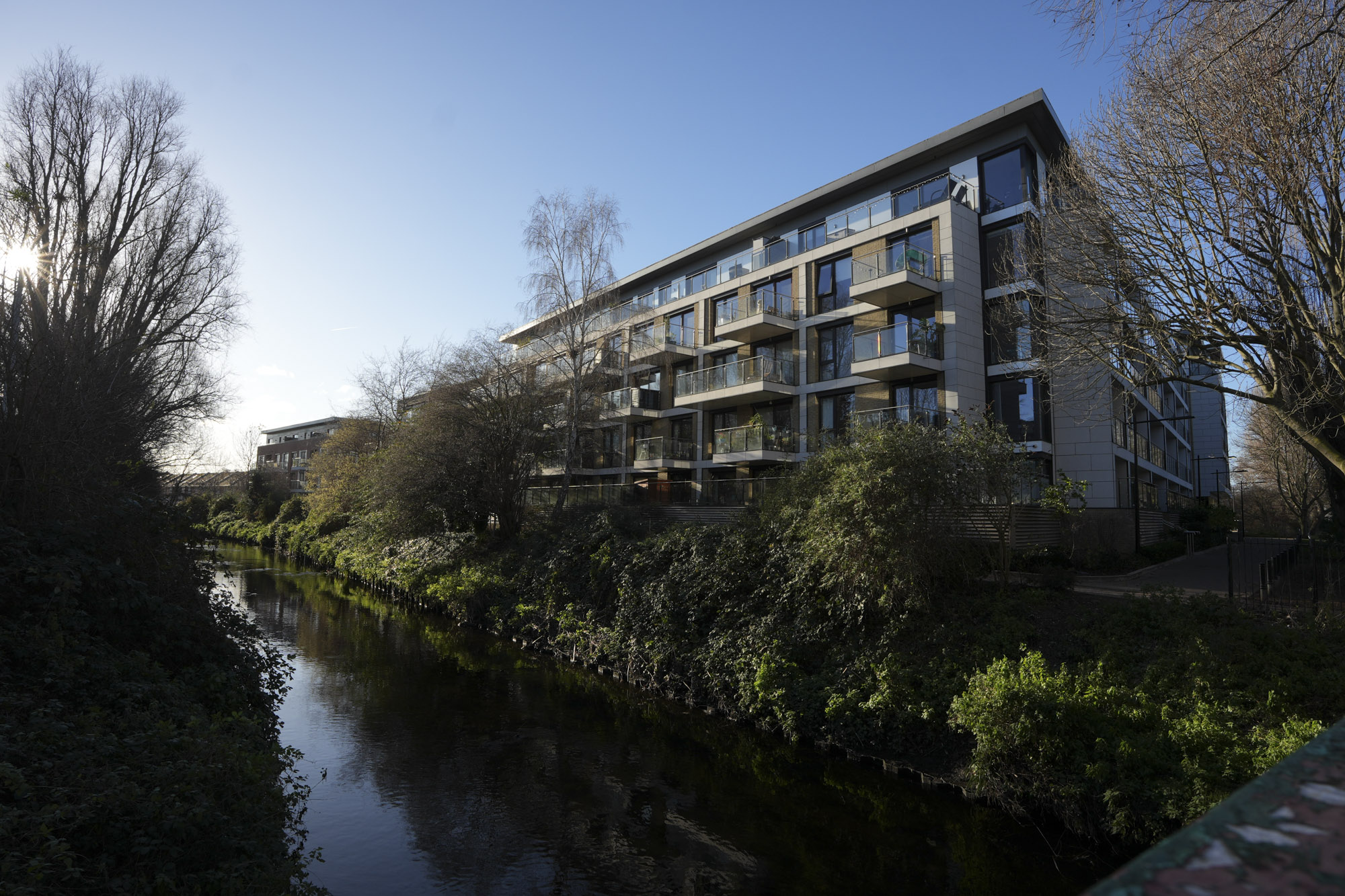
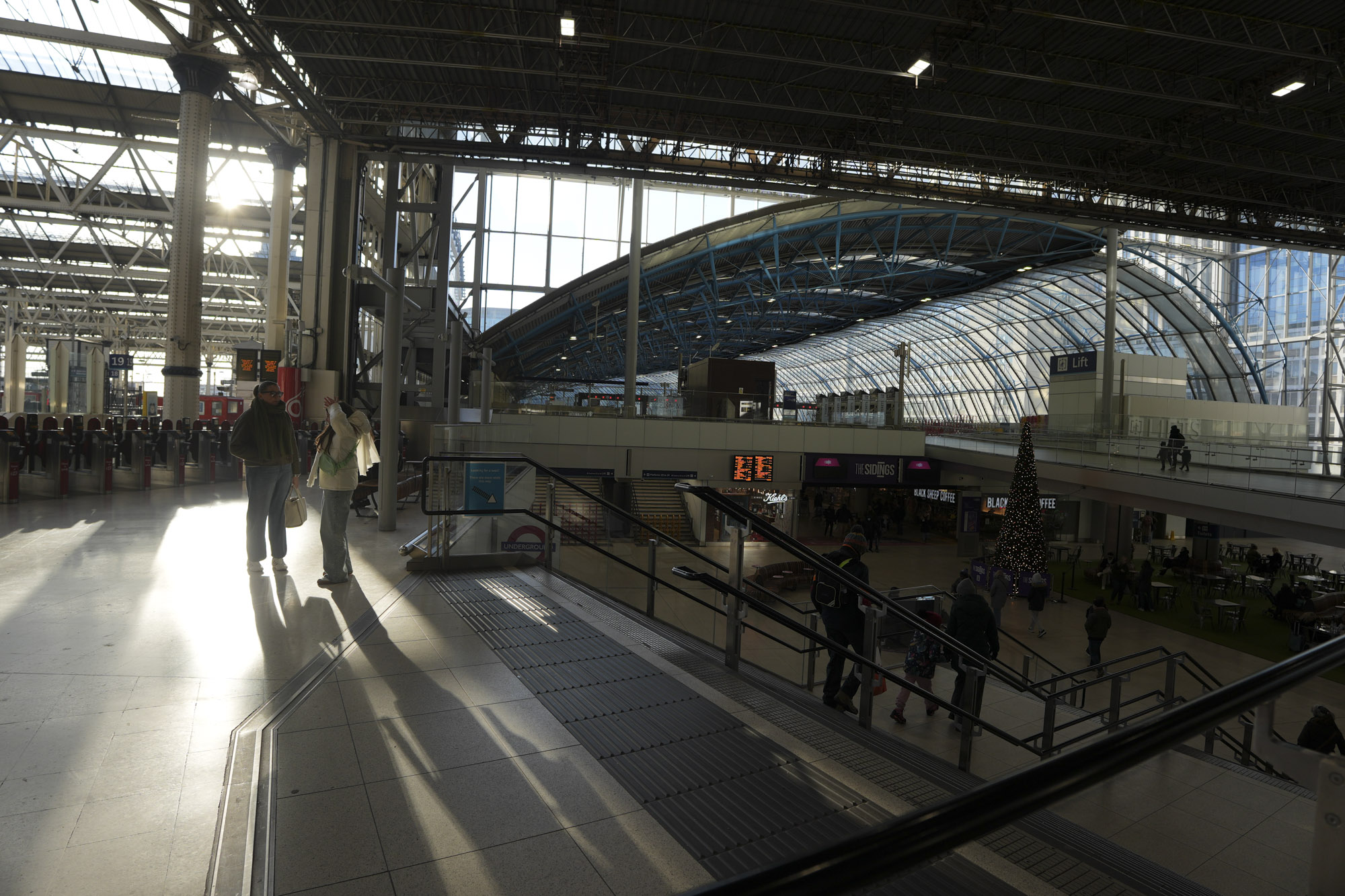
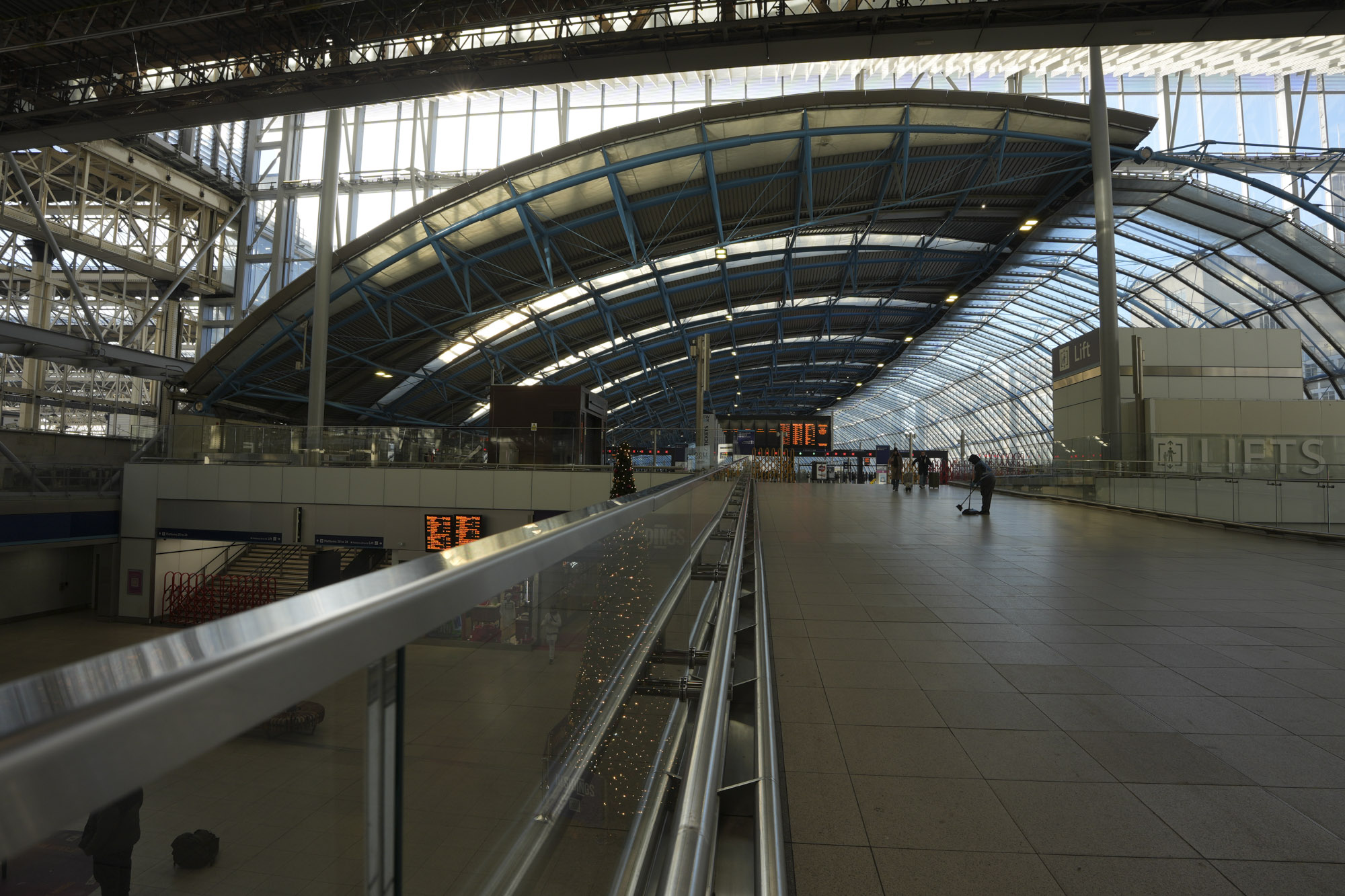
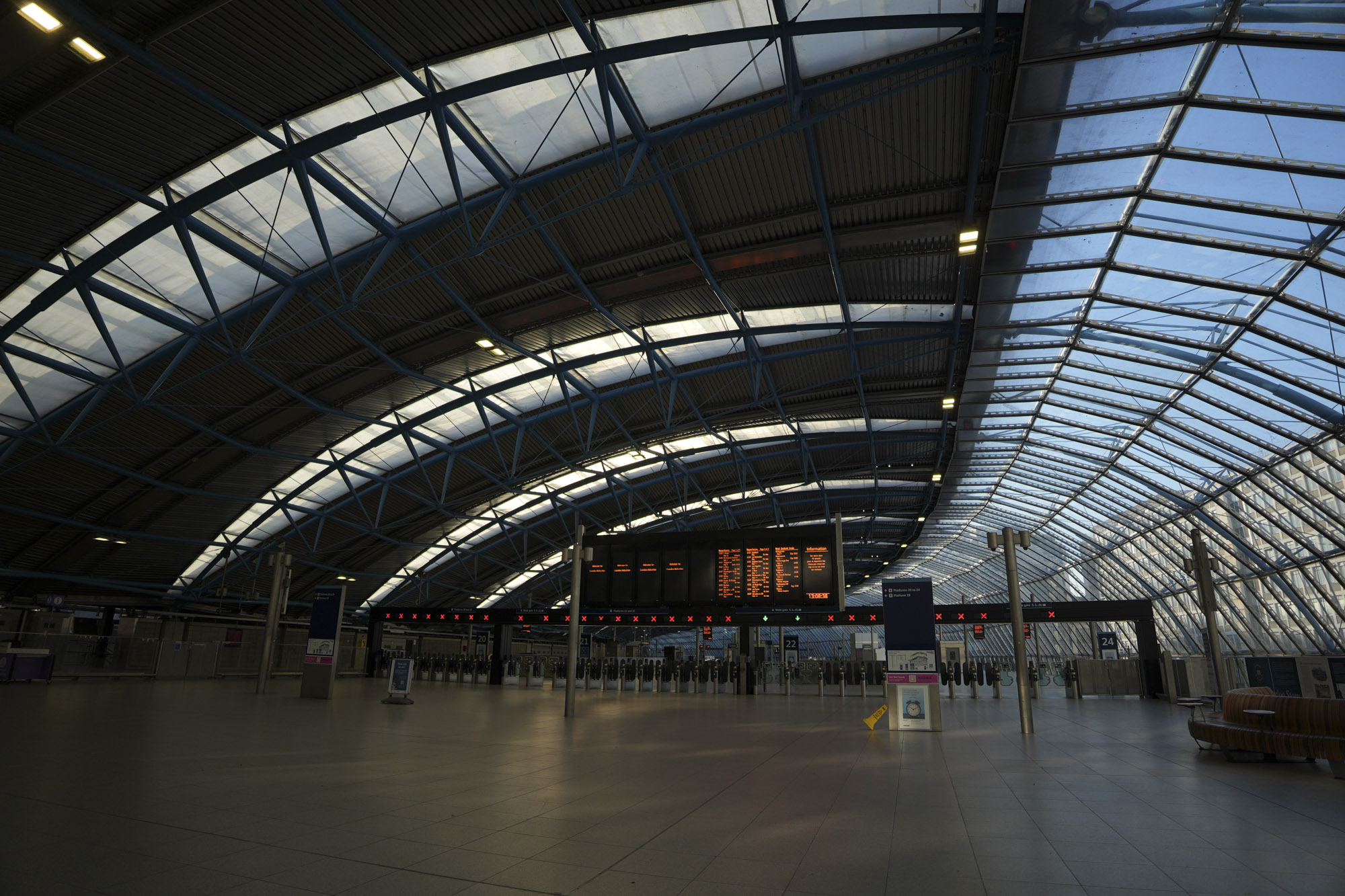
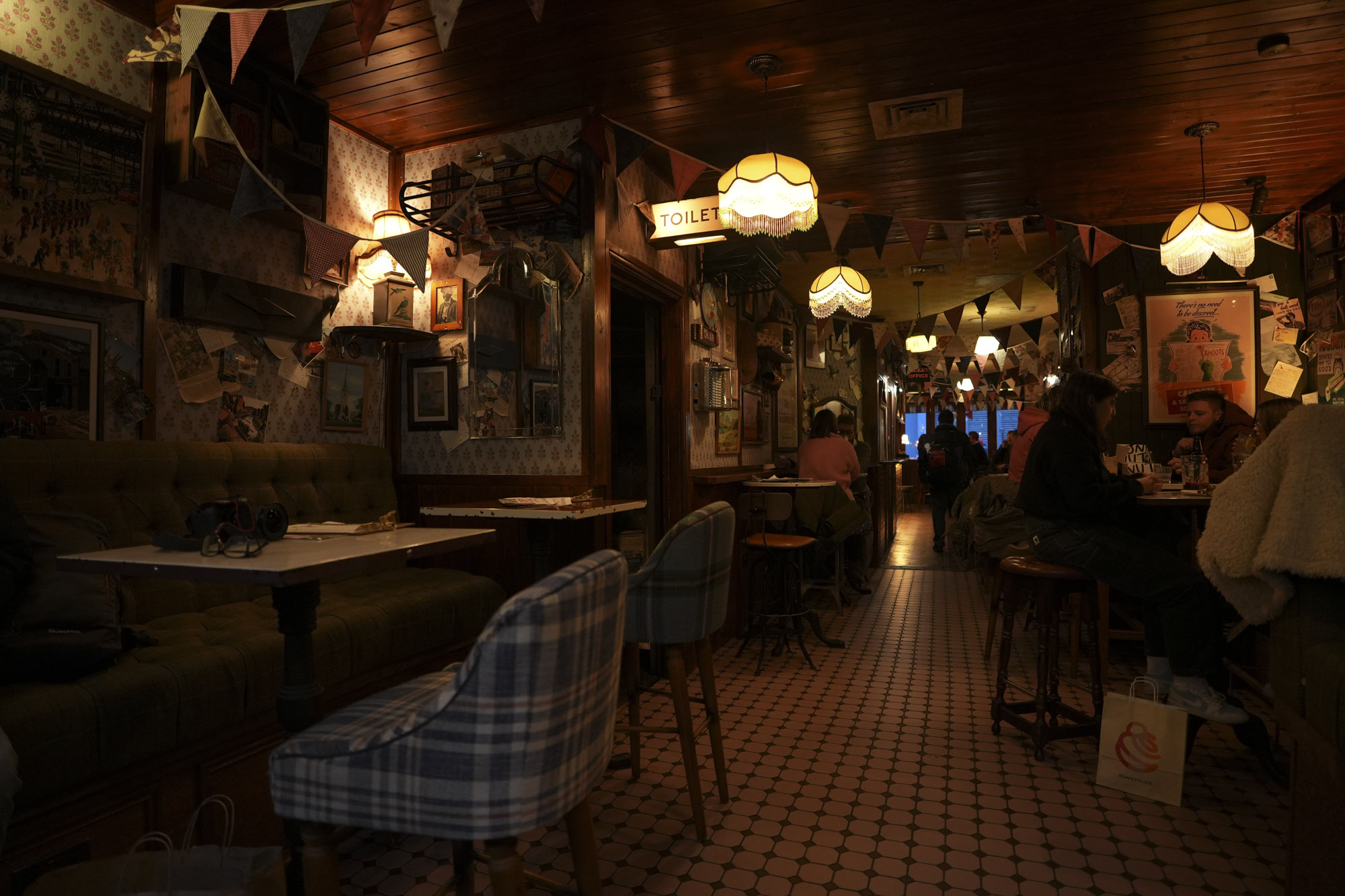
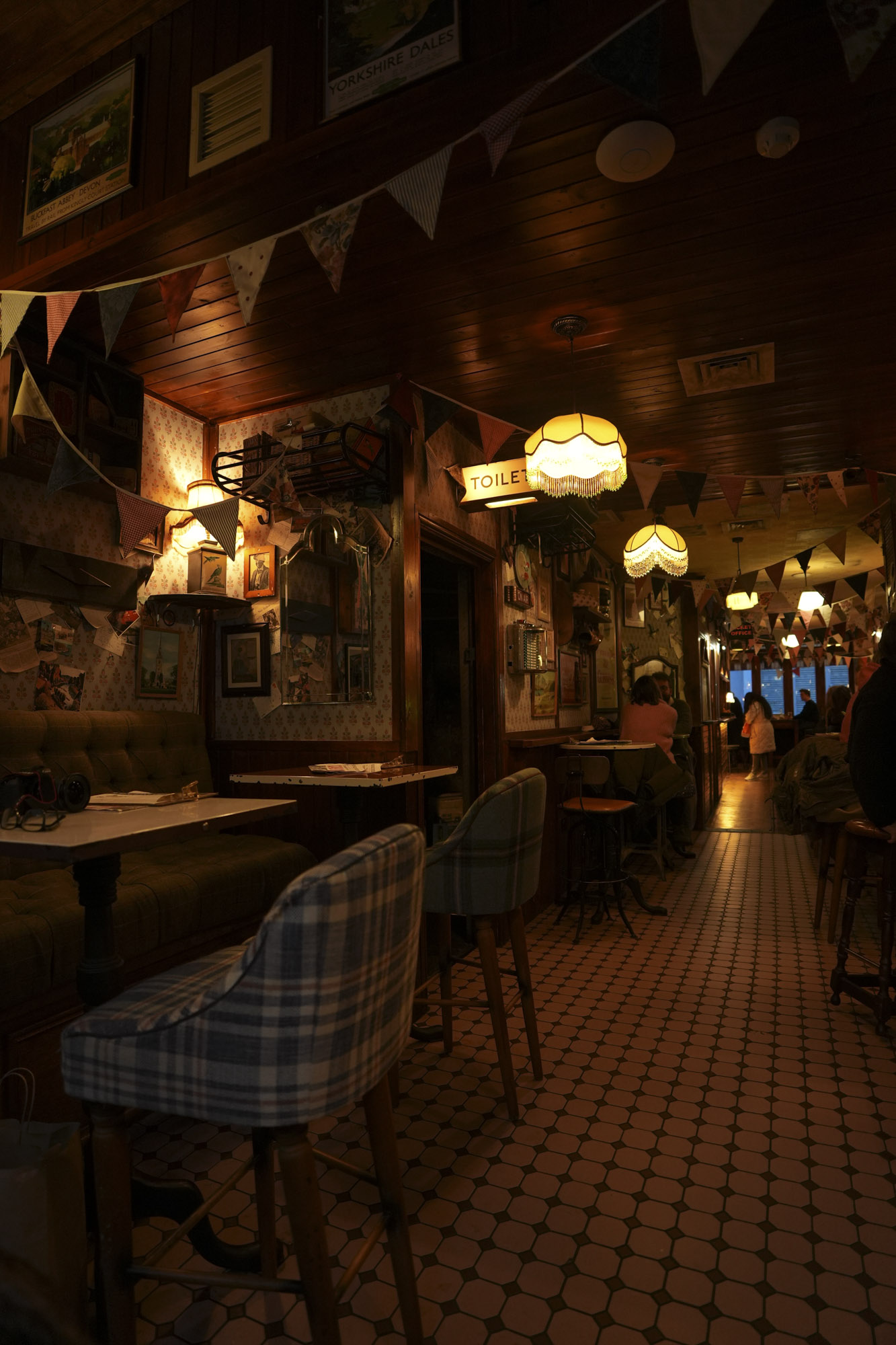
As is to be expected from a lens with such an extreme wide-angle focal length, Sigma’s 12mm does show some signs of barrel distortion around the edges, but this is by no means fisheye, and is overall it's very well handled. Straight lines of buildings do tend to bow a little when shot from up close, so if buildings and architecture is the top of your mind you’ll almost certainly be better off with a tilt-shift lens. Aiming the lens up at buildings exaggerates the barrel distortion the most.
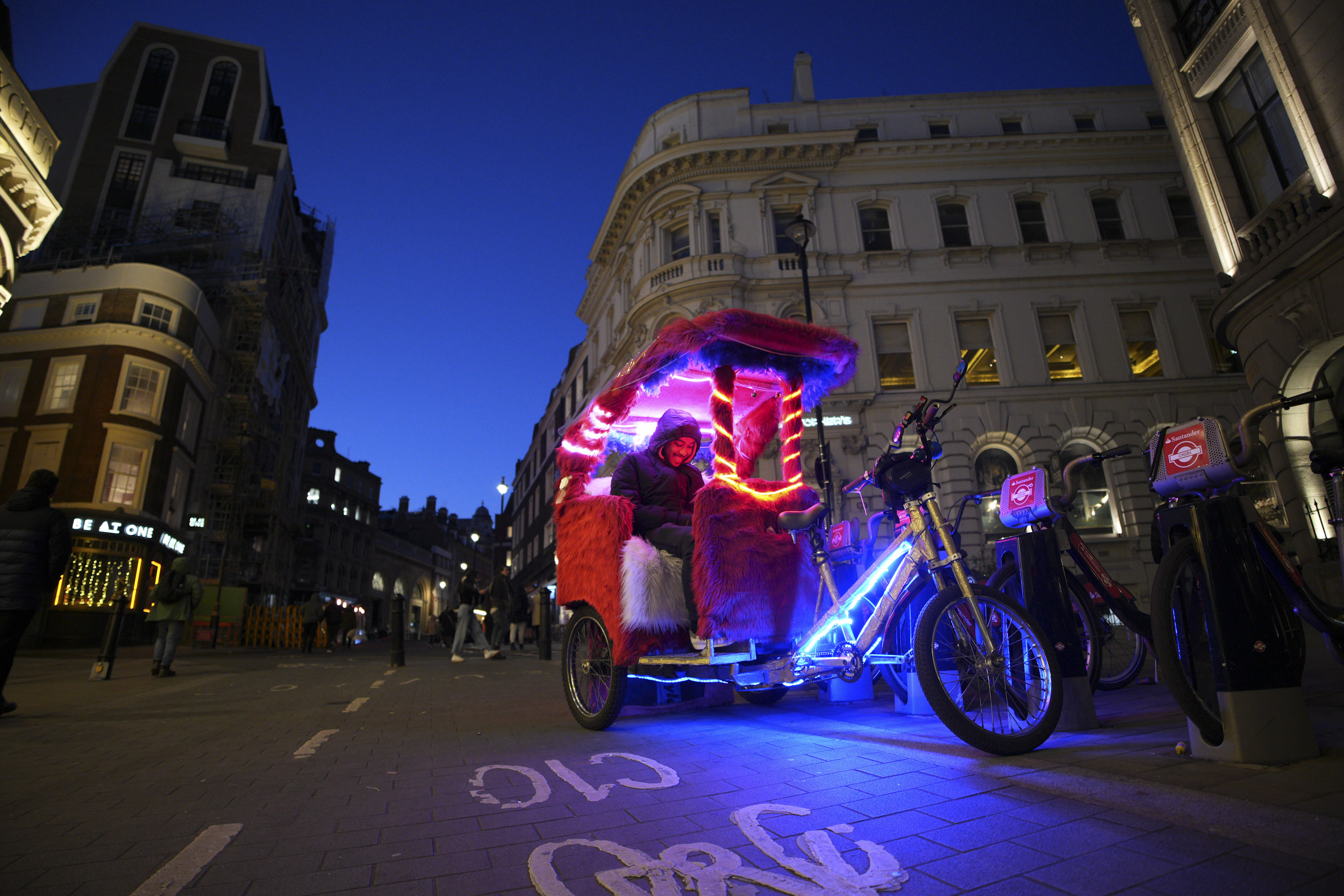
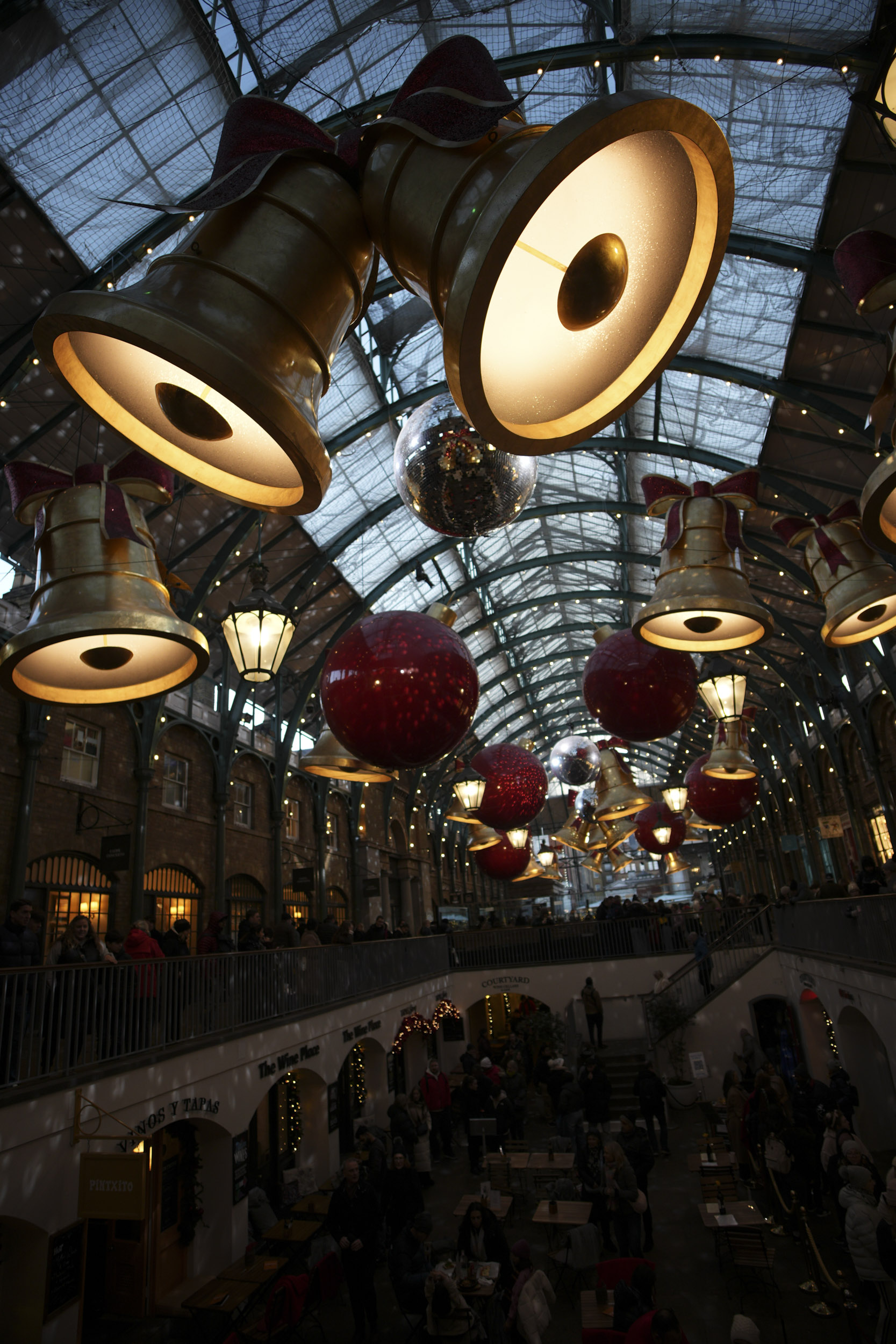
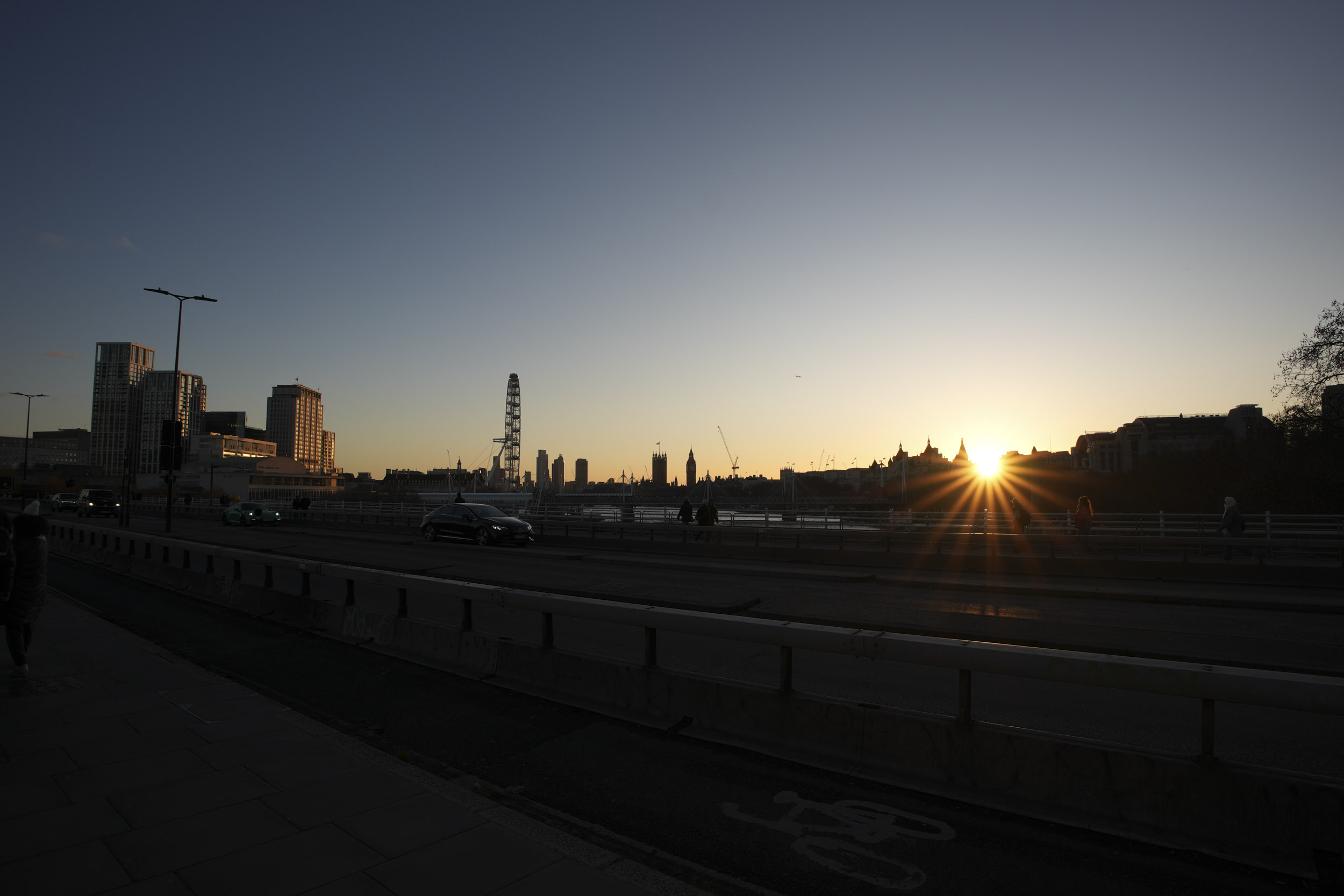
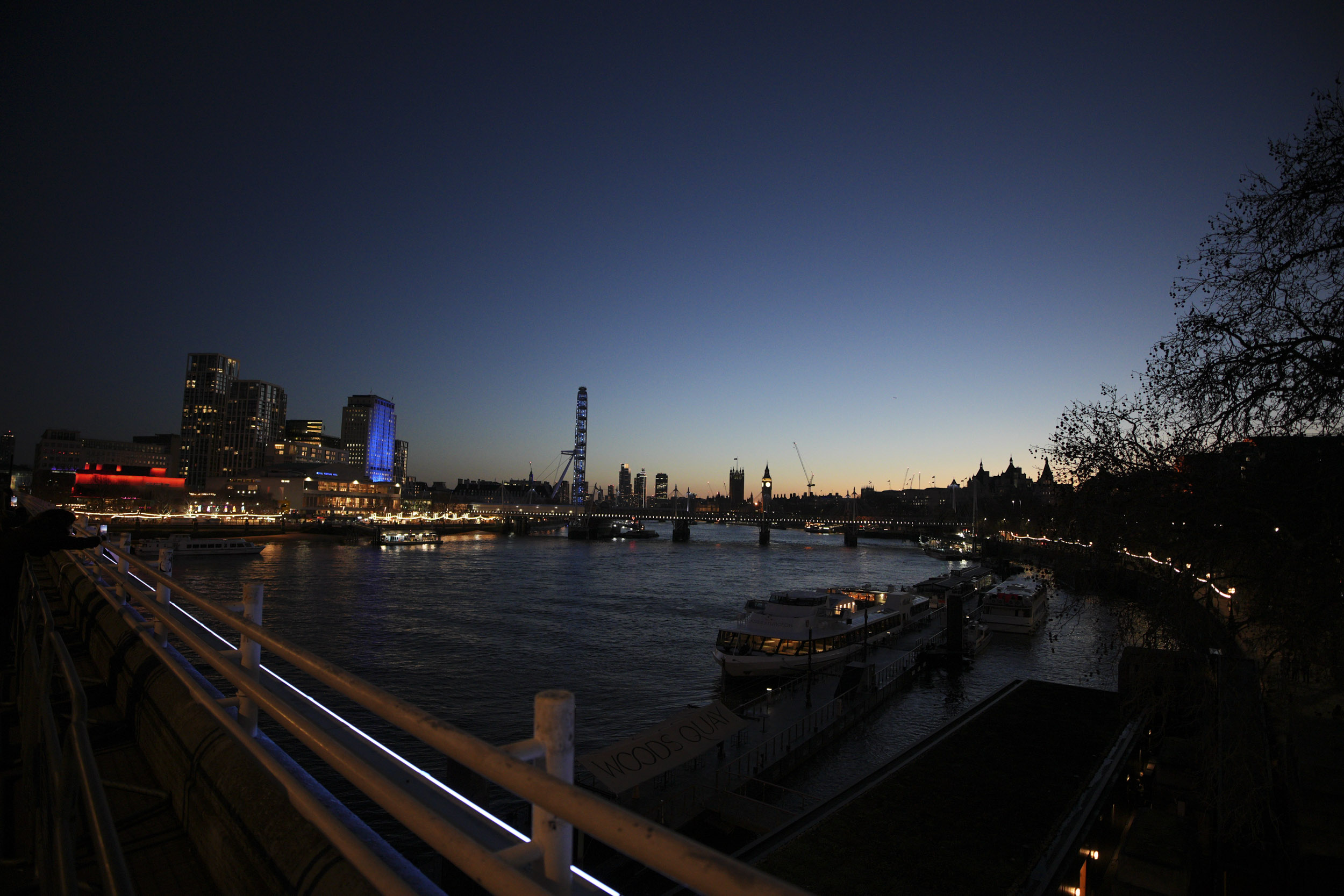
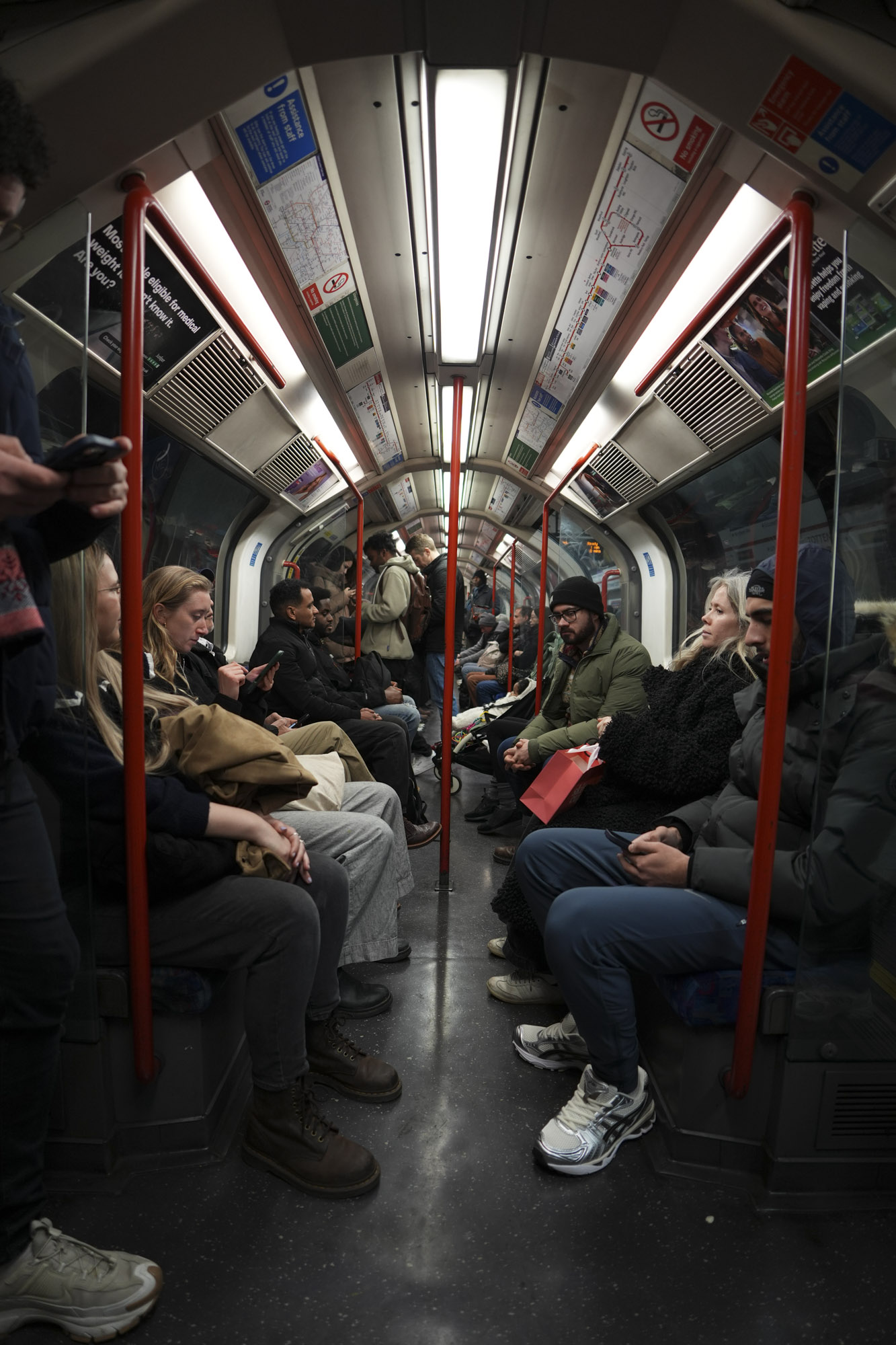
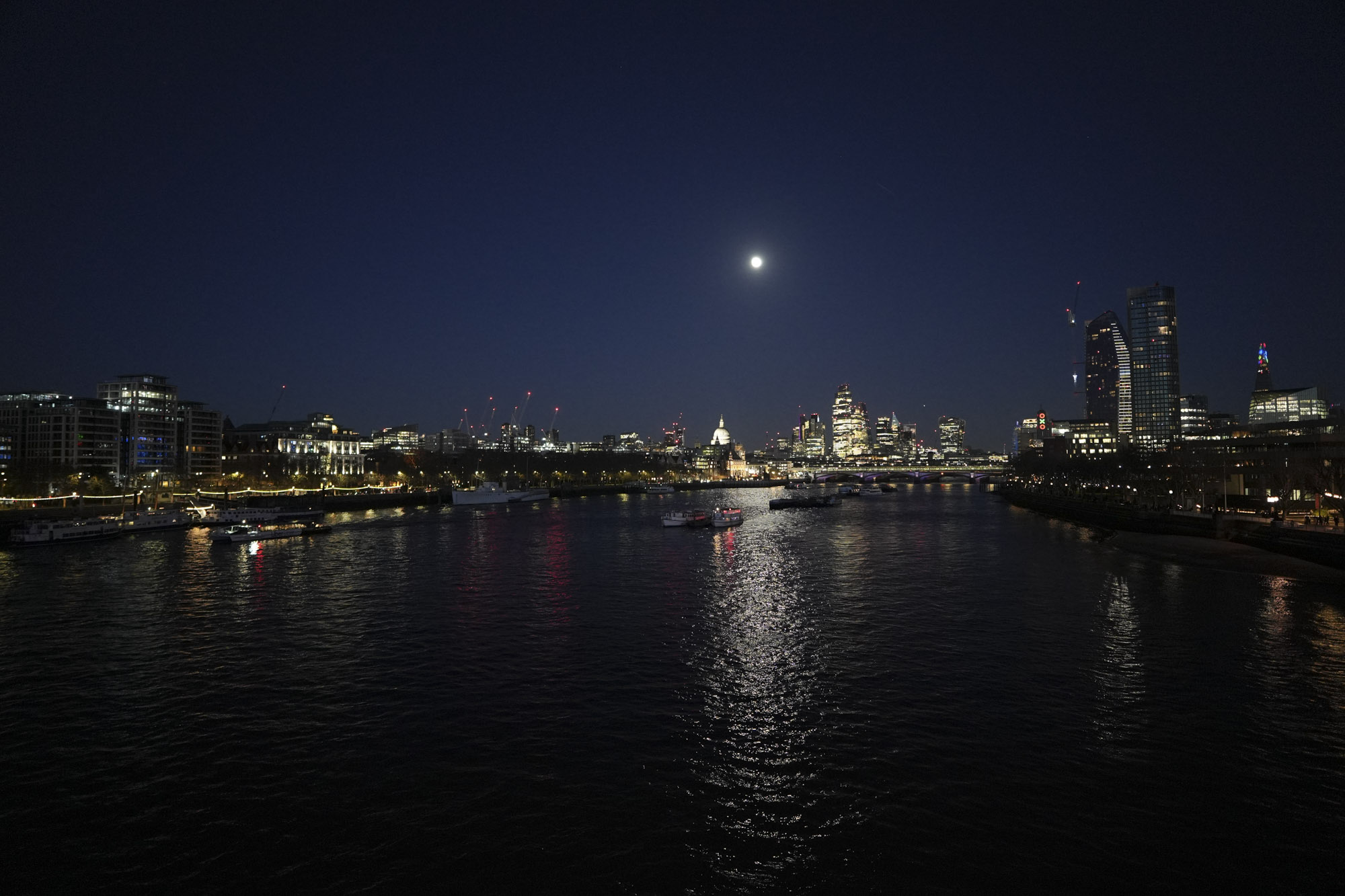
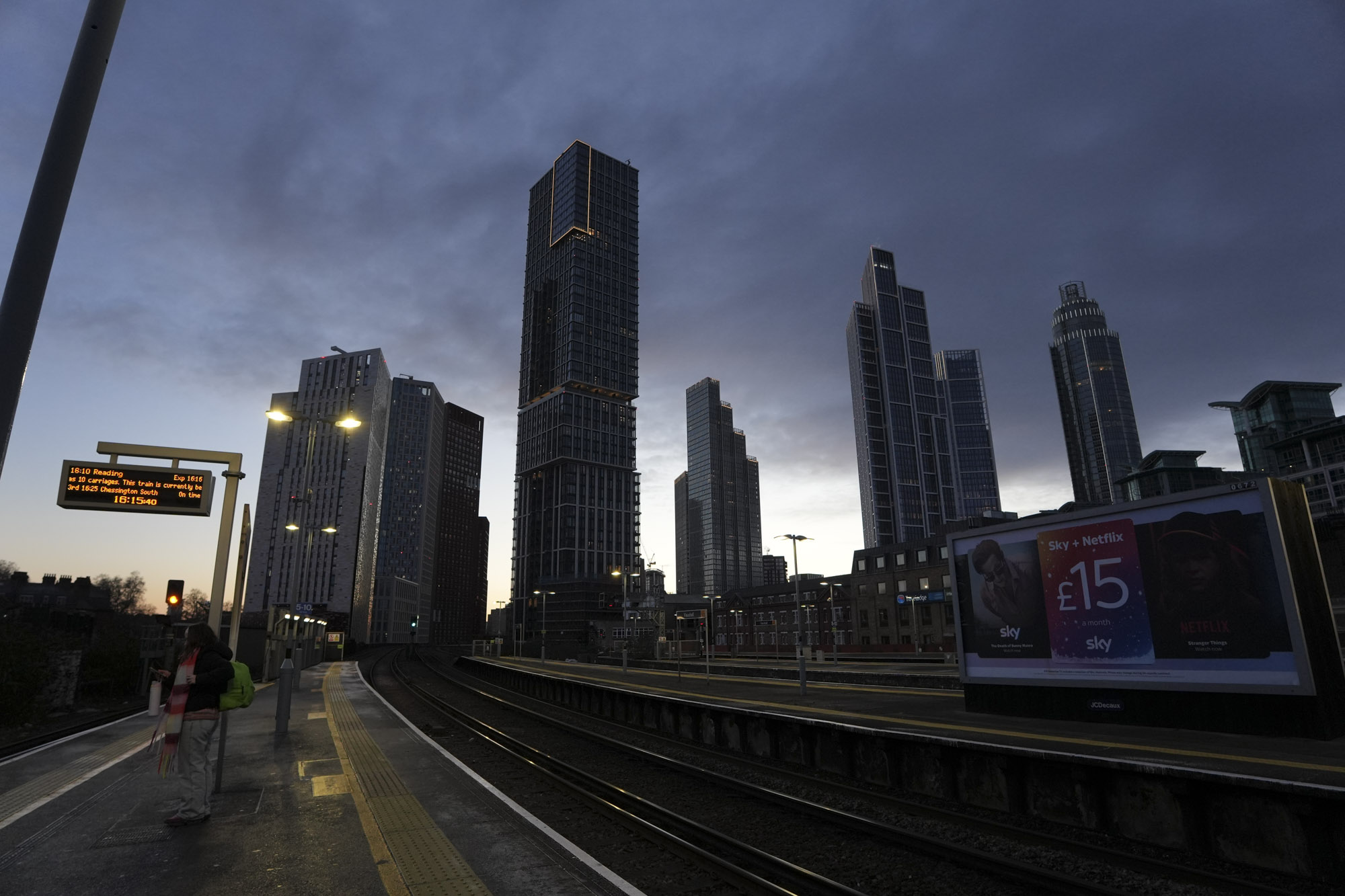
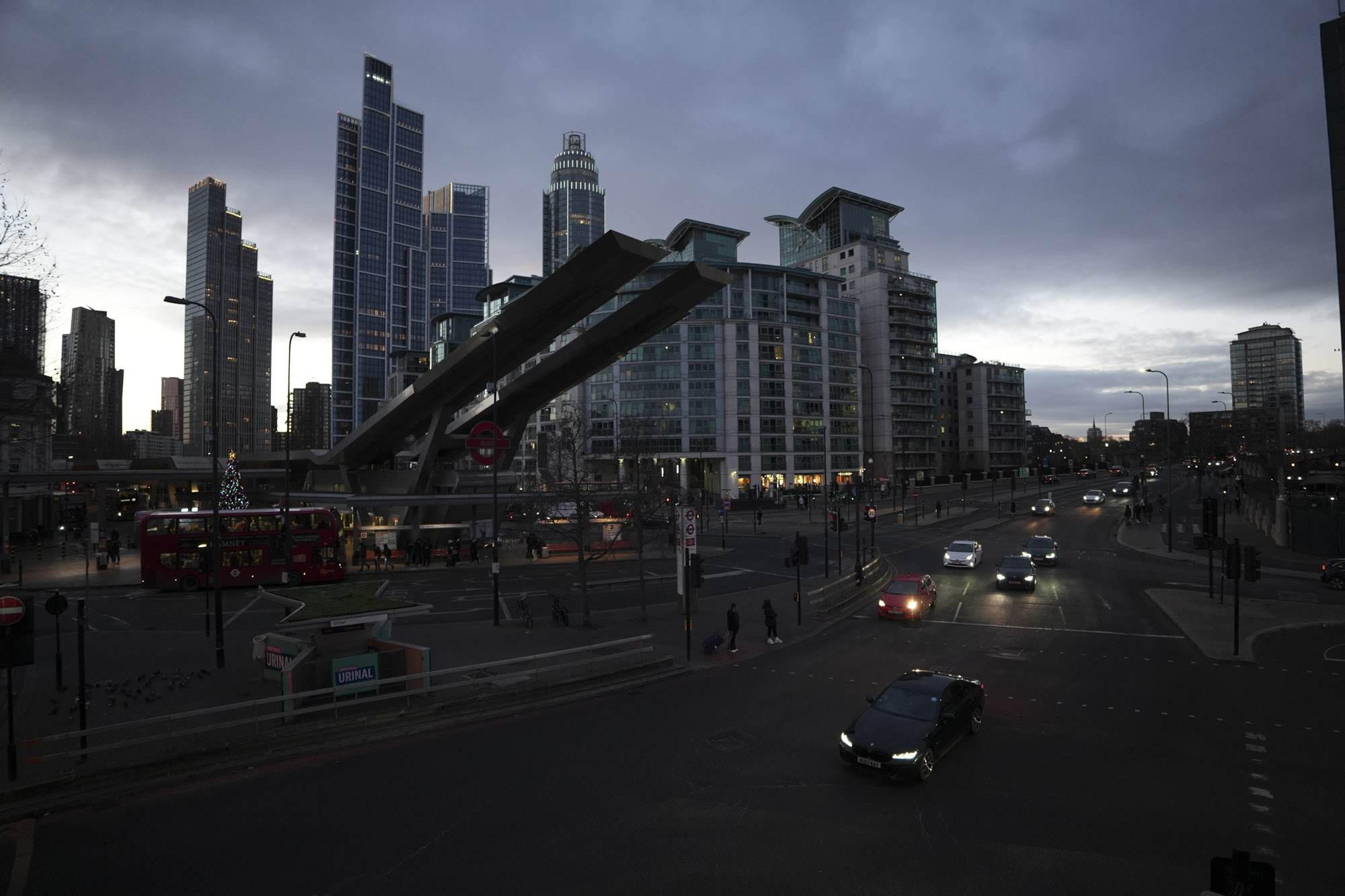
However, for an everyday walkabout lens for city shots it’s a great choice. While perhaps not the best option for exterior architecture, it would be a fantastic lens for interiors, where the wide focal length will help you squeeze more of small spaces into the frame, and its bright f/1.4 aperture will help you get good results even in dark interior spaces.
Should you buy the Sigma 12mm f/1.4 DC | C?
Buy it if...
You own a Sony E, Fujifilm X or Canon RF APS-C body
The Sigma 12mm f/1.4 is small, and pairs perfectly with smaller APS-C bodies
You need a fast wide-angle prime
This Sigma lens is the fastest wide-angle prime for APS-C bodies on the market, with an f/1.4 maximum aperture
You want to blur backgrounds
With its f/1.4 maximum aperture you can get up close and personal to your subjects, and throw backgrounds into a blur with a shallow depth of field easily
Don't buy it if...
You need the versatility of a zoom
If you don't want to be stuck at just one focal length you'll likely be better off with a zoom lens that gives you more options, though this will likely have a slower max aperture
You're on a budget
The Sigma 12mm f/1.4 is the most expensive of its rivals, which include the Sony E 11mm f/1.8, Viltrox AF 13mm f/1.4 STM and Samyang AF 12mm f/2, and while it can’t match the Sony’s wide focal length it does offer a great balance of a still very wide 12mm focal length, and that super-wide f/1.4 aperture
You like to change settings quickly
With no physical switches for AF/MF on the lens barrel it can be a slow process to change settings in the camera menu. There's also no lock on the iris ring, which means it can frustratingly be knocked out of position easily.
How I tested the Sigma 12mm f/1.4 DC | C
- I used the lens extensively for a month, shooting around busy cities in both during the day and at night
- I paired it with the Sony a6700 APS-C body as well as a Sony a7R IV full-frame body in crop mode
- I took wide-angle shots of cities, sunsets, low-light scenes, starscapes, and more
I got hold of the Sigma 12mm f/1.4 DC | C and Sony A7R IV and A6700 bodies for a month to give the lens a thorough testing over an extended period.
Due to its small size and portability the lens quickly became my go-to option when I needed to bring a camera with me for days out around cities such as London, where I shot everything from landscapes to cityscapes, sunsets, astro and still life.
I took a range of pictures with in-camera lens corrections enabled, and also turned off to see the comparison. I shot in raw and JPEG formats, and shot at all of the various apertures to gauge how things like corner sharpness and vignetting changed throughout the aperture range.
- First reviewed January 2026








 English (US) ·