
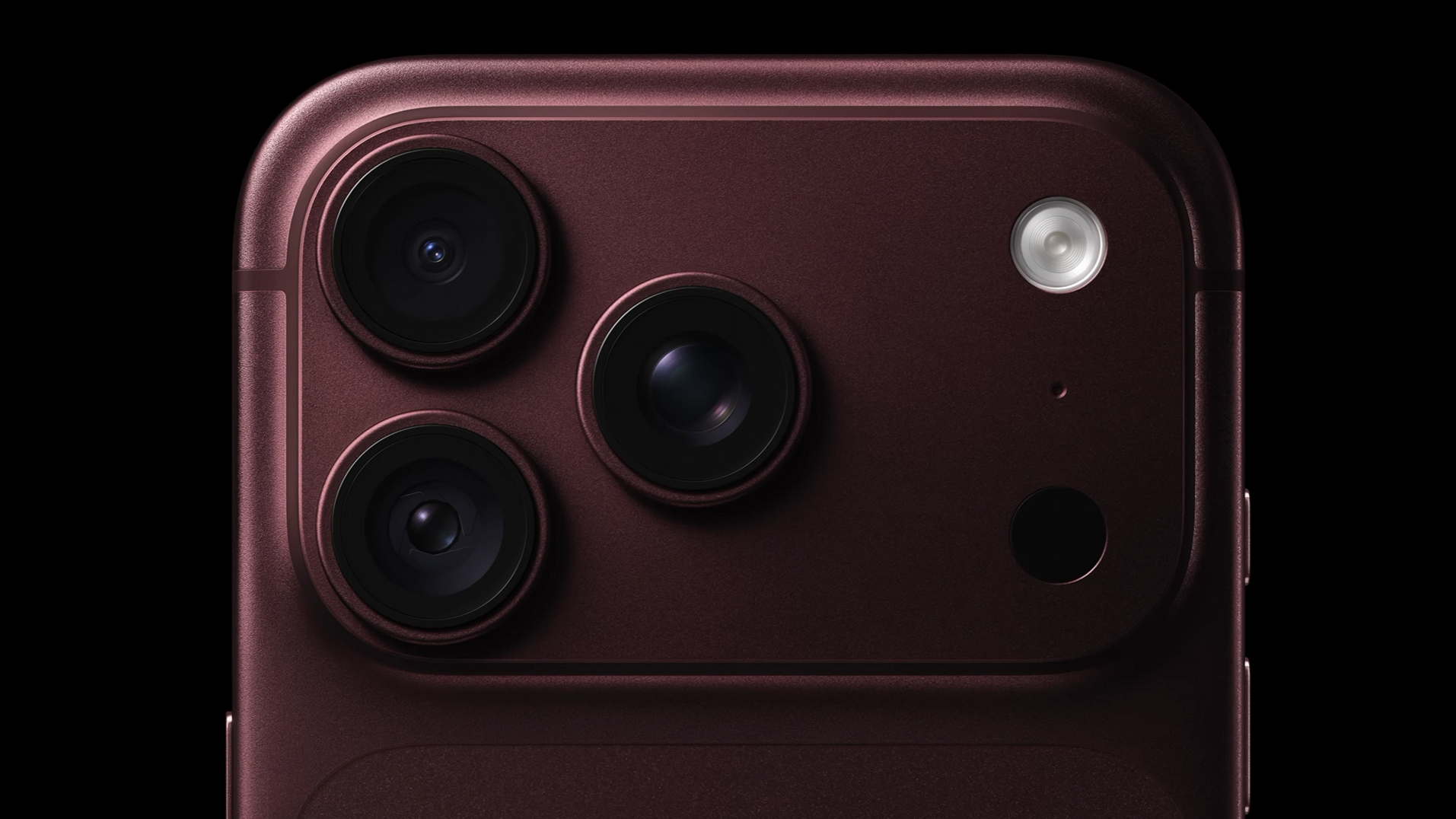
- Apple introduced a mechanical aperture for the first time in an iPhone camera
- It's included in the iPhone 18 Pro and Pro Max's main camera
- The hardware-based feature offers (limited) manual control over exposure and depth of field
In Apple's big iPhone 18 event, the headline upgrade in the new iPhone 18 camera, from my perspective as a professional photographer, is the company's first mechanical aperture ('variable aperture', as Apple likes to call it).
This feature is not only a first for Apple, it's a rarity in smartphones — Huawei equips several of its flagship devices with one, including its Pura 80 Ultra and other current models.
My 'proper' camera gear has this feature too — whether that's a premium compact camera like my Ricoh GR IV, or the lenses I pair with my pro Nikon mirrorless camera.
But what is a mechanical aperture, why would you want one, and how will it impact the camera experience in the latest crop of iPhones? Let's dive in.
What is aperture and why is it important?
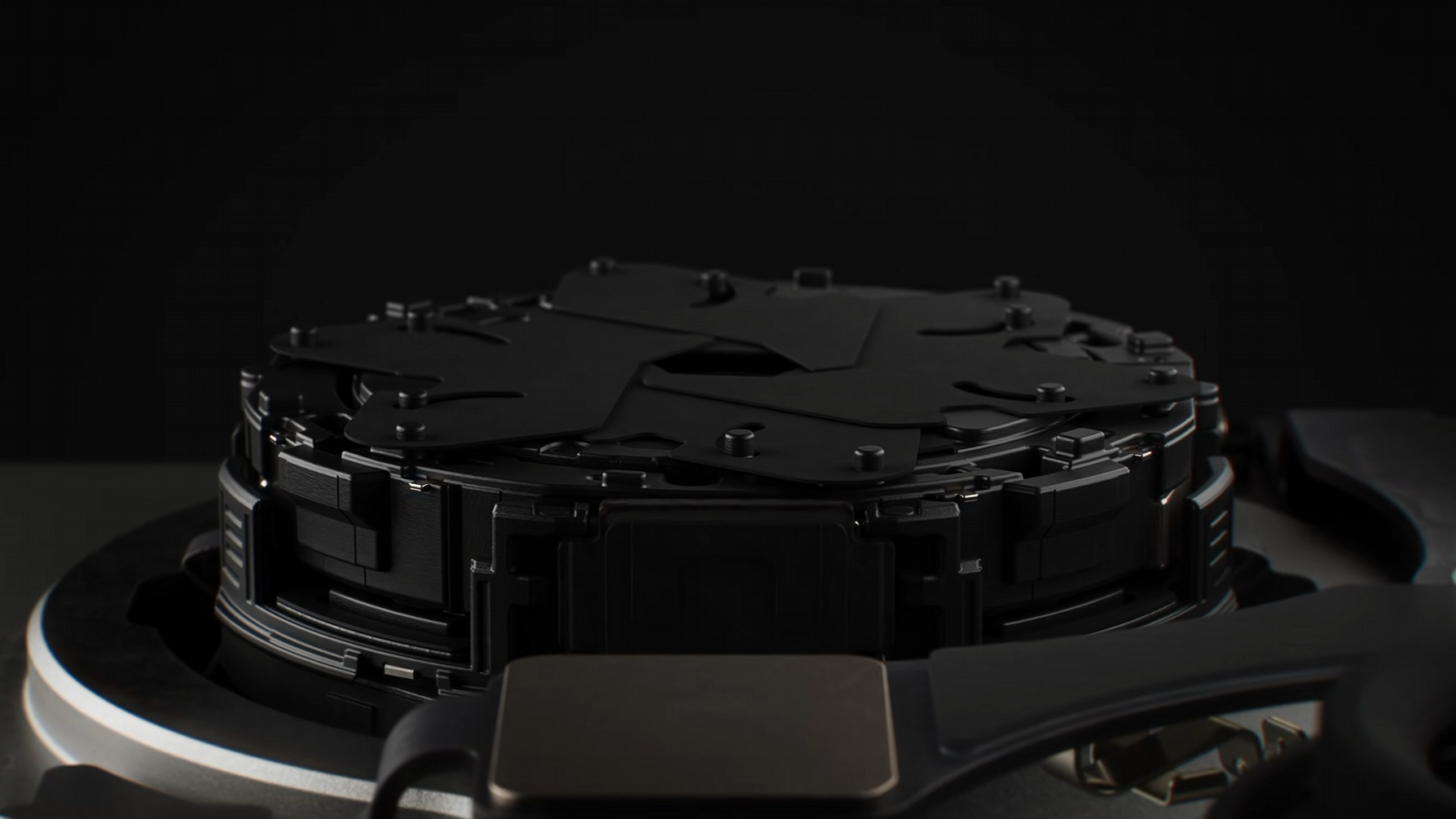
Until now, all iPhones, and indeed the majority of smartphones, feature a fixed-lens aperture. The main camera in the iPhone 17 Pro, for example, has a bright f/1.78 aperture.
That just changed with the iPhone 18 Pro series, and its six mechanical aperture blades, which are thinner than a human hair, and made from a polymer composite.
When I'm using my proper camera gear, aperture tends to be the first manual exposure control I think about — for me it's the single most important camera setting for getting the image to look the way I want, and I change it based on what I'm photographing.
Aperture size determines how much light reaches the camera's sensor; a bigger aperture lets in more light (useful for capturing detail in low light, like at night), while a smaller aperture lets in less light (ideal for, say, a bright sunny day to avoid overly bright images).
Aperture also impacts depth of field; a bigger aperture equals shallower depth of field (useful for punchy portraits when you want to blur backgrounds), while a smaller aperture results in more of the scene being in sharp focus (which is what you might want for, say, landscape photography).
With no control over aperture size, and with small sensors, most phones including iPhone rely on computational photography (software-based) to get effects such as background blur or punchy low light shots — think the portrait and night settings on your phone.
A mechanical aperture, on the other hand, can be opened-up and closed-down, according to the scene you're capturing. The Huawei Pura 80 Ultra, for example, features a f/1.6-4.0 aperture main camera. The user can manually adjust how much light is reaching the sensor at the aperture level. (Shutter speed is the other main factor of exposure.)
Did iPhone cameras just get serious?
I want to be clear from the off — the smaller the sensor size, the less impactful a mechanical aperture is regarding depth of field control.
The iPhone 18 Pro / Pro Max's sensor size appears to still be smaller than the 1-inch type in Chinese flagship's such as the Xiaomi 17 Ultra and Oppo Find X8 Ultra. As such, there's less need to close down the aperture to increase depth of field.
But you'll also notice that the iPhone 18 Pro / Pro Max's mechanical aperture range starts at f/1.48 and can be closed down to f/4 — so there's more light entering compared to the previous generation of iPhones too. Apple says this makes it great for indoor portraits and astrophotography.
Exposure control and image sharpness are the big other benefits here, though. Stopping aperture down from f/1.48 to f/4 reduces the amount of light hitting the camera's sensor, and is certainly useful when shooting in bright light.
It enables slower shutter speeds, which is super handy for video recording which natively needs slower shutter speeds compared to photography for smooth motion (and Apple has added the ability to change the shutter speed when video recording), and even for long exposure effects.
A smaller aperture can also increase image quality because you're more likely to get more in focus, and you're using the sharpest central area of the lens, which should deliver the crispest possible detail, without the softness and lens distortion that you typically get with a wide open aperture.
I still expect that that the iPhone's computational skills deliver more obvious improvements in image quality, both creatively and technically.
Portrait mode convincingly blurs backgrounds. Night mode increases light hitting the sensor at a shutter speed level, paired nicely with processing that increases dynamic range and sharpens detail.
But a mechanical aperture is sure to please serious photographers and filmmakers shooting with iPhone. For certain users and situations, it takes on some of the work rather than software doing all of the heavy lifting, and providing us more control.
It's just unlikely to suddenly make your iPhone shots way better just on its own, but I'm excited for the extra control it gives me.

Follow TechRadar on Google News and add us as a preferred source to get our expert news, reviews, and opinion in your feeds. Make sure to click the Follow button!
And of course you can also follow TechRadar on TikTok for news, reviews, unboxings in video form, and get regular updates from us on WhatsApp too.



 English (US) ·