

Guess who’s back? For the last two years, I have offered up 7 board game recommendations to help prevent you and your loved one from dying of boredom in the cold, dark winter months. I’m back again this year to do jit again, and as always, I guarantee you’ll find something to love among my picks.
I have six new entries and a returning favorite from my 2025 list because it’s simply too perfect not to recommend twice. If you’re looking for more options, you can also look at my suggestions from January 2024 or January 2025 – there are some phenomenal picks among them, including Catan, Muffin Time, Dungeons & Dragons, and 13 Beavers.
So tell a friend you have a new game to play, grab one of these seven picks, and get ready to enjoy a fantastic, fun-filled evening. Whether you’re a board game nerd too or more of a novice, I have something for you.
1. Railroad Tiles
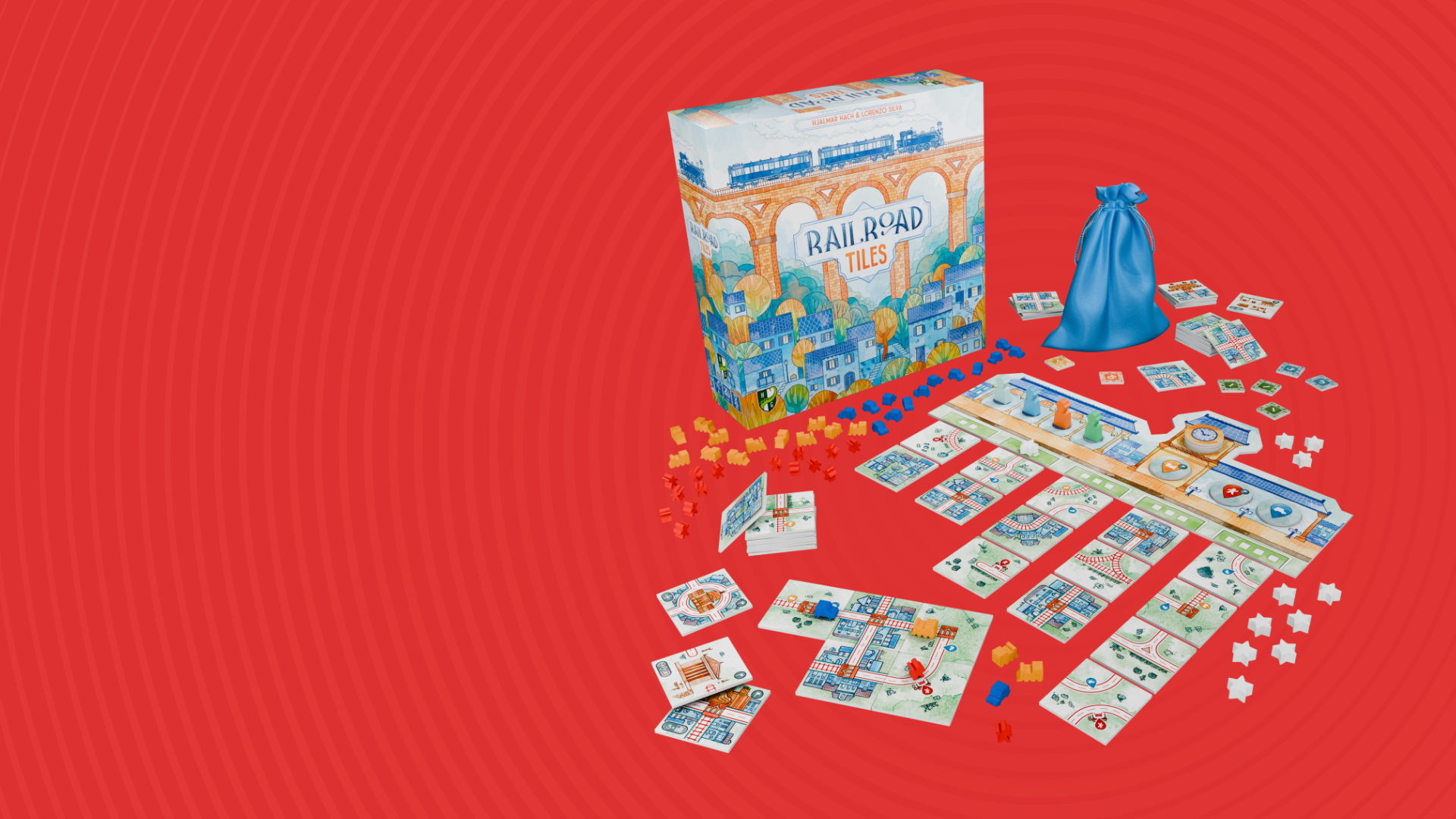
For the past couple of years, I have recommended one of my all-time favorite board games in Railroad Ink, but this year I’ve picked its sequel: Railroad Tiles.
The core concept is much the same – create an interconnected network of train tracks and streets (rails and roads) to score points. Tiles mixes things up in several ways, however, adding new game pieces, new ways to score points, and, importantly, the tiles.
Railroad Ink hits the spot for me because it uses randomness to determine which new patterns of rails and roads you can draw each turn, but everyone shares this random pool – avoiding the unfairness that can come from other games reliant on chance. Tiles keeps the randomness – determined by the order tiles are drawn – but adds a new layer of skill.
Each turn, tiles are dealt into piles of different sizes. You take it in turns to choose tile piles, and then in the following round, the order is rearranged based on which pile you took – take a larger pile, and you’ll go later in the order, while smaller pile takers will go earlier.
The skill is knowing when to go all out and gun for the largest pile, and when to play more conservatively to create your traveller’s paradise. Best of all it doesn't feel like this new element raises the skill floor by much; the puzzle-like gameplay of assembling your board with pieces is as approachable as ever, and it just means there’s more to master if you end up playing this game over and over.
Plus, there are extra rules and expansions to add into the mix as you improve, which is always a great way to keep these games fresh after many plays.
2. Sounds Fishy
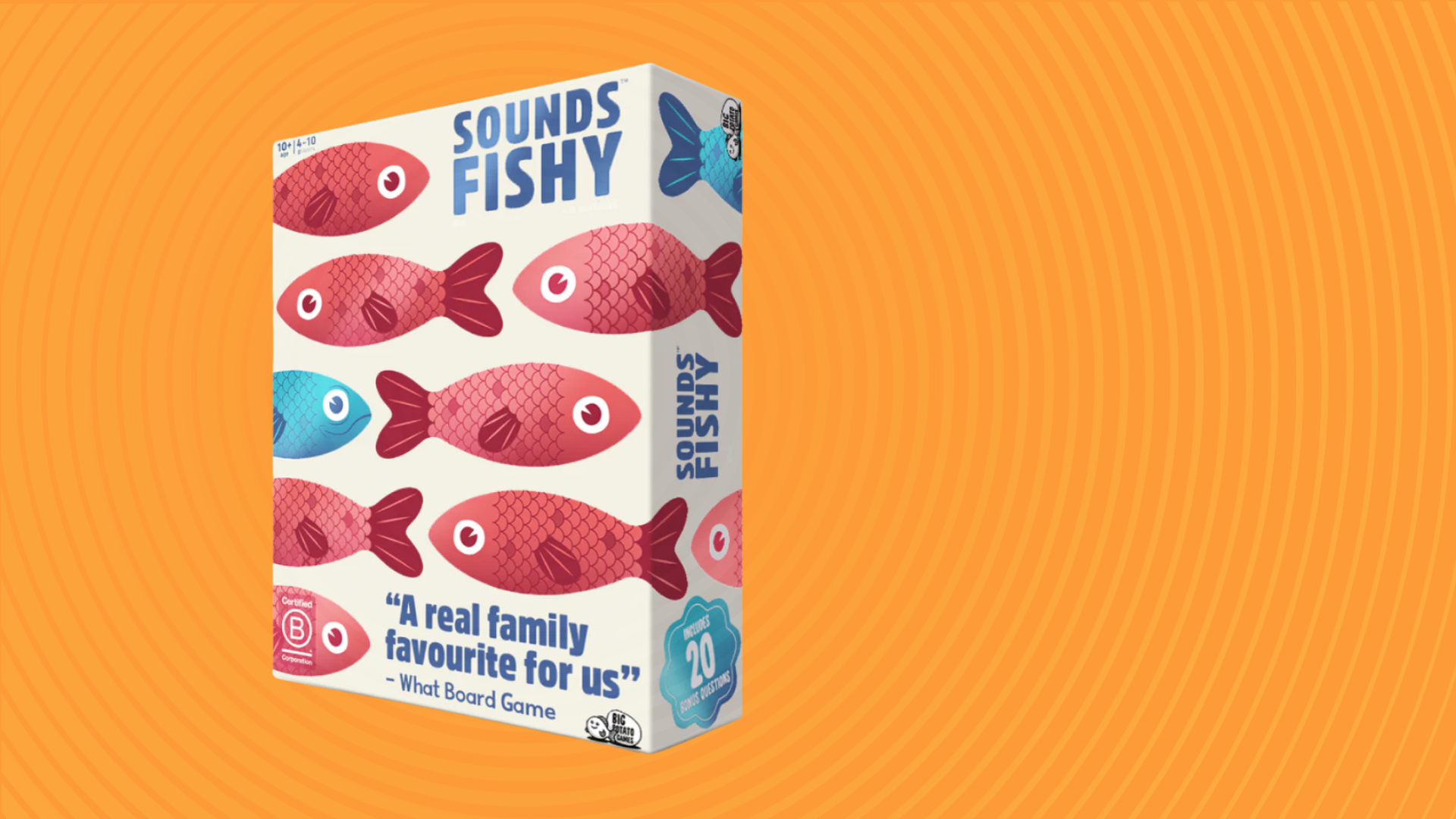
Winter is the perfect time to be with family, but finding a game you can all enjoy and be good at can be a struggle – that’s where Sounds Fishy comes in.
This ‘trivia’ game is simple enough. On their turn, each player reads aloud a question from the deck, while showing every other player the answer on the back of the card. Those other players are then secretly dealt a fish tile, which is either red or blue – don’t show the question asker your color, though.
They must then either make up an answer to the question, or if they’re the blue fish, say the correct answer – with the red fish hoping to get picked and the blue fish hoping to stay hidden.
What I love about this game is that it inspires creativity from the red fish players, and while there is some trivia element, the questions are usually so random that you almost certainly won’t know the answer when reading the question, so there’s no disadvantage for younger players, something which I remember made me not love Trivial Pursuit as a kid. It’s much more of a game about finding out liars, and using your intuition – something everyone can be good at.
3. Flip 7

The problem with being a board game nerd is that while I love games with a bajillion rules and pieces, not everyone is in my boat – and these more complex picks can be impossible to get a good group for (looking at you, Cosmic Encounters, I love it, but no one will play it with me).
Flip 7 is the total opposite. It’s probably the easiest game I’ve played in some time, and also the best.
The goal is simple: score 200 points. You do that over many rounds by being dealt cards and choosing to stick or twist – kinda like Blackjack. If you stick, you bank the total you’ve been dealt; if you play on, you can potentially score more or go bust by being dealt a card you’ve already been dealt.
The unique deck is made up of 12 twelves, 11 elevens, 10 tens, and so on down to one 1, and one 0. So the higher value cards are a double-edged sword – you score more, but are more likely to go bust with them.
There are also special cards that give you a second chance, or force any player to Flip Three in a row, and there’s the Flip 7 of it all – if you Flip over 7 unique number cards in a round, it instantly ends, you score every card you’ve been dealt, plus some bonus points for your troubles.
Every person I’ve played Flip 7 with has loved it. It’s accessible to younger and older players, people who love board games, and people who usually struggle with them. If I could only recommend one game this year, it would be Flip 7; that’s how much I love it.
4. Riftbound
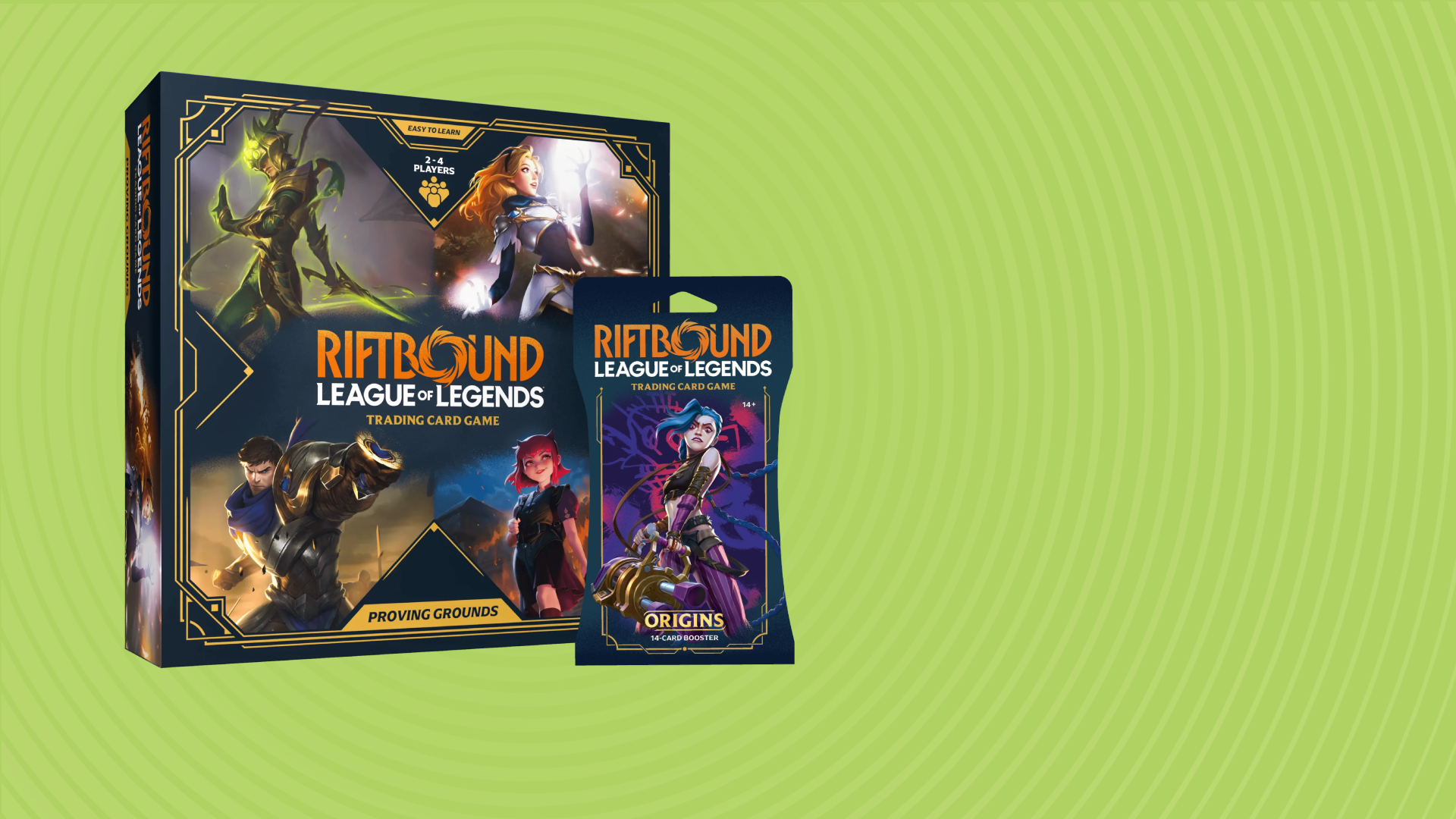
I’ve written about Riftbound a few times now, and I’m as in love with the League of Legends TCG as when I first played it – and I say that as someone with only minimal experience with the MOBA it’s inspired by. So if you know nothing about League, you can still love this game.
It’s pretty simple to play. You choose your Champion and Legend – some cool character who represents your deck – and head into battle against one or more opponents, depending on which format you’re playing. Using cards representing spells and units (anything from pirates to robots to strange, gremlin-like cuties), you fight over locations in a king-of-the-hill style game as you try to rack up points by winning and holding these special spaces. The first to eight points wins.
There are a few other rules to follow, but as someone who has played many TCGs I’d argue Riftbound is one of the most fun and accessible I’ve experienced in a while. I mean, I went from having played casually a few times to making the Top 8 at a local competitive event – and I wasn’t the only player there who did the same. Every match I played was a blast, even the two I lost (including the one that eliminated me from the tournament).
While not technically a board game, there is a product called Proving Grounds, which basically is one – it comes with game pieces and four reasonably powerful decks that play well against each other, and it’s super accessible to complete newcomers.
The only issue is availability. Proving grounds is (at the time of writing) essentially impossible to buy – a combination of over demand and under printing – and regular packs are tough to find too. Riot – the team behind Riftbound – has, however, promised to print a lot more of this game, and so I’d highly recommend keeping your eyes out for this one in 2026 because it is simply so excellent.
5. Herd Mentality

My second party game of this list, Herd Mentality, encourages groupthink and is the perfect game to get to know people better – or test how well you really know your friends and family.
Each round, you'll be given a subjective topic like “What's the best kind of soda?” Or “What’s the first thing you do in the morning?” Your goal isn't to necessarily give a truthful answer. Instead, you want to say what you think other people will say as you score points for thinking like the herd.
If you think too individually, you're also at risk of being declared the pink cow, which sees you being given a pink cow figure to hold onto – and while holding it, you can’t win.
This and Flip 7 are also easy games to play when you aren’t sober. As always, please drink responsibly, but sometimes, after having a few, you want a game to play that is fun yet simple. These two picks are the ones you're after.
6. Pandemic
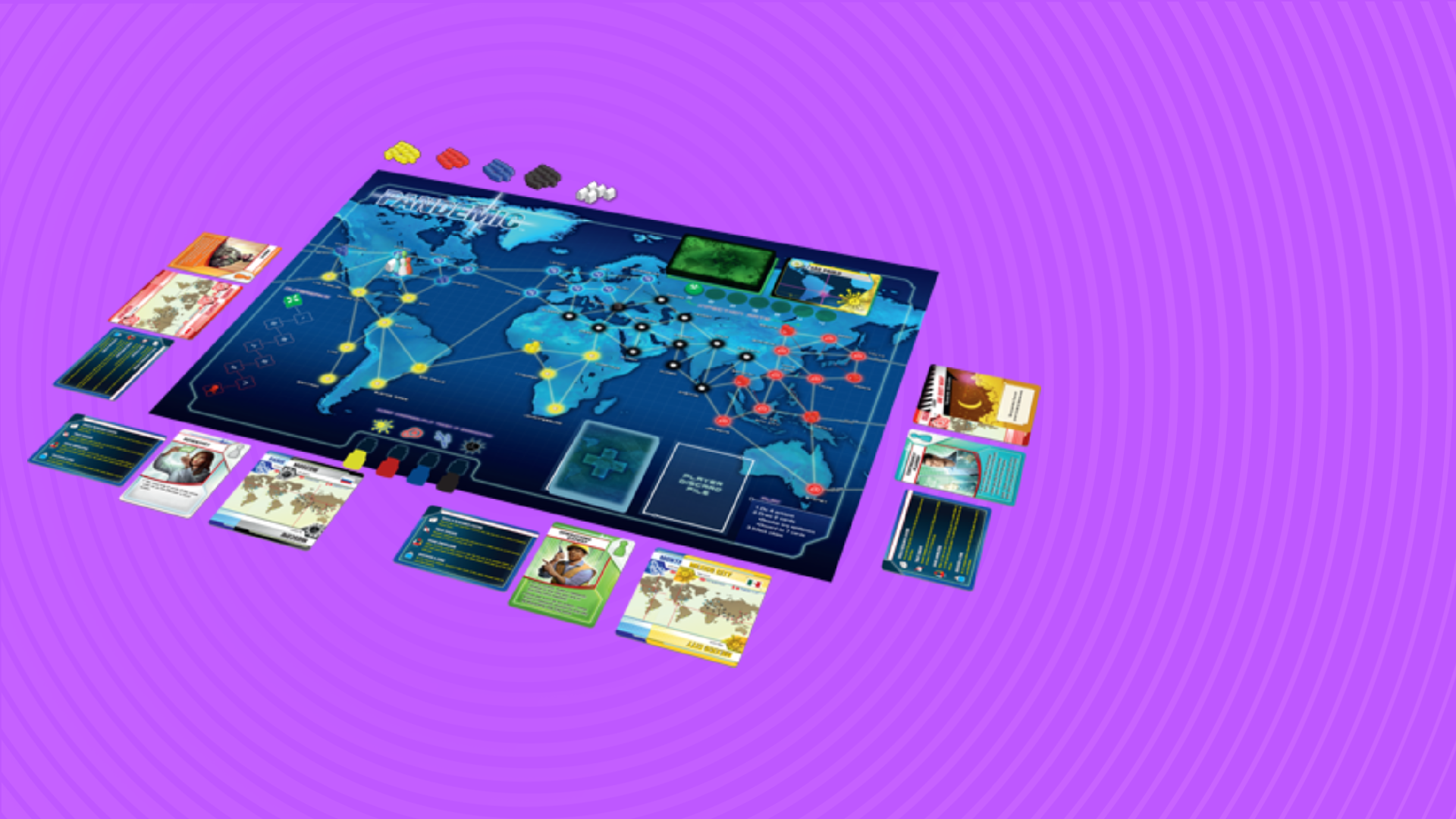
I’m sure some folks wish this word died in 2021, but Pandemic is an all-time great co-op game – perfect for groups that would rather work together than tear each other apart during their next board game night.
You work as a team of two to four players to stop the spread of four deadly diseases – taking on various randomized roles in the medical expert field to develop and distribute a cure to each – before the world collapses.
I picked Pandemic up in 2020, like a lot of other people actually, and I still enjoy playing it years later. Winning can be quite challenging, with the situation spiralling out of control if you aren’t careful, but that only lends to the satisfaction of winning when you do eventually win your first game.
Much like Railroad Tiles and other games out there, you can also add extra rules and purchase expansions to up the difficulty and replayability of Pandemic if you play it as much as I expect you will.
My personal favorite house rule is that players can only communicate with the person who moved before them – or a player they share a space with. This adds to the sense of global chaos and helps stop one leader from emerging and telling every other player how to act perfectly on their turn. You might win less, but I’ve found it makes playing more fun.
7. Arcs
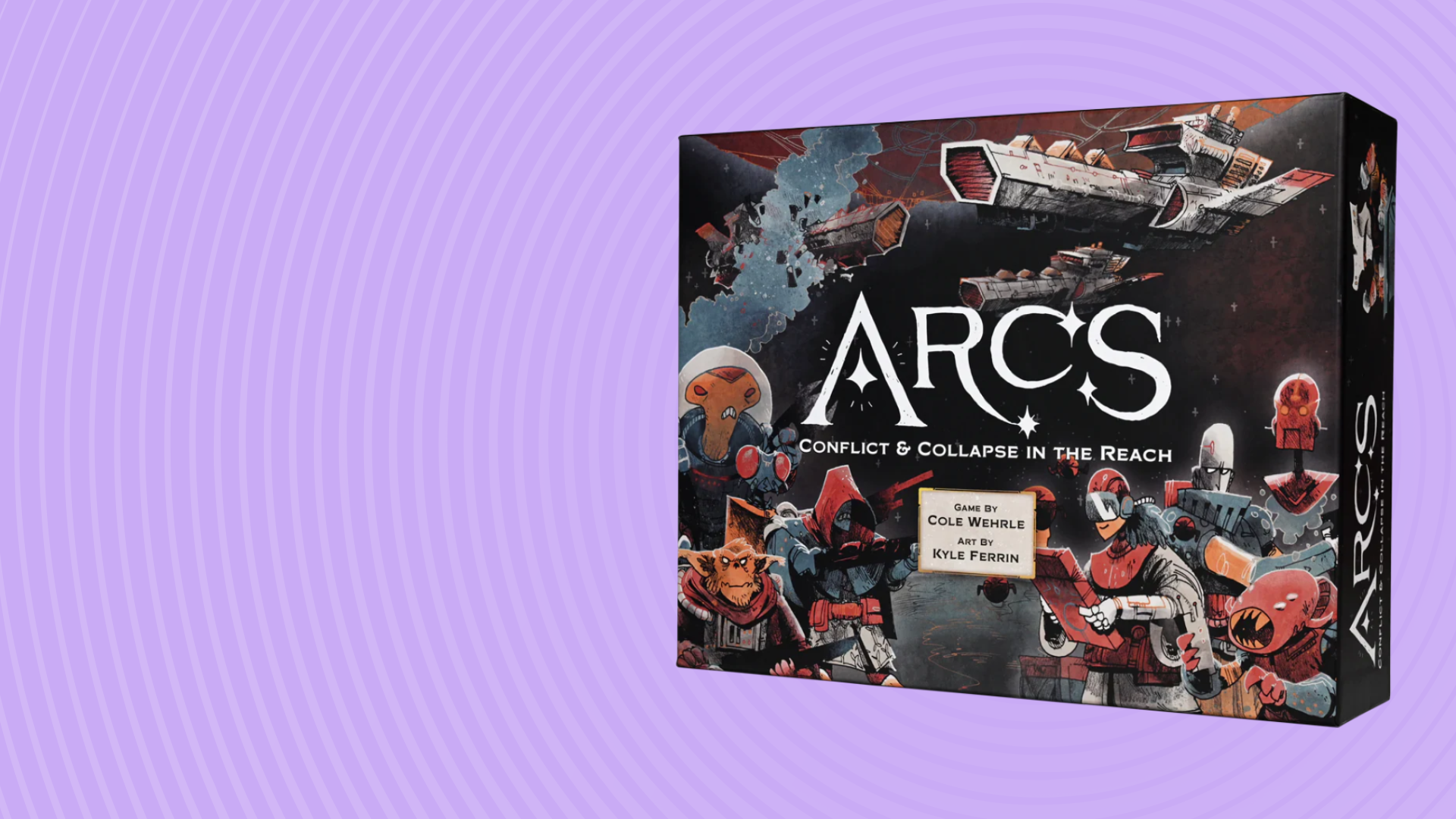
Let’s round things off with the returning entrant from last year’s best board games list: Arcs.
This strategy game is just incredible. You and up to three other players take on the role of warring space factions out to colonize planets and conquer the galaxy. You do so over five chapters made up of multiple turns, where you play a card to perform its assigned actions. There are four suits, each with a unique collection of abilities like Battle, Tax, Move, or Build.
Each suit is also numbered 1 to 7, with lower numbers letting you take more actions and bigger numbers giving you a greater chance to go first in the next round.
Going first is important for two reasons: you get to control what the rest of the group can do that turn, and you can decide what you're scoring for that chapter. That second part is why I love Arcs, because it isn’t always about simply fighting; sometimes it's about who has mined the most of a resource, or captured the most spies.
This means you have to keep track of several different things at once, but it does also give players some chance to catch up from behind if future chapters require win conditions they're better prepared for.
The only downside is this complexity, while a delight, makes Arcs less accessible to non-gamery folks. People who don't mind tracking all the various moving pieces, however, are in for a treat.
Follow TechRadar on Google News and add us as a preferred source to get our expert news, reviews, and opinion in your feeds. Make sure to click the Follow button!
And of course you can also follow TechRadar on TikTok for news, reviews, unboxings in video form, and get regular updates from us on WhatsApp too.








 English (US) ·