
Our Moon is about to put on a show: its first total lunar eclipse of the year, and this time it will be a "blood moon."
A lunar eclipse occurs when the Earth blocks the sun, casting a shadow on the moon. While that should thrust the big gray, 4.53 billion-year-old orb into darkness, the Moon can instead appear red. According to NASA, some light from the sun does filter through Earth's atmosphere and cast orange-hued light on the Moon. Depending on how deep the orange is, some people think it appears almost red.
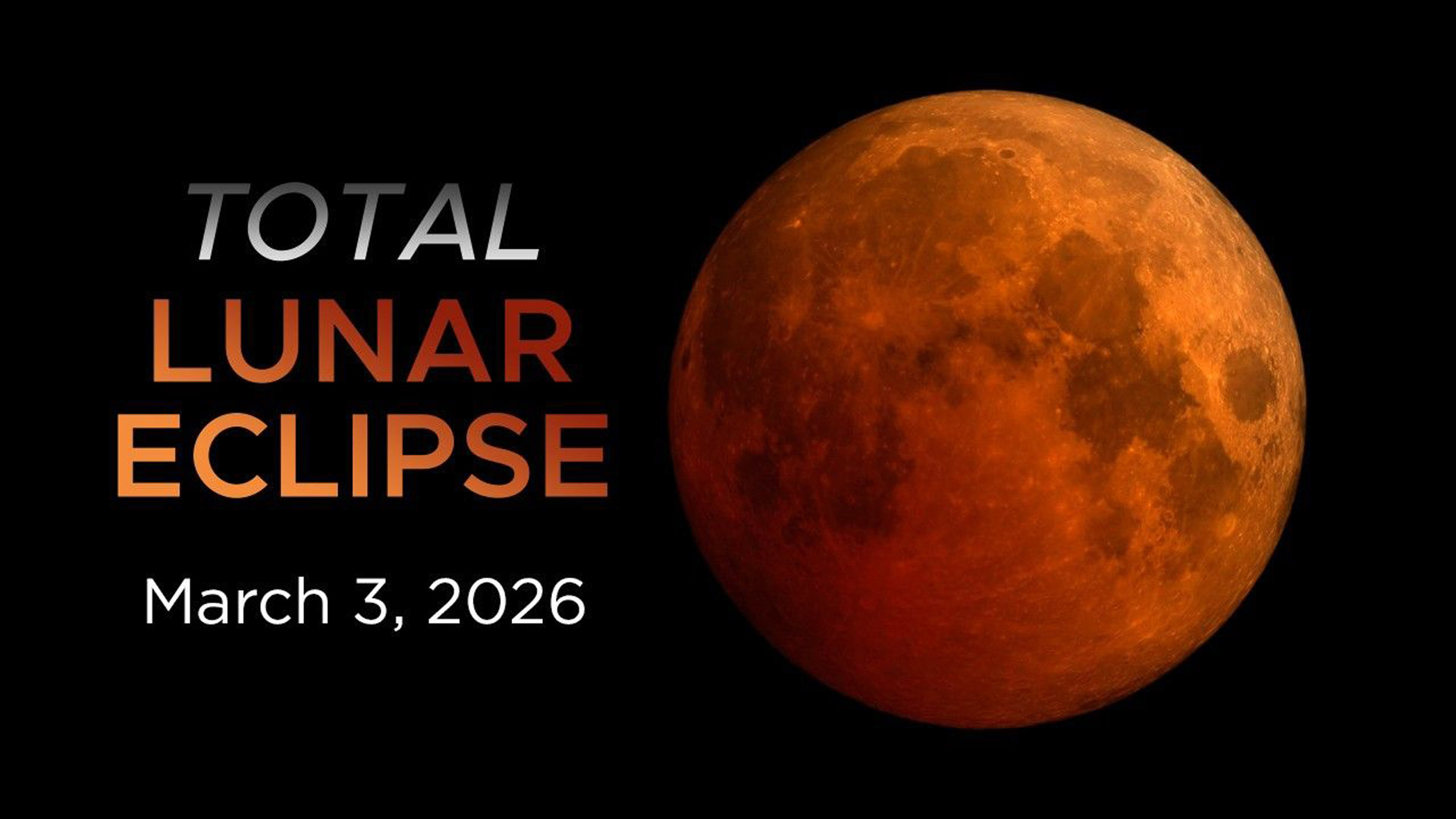
This event begins on March 3, 2026, which means it's only hours away. It will be viewable in North America, Central America, Asia, and Australia. In the US, we should start seeing the lunar eclipse starting around 3 AM ET. It may be complete by 6 AM ET. Aissdia and Australia will see it in the early evening of the 3rd.
Depending on the weather, you may be able to view the lunar eclipse with the naked eye. However, cloud cover (which is expected in the Northeast US) means you might not be able to view the Blood Moon.
In that case, there is at least one YouTube live stream that you can bookmark and use to watch when the lunar event begins.
LIVE: Total Lunar Eclipse (Blood Moon) - March 2–3, 2026 - YouTube
See it, capture it
If you plan to photograph the Blood Moon with your best smartphone, try to use the top optical zoom on yourphone, say 8x on the iPhone 17 Pro Max and 10x on the Samsung Galaxy S26 Ultra.
We don't recommend using any zoom that goes beyond the phone's optical capabilities, since image processing might introduce AI artifacts that, while making the photo look good, will not necessarily be photos of this lunar eclipse. Instead, they'll be AI's interpretation of the event.
If you can take a photo with terrestrial objects in the foreground, like people, buildings, trees, and landmarks, you'll give the image more context. Also, if you have a digital SLR with a long lens, use that. The photo above was captured with a Sony Alpha A6000 with a 200MM lens.
Follow TechRadar on Google News and add us as a preferred source to get our expert news, reviews, and opinion in your feeds. Make sure to click the Follow button!
And of course, you can also follow TechRadar on YouTube and TikTok for news, reviews, unboxings in video form, and get regular updates from us on WhatsApp too.








 English (US) ·