
 Image via A24

Published Feb 18, 2026, 9:00 AM EST
Ross Bonaime is the Senior Film Editor at Collider. He is a Virginia-based critic, writer, and editor who has written about all forms of entertainment for Paste Magazine, Brightest Young Things, Flickchart, The Free Lance-Star, and more. Ross graduated from George Mason University with a focus in communications and journalism and a minor in film and video studies.
Ross is a Tomatometer-approved critic, a member of the Washington DC Area Film Critics Association, and a member of the Critics Choice Association. He has loved movies ever since he saw Cinderella in the theater as a kid, he can quote 10 Things I Hate About You and Wet Hot American Summer from memory, and is fascinated by all things Georges Méliès and Charlie Chaplin.
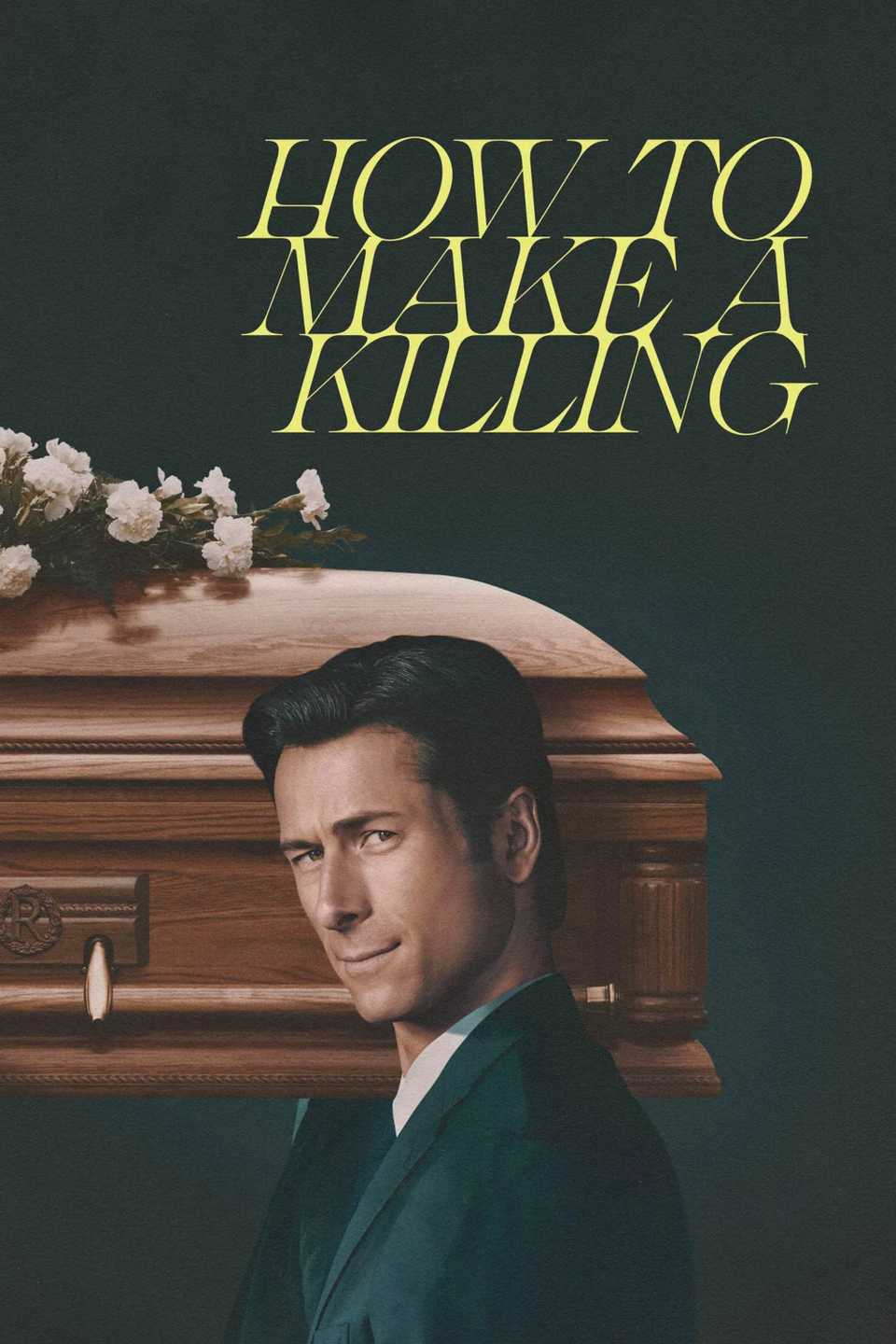
In 2022, writer-director John Patton Ford made his feature debut with Emily the Criminal, a crime thriller in which a woman who desperately needs money takes a shady job to help her make ends meet. While Ford never hid the deeper themes of his film, Emily the Criminal was a tense drama first, that just so happened to be framed within the context of struggling with poverty and the difficulty of getting out of such a desperate situation for those who need help. With his second film, How to Make a Killing, Ford makes the subtext, and it’s not quite as effective as it was in his previous movie. Here, Ford is still addressing what income inequality and economic immobility mean in a world where the rich get richer and the poor fight for what they can get. While Ford’s film is a good bit of fun, mixing together Scott Pilgrim vs. the World and No Other Choice (although not nearly as good at either), How to Make a Killing is more interested in its “eat the rich” concept rather than making a solid thriller, and the difference can absolutely be felt.
Glen Powell Is Basically a Blue-Collar Scott Pilgrim in ‘How to Make a Killing’
Glen Powell stars as Becket Redfellow, whose mother was disowned by her wealthy family when they discovered she was pregnant. However, Becket’s mother raised him as though they had money, reminding her son that one day, he would eventually receive the family inheritance. Becket’s mother died when he was still young, saying on her deathbed that he shouldn’t give up on trying to have the “right kind of life.” Years later, Becket is doing fairly well for himself. He's working at a quality Manhattan suit shop and is an ambitious go-getter still aiming for the big promises of his family fortune.
But one day, he receives a visit at his work from his childhood love, Julia (Margaret Qualley), who reveals that she’s engaged, but that Becket should call her once the other potential inheritors of the Redfellow’s billions have died. Soon after, Becket’s employer plans to move him to work in a factory rather than in the shop, and his Staten Island apartment just isn’t doing it for him anymore. Taking Julia’s advice, Becket decides to get what he believes to be rightfully his by systematically killing the seven people between him and $28 billion in inheritance money.

Related
Yet as Becket starts working his way through his family members, his life, coincidentally, starts getting better. After killing his partying cousin, Taylor (Raff Law), his uncle Warren (Bill Camp) gets him a job. When he does recon on his next victim, Noah (Zach Woods), a faux artist who calls himself "the white Basquiat," he meets a potential love interest in Ruth (Jessica Henwick). Even though his life is certainly looking up, Becket continues down his path of murder and climbing up this ladder, with the hope that he’ll be able to kill his way to the right kind of life.
How to Make a Killing begins at the end, as we find Becket confessing his sins to a priest on the day of his execution. We clearly know that things haven’t gone well, as Becket states that the ending is a tragedy. He’s already let his love of wealth get the best of him, as he quickly admits that money does buy happiness and that he shouldn’t pretend it doesn’t, while his previously dirty blonde hair has turned jet black. The film starts by showing that money has corrupted Becket, and it works backwards to reveal what led to this change.
'How to Make a Killing' Loses Sight of Its Concept and Supporting Cast
However, Patton’s intent to put his message at the center of everything dilutes what power this story could have. Instead of trying to create a dark-comedy thriller, How to Make a Killing is pushing its fairly obvious criticisms about the wealthy in our face right from the beginning. Again, while Emily the Criminal was a thriller first, keeping its strong message about our world of financial inequality in its back pocket, How to Make a Killing wears its message on its sleeve, and reminds us at every turn what it’s trying to say about wealth.
This isn’t inherently a negative way to go about this type of narrative, but it does start to get in the way of the story the further down this path that Becket goes. Becket “taking care” of his family almost feels like an afterthought, despite these characters having strange personalities that seem worth exploring. For example, Topher Grace plays Steven J. Redfellow, a pastor with his megachurch who loves blasting Relient K and swinging his samurai sword. Yet, the film rushes through meeting him and many of these family members, more interested in getting back to Becket in his flourishing life, to remind us that he doesn’t need to go down this route anymore. The concept is one Patton could have a lot of fun with, but it just wants to get back to its message as quickly as possible.
'How to Make a Killing' Isn't Bringing Much New to "Eat the Rich" Films
 Image via A24
But it does this all in service of a story with concepts that we’ve seen in similar stories over the last few years about greed, the wealthy, and those who want to become rich. Money and power corrupt, being content is never good enough, and morality is easy to shake when money is on the mind. Patton’s script is trying to be more complex with these ideas than we’ve seen in films like The Menu or Ready or Not, but he’s essentially echoing the same themes once again without any added depth.
That being said, How to Make a Killing is a clever, fun idea, but it’s easy to see how this concept could’ve been more entertaining and leaned into its concept a bit more. This is a fun role for Powell that uses him in just the right way, even though it’s a bit hard to believe his character would kill for such simple reasons as “because I started this.” But Powell is just the right level of charming and morally questionable for this role, and Qualley gets to basically become a film noir femme fatale, manipulating and maneuvering her way into destructive choices. Also quite wonderful is Jessica Henwick, who doesn’t get enough to play here, other than being the frustrated girlfriend, but she makes what she does get work. Speaking of characters who don’t get enough time, Bill Camp’s Warren is also an intriguing character who brings a bit of gray into a story that needs a bit more moral ambiguity.
This is all to say that How to Make a Killing is a fun, albeit flawed thriller drama with a mildly dark sense of humor. Patton proves that he can take on a bigger film than Emily the Criminal, as the style and feel of the film are quite solid. Especially strong is the score by Emile Mosseri (Minari, The Last Black Man in San Francisco), which keeps this story propulsive and exciting. It’s clear Patton wanted to approach the world of wealth and power on a larger scale than he did before, but How to Make a Killing just doesn't bring much new to the table, and that's a shame. Like Emily the Criminal, How to Make a Killing needed to focus on keeping its central idea compelling while also sneaking in the larger themes, but it just doesn’t quite know how to do so on this scale.
How to Make a Killing comes to theaters on February 20.
Release Date February 20, 2026
Runtime 108 Minutes
Director John Patton Ford
Writers John Patton Ford
Producers Graham Broadbent, Peter Czernin
Pros & Cons
- Glen Powell and Margaret Qualley are good at playing like they're in their own film noir.
- The central concept is fun when the film leans into it.
- Too many supporting characters aren't given enough to do.
- The eat the rich theme isn't really saying anything new that we haven't seen in other movies.






![20 Years Later, One of the Best Sitcoms of the 21st Century Returns With Hilarious First Look [Exclusive]](https://static0.colliderimages.com/wordpress/wp-content/uploads/2026/02/malcolm-in-the-middle-life-s-still-unfair-feature.jpg?w=1600&h=900&fit=crop)
 English (US) ·