How Star Trek: Discovery Split Its Timeline (& Saved The Franchise)
4 days ago
6
Published Apr 19, 2026, 8:00 AM EDT
John Orquiola is a New & Classic TV Editor, Senior Writer, and Interviewer with a special focus on Star Trek. John has over 5,000 published articles at SR, and he has interviewed the biggest names in Star Trek on the red carpet and VIP events, among other beloved shows, movies, and franchises.
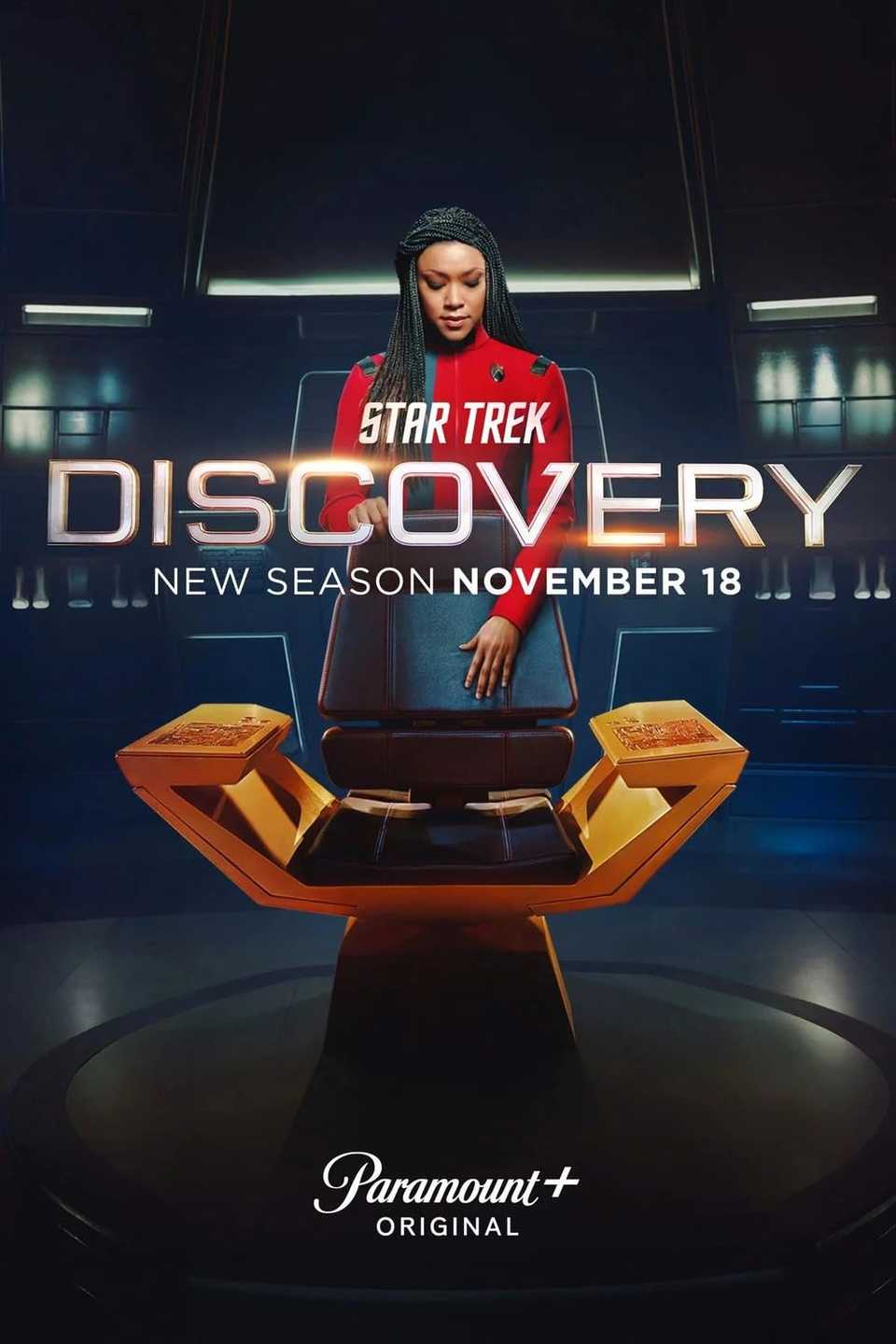
Star Trek: Discovery did something no other Star Trek series has before or since, and saved the franchise for a decade. Created by Bryan Fuller and Alex Kurtzman, Star Trek: Discovery was the first new Star Trek TV series in 12 years after Star Trek: Enterprise was canceled in 2005. No Star Trek on Paramount+ series changed like Discovery did during its five-season run.
No matter what, Star Trek: Discovery was a disruptor, but its true mission was to reassess what Star Trek was in the 2010s and going forward. Bringing the cinematic visuals and action of J.J. Abrams' Star Trek movie trilogy to streaming, Discovery was seen by longtime fans as an unwanted problem child trying to reinvent the franchise.
Yet Star Trek: Discovery was proudly an innovator, and its boldest move gave Star Trek a literal future and opened the door to a decade of new Star Trek of every color.
Star Trek: Discovery Split Itself Between Two Eras In Star Trek’s Timeline
At the end of season 2, Star Trek: Discovery did what no other Star Trek series had by leaving its original timeline and jumping 930 years into the future. To conclude the Red Angel storyline, Commander Michael Burnham (Sonequa Martin-Green) and the USS Discovery permanently exited the 23rd century and introduced the 32nd century, which is the farthest point in Star Trek's thousand-year timeline.
2026 started out with such promise, but Star Trek's 60th anniversary year already feels hollow with the future of the franchise in doubt.
Every other Star Trek series before and after Discovery held to whatever point in Star Trek's timeline the show was set. Time travel is a common trope in Star Trek, but each series' signature starship and characters always reverted back to their original starting point. Star Trek: Discovery left the 23rd century behind and never went back.
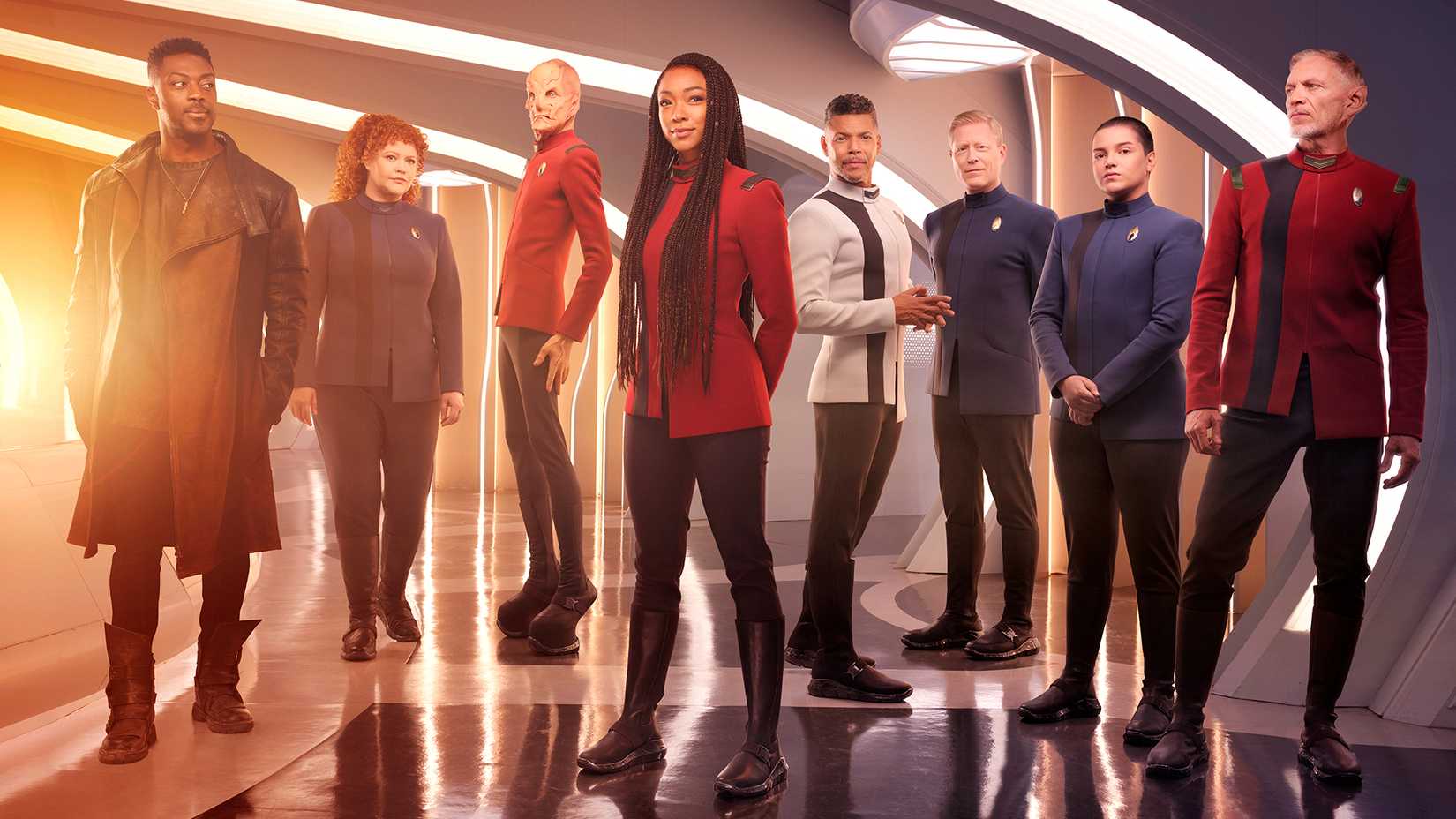
The differences between Star Trek: Discovery's war-torn and tumultuous first two seasons and its latter three are stark. The USS Discovery was always in flux, with rotating captains, and Commander Burnham's crew was perpetually questioning their greater purpose. In the 32nd century, however, the USS Discovery took on a new meaning.
In Star Trek's distant future after The Burn, the USS Discovery became a symbol of more idealistic times for Starfleet and the diminished United Federation of Planets. When Michael Burnham became Captain of the USS Discovery, she established stability for her starship and for Star Trek: Discovery itself.
Captain Burnham and the USS Discovery practically became superheroes in Star Trek: Discovery's final two seasons. Whether ushering in First Contact in another galaxy or winning a treasure hunt for the Progenitors' ancient technology, Burnham and her starship solved every crisis and earned the trust and status as the recognized saviors of the Federation.
How Discovery Saved Star Trek’s TV Franchise
Star Trek: Discovery was the vanguard of a new era of Star Trek and, in a way, it was also a shield that allowed every series that followed to flourish. Discovery never fully escaped the controversy of its original incarnation, but as the flagship of Star Trek on Paramount+, Disco absorbed much of the criticism aimed at Alex Kurtzman's Star Trek during its five seasons from 2017 to 2024.
In a sense, as long as Star Trek: Discovery was around, a modicum of heat was off of its spinoffs.
In a sense, as long as Star Trek: Discovery was around, a modicum of heat was off of its spinoffs. For example, Star Trek: Picard's first two seasons weren't nearly as well-received as season 3's Star Trek: The Next Generation cast reunion, but in the eyes of the haters, Star Trek: Discovery was still the biggest affront to the franchise.
Yet Star Trek: Discovery also gave birth to what's arguably the most popular series of Alex Kurtzman's tenure, Star Trek: Strange New Worlds. It's easy to forget that Anson Mount's Captain Christopher Pike, Rebecca Romijn's Number One, and Ethan Peck's Spock were so instantly popular, fans clamored and started online petitions for a spinoff, which came to fruition in 2022.
When Star Trek: Discovery left the 23rd century behind, Star Trek: Strange New Worlds picked up the baton, restoring the episodic style and modernizing classic Star Trek's optimism for 21st century audiences. Star Trek: Discovery's ending also opened the door for Star Trek: Starfleet Academy, with a crew of young cadets carrying forward the hopeful spirit the USS Discovery brought to the future.
Like Star Trek: Deep Space Nine, Star Trek: Voyager, and Star Trek: Enterprise, Star Trek: Discovery was not fully appreciated when it was new. Similar to its predecessor Star Trek series, Star Trek: Discovery will be reevaluated by fans, find new audiences, and the scope of its astounding accomplishments will be recognized in time.










 English (US) ·