
 2 weeks ago
39
2 weeks ago
39
NYIP started as a correspondence school in 1910 and runs entirely online today—but the old-school discipline it teaches has given me something my cameras can't: structure, critique, and a mindset that works whether I'm shooting with my Canon AE-1 or my Canon EOS 6D.
The gym was a nightmare of mixed lighting—sickly green overhead fluorescents clashing with the orange glow from the lobby. I was on a deadline for a local sports feature, the action was moving fast, and the old me would have set my digital body to high-speed burst, cranked the ISO to five digits, and hoped for a miracle in Lightroom. I would have machine-gunned the scene, shooting forty frames of near-misses and hoping one clean frame emerged by accident. Instead, I paused.
I looked for the threshold where the light made sense, pre-visualized the frame, and waited for the subject to reveal itself. That's when I realized my old-school New York Institute of Photography (NYIP) training was still running in the background of my brain. Whether I'm holding a Canon EOS R7 or a vintage film SLR, the lessons from that structured program have become the scaffolding for everything I shoot. It taught me that a picture editor's job—and by extension, my job—isn't to find the perfect photograph, but the one that carries attention, meaning, and credibility fast.
Why I Swapped YouTube Rabbit Holes for a Structured Course
Before I signed up for NYIP, I was the classic inconsistent photographer. I had a decent eye, but my results were a roll of the dice. I was tired of the YouTube algorithm feeding me “5 Quick Tips” when I needed a foundation that transcended gear. Most photographers assume editors are hunting for the sharpest file or the cleanest composition, and I was stuck in that technical trap.
I wanted structure and real assignments that would pull me away from the fantasy of a pre-visualized image that the real world refuses to cooperate with. NYIP's program offered a blueprint: emotional resonance, visual strength, and storytelling impact. It didn't care if I was using a $50 thrift-store SLR or a modern mirrorless camera; it cared about visual strength and craft. The modules forced me to submit work that would be picked apart by a professional, providing a sense of clarity that is often missing from the echo chambers of social media.
For another structured introduction to camera fundamentals, Fstoppers' Photography 101 covers using a digital camera and editing photos.
One of the most sobering lessons I learned was that technical competence alone rarely wins. Competence is common, but specificity is rare. An editor is used to comparing thousands of images and narrowing them down based on surprise, uniqueness, and authenticity. I realized that by just watching videos, I was learning proven formulas that only lead to proven-looking, generic pictures. I needed to be asked, “What did you notice that someone else would miss?”
How NYIP Changed My Digital Work
In a high-speed digital world, it is easy to let the wow factor of technology do the heavy lifting. Modern tools like Google's Magic Editor or Samsung's Galaxy AI make it tempting to fix everything in post-production. NYIP forced me back to the bones of the image.
1. From Guessing to Pre-Visualizing
NYIP taught me to see the frame before I ever lift the camera. Instead of simply recording what is there, I look for presence—the kind of life in a photo that makes it feel like a meeting rather than a viewing. This discipline makes my digital files cleaner. I've learned that the strongest frames come from letting life unfold rather than directing it into something performative. This approach has significantly increased my hit rate because I am no longer forcing the scene into a preset idea.
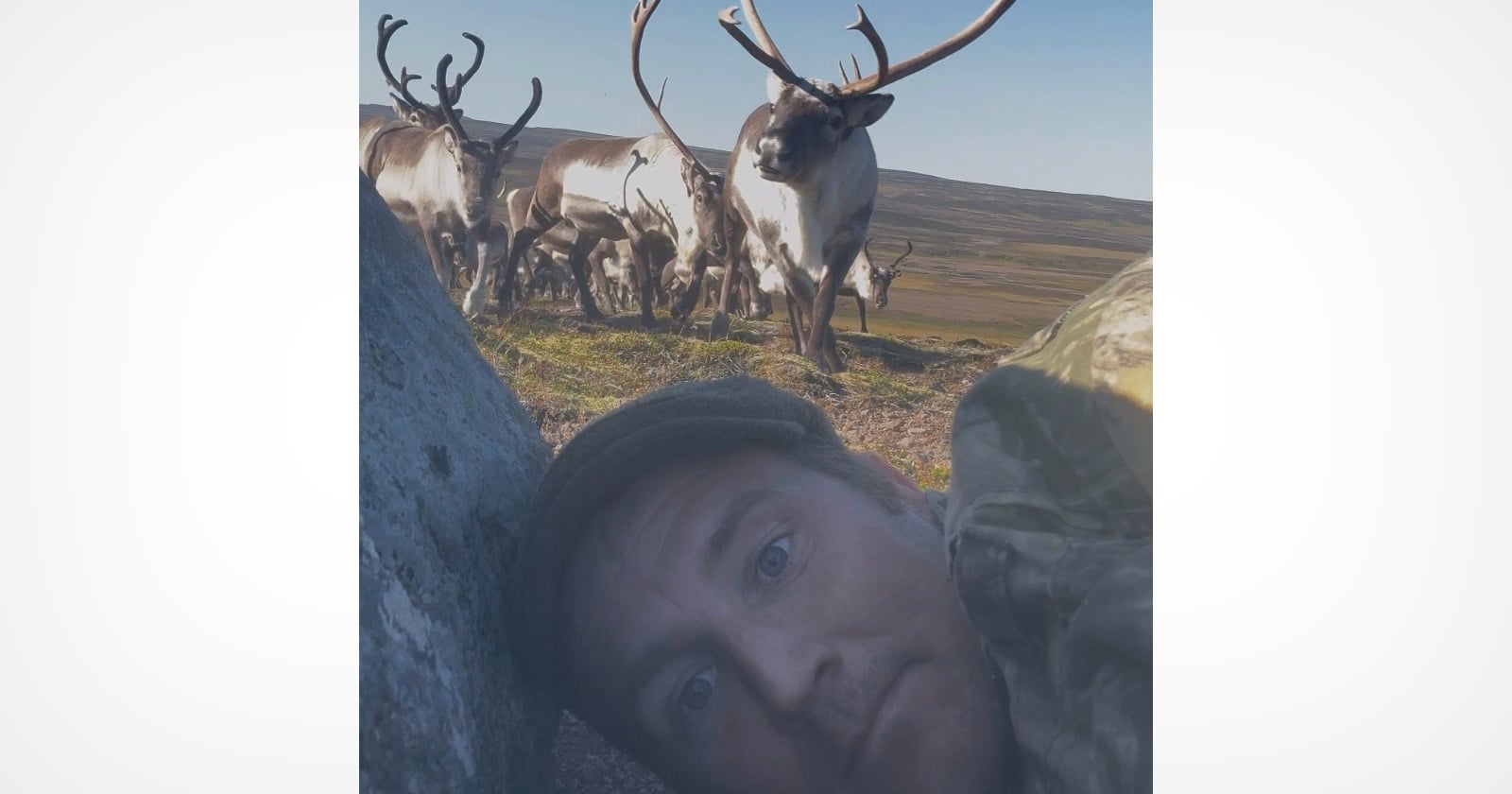
I now practice the Peek Exercise even with my digital gear: finding a scene with a natural edge and waiting for a subject to partially reveal itself. This builds anticipation into the frame, a skill that works just as well on a street corner as it does in a wildlife blind.
2. Light First, Gear Second
I stopped obsessing over sensor dynamic range and started focusing on light as content. Whether I'm on a cloudy sideline or in a dim classroom, I look for relationships among light sources to create a visual metaphor. I've learned to use light intentionally. For example, I now look for the relationship between blue hour's cold tones and warm amber light, a contrast that is narrative rather than just decorative.
This also means embracing restraint. Instead of pushing every slider to the max, I let the scene stay quiet. In digital editing, it is easy to over-process and blow out contrast. NYIP taught me that over-processing kills resonance because it makes the viewer aware of the edit instead of the moment.
3. Shooting Like an Editor's Waiting
The project-based assignments taught me to think in sequences. I don't just hunt for single standout shots anymore; I look for a process, not a pose. This is invaluable when delivering a gallery to a client. It turns a collection of photos into an understood narrative. I've learned that a great photo should make someone feel something before they even read a caption, but the caption is what turns a solid frame into an understood one.
I now evaluate my digital work by asking: What does the viewer understand after seeing this that they didn't understand before? Does the photo reveal the unseen or clarify a behavior? If a photo only delivers a vibe without a story spark, it likely won't make the final cut in a professional environment.
How NYIP Made Me a More Intentional Film Shooter
The transition back to analog felt natural because the program's truth-first philosophy is baked into the medium. Staging or fabricating images is never acceptable.
- Metering With a Purpose: I learned to read a scene's stakes. Instead of just getting a correct exposure, I decide where I want the detail to live—perhaps in the deep winter blue of the shadows or the warm amber light of a subject. This discipline prevents me from over-toning for drama and instead lets the scene's atmosphere do the storytelling.
- Planning a Roll Like an Assignment: With film, thirty-six frames force choices. I treat each roll as a mini-project. I look for thresholds—the instant before or after something changes. This could be the tension between predator and prey or a quiet goodbye on a street corner. Film has climbed roughly 10% or more on some stocks over the past year, so every frame has to count.
The Instructor in My Head: When I'm about to click the shutter on a roll of ILFORD HP5 PLUS 120 film, I hear the critique: Does this image linger? Does it deepen understanding? If the answer is no, I save the frame. I've learned to resist the familiarity problem—images that feel like ones we've seen before.
I also learned that you don't need a passport to make professional work. Shooting close to home is an advantage because familiarity gives you the time to notice what casual visitors miss. Your home can be someone else's unique experience if you train your eyes to see the patterns and rituals of your own environment.
The Structured Advantage: Why YouTube Isn't Enough
YouTube is great for learning technical specifics, like how to avoid muddy shadows on an Epson Perfection V600 Photo. But it rarely teaches you the discipline of attention. Film photography is trending toward luxury-craft territory, making every frame more expensive. A structured course provides the follow-through to make those frames count.
Where YouTube and forums offer algorithm-driven validation, random quick tips, open-ended accountability, gear-chasing content, and trendy filtered aesthetics, a structured course like NYIP takes the opposite approach on every front: professional and blunt critique, cumulative modular lessons, mentor-paced assignment milestones with real pass/fail feedback, a focus on craft, light, and originality, and a truth-first ethic that rules out staging.
For example, when I was struggling with my flatbed scanner, YouTube told me to buy a better machine. NYIP's mindset told me to fix my process. By treating my Epson Perfection V600 Photo like a workhorse enlarger rather than a trash can with a light inside, I began getting lab-level results by simply cleaning my negatives, ensuring flatness, and turning off the automatic corrections in the software.
Who Is This for?
If you're feeling stuck in a loop of buying new gear to fix your photography, a structured program might be your reset button. It's ideal for:
- Film shooters who want a repeatable skill like building anticipation into a frame.
- Digital photographers who want to escape the familiarity trap—iconic subjects with predictable viewpoints—that makes their work feel editorially invisible.
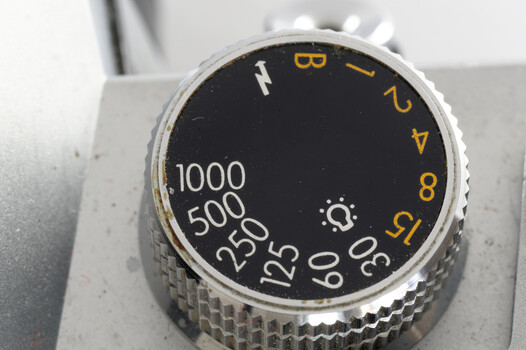
- Gen Alpha families looking to lower the friction of entering the analog world through hands-on lessons in cause and effect—for example, watching how a change in shutter speed freezes or blurs motion, then seeing that result appear on a printed contact sheet.
- Hobbyists who want to move beyond vibe and toward actual storytelling impact where they reveal a process or change the viewer's scale of understanding.
However, if you only want quick fixes or images you've already imagined, this isn't for you. This is about building authentic craft that relies on being observant, curious, and patient.
Conclusion: One Mindset, Two Worlds
Whether I'm scanning a negative at home—treating my flatbed like an enlarger—or editing a high-resolution digital file, the goal is the same: to find the photograph that can carry attention, meaning, and credibility.
Improving your work isn't about the sensor or the emulsion; it's about the discipline you bring to the moment. My training taught me that the world is already incredible. My job is to let the scene stay quiet, let the palette stay disciplined, and let the light be the story. When you fix your process, it follows you to whatever camera you use next.
Great photography is built in the old-fashioned way: curiosity, patience, and honest craft. Don't wait for a trip to an exotic location to start; pick a place near home and return to it until it no longer feels ordinary. That's the kind of authenticity that can't be faked.




 English (US) ·