
 7 hours ago
7
7 hours ago
7
Wildlife photography often leans into speed, tension, and dramatic action. But Lewis Frazier’s wildlife pictures offer something different.
His images feel calm, emotional, and deeply personal. Instead of loud moments, he captures quiet ones. Instead of chaos, he focuses on connection.
These 30 wildlife pictures slow you down.
These wildlife pictures invite you to look closer.
These wildlife pictures remind us that nature doesn’t need to be dramatic to be powerful.
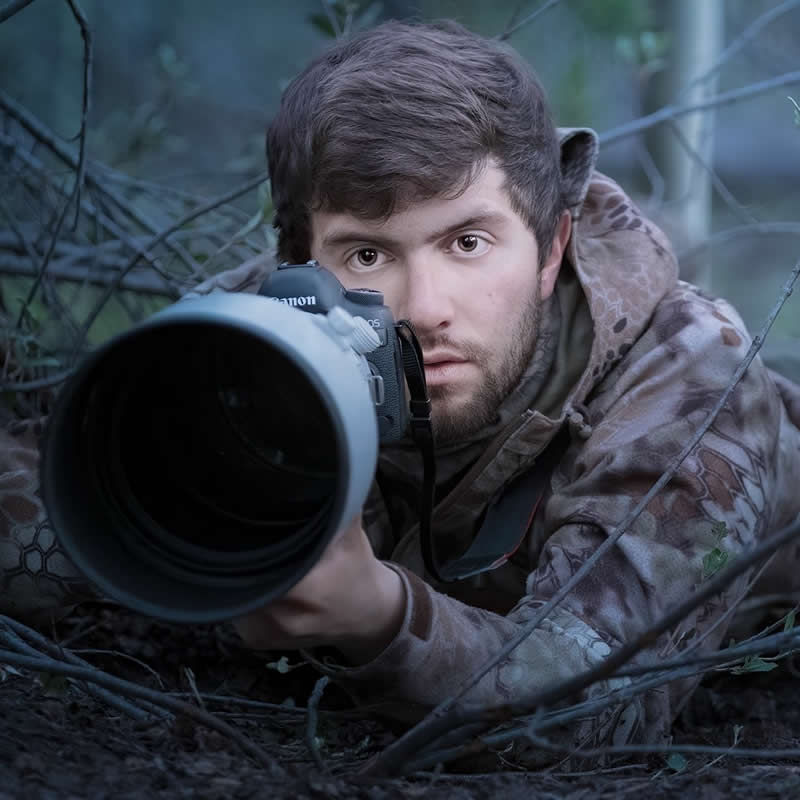
Who Is Lewis Frazier?
Lewis Frazier is known for creating soft, dreamlike wildlife pictures that highlight emotion, stillness, and respect for nature. His work stands out because it feels intimate without feeling intrusive.
He has openly shared that failure shaped his growth. Early in his career, fear made him take the “safe” shot. Over time, he learned to wait. To risk missing the frame. To let the moment unfold naturally.
That patience is visible in every image.
What Makes These Wildlife Pictures Unique?
Most wildlife pictures show active animals running, hunting, or fighting. Frazier’s work focuses on something deeper:
- Calm expressions
- Gentle light
- Emotional eye contact
- Subtle body language
- Natural, undisturbed behavior
His style proves that wildlife pictures can be powerful without being loud.
30 Stunning Wildlife Pictures
A captivating collection of wildlife pictures showcasing nature’s beauty, emotion, and untamed spirit in unforgettable moments.
You can find Lewis Frazier on the web:
1. Peaceful Mountain Goat in Soft Alpine Light
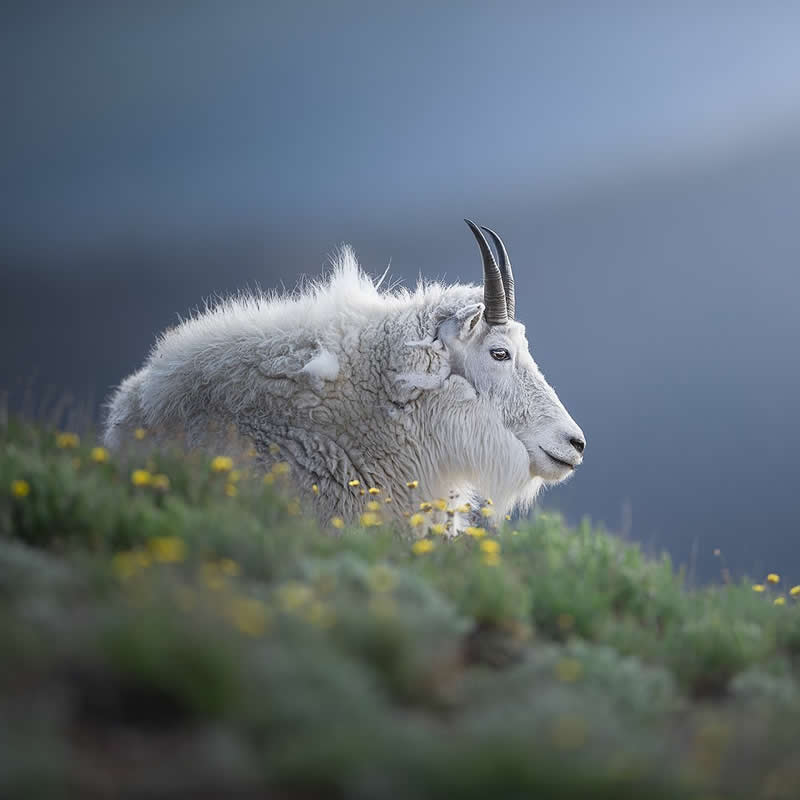
A serene wildlife picture of a white mountain goat resting on a grassy hillside sprinkled with small yellow flowers. Its thick fur and curved horns stand out against a soft, blurred blue background, creating a calm, intimate, and beautifully dreamlike natural scene.
2. Quiet Focus in the Grass
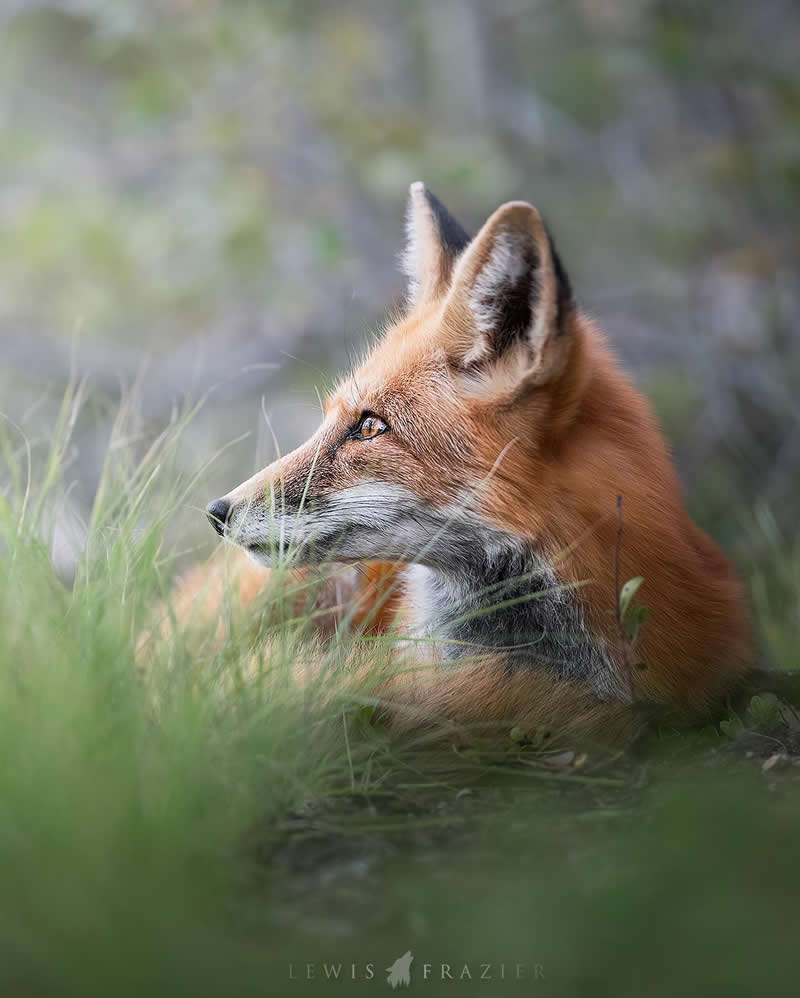
A striking wildlife picture of a red fox resting quietly in tall green grass. Its sharp amber eye and alert ears stand out against the soft, blurred forest background, capturing a calm yet watchful moment filled with natural beauty and gentle light.
3. Graceful Antelope Portrait in Soft Light
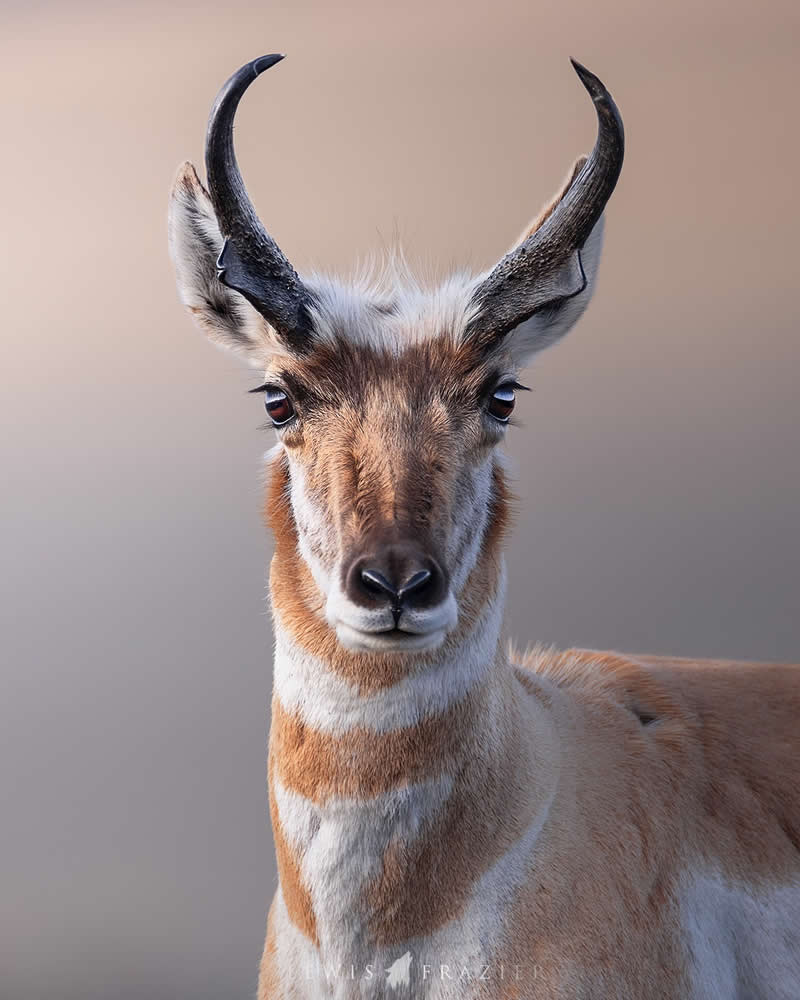
A captivating wildlife picture of a pronghorn standing calmly against a smooth, neutral background. Its curved dark horns and gentle eyes draw attention, while warm brown and white markings add contrast. The soft light enhances fine details, creating an elegant and intimate portrait.
4. Mountain Goat at Dusk in Pastel Light
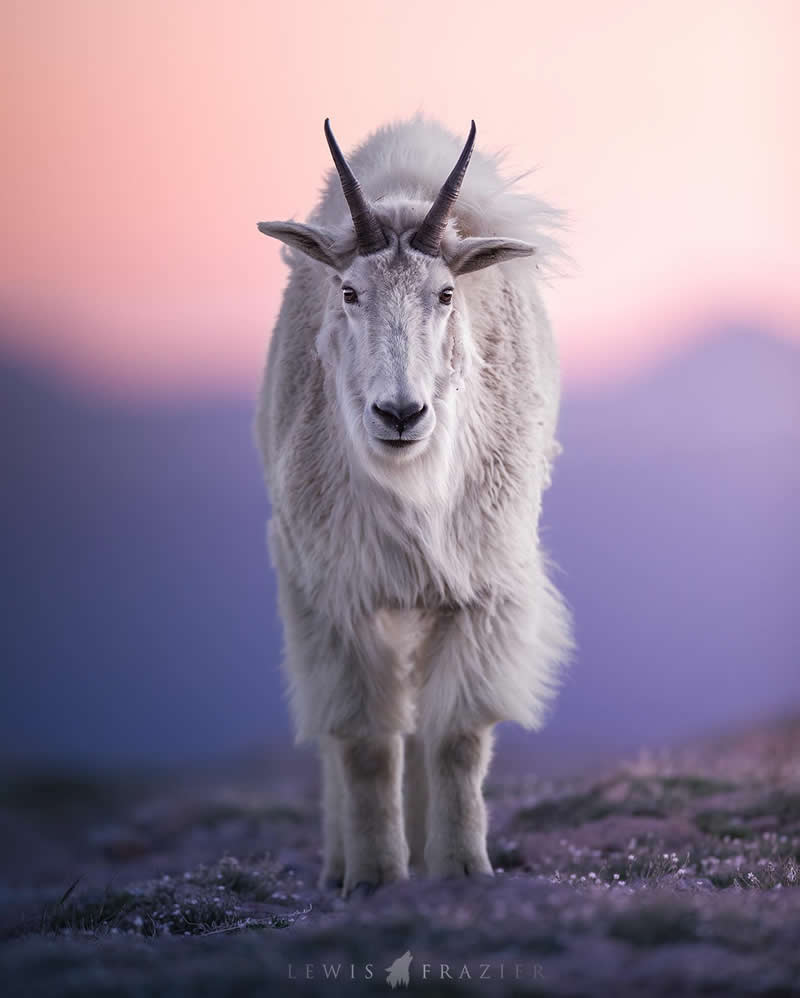
A breathtaking wildlife picture of a white mountain goat standing confidently against a soft pink and purple sunset sky. Its thick fur and sharp horns are gently highlighted by fading light, creating a peaceful, dreamlike portrait filled with quiet strength and natural beauty.
5. Powerful Bison in Winter Snow
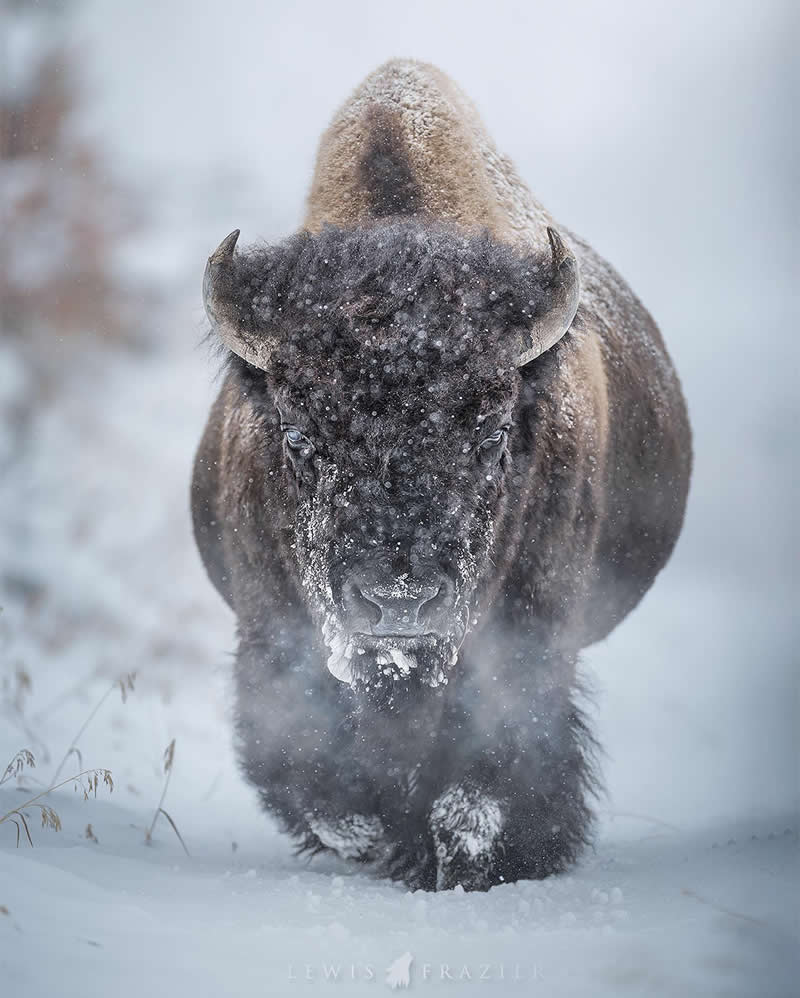
A dramatic wildlife picture of a massive bison walking through deep snow during a cold winter storm. Frost clings to its thick fur and curved horns, while mist rises from its breath, creating an intense yet majestic portrait of strength and resilience.
6. Serene Owl in a Snowy Forest
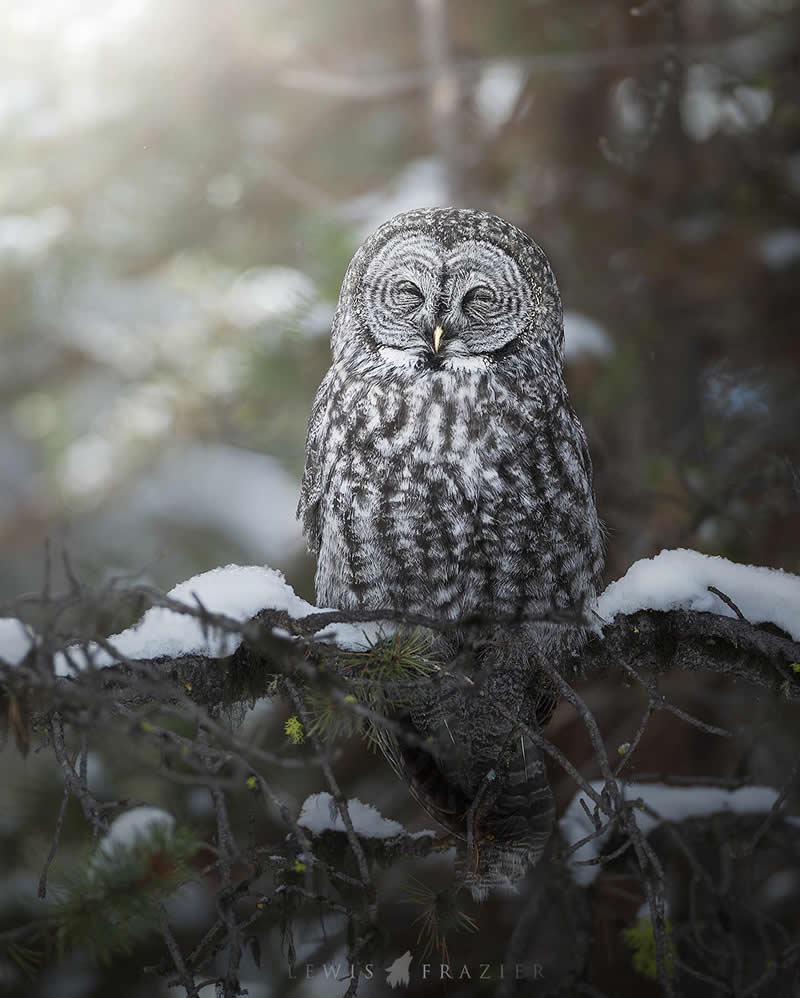
A peaceful wildlife picture of a barred owl perched quietly on a snow-covered branch. Its patterned feathers blend beautifully with the winter surroundings, while soft light filters through the forest, creating a calm, intimate moment filled with stillness and natural charm.
7. Delicate Hummingbird in Soft Light
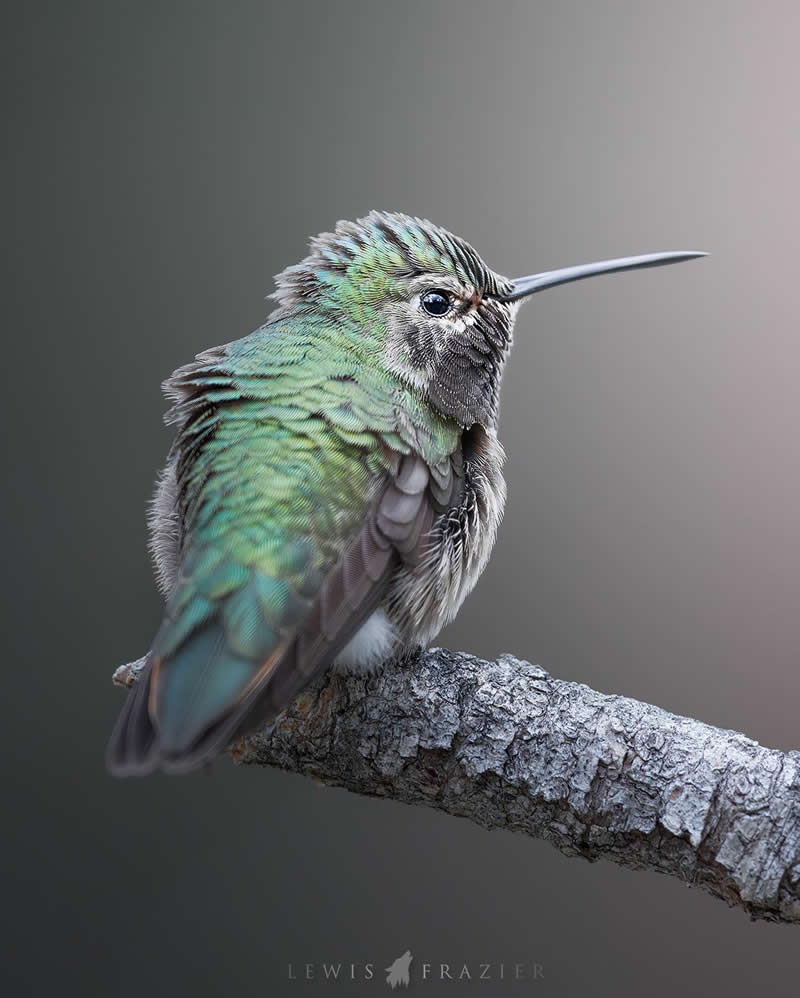
A stunning wildlife picture of a hummingbird perched quietly on a textured branch. Its iridescent green feathers shimmer gently against a smooth, blurred background, while its tiny form and slender beak create an intimate, detailed portrait filled with calm beauty and grace.
8. Calm Red Fox in Meadow Light
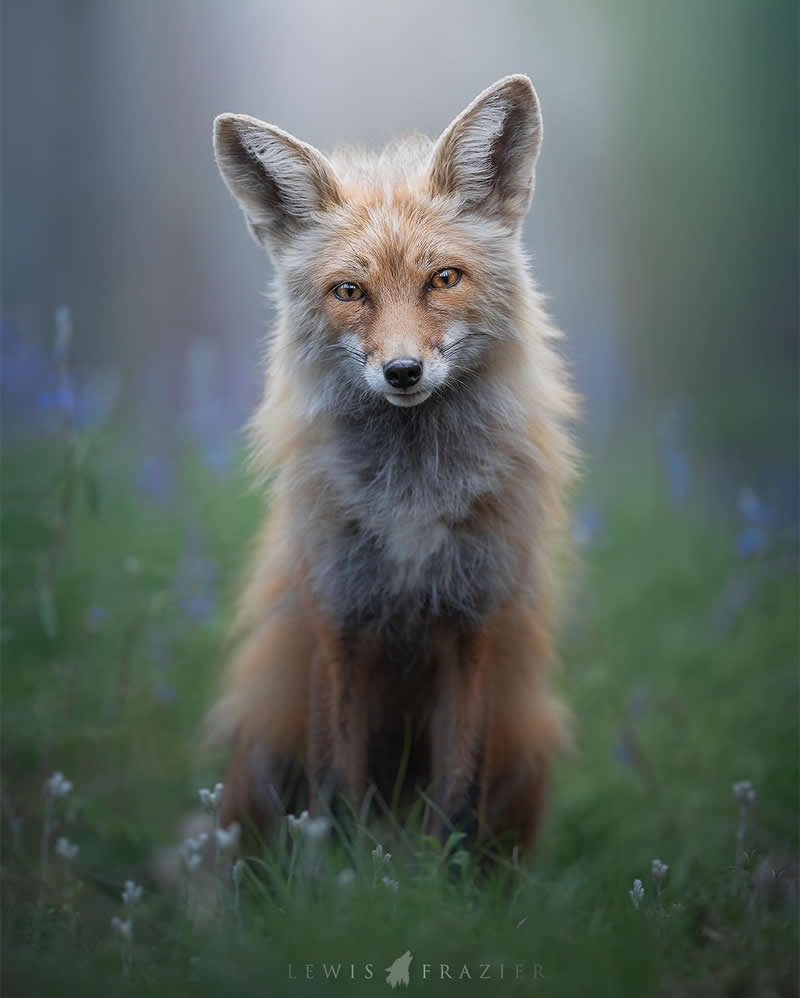
A beautiful wildlife picture of a red fox sitting quietly among soft green grass and delicate wildflowers. Its warm amber eyes and fluffy fur stand out against the smooth, blurred background, creating an intimate portrait filled with stillness and gentle natural light.
9. Grizzly Bear in Gentle Snowfall
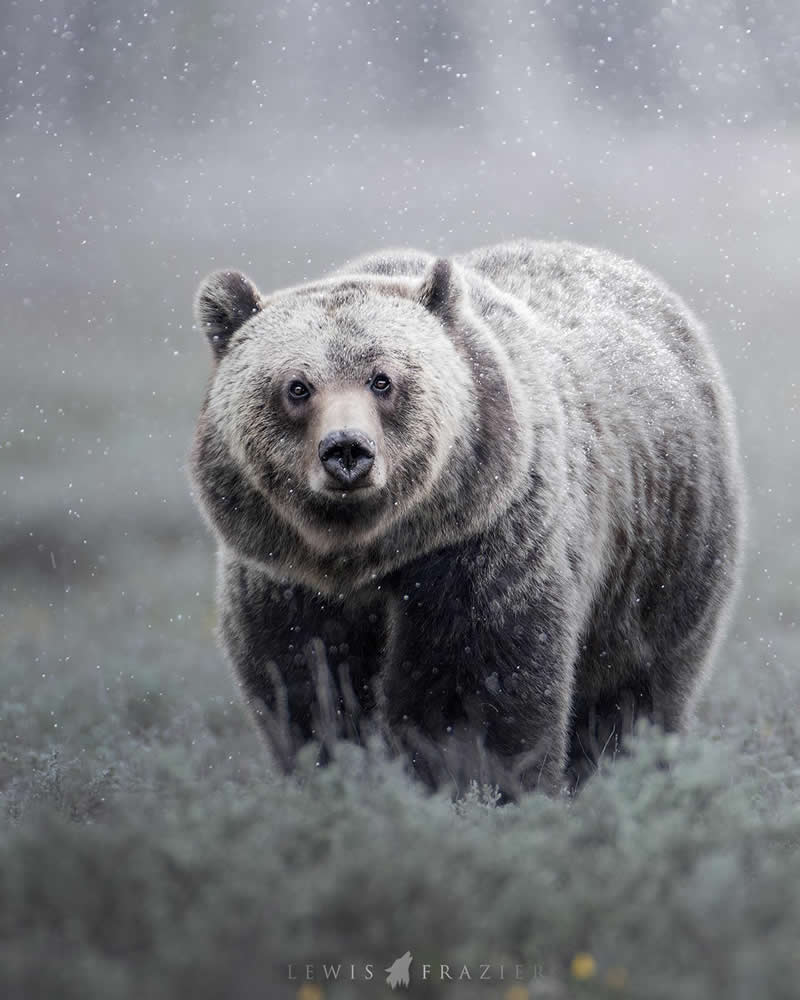
A powerful wildlife picture of a grizzly bear standing calmly in light snowfall. Snowflakes dust its thick fur as it gazes forward with quiet confidence. The soft, muted background enhances the peaceful mood, creating an intimate portrait of strength and calm presence.
10. Majestic Elk in Golden Meadow Light
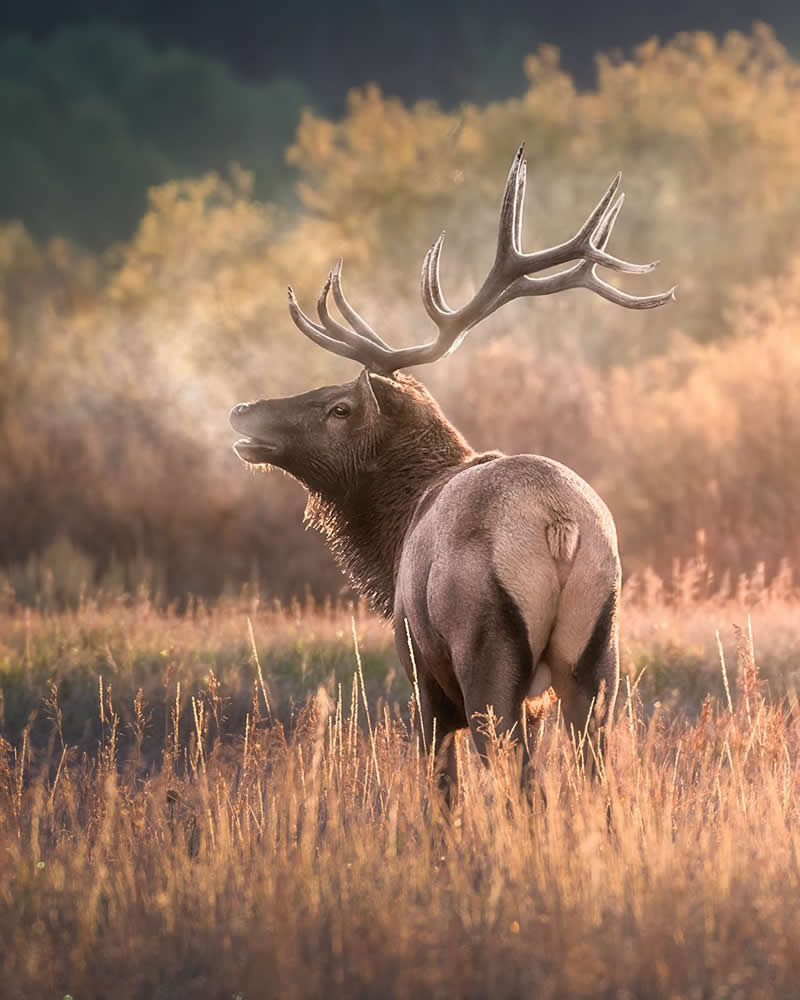
A breathtaking wildlife picture of a bull elk standing tall in a sunlit meadow. Its impressive antlers rise against warm autumn tones, while golden light highlights its strong form, creating a powerful yet peaceful portrait of wilderness and natural grandeur.
11. Tender Moment Between Fox and Kit
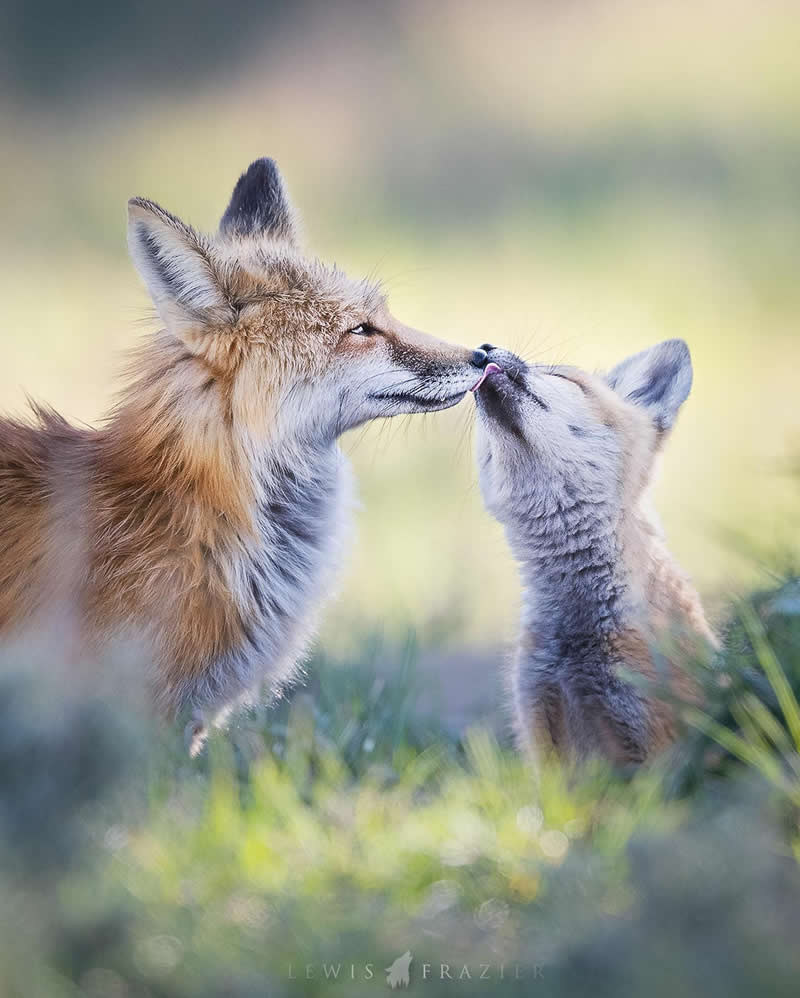
A heartwarming wildlife picture of a red fox gently touching noses with its young kit in soft meadow light. Their delicate interaction and warm fur tones stand out against a blurred green background, capturing a quiet, loving moment in the wild.
12. Playful Bear Cubs in Soft Meadow Light
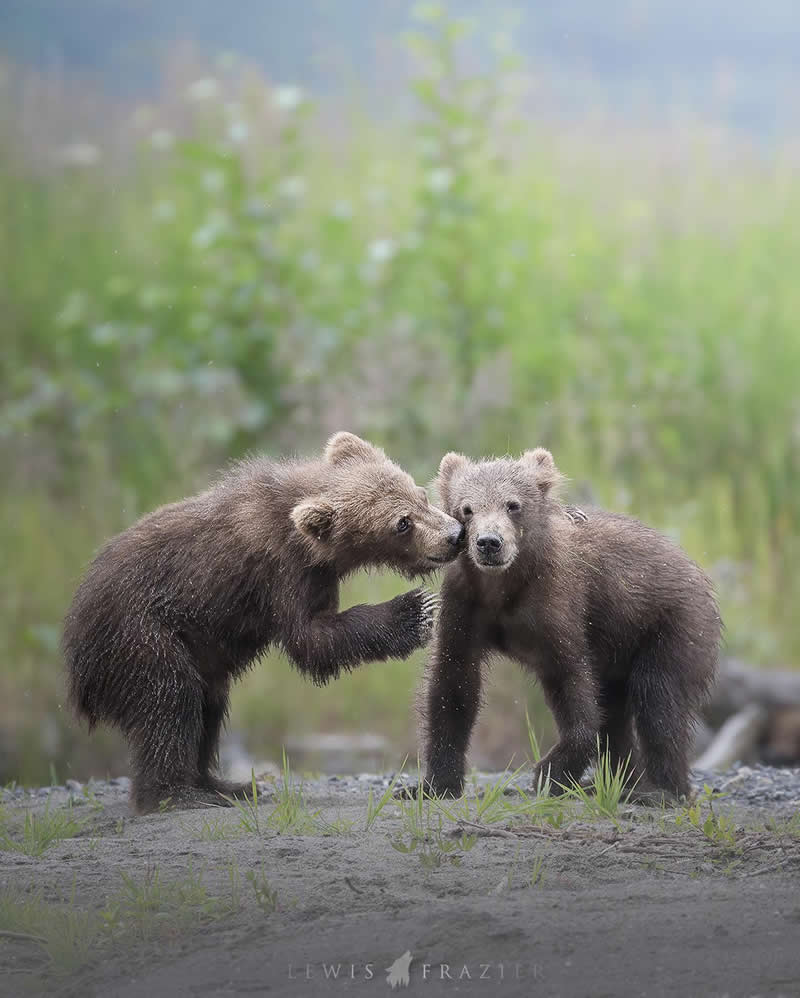
A charming wildlife picture of two young bear cubs interacting gently on a sandy patch surrounded by soft green foliage. One cub reaches toward the other in a curious, playful gesture, capturing a tender, innocent moment filled with warmth and natural connection.
13. Curious Monkey Siblings in Lush Greenery
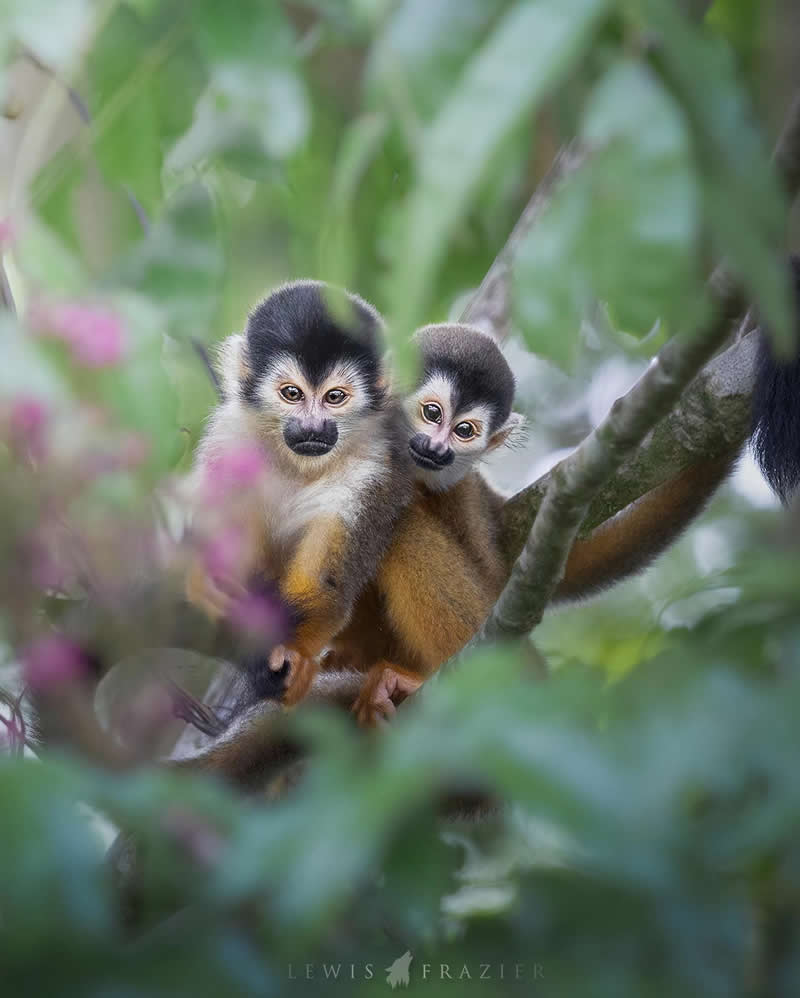
A delightful wildlife picture of two young monkeys sitting closely together on a tree branch, surrounded by soft green leaves and blurred blossoms. Their expressive eyes and gentle posture create a sweet, intimate portrait filled with curiosity, warmth, and natural charm.
14. Playful Fox Cub and Parent Interaction
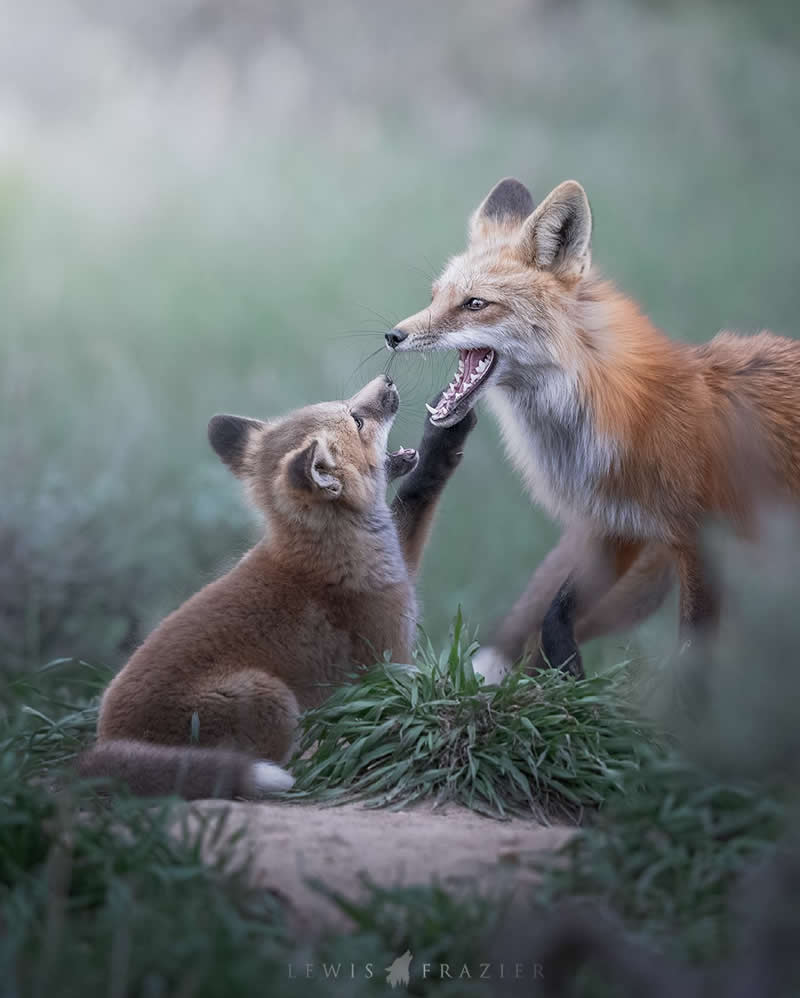
A lively wildlife picture of a red fox cub playfully reaching toward an adult fox in soft meadow grass. Their open mouths and gentle movements capture a spirited yet affectionate moment, highlighting the bond, learning, and natural energy shared between parent and young.
15. Thoughtful Grizzly in Tall Meadow Grass
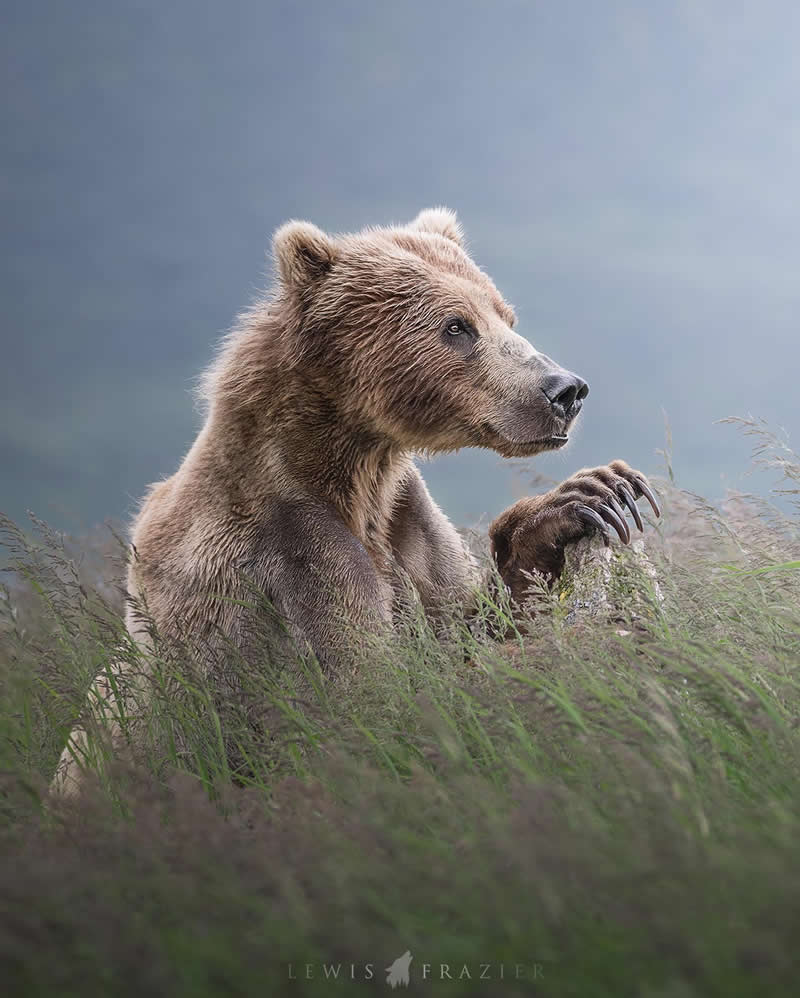
A serene wildlife picture of a grizzly bear resting quietly in tall, wind-swept grass. Its strong profile and long, curved claws are softly highlighted against a smooth blue background, creating a calm, reflective portrait that blends power with peaceful presence.
16. Curious Weasel Standing Alert
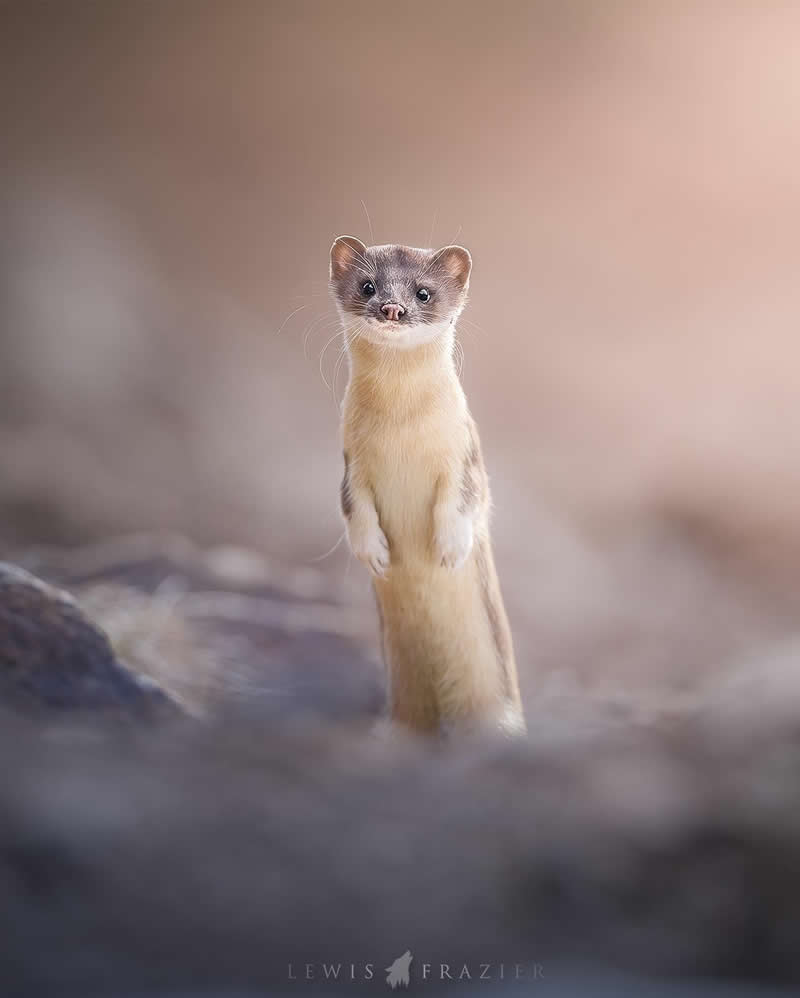
A captivating wildlife picture of a small weasel standing upright on rocky ground, its tiny paws tucked close to its chest. Soft pastel tones in the background highlight its delicate features, creating a charming and intimate portrait filled with curiosity and gentle presence.
17. Watchful Coyote in Soft Meadow Light
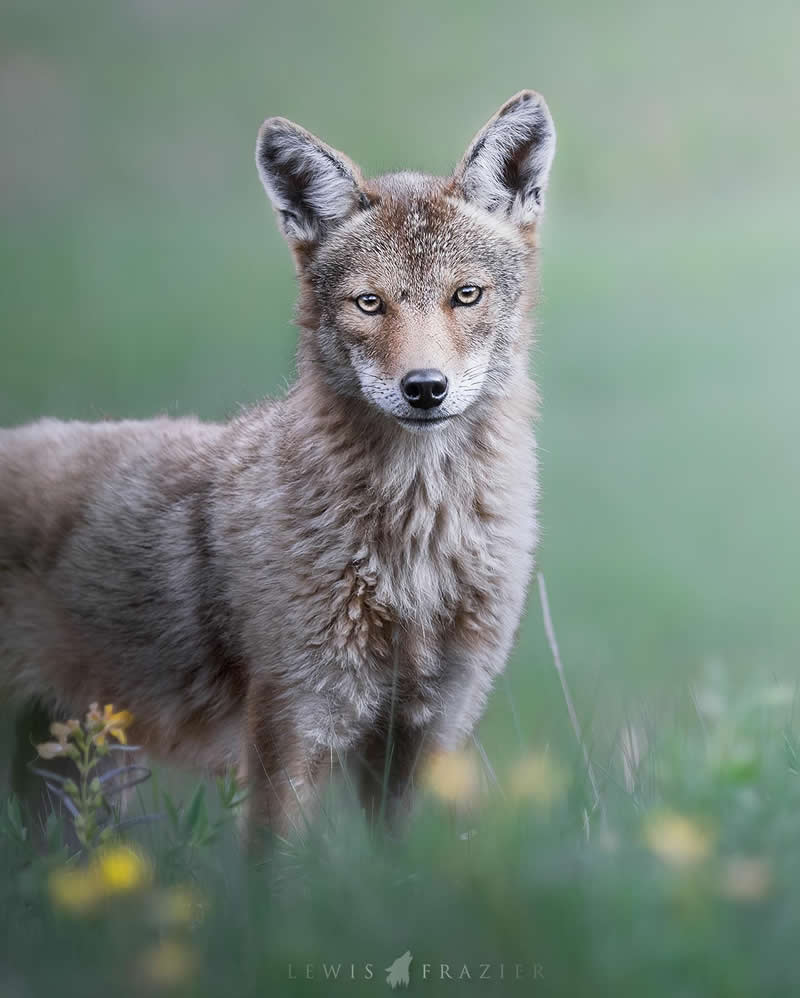
A striking wildlife picture of a coyote standing quietly among green grass and scattered wildflowers. Its sharp amber eyes and alert ears stand out against a smooth, blurred background, creating a calm yet intense portrait filled with quiet confidence.
18. Gentle Deer in Misty Woodland Light
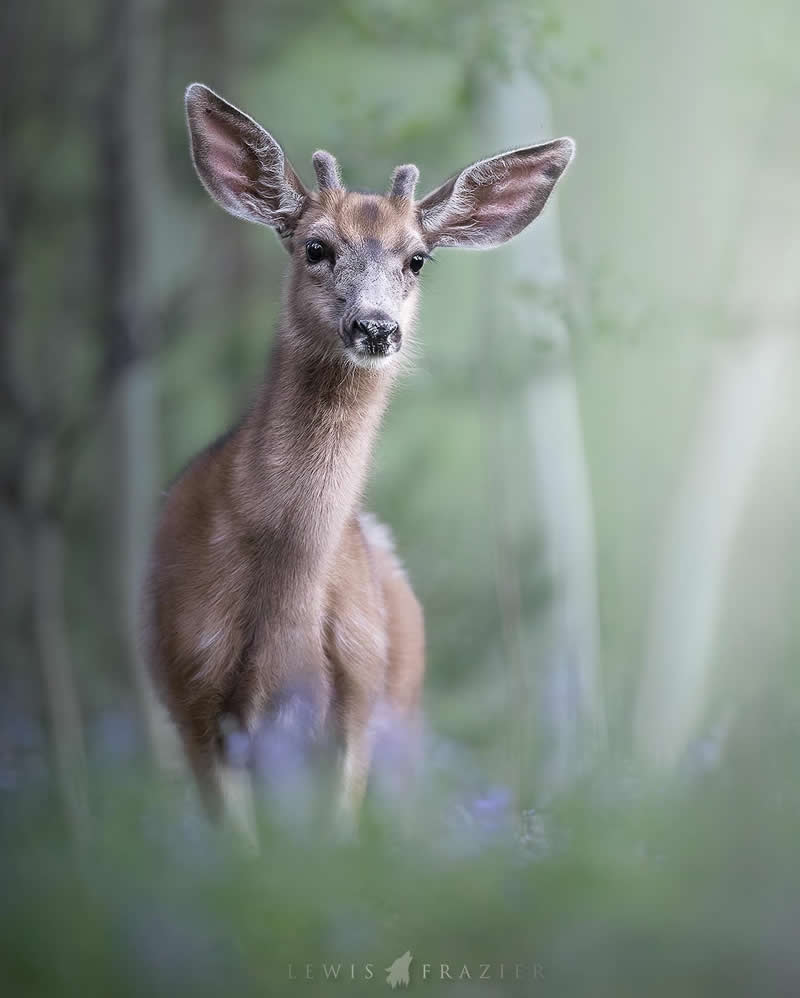
A graceful wildlife picture of a young deer standing quietly among soft green foliage and blurred wildflowers. Its large ears and curious eyes are gently highlighted by diffused light, creating a serene, intimate portrait filled with innocence and woodland calm.
19. Curious Seal Emerging from Calm Waters
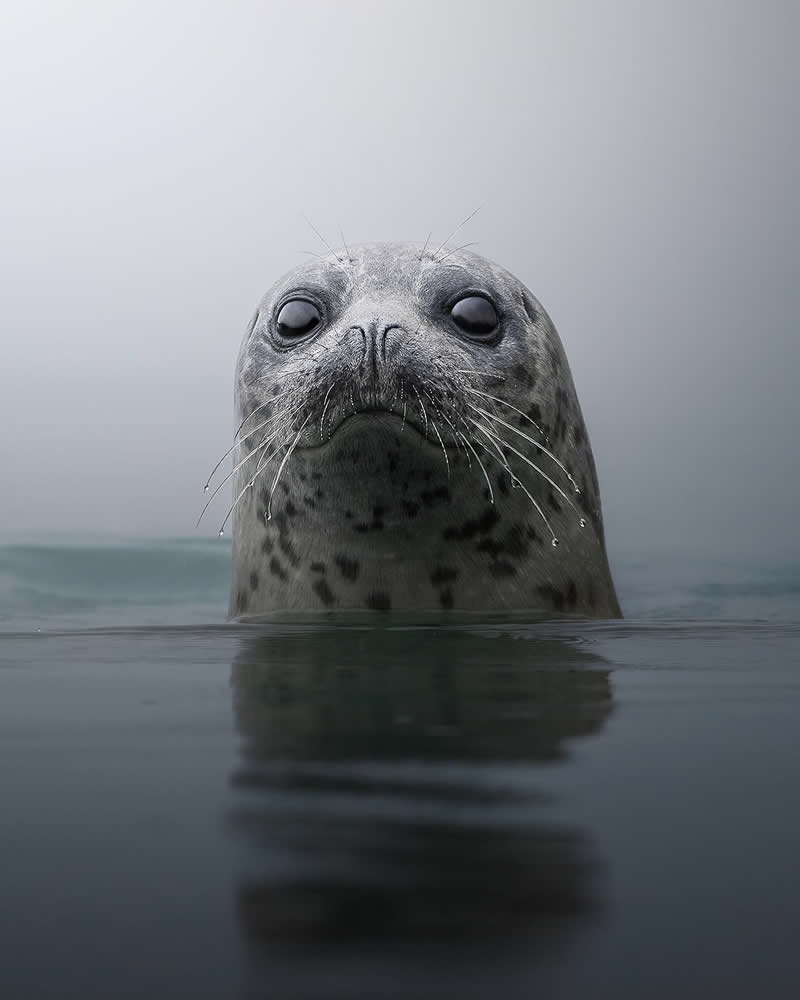
A captivating wildlife picture of a seal lifting its head gently above the ocean surface. Water droplets cling to its whiskers as it gazes forward with wide, curious eyes. The smooth, misty background enhances the peaceful, minimalist mood.
20. Intense Wildcat Gaze in Striking Detail
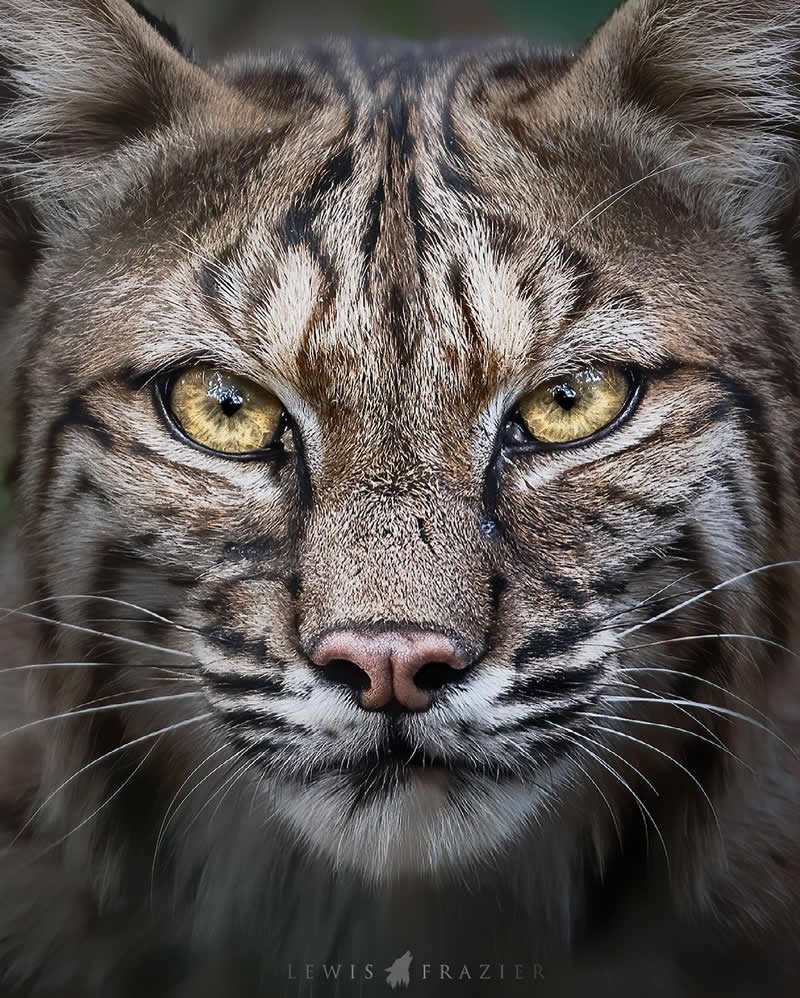
A powerful wildlife picture of a wildcat captured in close-up, its golden eyes locked forward with fierce focus. Fine fur patterns and dark markings frame its face, while the shallow background keeps attention on its intense expression and raw natural beauty.
21. Red Fox in Soft Woodland Light
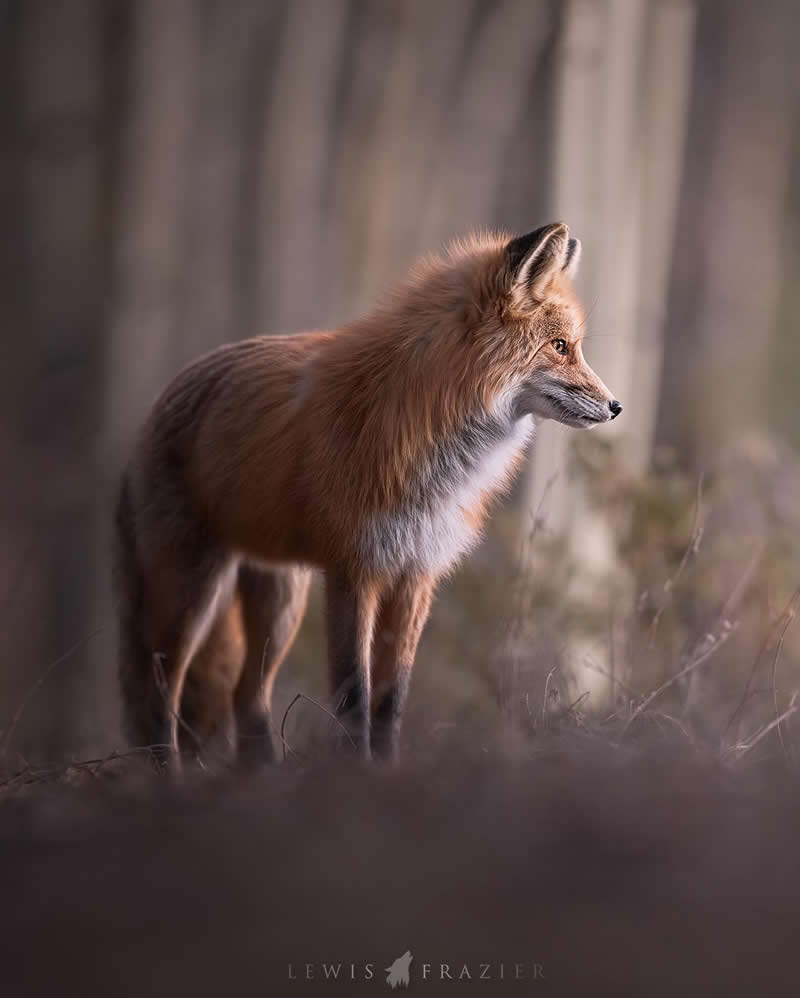
A graceful wildlife picture of a red fox standing alert in a quiet forest setting. Warm light gently highlights its rich fur and sharp profile, while the blurred tree trunks in the background create a calm, intimate woodland atmosphere.
22. Tiny Chipmunk in Blooming Meadow
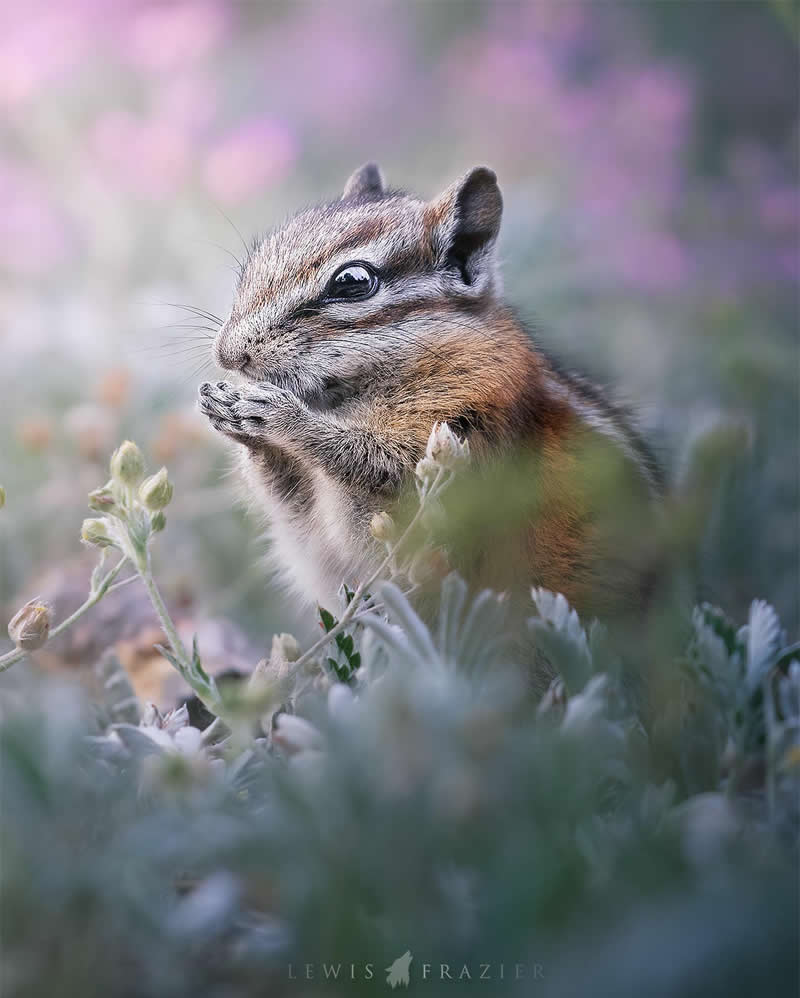
A charming wildlife picture of a chipmunk nestled among soft green leaves and pastel wildflowers. Its bright eye and delicate paws are captured in gentle light, creating an intimate, dreamy portrait filled with warmth, curiosity, and peaceful natural beauty.
23. Polar Bears Swimming Through Arctic Waters
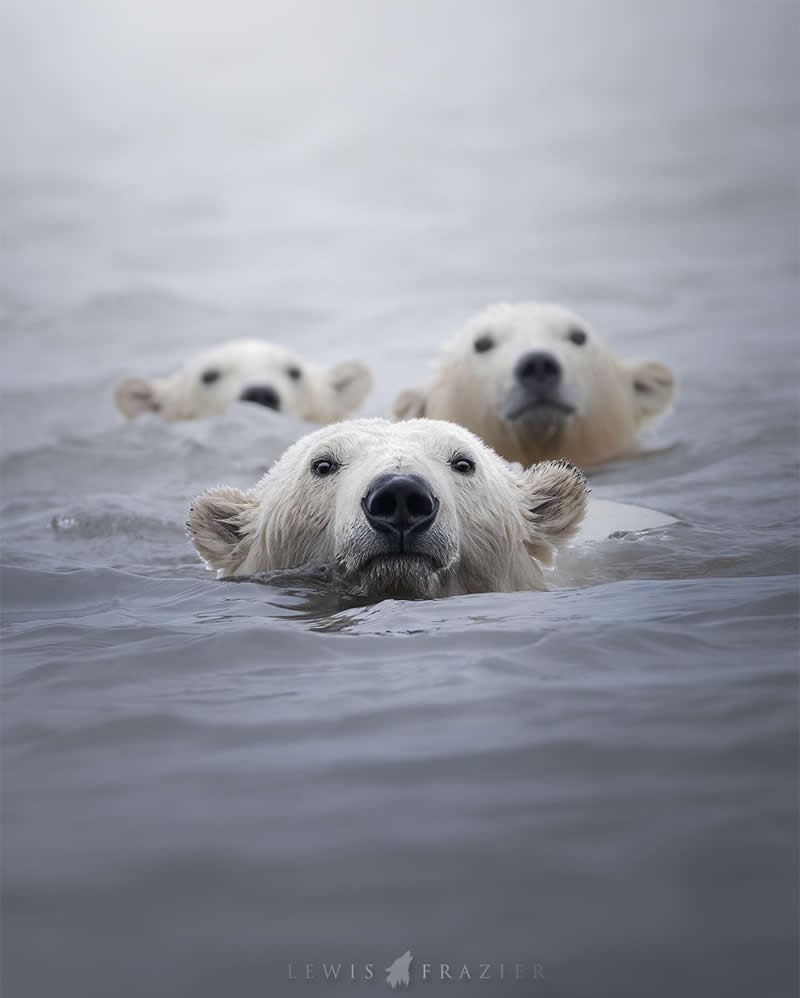
A striking wildlife picture of three polar bears swimming steadily through cold Arctic waters. Their heads rise just above the surface, eyes focused and calm. The soft grey tones of the sea create a powerful yet peaceful scene of resilience and survival.
24. Vibrant Red-Eyed Tree Frog in Close-Up
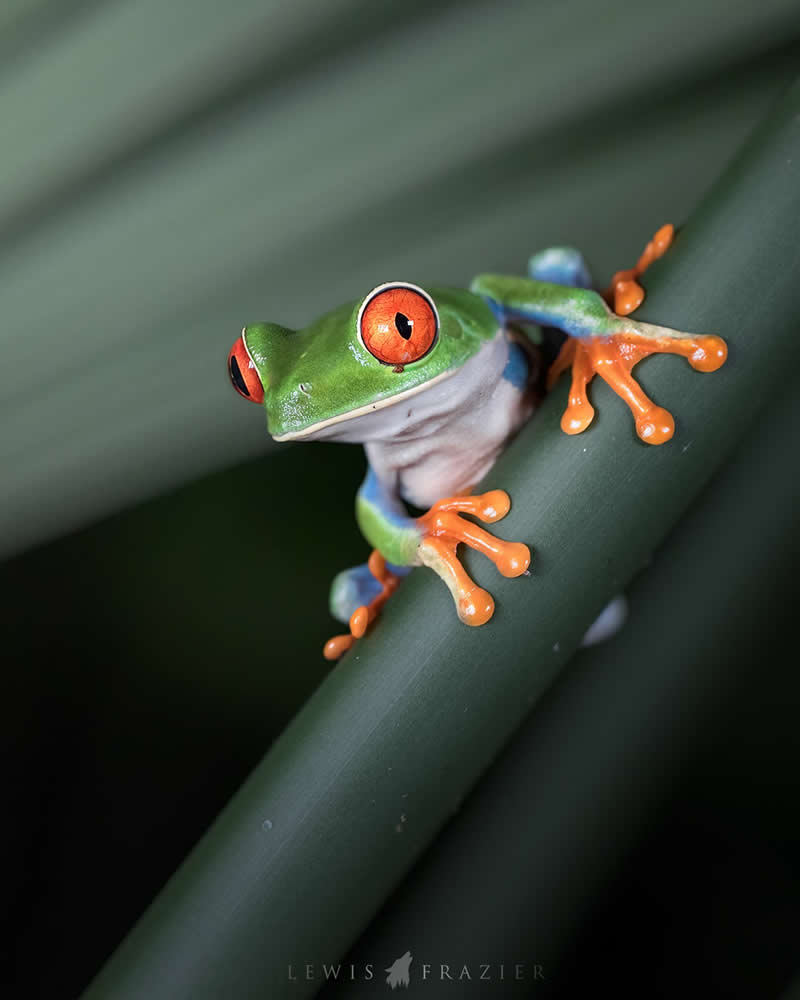
A stunning wildlife picture of a red-eyed tree frog perched on a smooth green leaf. Its bright red eyes and vivid orange toes contrast beautifully with its fresh green skin, creating a bold, colorful portrait filled with tropical energy and sharp detail.
25. Playful Fox Kit Mid-Leap
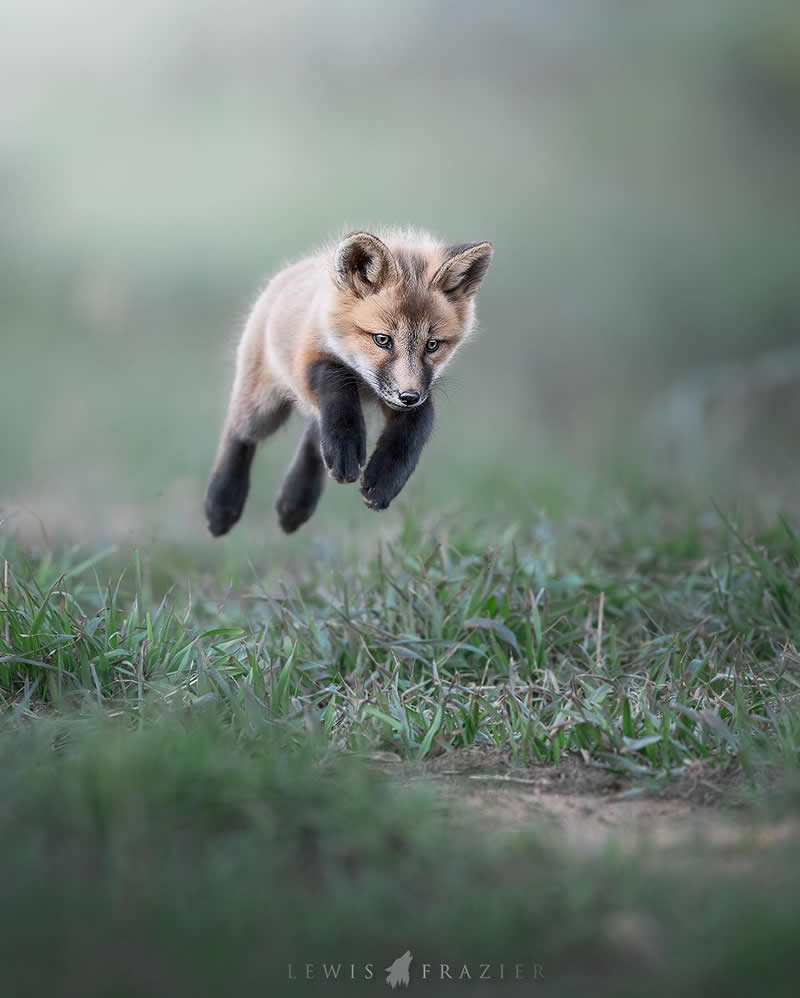
A delightful wildlife picture of a young fox captured mid-air as it leaps over soft green grass. Its focused eyes and outstretched paws show energy and curiosity, while the blurred background creates a dreamy sense of motion and youthful adventure.
26. Mountain Goats Silhouetted at Sunset
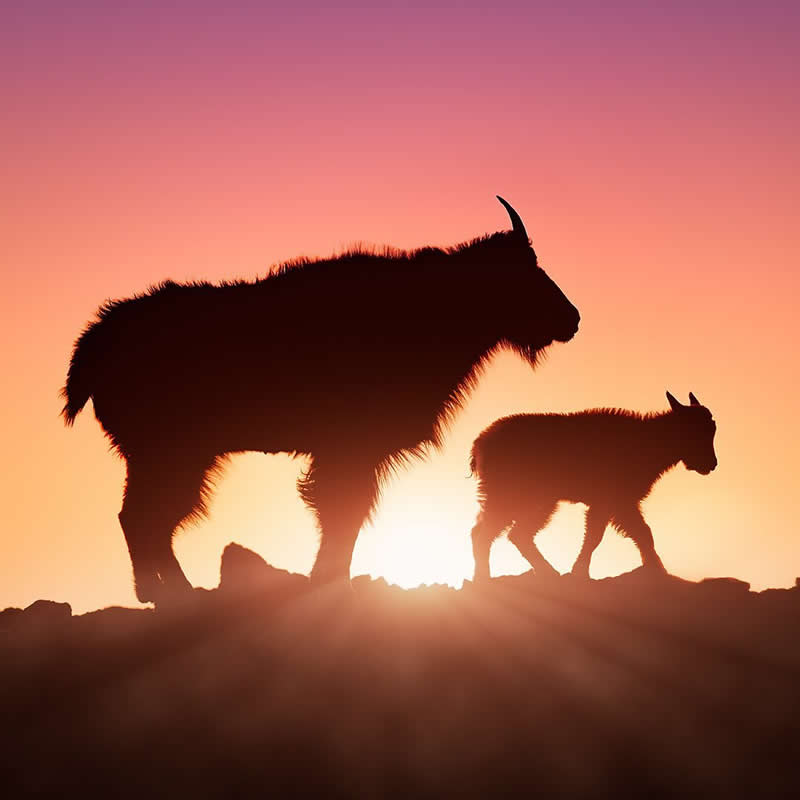
A breathtaking wildlife picture of an adult mountain goat and its young kid walking along a rocky ridge at sunset. Their dark silhouettes stand against a glowing orange and pink sky, creating a powerful, tender scene of guidance, protection, and wilderness beauty.
27. Black Bear Emerging from Autumn Brush
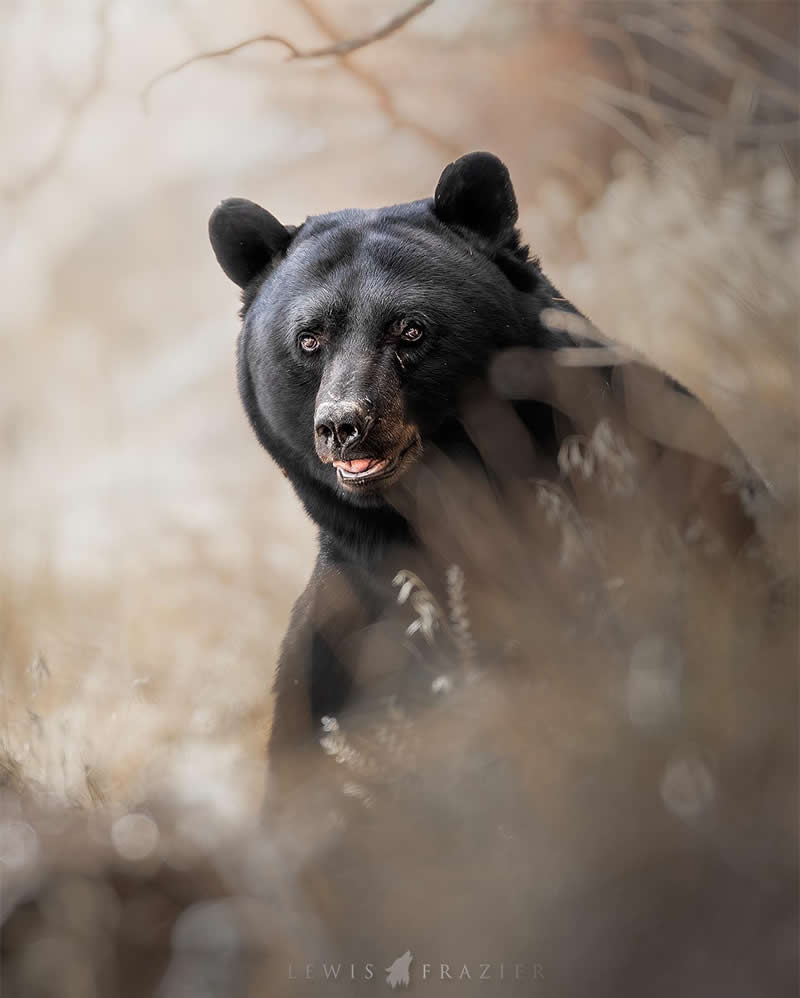
A captivating wildlife picture of a black bear partially framed by soft, blurred grasses. Its dark fur contrasts beautifully with the warm, earthy tones of the background, while its gentle gaze creates an intimate portrait filled with quiet strength and woodland mystery.
28. Red Fox in Gentle Winter Snow
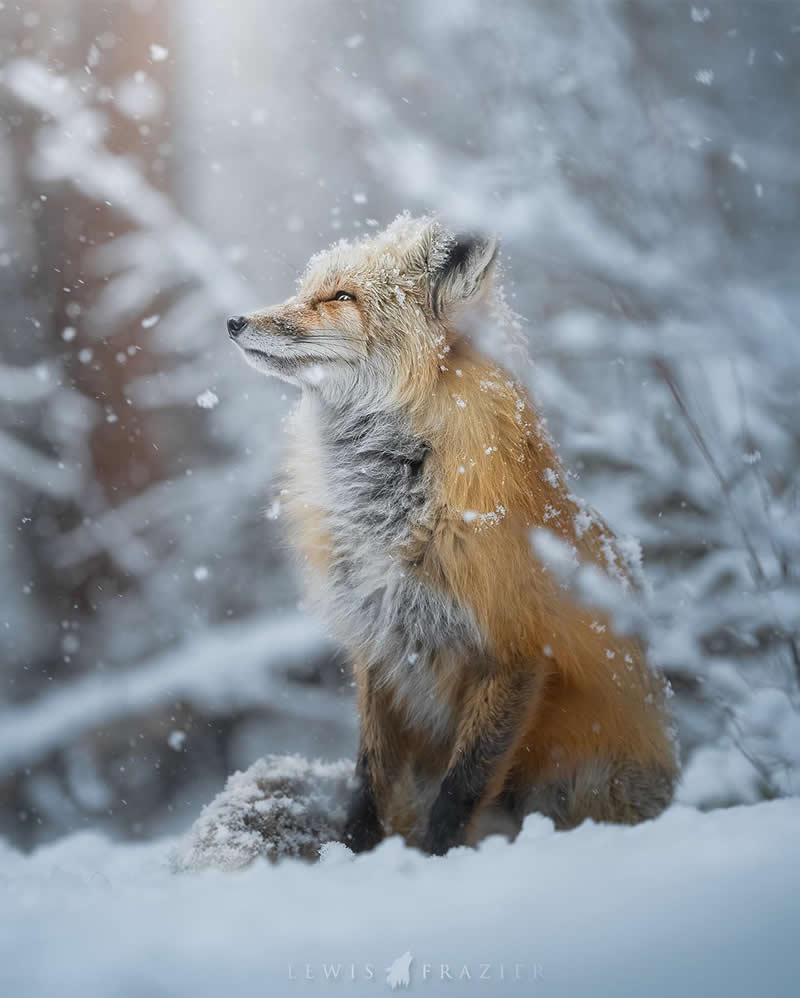
A beautiful wildlife picture of a red fox sitting quietly in fresh snowfall. Snowflakes rest on its thick fur as it gazes upward with calm focus. The soft white forest background creates a peaceful, dreamlike winter scene filled with quiet wonder.
29. Curious Pika Resting on Rocky Ledge
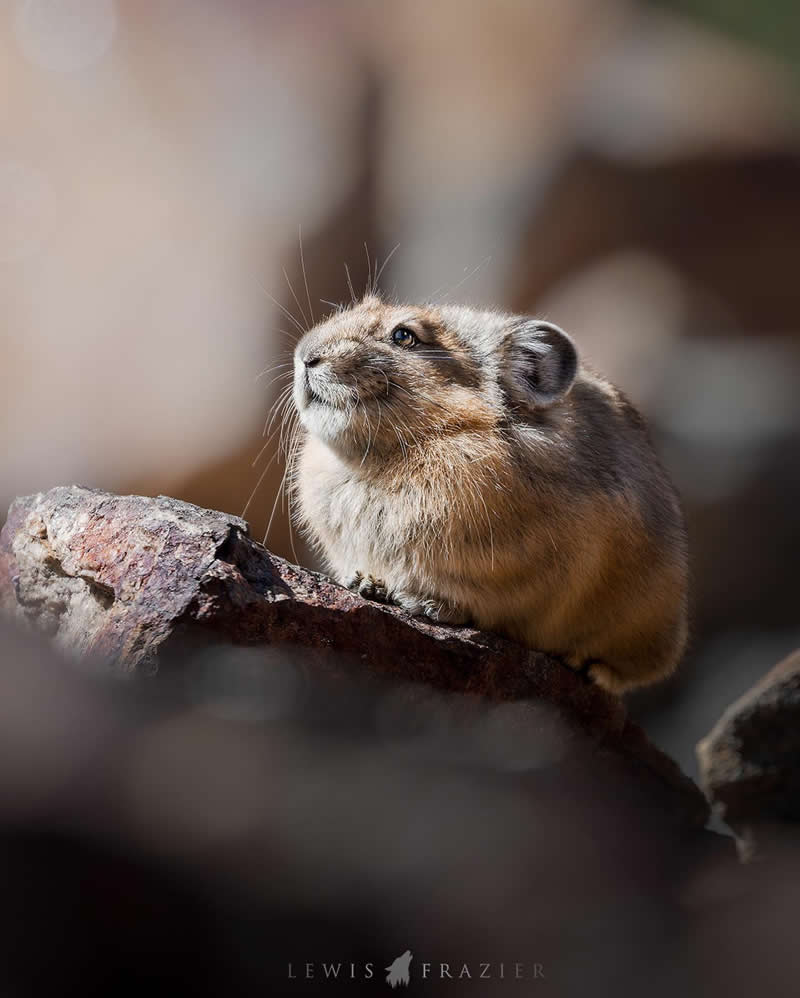
A charming wildlife picture of a small pika perched on a sunlit rock. Its soft fur and delicate whiskers catch the warm light as it looks upward with alert curiosity, creating an intimate portrait filled with quiet mountain charm and gentle detail.
30. Majestic Stag in Soft Meadow Light
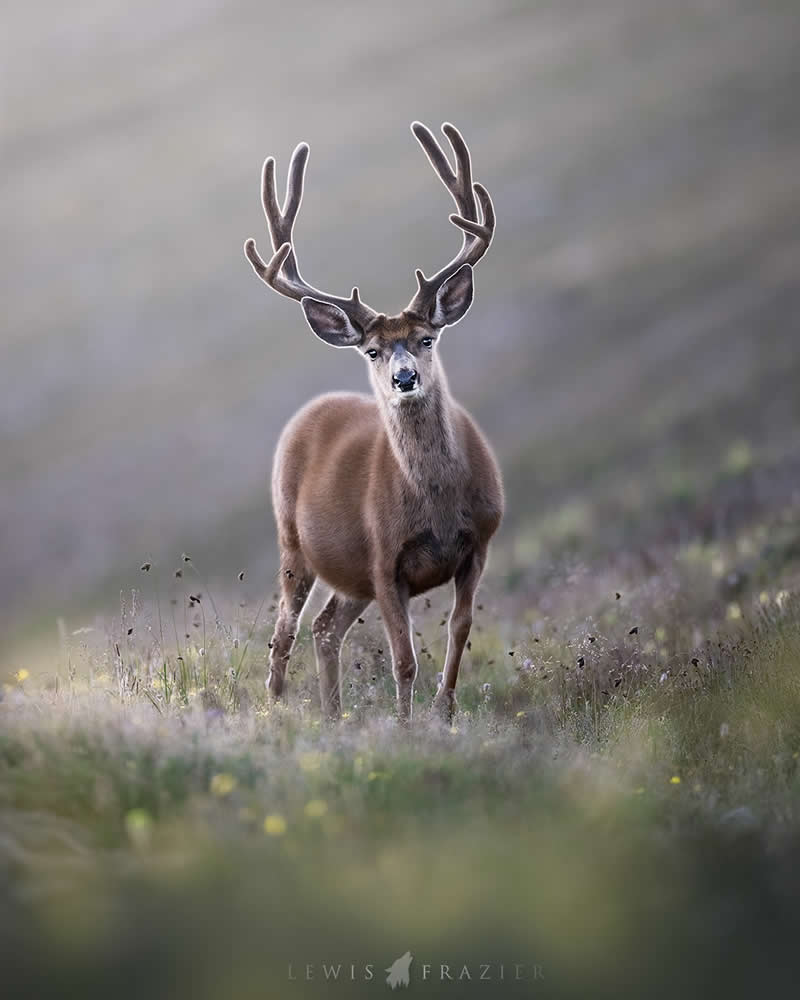
A stunning wildlife picture of a stag standing tall in a quiet meadow. Its impressive antlers frame its alert face, while soft, diffused light highlights its rich brown coat. The blurred hillside background adds a peaceful, elegant atmosphere to this striking portrait.
Why Do Wildlife Pictures Matter More Than Ever?
We live in a time when nature feels increasingly fragile. Wildlife pictures can:
- Build awareness
- Encourage conservation
- Create an emotional connection
- Inspire respect for ecosystems
Images like these remind us that animals are not props; they are living beings with presence and personality. Stories of connection, like these adorable animals showing friendship, demonstrate how powerful visual storytelling can be in shaping empathy toward wildlife.
Did you know?
The global photography services market is projected to approach $60 billion, supported by steady annual growth rates of around 5% to 7%.
Stock imagery alone is expected to generate several billion dollars as demand rises from social media, e-commerce, and digital platforms.
This growth means wildlife pictures are reaching larger audiences than ever before. When created responsibly, they can educate millions, support conservation campaigns, and influence public perception on a global scale.
When wildlife pictures are created ethically, they become tools for protection, not exploitation
How Do You Capture Dreamlike Wildlife Pictures?
If you’re inspired by this soft, emotional style of wildlife pictures, here’s how to start, even as a beginner. Sometimes, inspiration comes from unexpected scenes like these surprising photos of animals found in random places, which show how powerful context can be in wildlife photography.
1. Focus on Mood Over Action
Don’t chase dramatic scenes. Look for quiet, meaningful moments, a pause between movements, soft eye contact, or gentle interaction. Calm scenes often create a stronger emotional impact than high-speed action.
Pro Tip: Watch the animal for 10–15 minutes before even lifting your camera. Patterns reveal themselves when you slow down.
2. Shoot in Soft Light
Golden hour (shortly after sunrise and before sunset) gives depth, warmth, and gentle shadows. Overcast days are also perfect for wildlife pictures because clouds act like a natural diffuser. Soft light enhances fur texture and reduces harsh contrast, which is key for dreamlike wildlife pictures.
3. Use Shallow Depth of Field
A wide aperture creates creamy backgrounds that isolate your subject. This makes wildlife pictures feel intimate and less cluttered.
Focus on the animal’s nearest eye. Sharp eyes instantly make wildlife pictures more powerful.
4. Practice Patience
Stay longer than you think you need to. Wildlife photography is often 90% waiting and 10% shooting. The most emotional wildlife pictures happen after the obvious moment passes.
Insight: The longer you stay still, the more animals return to natural behavior, and that’s when authentic moments happen.
5. Always Respect Boundaries
If the animal changes behavior because of you, step back. Ethical wildlife pictures are always better than forced ones.
Use a longer lens instead of getting physically closer. Respect builds trust, and trust creates better wildlife pictures.
Final Thoughts
These 30 wildlife pictures are not about spectacle. They’re about presence.
They show that:
- Quiet can be powerful.
- Stillness can tell stories.
- Respect creates stronger art.
The next time you look at wildlife pictures, pause for a second. Look at the eyes. The posture. The light.
Sometimes the softest image speaks the loudest.
If you love wildlife pictures that feel emotional and real, this collection is one worth revisiting slowly, frame by frame.
FAQs About Wildlife Pictures
1. What camera settings are best for sharp wildlife pictures?
For sharp wildlife pictures, use a fast shutter speed like 1/1000s or higher to freeze motion, especially for birds or running animals. Choose a wide aperture such as f/2.8 to f/5.6 for background blur, and adjust ISO based on lighting conditions. Continuous autofocus mode helps track moving subjects accurately.
2. Can you take professional wildlife pictures without expensive gear?
Yes, professional-looking wildlife pictures are possible without high-end gear. While long telephoto lenses help, strong images depend more on timing, light, composition, and patience. Many great wildlife pictures are captured using entry-level cameras paired with affordable zoom lenses and good field technique.
3. How close should you get to animals for wildlife pictures?
You should never approach wildlife in a way that changes their natural behavior. If an animal looks stressed, stops feeding, or moves away because of you, you’re too close. Using a telephoto lens allows you to capture intimate wildlife pictures while maintaining safe and ethical distance.
4. What are the biggest mistakes beginners make in wildlife pictures?
Beginners often focus only on action shots and ignore composition, lighting, or background distractions. Other common mistakes include over-editing, not focusing on the eyes, and leaving too soon. Strong wildlife pictures usually come from patience, observation, and thoughtful framing rather than rapid shooting.
5. How do photographers find wildlife for pictures?
Wildlife photographers research animal habitats, feeding times, and seasonal behavior patterns. They revisit locations frequently and study movement habits to increase their chances of meaningful encounters. Preparation and understanding animal behavior significantly improve the quality of wildlife pictures.
6. How do wildlife pictures support conservation efforts?
Wildlife pictures create emotional connections that inspire awareness and action. Powerful images highlight endangered species, habitat loss, and environmental challenges. They are often used in conservation campaigns, educational materials, and fundraising efforts to encourage protection of natural ecosystems.
7. Can you capture strong wildlife pictures in urban areas?
Yes, many animals adapt to city environments. Foxes, birds, deer, and other species can be photographed in parks and suburban areas. Urban wildlife pictures offer unique storytelling opportunities that show how nature and human spaces intersect.
8. What makes wildlife pictures stand out in competitions?
Wildlife pictures stand out when they combine emotional impact, technical sharpness, ethical capture, and strong composition. Judges often favor images that tell a story or reveal unique behavior rather than purely dramatic action shots.







 English (US) ·